Best Essential Oils for DIY Lip Balm

Katie Veldkamp
Lead Certified Aromatherapist
Fact Checked & Approved
Lips are the one place on your body where "a little goes a long way" is a safety rule, not a slogan. The skin there is thin, it has no oil glands of its own, and whatever you put on it, you eventually swallow. That makes choosing the right essential oil — and diluting it properly — the difference between a balm you reach for every day and one that stings. Here are 31 oils and blends worth putting in a lip balm, what each one actually brings, and how to keep every one of them lip-safe.
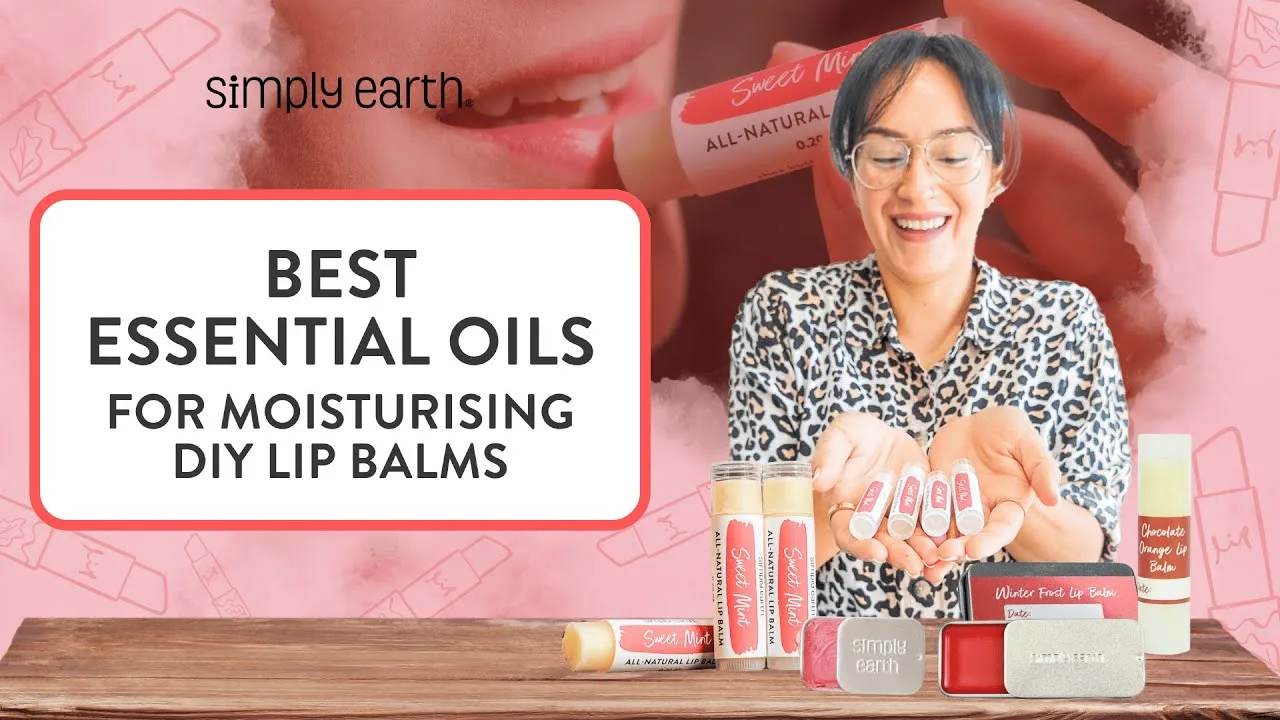
Best Essential Oils for DIY Lip Balms
Lip skin is different, and that changes which oils belong in a balm. It is roughly three to five cell layers thick instead of sixteen, it carries no sebaceous glands to produce its own oil, and it has no real barrier against what you apply. That is why lips chap first in winter and why a balm that works is mostly about sealing moisture in — the beeswax, butters and carrier oils do that job.
The essential oil is the part that makes a balm yours. It brings the scent, a cooling or calming quality, and in several cases a genuinely useful skin benefit. It is also the part most likely to go wrong, because the lip is a mucous membrane and you ingest what sits on it.
So the working rule for every oil below is the same — keep the essential oil at 1% or less of the finished balm. In practice that is about 1 drop per 2 teaspoons of base, or 5–6 drops in a standard 1 oz batch. At that level a good oil does exactly what you want, and the oils that can irritate simply do not get the chance.
THE DIY LIP BALM SERIES
STEP 01 · COMING SOON
Lip Balm 101

STEP 02
Best Oils

STEP 03 · COMING SOON
Best Ingredients

STEP 04 · COMING SOON
DIY Recipes

In this Guide
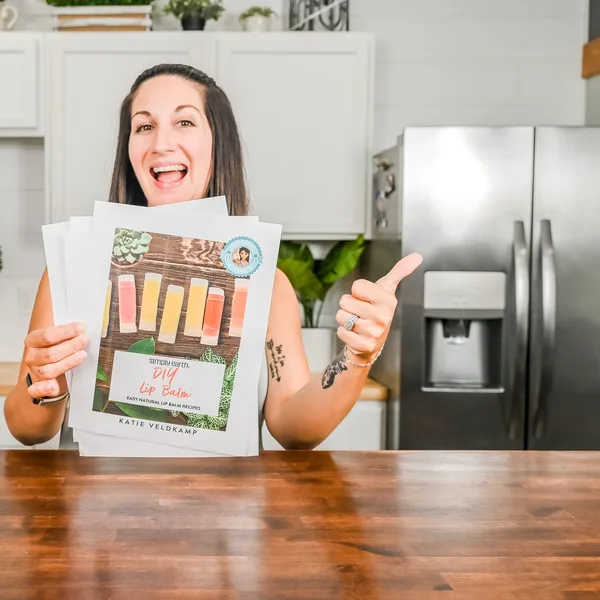
Free Guide
Get the free DIY Lip Balm Guide
Easy natural lip balm recipes, start to finish.
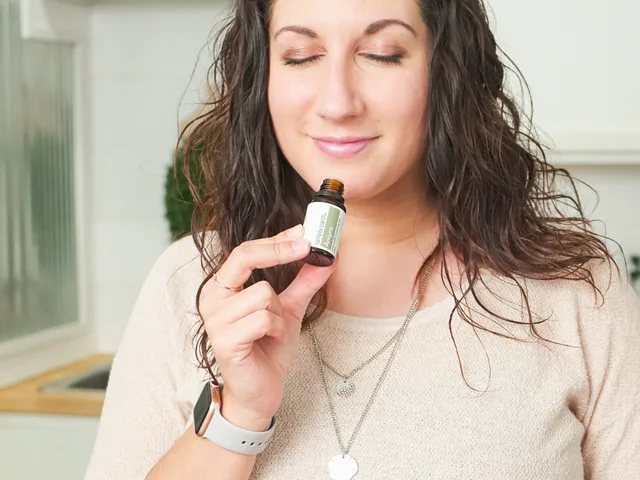
BEST FOR: A CALM, GROUNDED BALM
Amyris is steam distilled from wood and smells woody with a vanilla-like softness, which makes it one of the easiest oils to build a calm, grown-up balm around. It is thick and slow to evaporate, so the scent stays put through the day instead of flashing off in the first ten minutes. Blend it under a citrus or a floral when you want that note to last.
AROMATHERAPIST TIP
Amyris is sometimes sold as West Indian sandalwood, but it is not sandalwood at all. Check the botanical name if you are matching a recipe from elsewhere.
TRY IT IN

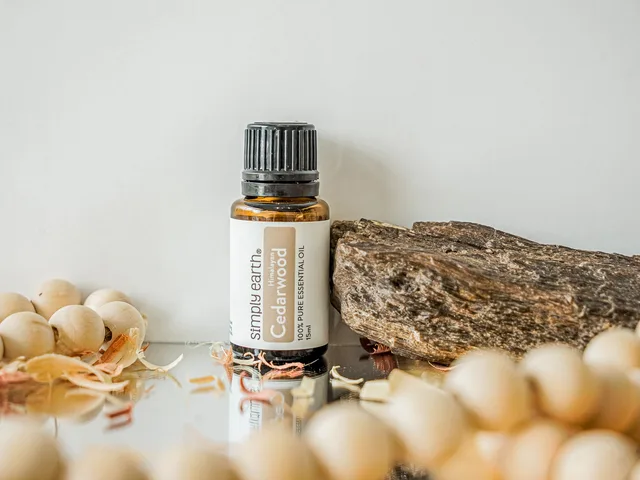
BEST FOR: A WARM EVERYDAY BALM
Dry, woody and warm, Himalayan cedarwood gives a balm the kind of scent that reads as comforting rather than sweet. It is steam distilled, gentle at low dilution, and one of the least expensive ways to add real depth to a blend. It pairs especially well with the citrus oils further down this list.
AROMATHERAPIST TIP
Cedarwood is a base note, so use it at half the drops of your top note. One drop of cedarwood will happily carry three of orange.
TRY IT IN

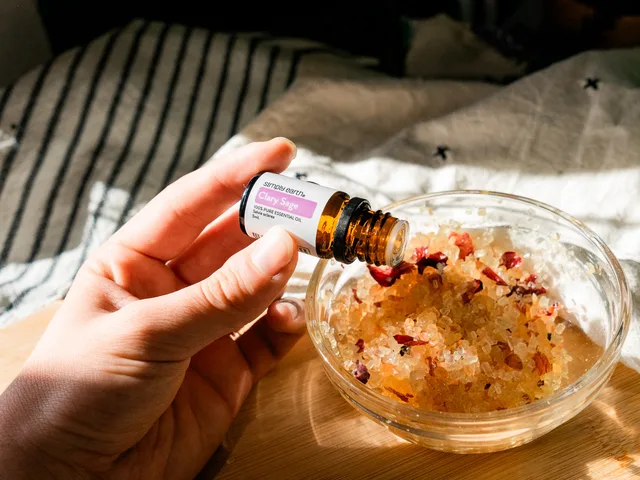
BEST FOR: A SOOTHING, HERBAL BALM
Clary sage is herbaceous and softly floral, and it is the oil to reach for when you want a balm that smells like a garden rather than a dessert. It is steam distilled from the leaf and flower and sits comfortably in a lip blend at low dilution. The scent is distinctive, so it works best as the lead note with a woody oil underneath.
AROMATHERAPIST TIP
Clary sage is commonly avoided during pregnancy. If you are making balms as gifts, label them clearly, or use Roman chamomile instead.
TRY IT IN

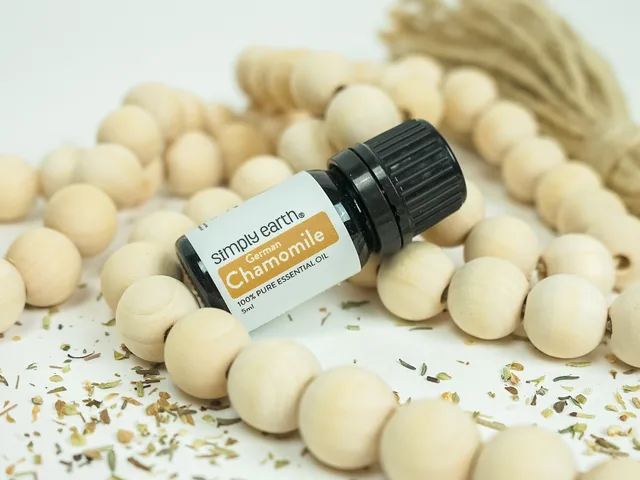
BEST FOR: SENSITIVE, CHAPPED LIPS
German chamomile is the striking inky-blue oil, and the colour is not a gimmick. It comes from chamazulene, which forms during steam distillation. This is the classic choice for lips that are already sore or flaking, and it tints a pale balm a beautiful soft blue-green. It is one of the pricier oils here, but a lip balm uses so little that a bottle lasts a very long time.
AROMATHERAPIST TIP
The blue will shift the colour of your balm. Start with one drop in a 1 oz batch and look at it before you add a second.
TRY IT IN

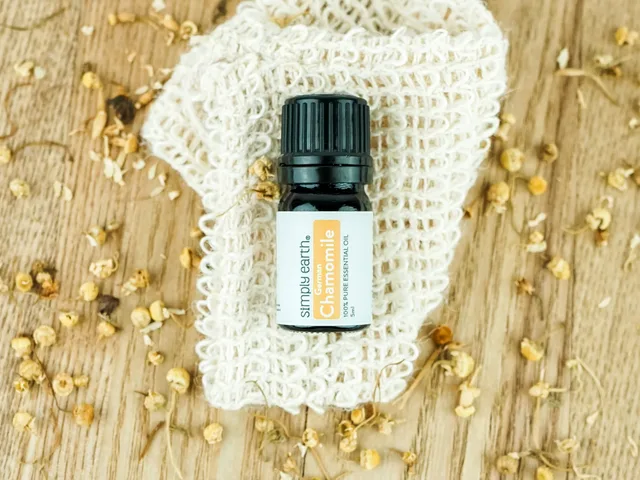
BEST FOR: THE MILDEST OPTION
Roman chamomile is the softer, sweeter, apple-scented cousin of German chamomile, and it is the one to pick when you want gentle above all else. It carries none of the blue colour, so it leaves a balm looking exactly as you made it. If you are formulating for a child, for very sensitive skin, or for someone who dislikes strong scent, this is the safest-feeling oil on the list.
AROMATHERAPIST TIP
Roman chamomile is the oil I hand to anyone nervous about putting essential oils on lips at all. Use it at half a percent and it is barely there, in the best way.
TRY IT IN

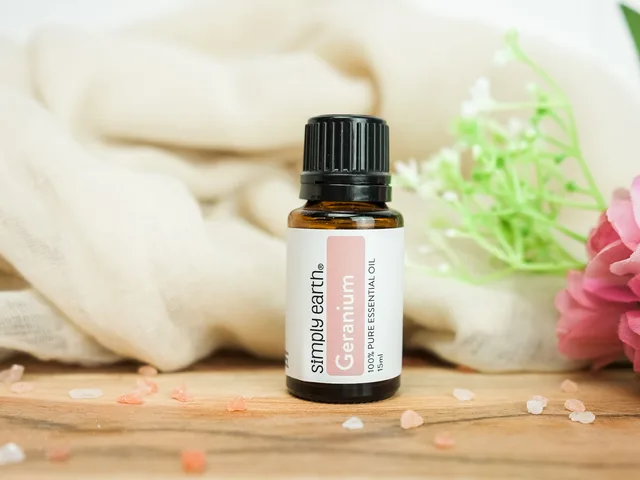
BEST FOR: DRY, DULL-LOOKING LIPS
Floral and sweet with a green edge, geranium is a long-standing favourite in skincare and it earns its place in a lip balm on scent alone. It is steam distilled and well tolerated at lip-balm dilutions. It sits beautifully with palmarosa and rose geranium if you want to build a fuller floral without reaching for anything expensive.
AROMATHERAPIST TIP
Geranium can smell soapy if you overdo it. Three drops in a 1 oz batch is plenty.
TRY IT IN

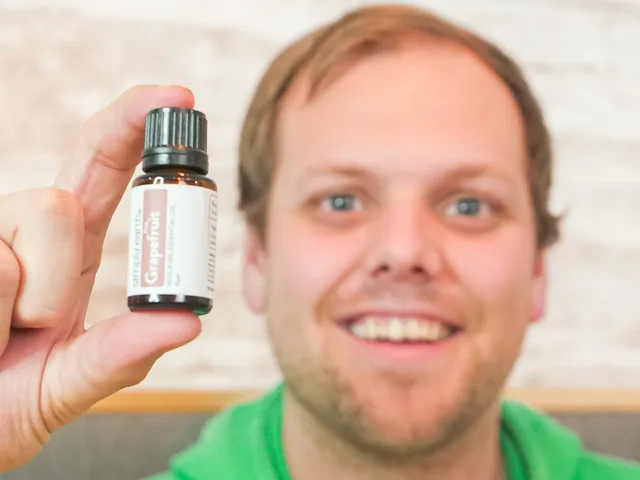
BEST FOR: A FRESH, UPLIFTING BALM
Pink grapefruit is cold pressed from the peel and smells exactly like the fruit, sweet and sharp and immediately cheerful. It is the best citrus here for a morning balm. Because it is a cold-pressed citrus it carries a phototoxicity caution, so keep it low and treat sun exposure seriously.
AROMATHERAPIST TIP
Cold-pressed citrus oils can make skin more sensitive to sunlight. For a balm you will wear outdoors, keep grapefruit at or under 1% and pair it with SPF.
TRY IT IN

BEST FOR: CRACKED, SPLIT LIPS
Helichrysum is the oil people buy specifically for skin that has had a hard time, and cracked winter lips are exactly that. It is earthy and herbaceous rather than pretty, so most people use it as the functional component and let another oil carry the aroma. It is the most expensive oil on this list by volume and still worth having for a repair balm.
AROMATHERAPIST TIP
Use helichrysum in a night balm where scent matters least. One drop alongside two of lavender is a genuinely good overnight combination.
BEST FOR: A SPA-LIKE BALM
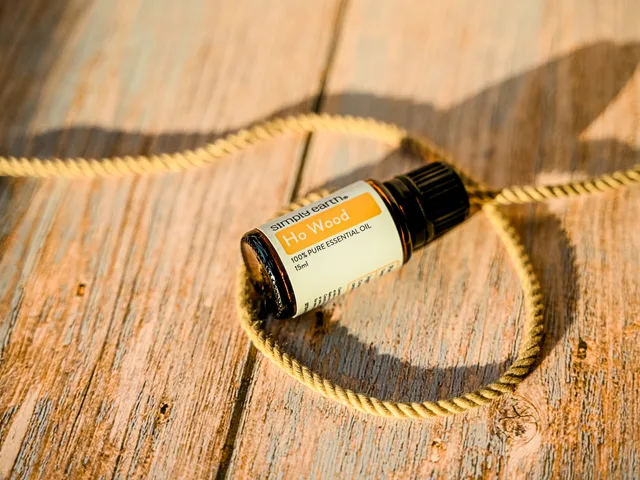
Ho wood is woody and floral at the same time, and it is naturally high in linalool, the same gentle constituent that makes lavender so easy to work with. That makes it a reliable, low-drama oil for lip products. It is the quiet luxury pick here, and considerably cheaper than rosewood, which it is often used in place of.
AROMATHERAPIST TIP
If lavender is too recognisable for you but you want the same softness, swap in ho wood one drop for one drop.
TRY IT IN

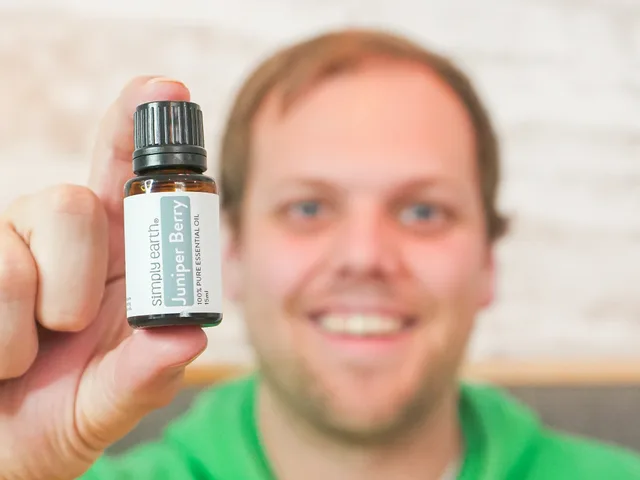
BEST FOR: A CLEAN WINTER BALM
Fresh and evergreen, juniper berry gives a balm a crisp, outdoorsy character that is a genuine change from the usual mint and citrus. It is steam distilled from the berry and behaves well at low dilution. This is the oil that makes a winter balm smell like winter rather than like candy.
AROMATHERAPIST TIP
Juniper berry and lavender together are the backbone of our Winter Frost balm. A good starting ratio is two drops juniper to three lavender.
TRY IT IN

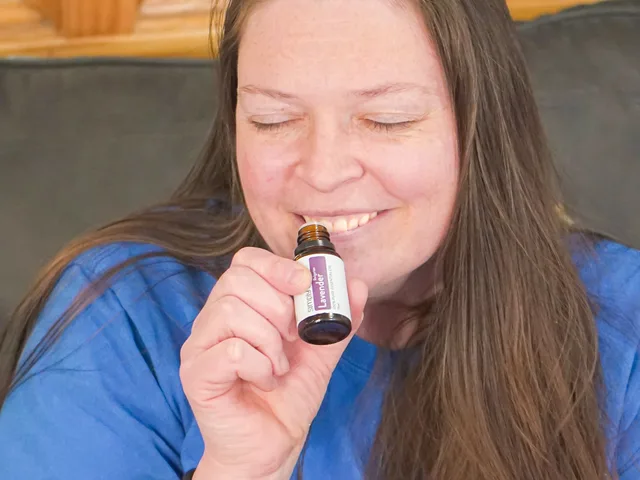
BEST FOR: WHEN YOU ARE NOT SURE
If you only ever put one essential oil in a lip balm, make it lavender. It is fresh and floral, exceptionally well tolerated, calming to both skin and mood, and it blends with nearly everything else on this list. Bulgarian lavender is the more nuanced, true-to-the-plant version, the one worth using when lavender is the star rather than the supporting note.
AROMATHERAPIST TIP
Lavender is the safest place to start if you have never scented a balm before. Five drops in a 1 oz batch, and you will not get it wrong.
TRY IT IN
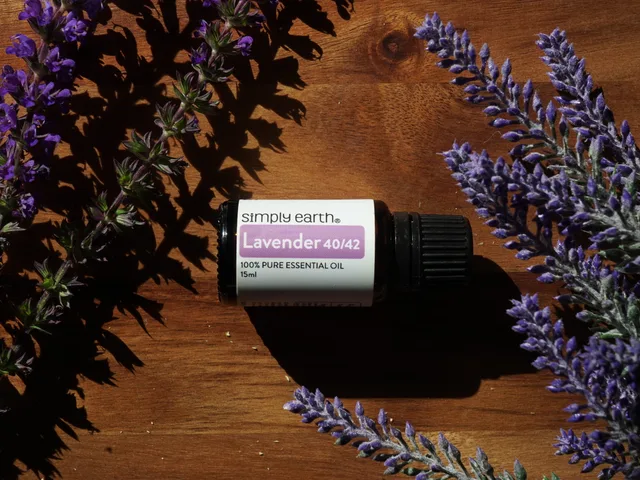
BEST FOR: BATCHES THAT MUST MATCH
Lavender 40/42 is standardised so that every bottle smells the same, with the linalool and linalyl acetate balanced to a set ratio. For a single balm that hardly matters. For fifty balms you are giving away, or a product you want to remake identically next winter, it matters a great deal. It is also the cheaper of the two lavenders.
AROMATHERAPIST TIP
Making a large batch or selling at a market? Use 40/42. Making one special balm for yourself? Use the Bulgarian.
TRY IT IN

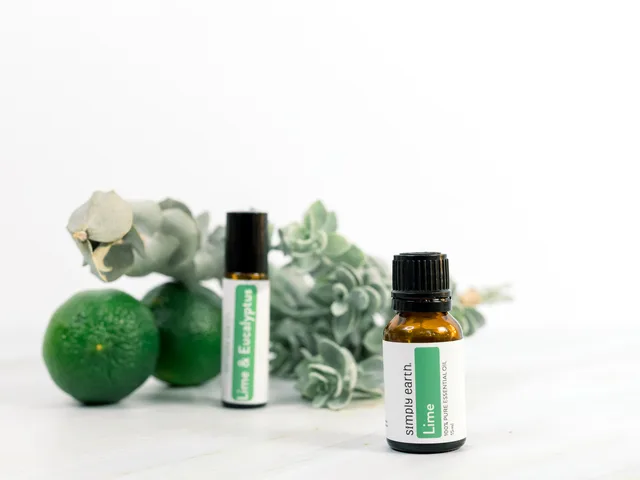
BEST FOR: A SHARP, FRESH BALM
Lime is expressed from the peel and it is the sharpest, most zingy citrus on this list, brighter and less sweet than orange or mandarin. It gives a balm real lift. Like the other peel-pressed citrus oils it carries a phototoxicity caution, and lime is the one most often singled out for it, so this is an oil to keep genuinely low.
AROMATHERAPIST TIP
Lime is the citrus I am strictest about. Keep it well under 1% in anything you will wear in the sun, or save it for an evening balm.
TRY IT IN

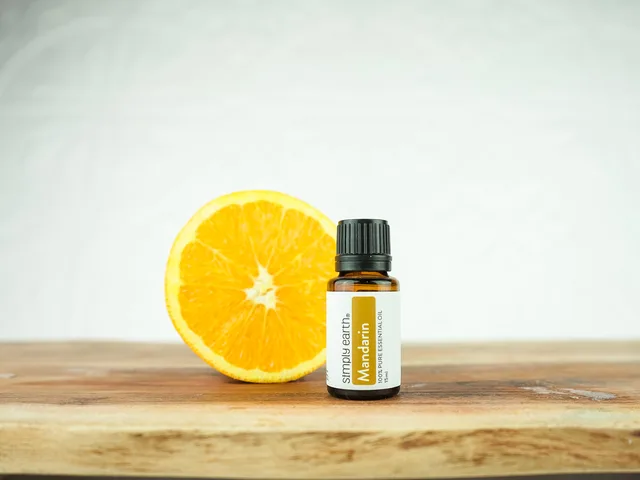
BEST FOR: A COMFORTING, SWEET BALM
Mandarin is the softest citrus here, sweet and round and far less sharp than lime or grapefruit. It is the citrus most often chosen for children and for anyone who finds orange oils too strong. It is cold pressed from the peel, so the usual citrus sun caution applies, though mandarin is generally regarded as the mildest of the group.
AROMATHERAPIST TIP
Mandarin with a little vanilla-like Peru balsam makes a balm that smells like a creamsicle without any added flavour oil.
TRY IT IN

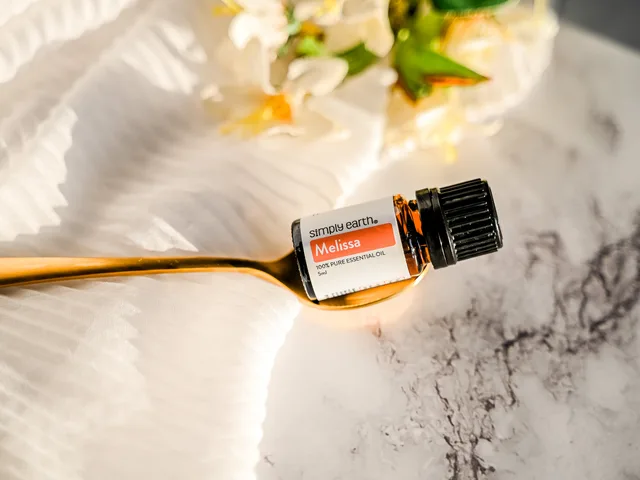
BEST FOR: A LUXURY SOOTHING BALM
Melissa is steam distilled from lemon balm leaf and flower and smells herbal and lemony in a way no citrus oil quite matches. It takes an enormous quantity of plant material to make a small amount of oil, which is why it is the most expensive bottle on this page. A lip balm is actually the perfect use for it, because you need so little that one bottle goes a very long way.
AROMATHERAPIST TIP
Because melissa is so costly, blend one drop into a balm base that already smells good rather than trying to carry the whole scent with it.
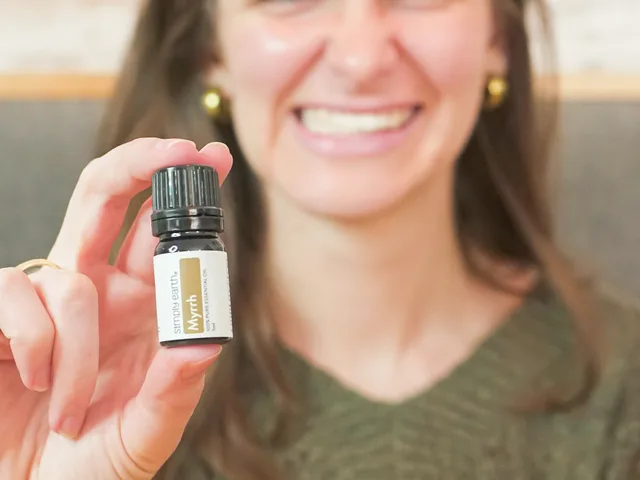
BEST FOR: WEATHER-BEATEN LIPS
Myrrh is a resin oil, fresh and earthy with a warmth that suits a winter balm. It has been used on cracked and weathered skin for a very long time, and it is thick enough that it adds a little body to a soft balm. The scent is serious rather than sweet, so pair it with orange or mandarin if you want to lighten it.
AROMATHERAPIST TIP
Myrrh is slow-moving and can sit in the bottle neck. Warm it in your hands before you count drops.
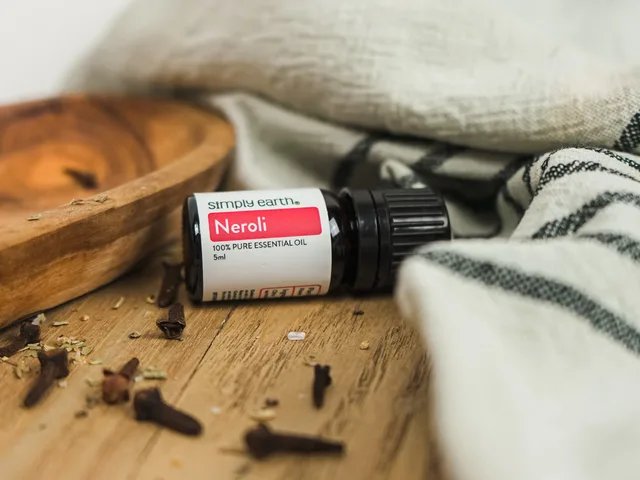
BEST FOR: A LUXURIOUS FLORAL BALM
Neroli is distilled from bitter orange blossom and is floral and citrusy at once, one of the most loved scents in all of perfumery. Worth knowing for lip balm specifically: neroli is steam distilled, not pressed from peel, so it does not carry the phototoxicity caution the citrus oils on this list do. It is a genuine luxury, and a little in a balm is a real treat.
AROMATHERAPIST TIP
Neroli is the one citrus-smelling oil on this page you can use freely in a daytime balm without thinking about sun exposure.
TRY IT IN

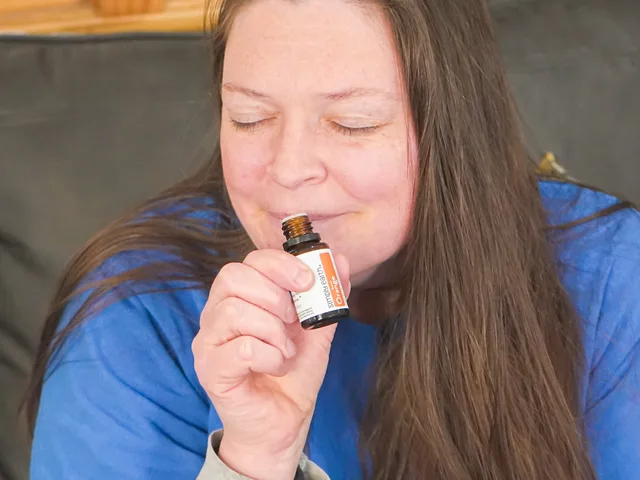
BEST FOR: AN EASY CROWD-PLEASER
Sweet orange is the least expensive oil on this page and one of the most useful. It is cold pressed from the peel, smells exactly as you expect, and almost nobody dislikes it, which makes it the safest choice for balms you are giving away. It is a top note, so it fades fastest. Anchor it with cedarwood, amyris or Peru balsam.
AROMATHERAPIST TIP
Sweet orange is the oil to start with if you are making balms with kids. It is inexpensive, forgiving and universally liked.


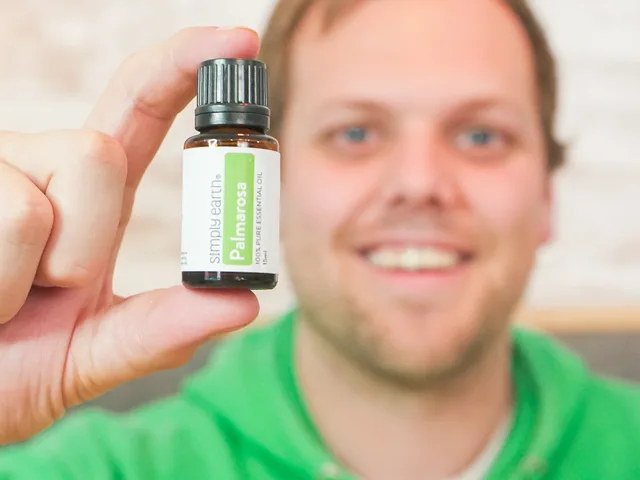
BEST FOR: DRY, TIGHT-FEELING LIPS
Palmarosa is a grass that smells like a rose, and it is a long-standing skincare favourite for dry skin. Sharp and floral, it is rich in geraniol and blends naturally with geranium and rose geranium. It gives you a rosy balm at a fraction of what an actual rose oil would cost.
AROMATHERAPIST TIP
Palmarosa, geranium and a drop of sweet orange is the cheapest convincing rose balm you will ever make.
TRY IT IN

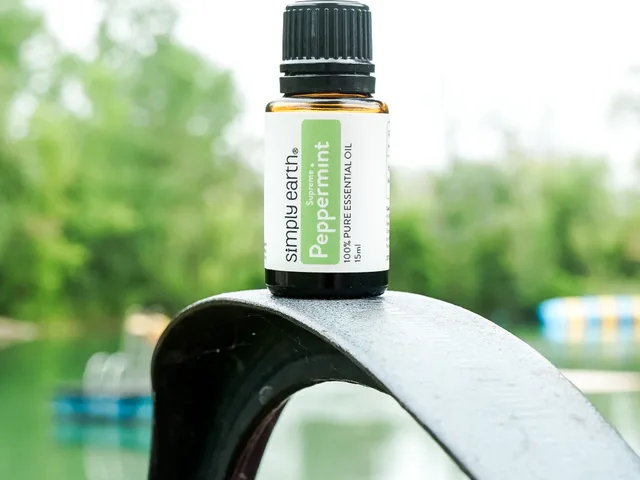
BEST FOR: THAT COOLING FEELING
Peppermint is why so many people make lip balm in the first place. That cooling tingle is the menthol, and no other oil here does it the same way. It is also the oil most often overdone. The line between a pleasant tingle and an uncomfortable burn on lip skin is narrow, and it is crossed by adding drops rather than by anything else.
AROMATHERAPIST TIP
Two drops in a 1 oz batch, then test it on your own lips before you make more. Peppermint is the one oil where I always undershoot on the first try.
TRY IT IN

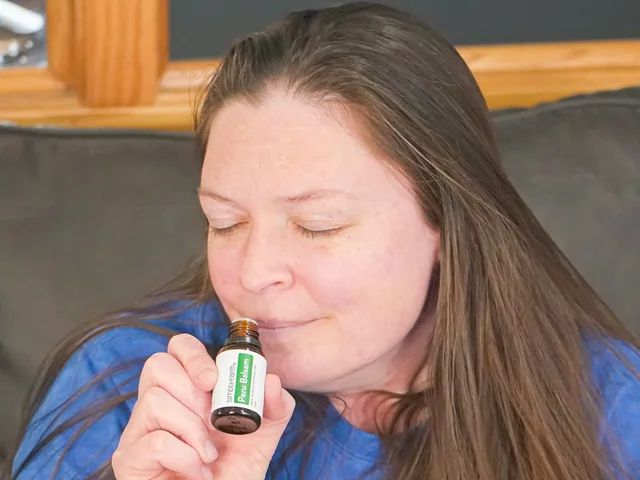
BEST FOR: A SWEET, DESSERT-LIKE BALM
Peru balsam smells genuinely vanilla-like, which makes it the closest thing here to a dessert scent without using a flavour oil. It is thick, sweet and long-lasting, and it anchors citrus beautifully. One thing to know: Peru balsam is a well-documented contact allergen for a minority of people, so it is worth a patch test before you commit a whole batch.
AROMATHERAPIST TIP
Patch test Peru balsam on your inner arm first. If it is fine after a day, it makes one of the nicest balms on this list.
TRY IT IN
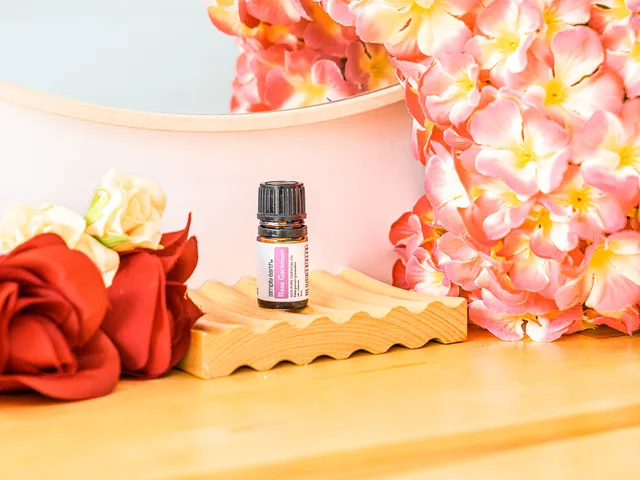
BEST FOR: A ROMANTIC, FLORAL BALM
Rose geranium is the most rose-like of the geraniums and the one to use when the floral note is the whole point. It is richer and rounder than plain geranium and needs no help to carry a balm on its own. Pair it with palmarosa to deepen it, or with a drop of vetiver to ground it.
AROMATHERAPIST TIP
Rose geranium is strong. Two drops in a 1 oz batch reads as a full floral balm. Four reads as perfume.
TRY IT IN

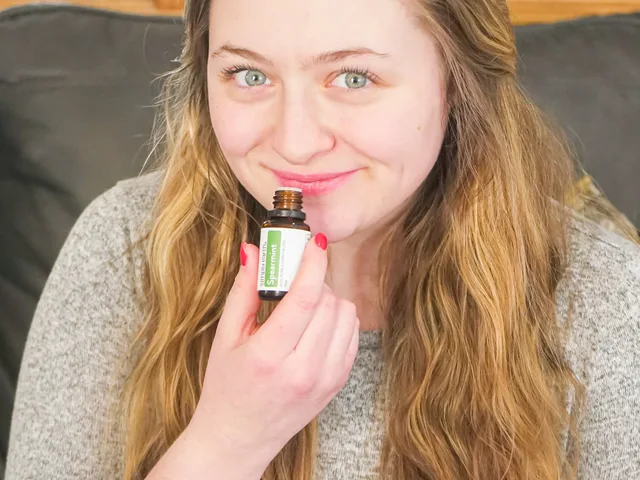
BEST FOR: MINT WITHOUT THE BITE
Spearmint is sweet and minty with far less menthol than peppermint, and for lip balm that is a real advantage. You get the fresh, cooling character without the sharp bite, which makes it much harder to overdo and a better choice for anyone with sensitive lips. If peppermint has ever been too much for you, this is your oil.
AROMATHERAPIST TIP
Spearmint is the mint I recommend for a first minty balm, and the one to use if you are making balms for kids.
TRY IT IN
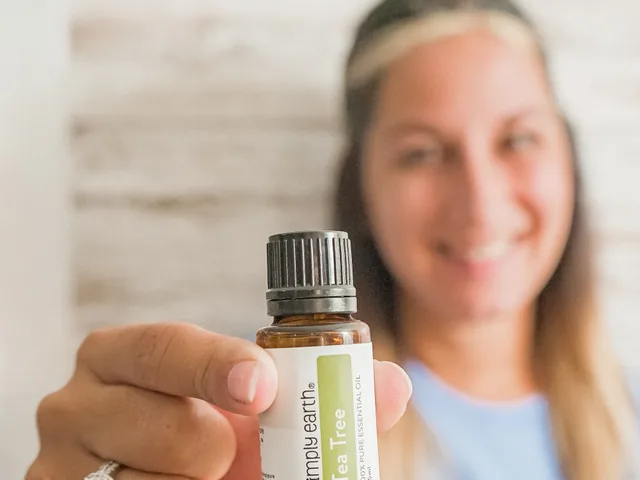
BEST FOR: BLEMISH-PRONE LIP EDGES
Tea tree is medicinal and woody and best known for its cleansing reputation, which is why it turns up in balms aimed at the lip line rather than the lips themselves. It is potent and the scent is assertive, so this is a functional inclusion rather than a scent choice. Use it sparingly and blend it with lavender to soften the edges.
AROMATHERAPIST TIP
One drop of tea tree in a 1 oz balm is enough. This is the oil where less genuinely is more.
TRY IT IN

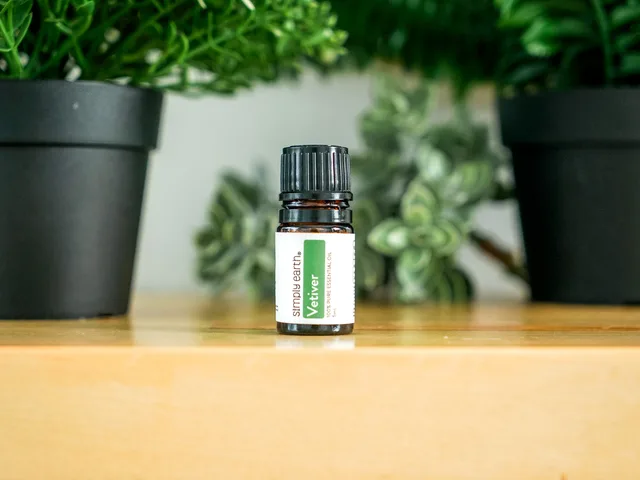
BEST FOR: A BALM THAT LASTS ALL DAY
Vetiver is woody, herbaceous and deeply earthy, the heaviest base note on this list. In a lip balm its real job is to hold everything else in place, because it evaporates so slowly that it keeps the lighter oils from disappearing within the hour. It also has a rich, almost smoky character that suits an evening balm.
AROMATHERAPIST TIP
Vetiver is thick and stubborn. Stand the bottle in warm water for a minute before you try to get a drop out of it.
TRY IT IN

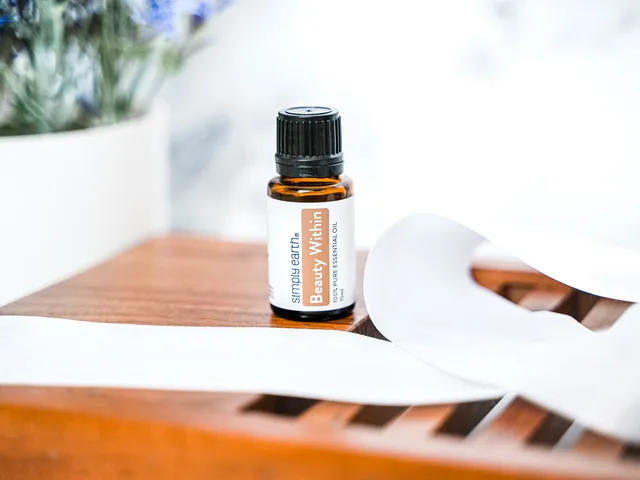
BEST FOR: A GLAMOROUS BALM, NO BLENDING
Beauty Within is our pre-mixed floral blend, and it is the shortcut to a balm that smells considered rather than thrown together. The floral notes are already balanced against each other, so you get a finished scent from a single bottle. If you like the idea of a rosy, elegant balm but do not want to buy three separate florals, start here.
AROMATHERAPIST TIP
A pre-blended oil takes the guesswork out of ratios. Use it exactly as you would a single oil, at 1% or less of the finished balm.
TRY IT IN

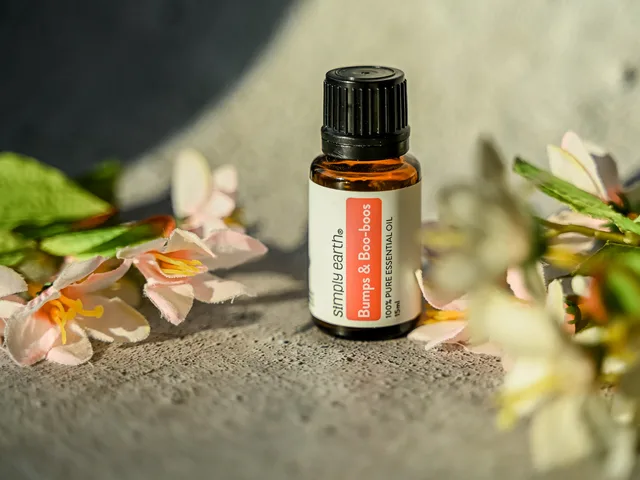
BEST FOR: SORE, IRRITATED LIPS
Bumps and Boo-Boos is built around the gentle, soothing oils, which is exactly the profile you want for lips that are already unhappy. It is the blend to reach for in February when nothing else has helped. Because it is formulated to be mild, it is also one of the easier blends to use in a lip product.
AROMATHERAPIST TIP
This is the blend I put in a repair balm alongside shea butter and a little helichrysum when lips are past the point of chapped.
TRY IT IN

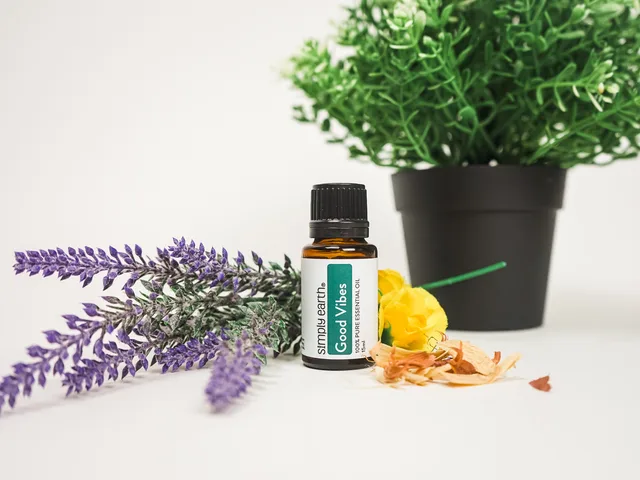
BEST FOR: A MORNING PICK-ME-UP BALM
Good Vibes is bright and uplifting, and it has an advantage over every other blend on this list, because we already build a lip balm around it. The ratios are proven. If you want one blend that is known to work in a balm rather than one you have to test yourself, this is it.
AROMATHERAPIST TIP
Start with our Good Vibes Lip Balm recipe as written, then adjust the drops once you know how it wears on you.
TRY IT IN

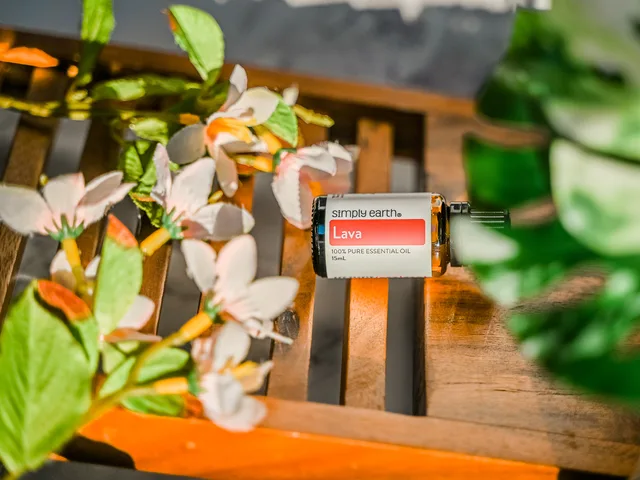
BEST FOR: A BOLD, WARMING BALM
Lava is the warm, spicy blend, the one that gives a balm an edge instead of a comfort. Spice notes are the most likely of any category to feel hot on lip skin, so this is a blend to use at the low end of the range and to test before committing. Used lightly it is genuinely distinctive.
AROMATHERAPIST TIP
Spicy blends are the easiest to overdo on lips. Use one drop in a 1 oz batch and test it before you add another.
TRY IT IN

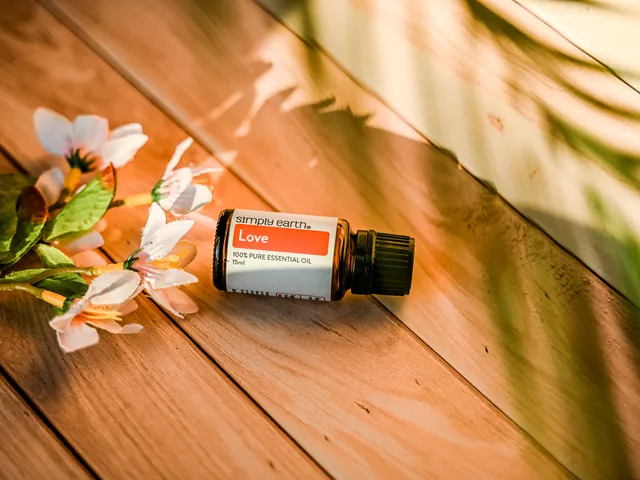
BEST FOR: A DATE-NIGHT BALM
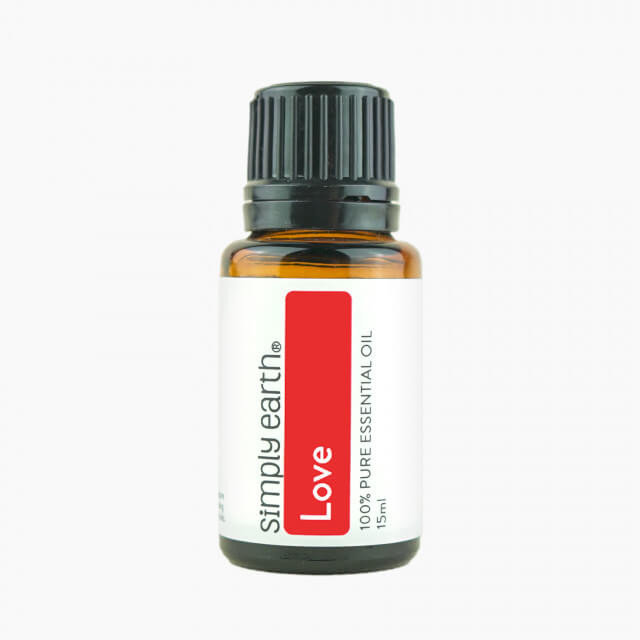
Love is the rich, romantic blend, floral and warm together, and a natural fit for an evening balm or a gift. It is a complete scent straight from the bottle, so it needs nothing else. Pair it with a tinted base if you want the balm to look as deliberate as it smells.
AROMATHERAPIST TIP
A tinted balm with the Love blend and a little mica powder makes a genuinely good handmade gift.
TRY IT IN

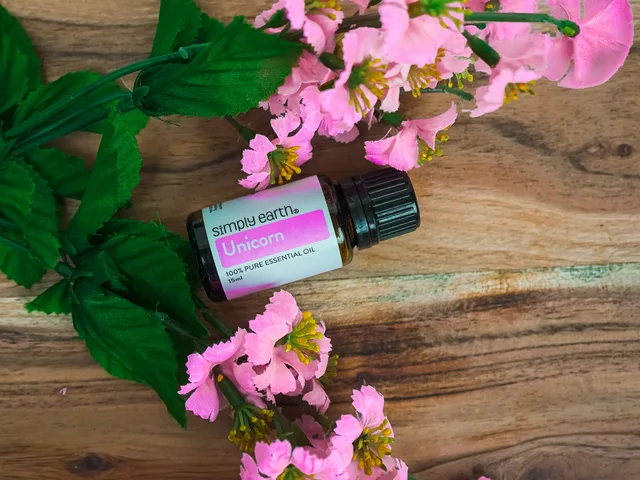
BEST FOR: A FUN BALM FOR KIDS
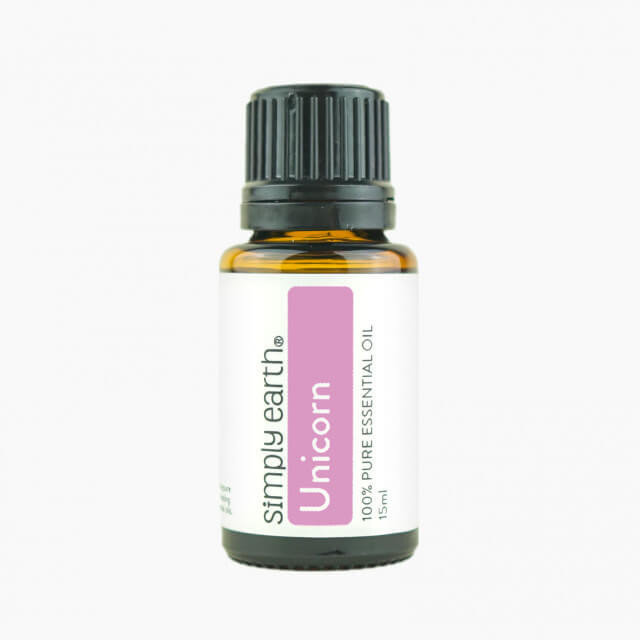
Unicorn is our sweet, fruity blend, and it is the one children ask for by name. For a lip balm that is a real advantage, because a balm that smells fun is a balm that actually gets used. It is also a good first blend for anyone making balms with kids, because the scent is forgiving and the result is reliably liked.
AROMATHERAPIST TIP
Making balms as a kids activity? Let them pick between Unicorn and sweet orange. Both are hard to get wrong.
TRY IT IN

Lip-Safety Comparison Table
Every oil on this page, and the one thing worth knowing about each before you use it
| The Oil | Best For | What to Know Before It Touches Your Lips |
|---|---|---|
| Amyris | A calm, grounded balm | Steam distilled and well tolerated at 1% or less |
| Cedarwood (Himalayan) | A warm everyday balm | Steam distilled and well tolerated at 1% or less |
| Clary Sage | A soothing, herbal balm | Commonly avoided during pregnancy. Label your gift balms |
| Chamomile (German) | Sensitive, chapped lips | Will tint the balm blue-green. Add one drop at a time |
| Chamomile (Roman) | The mildest option | Steam distilled and well tolerated at 1% or less |
| Geranium | Dry, dull-looking lips | Steam distilled and well tolerated at 1% or less |
| Grapefruit (Pink) | A fresh, uplifting balm | Cold pressed, so phototoxic. Keep at or under 1% |
| Organic Helichrysum | Cracked, split lips | Earthy scent. Best paired with lavender in a night balm |
| Ho Wood | A spa-like balm | Steam distilled and well tolerated at 1% or less |
| Juniper Berry | A clean winter balm | Steam distilled and well tolerated at 1% or less |
| Lavender (Bulgarian) | When you are not sure | Steam distilled and well tolerated at 1% or less |
| Lavender 40/42 | Batches that must match | Steam distilled and well tolerated at 1% or less |
| Lime | A sharp, fresh balm | Expressed from peel. The strictest citrus. Evening balms |
| Mandarin | A comforting, sweet balm | Cold pressed. Mildest of the citrus, still keep it low |
| Melissa | A luxury soothing balm | Very costly. One drop is genuinely enough |
| Myrrh | Weather-beaten lips | Steam distilled and well tolerated at 1% or less |
| Neroli | A luxurious floral balm | Steam distilled, so no sun caution despite the citrus scent |
| Orange (Sweet) | An easy crowd-pleaser | Cold pressed. Fine at 1%, anchor it or it fades |
| Palmarosa | Dry, tight-feeling lips | Steam distilled and well tolerated at 1% or less |
| Peppermint (Supreme) | That cooling feeling | Menthol tingle. Easiest oil here to overdo. 2 drops per oz |
| Peru Balsam | A sweet, dessert-like balm | A documented contact allergen. Patch test first |
| Rose Geranium | A romantic, floral balm | Steam distilled and well tolerated at 1% or less |
| Spearmint | Mint without the bite | Much lower menthol. The safer mint for sensitive lips |
| Tea Tree | Blemish-prone lip edges | Potent and assertive. One drop per oz, for the lip line |
| Vetiver | A balm that lasts all day | Steam distilled and well tolerated at 1% or less |
| Beauty Within Blend | A glamorous balm, no blending | A finished blend. Treat the whole bottle as one oil at 1% |
| Bumps and Boo-Boos Blend | Sore, irritated lips | Formulated mild. The easiest blend here for sore lips |
| Good Vibes Blend | A morning pick-me-up balm | Ratios already proven in our own lip balm recipe |
| Lava Blend | A bold, warming balm | Spice notes can feel hot on lips. Start at one drop |
| Love Blend | A date-night balm | A complete scent on its own. Needs nothing added |
| Unicorn Blend | A fun balm for kids | Sweet and forgiving. The blend kids pick |
Get 10% Off the Best Essential Oils for DIY Lip Balm
Use code LIPBALM10 for 10% off every essential oil on this page.
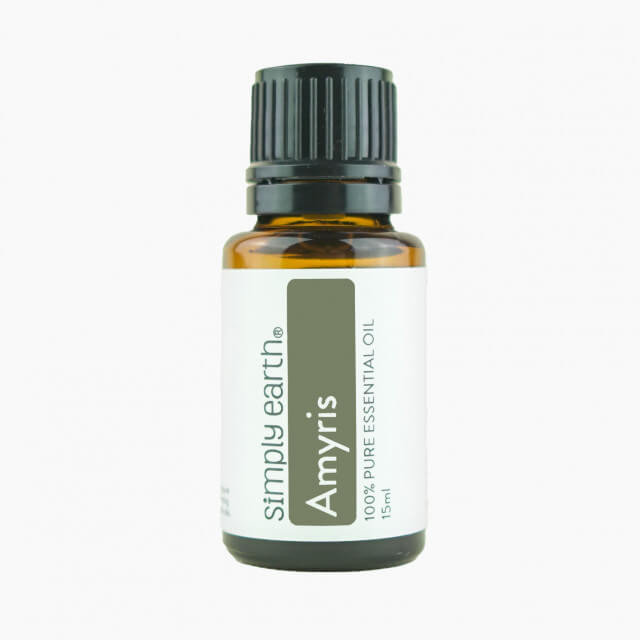
Amyris Essential Oil
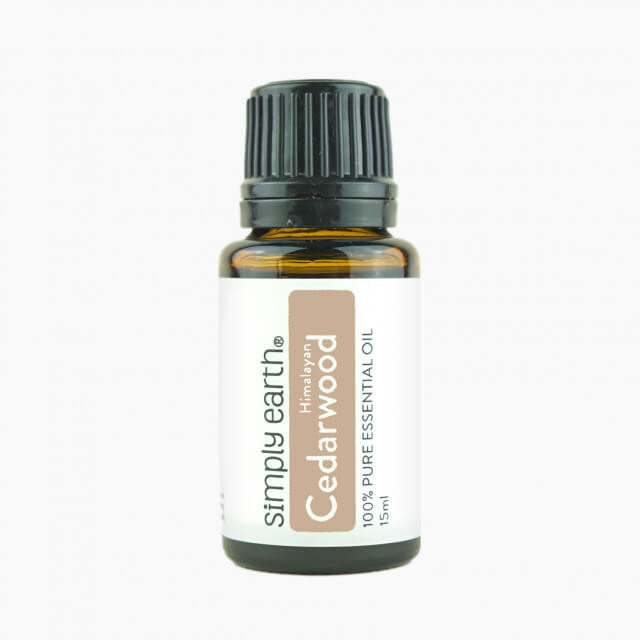
Cedarwood (Himalayan) Essential Oil
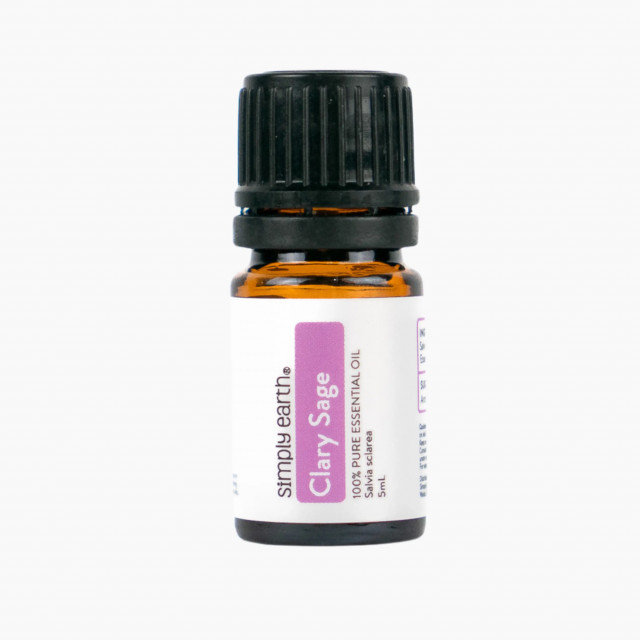
Clary Sage Essential Oil
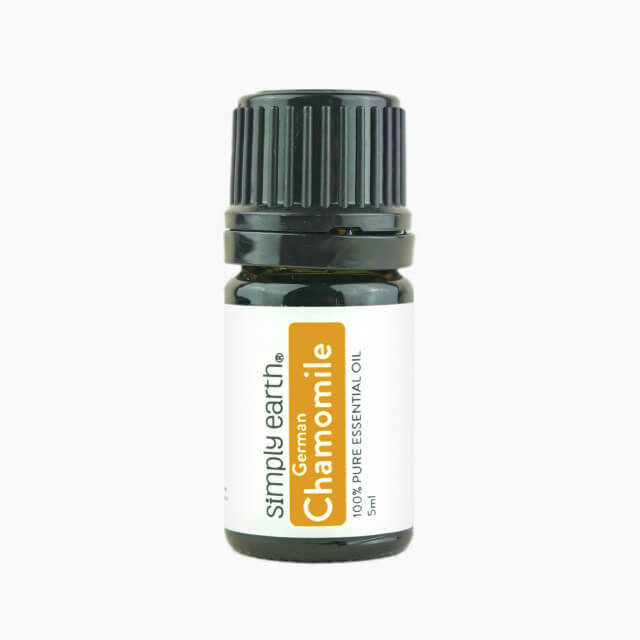
Chamomile (German) Essential Oil
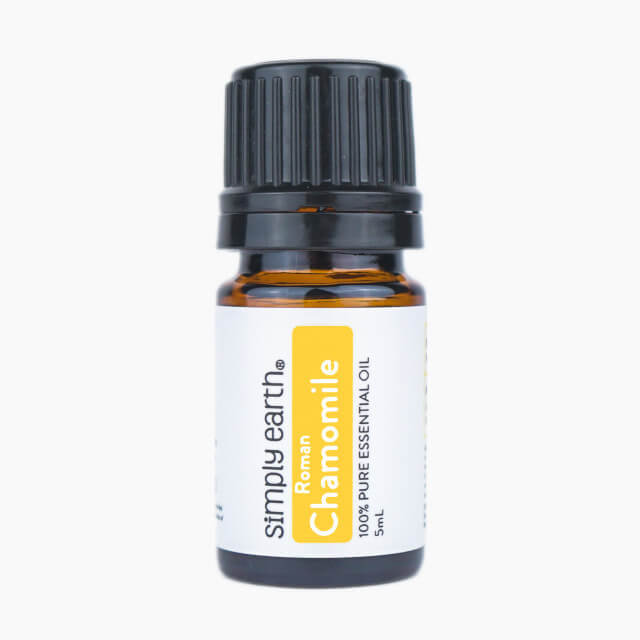
Chamomile (Roman) Essential Oil
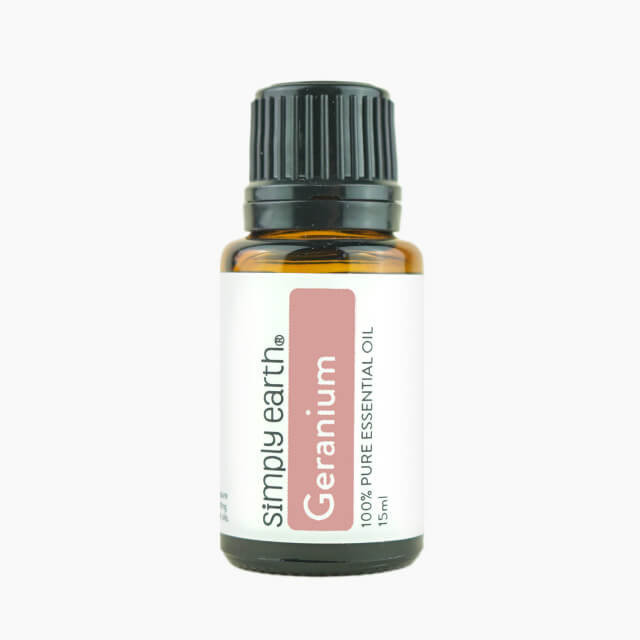
Geranium Essential Oil
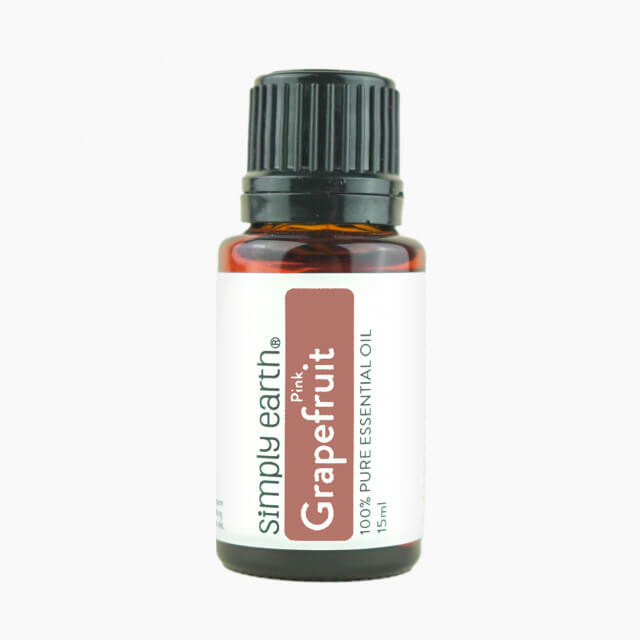
Grapefruit (Pink) Essential Oil
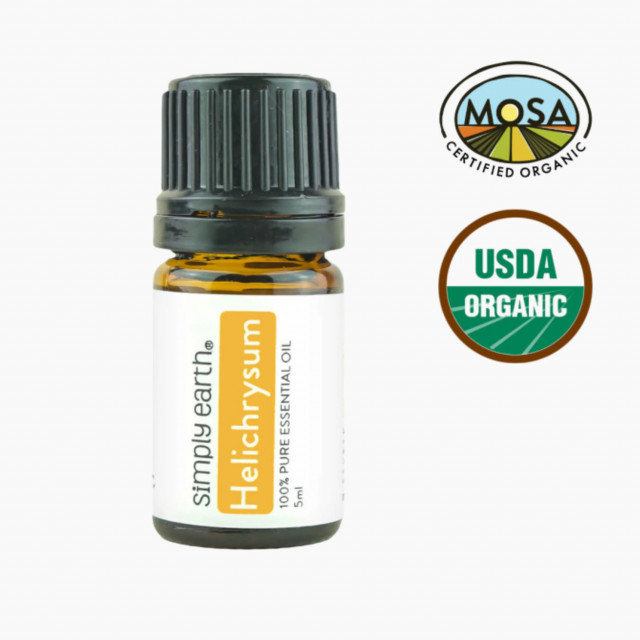
Organic Helichrysum Essential Oil
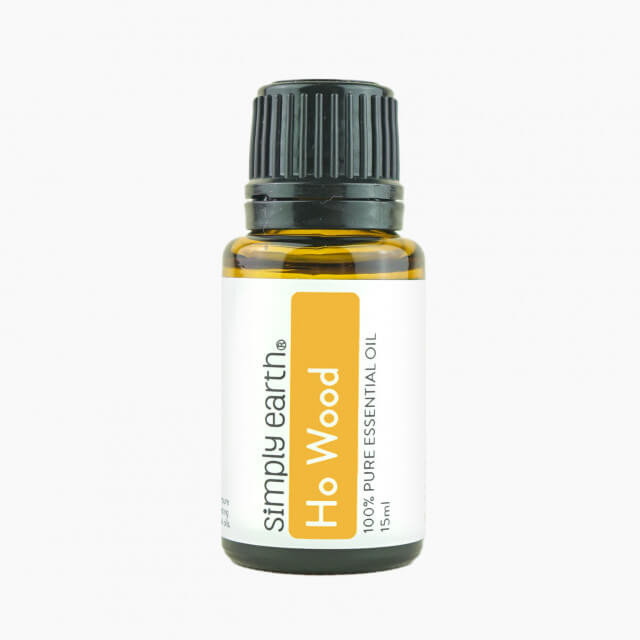
Ho Wood Essential Oil
Juniper Berry Essential Oil
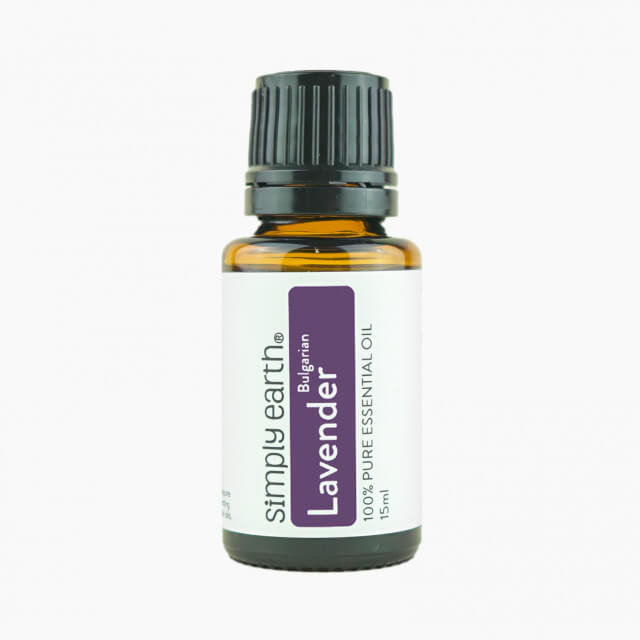
Lavender (Bulgarian) Essential Oil
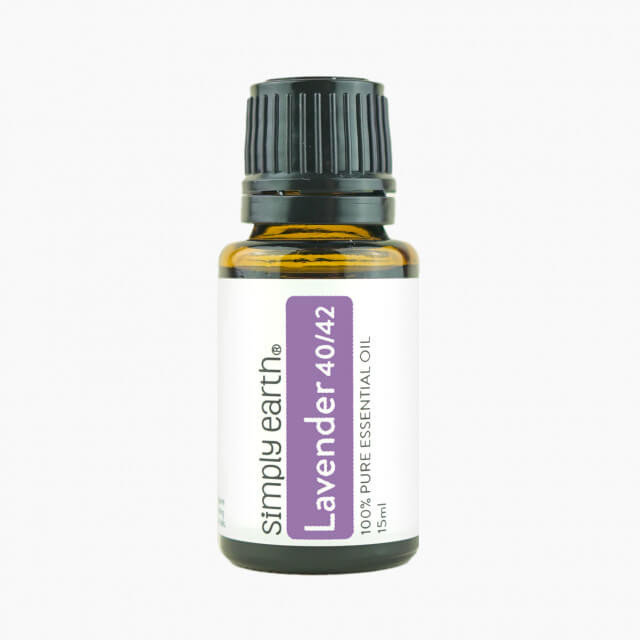
Lavender 40/42 Essential Oil
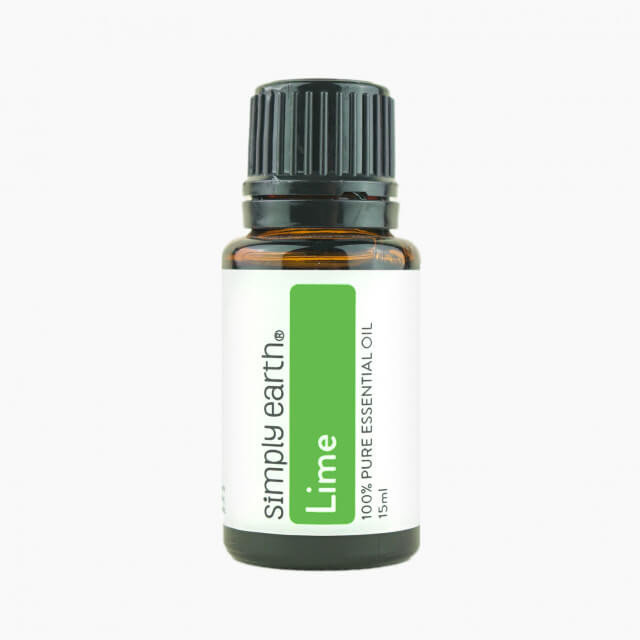
Lime Essential Oil
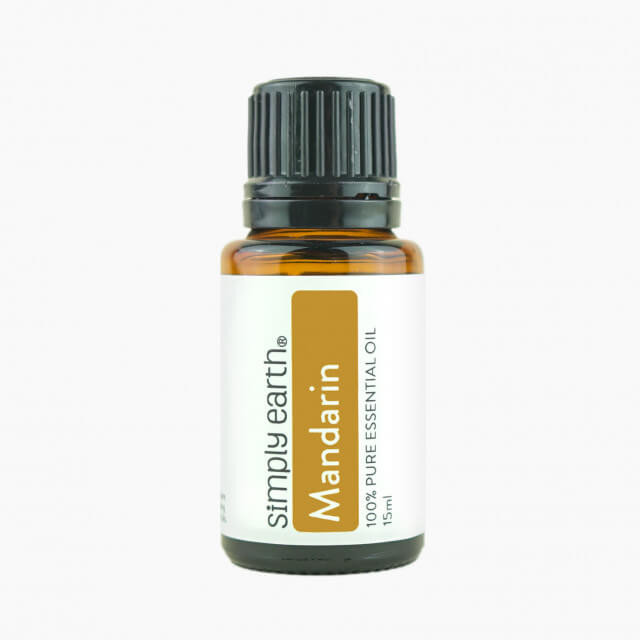
Mandarin Essential Oil
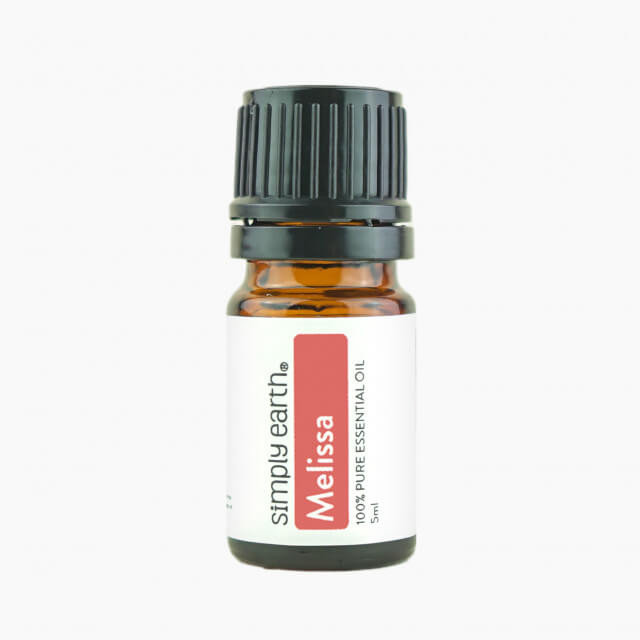
Melissa Essential Oil
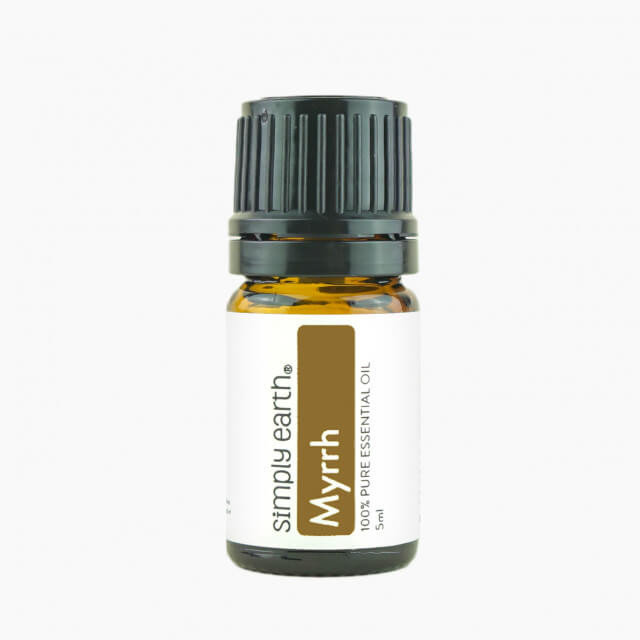
Myrrh Essential Oil
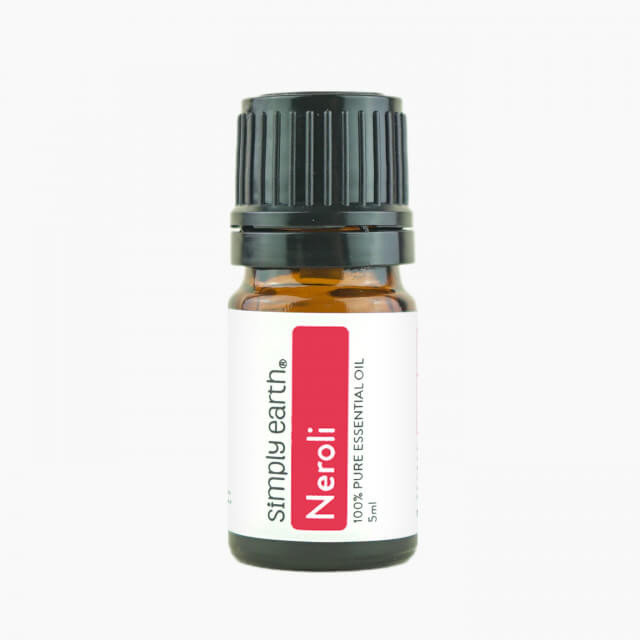
Neroli Essential Oil
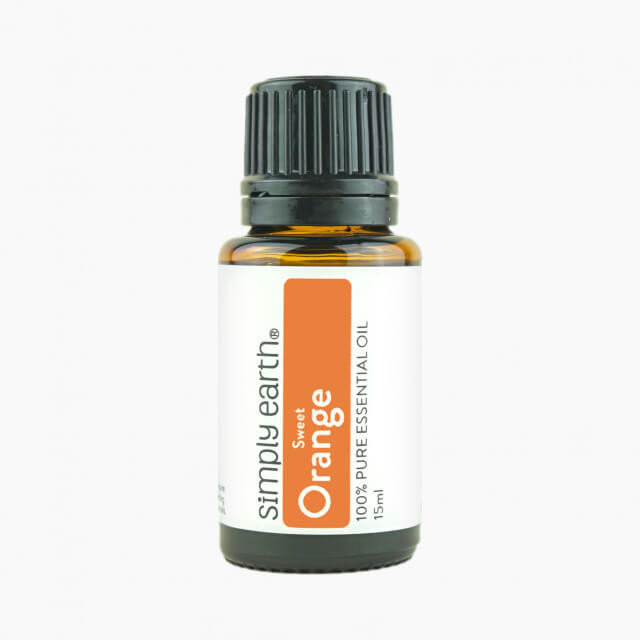
Orange (Sweet) Essential Oil
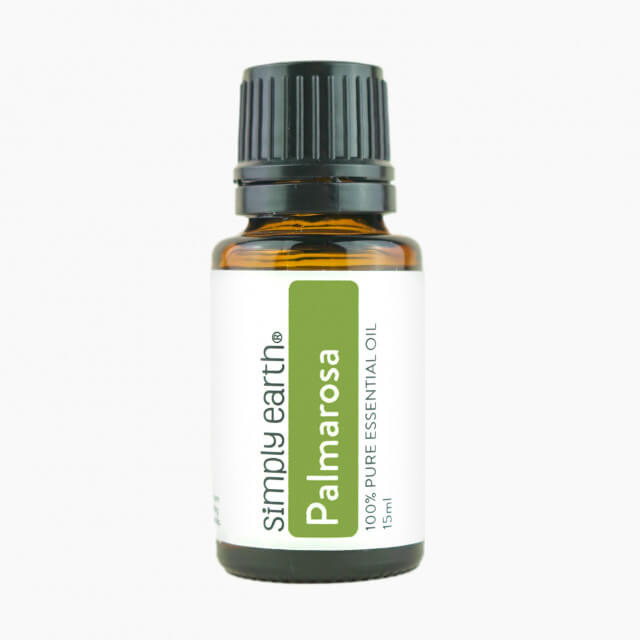
Palmarosa Essential Oil
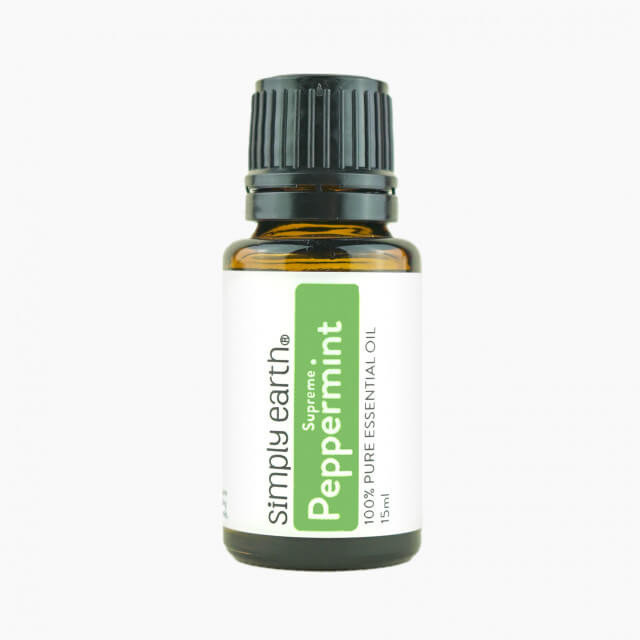
Peppermint (Supreme) Essential Oil
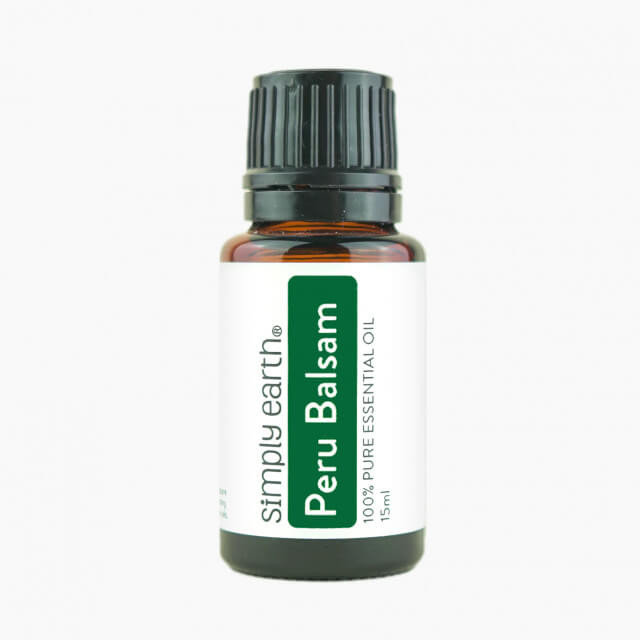
Peru Balsam Essential Oil
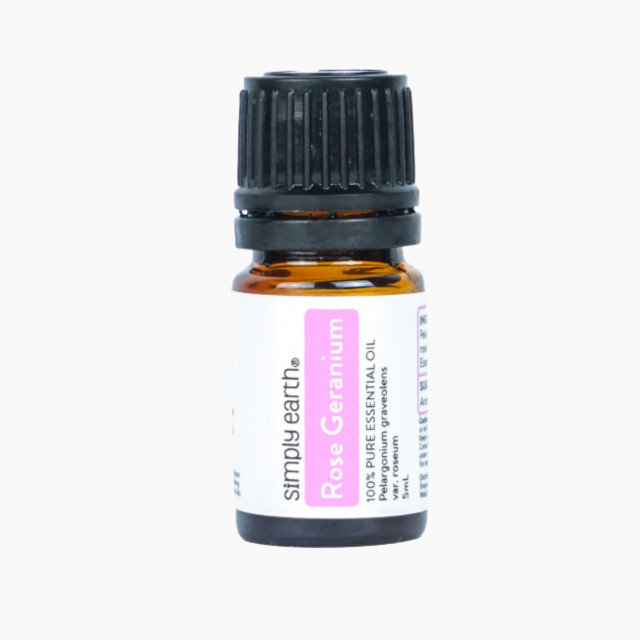
Rose Geranium Essential Oil
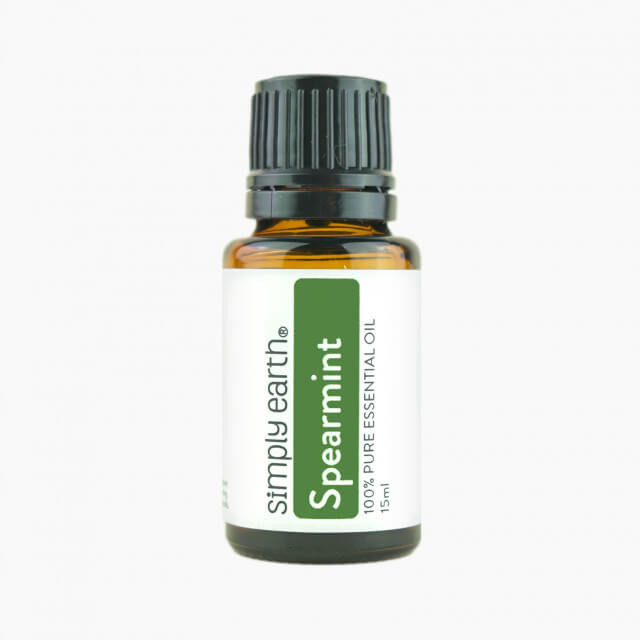
Spearmint Essential Oil

Tea Tree Essential Oil
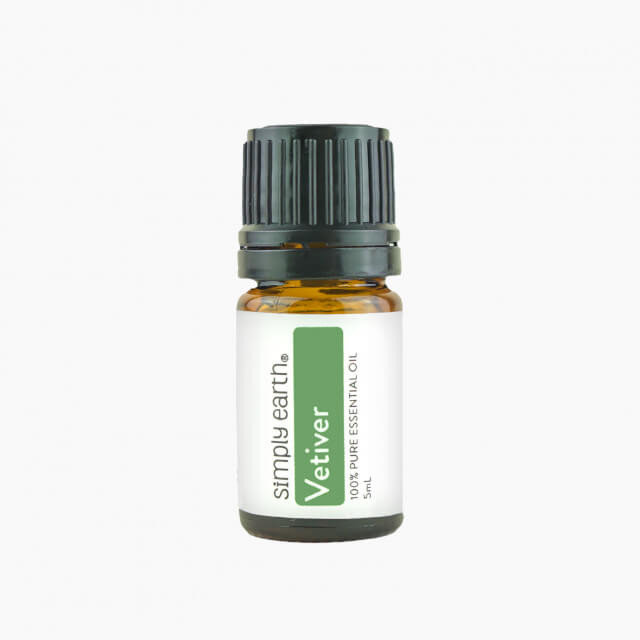
Vetiver Essential Oil
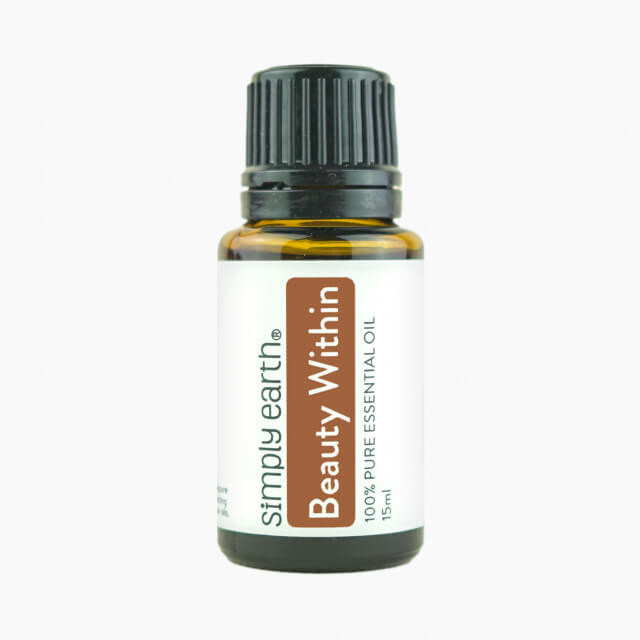
Beauty Within Essential Oil Blend

Bumps and Boo-Boos Essential Oil Blend
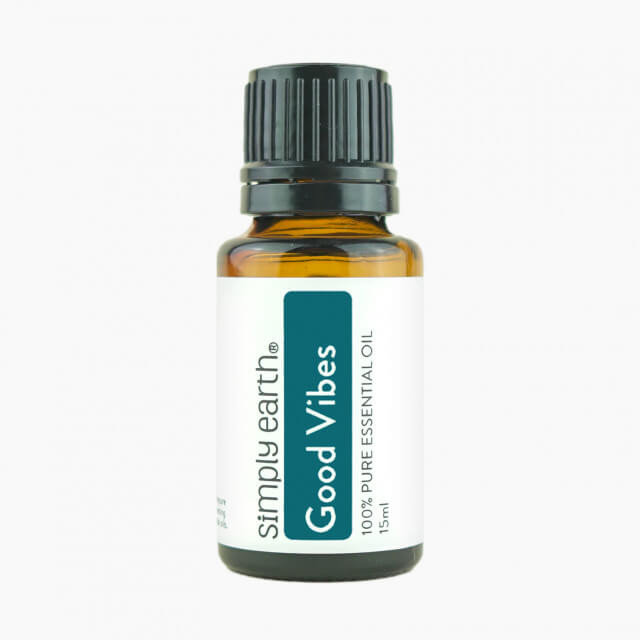
Good Vibes Essential Oil Blend
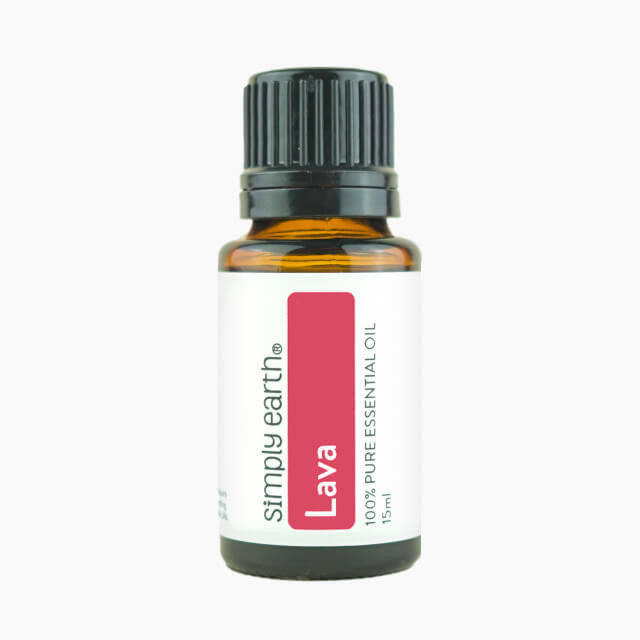
Lava Essential Oil Blend
Love Essential Oil Blend
Unicorn Essential Oil Blend
OUR SIMPLY PURE PROMISE
What Goes Into Your Products Matters
Certified 100% Pure
No fillers, no synthetics. Just pure oil.
GC/MS Third-Party Tested
Every batch independently verified.
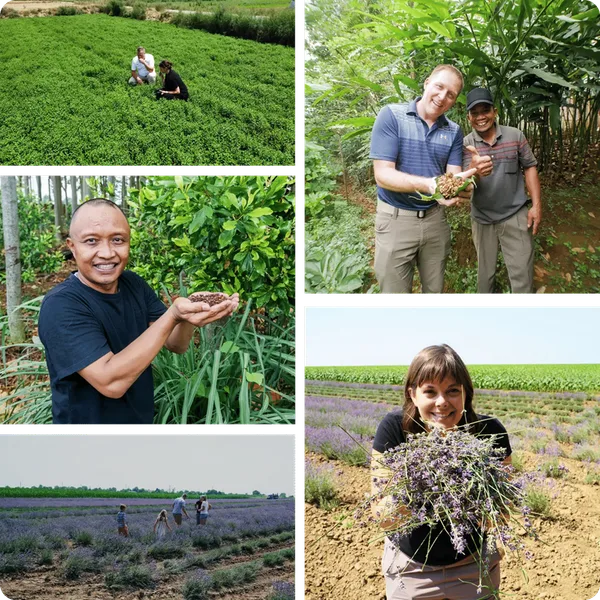
Ethically Sourced from Quality Farms
Responsibly harvested. People and planet first.
15mL
Bottle Size
MLM brands: 10mL
$9–20
Per Oil
MLM brands: $25–55+
Public
GC/MS Tests
MLM brands: Rarely
Your Order Changes Lives: 13% of profits fight human trafficking globally.
Key Takeaways
- Keep every oil at 1% or less — about 1 drop per 2 teaspoons of base, or 5–6 drops in a 1 oz batch. Lips are mucous membrane, and you swallow what you put on them.
- Lavender is the safest starting point — well tolerated, blends with everything else here, and very hard to get wrong on a first batch.
- Cold-pressed citrus needs a sun check — grapefruit, lime, mandarin and sweet orange are pressed from peel and carry a phototoxicity caution. Neroli is steam distilled, so it does not.
- Peppermint is the easiest oil to overdo — start at two drops per ounce and test before adding more. Spearmint gives the same freshness with far less menthol.
- Patch test Peru balsam — it makes one of the nicest balms here, but it is a documented contact allergen for a minority of people.
Frequently Asked Questions
The questions people actually ask before putting essential oils on their lips.
How much essential oil should I use in lip balm? +
Keep the essential oil at 1% or less of the finished balm. In practice that is roughly 1 drop per 2 teaspoons of base, or 5–6 drops in a standard 1 oz batch. Lip skin is thin and has no barrier of its own, and anything put on the lips is eventually swallowed, so this is the one place where the lower end of the dilution range is the right place to be.
Which essential oils are safe for lips? +
The gentlest options on this list are lavender, Roman chamomile, spearmint, ho wood and mandarin, all well tolerated at low dilution. Treat the cold-pressed citrus oils (grapefruit, lime, mandarin, sweet orange) with a sun caution, use peppermint and the spicy blends sparingly, and patch test Peru balsam. Anything used at 1% or less and tested on a small area first is a reasonable place to start.
Can I use peppermint oil in lip balm? +
Yes, and it is one of the most popular choices, because the cooling tingle is the menthol. It is also the oil people most often overdo. Start at two drops in a 1 oz batch, let it set, and test it before making more. If the tingle is too sharp, spearmint gives a similar freshness with far less menthol.
Are citrus essential oils safe in lip balm? +
Cold-pressed citrus oils carry a phototoxicity caution, which means they can make skin more sensitive to sunlight. Grapefruit, lime, mandarin and sweet orange are all pressed from the peel, so keep them at or under 1%, pair them with SPF, or save them for an evening balm. Neroli smells citrusy but is steam distilled from blossom, so it does not carry the same caution.
What do I actually need to make lip balm at home? +
A wax for structure (beeswax), a butter for body (shea or cocoa), a liquid carrier oil (coconut, almond or jojoba), containers, and the essential oil. Melt the wax, butter and carrier together, take the mixture off the heat, stir in the essential oil last so the scent is not cooked off, then pour and let it set.
How long does homemade lip balm last? +
Shelf life follows the carrier oil rather than the essential oil, so most homemade balms are good for around six to twelve months kept out of heat and direct sun. If a balm ever smells sharp or waxy-off, the carrier has oxidised and it is time to make a fresh batch.
About the Author: Katie Veldkamp
Katie Veldkamp
Certified Aromatherapist · Co-Founder, Simply Earth
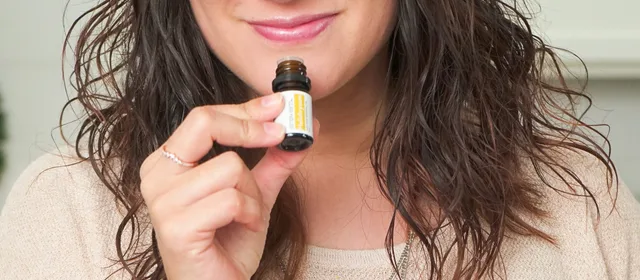
Katie got hooked on oils, then got mad at the prices. So she got certified, flew to farms, and built Simply Earth so nobody has to wonder what is really in their bottle. Over 100,000 customers later, she still writes every guide herself.
The Free Essential Oil Guide
Simply Earth's free starter guide — what each oil is for, how to dilute it, and how to use it safely at home.
- What each essential oil is for
- Safe dilution and usage basics
Join 47,000+ subscribers making healthier choices naturally.
Free. No spam. Unsubscribe anytime.