12 Best Smelling Essential Oils for Diffusers

Katie Veldkamp
Lead Certified Aromatherapist
Fact Checked & Approved
Every essential oil list tells you what an oil does. Almost none of them tell you what it actually smells like — which is the only thing that matters when you are choosing what to put in a diffuser tonight. This guide is written the other way round: twelve oils, grouped by aroma family, described by scent, and paired with the real blends we make with them.
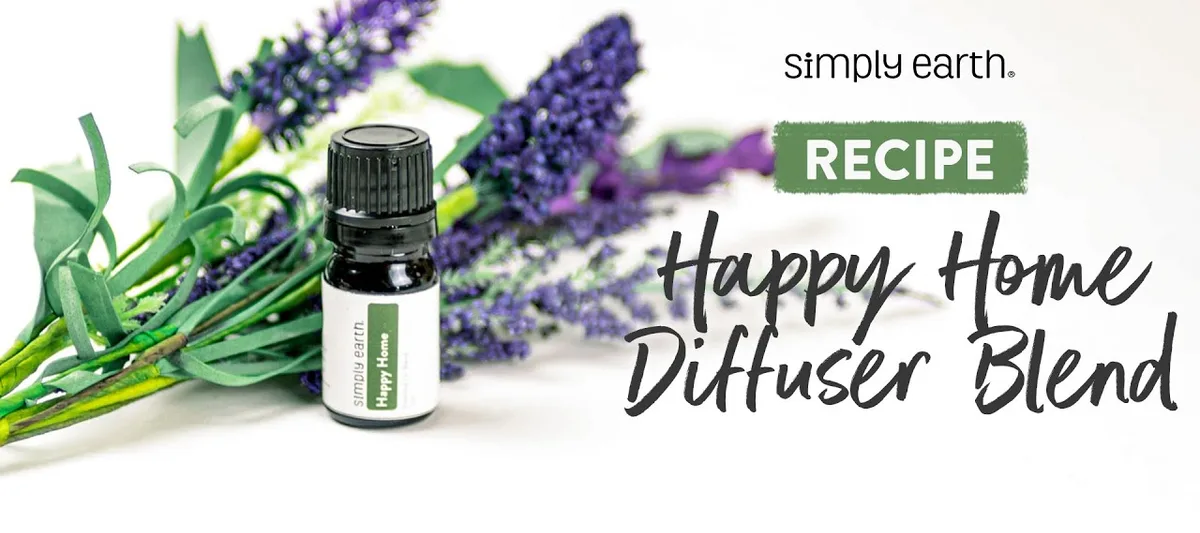
Happy Home Diffuser Blend — An Easy Way to Make Your Home Lively
Scent is the one thing you cannot look up. Two oils can do almost the same job and smell nothing alike, and the difference between a blend you love and a blend you quietly turn off is almost never about quality — it is about whether the oils belong to aroma families that get along.
Perfumers sort scent into families, and the same shorthand works for a home diffuser. Floral oils are soft and sweet. Citrus oils are bright and fast. Earthy and woodsy oils are grounding and slow. Herbal oils read as green and clean. Spicy oils are warm and loud. Minty oils are cold and sharp. Musky and resinous oils are deep and smoky.
The practical rule that falls out of this: blend across families, not within them. Three florals together smell like one muddy floral. A floral, a citrus and a wood smell like a perfume. Below are the twelve best-smelling oils for a diffuser, what each one really smells like, and what to put it next to.
THE DIFFUSER SCENT SERIES
STEP 01
Best Smelling Oils

STEP 02 · COMING SOON
Diffuser Blend Recipes

STEP 03 · COMING SOON
Diffuser Care

STEP 04 · COMING SOON
Master Guide

In this Guide
Free Guide
Get the free Essential Oil Guide
One page. Fridge-ready. Free.
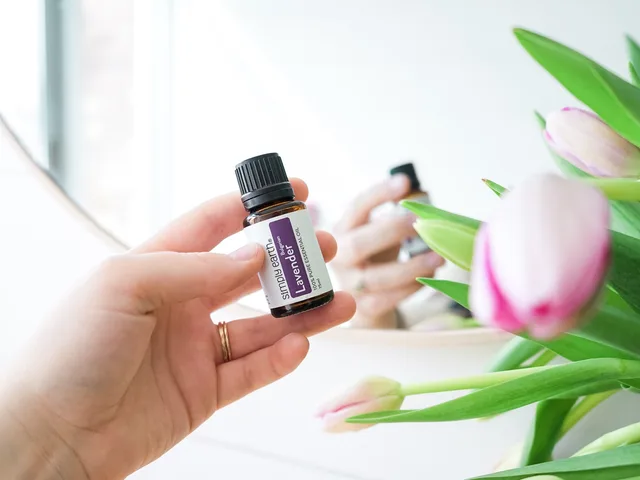
BEST FOR: SOFT FLORAL · EVENINGS
Lavender is the scent most people picture when they think "essential oil" — soft, powdery and faintly sweet, with a green herbaceous edge that stops it turning perfumey. It is the easiest oil here to live with, which is why it belongs in an evening diffuser more than a morning one. It also blends with almost anything: citrus sharpens it, woods deepen it, and other florals round it out.
AROMATHERAPIST TIP
Lavender is a diffuser peacemaker. If a blend you mixed smells too sharp or too loud, add one drop of Lavender — it softens the edges without taking the blend over.


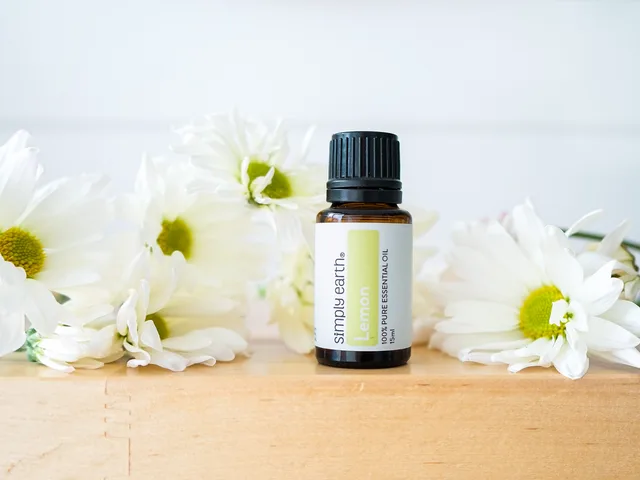
BEST FOR: FRESH CITRUS · MORNINGS
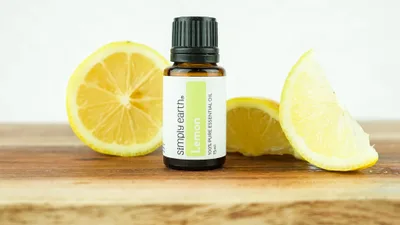
Lemon smells exactly like the fruit's rind — bright, clean and a little sugary, with none of the sourness you might expect. It is the fastest way to make a room read as just-cleaned, and it lifts a heavy blend the moment you add it. Citrus oils are also the lightest molecules in a diffuser, so Lemon arrives first and fades first.
AROMATHERAPIST TIP
Because Lemon fades fastest, add it last and add one drop more than feels right. Pair it with a woody or spicy oil that lingers and the blend opens bright, then finishes warm.


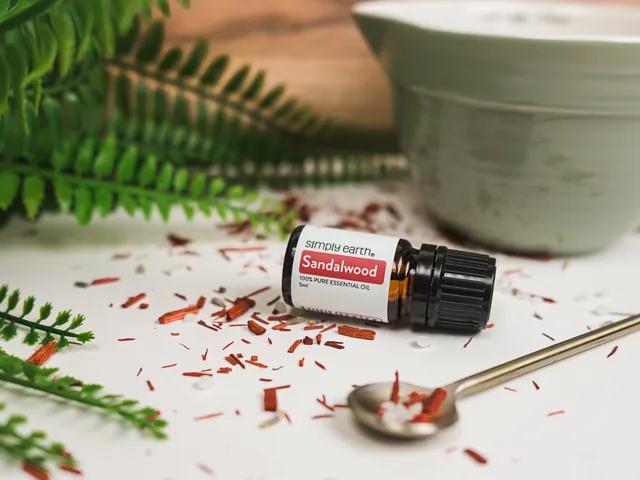
BEST FOR: CREAMY WOOD · GROUNDING
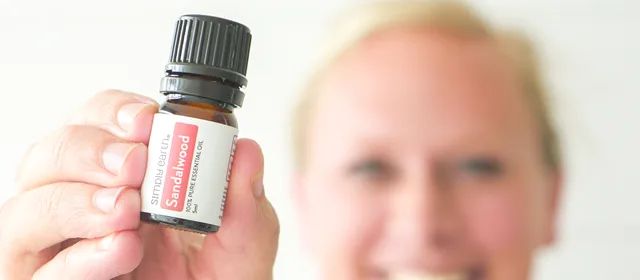
Sandalwood is soft, creamy and milky rather than sharp — closer to warm skin than to a forest. It is the deepest-sitting scent on this list, which means you barely notice it on its own and immediately miss it once it is gone. In a diffuser it behaves as a base note, holding lighter oils in the room far longer than they would last alone.
AROMATHERAPIST TIP
Sandalwood is expensive, so do not lead with it. One drop underneath three or four drops of a floral or a citrus makes the whole blend smell more expensive than it is.


BEST FOR: WARM SPICE · COLD MONTHS
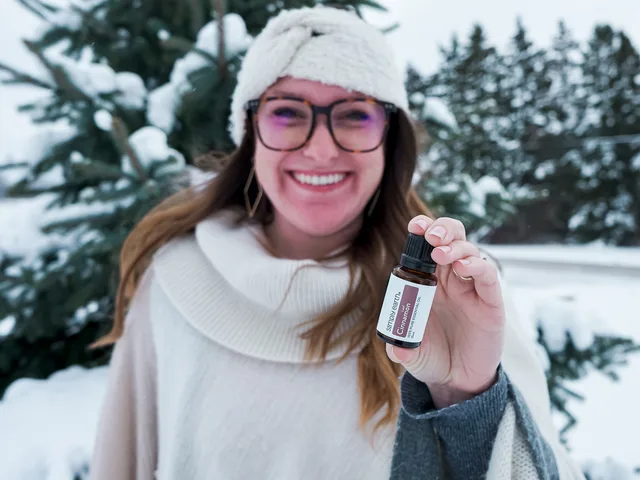
Simply Earth sells Cinnamon Leaf rather than Cinnamon Bark, and the difference matters to your nose — leaf is warmer, rounder and more clove-like, where bark is sharper and closer to red-hot-candy. Diffused, it smells like baking rather than potpourri. It is a strong oil, and a single drop too many will take over a room.
AROMATHERAPIST TIP
Cinnamon is the loudest oil on this list. Start with one drop against three or four of something else. If all you can smell is cinnamon, you have already used too much.
TRY IT IN →

BEST FOR: SHARP MINT · MORNINGS
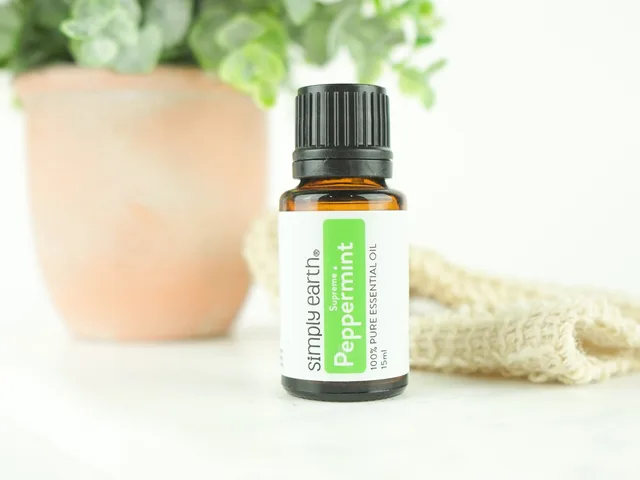
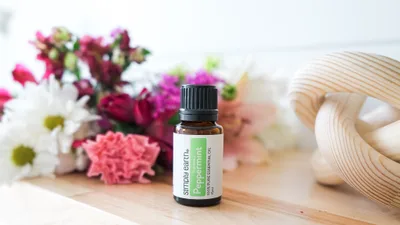
Peppermint is cold, sharp and unmistakable — it reads as clean the way toothpaste does, and it genuinely changes how warm a room feels. It is the most polarising oil here: people either want it first thing in the morning or find it too clinical. It also travels further through a room than almost anything else on this list.
AROMATHERAPIST TIP
Peppermint on its own can smell medicinal. One drop of Lemon or Cardamom alongside it rounds it into something you would actually want in a kitchen.


BEST FOR: CITRUS + FLORAL · ANY TIME
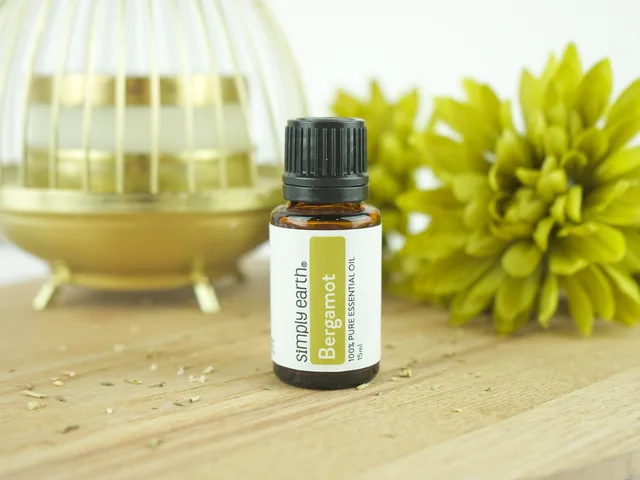
Bergamot is the citrus that does not smell like fruit juice. It has Lemon's brightness with a soft, almost tea-like floral body underneath — this is the scent that makes Earl Grey smell like Earl Grey. It is the most versatile oil on this list, sitting just as comfortably in a morning blend as an evening one.
AROMATHERAPIST TIP
If you only buy one citrus for diffusing, make it Bergamot. It does what Lemon does and then keeps going, because the floral half is heavier than the citrus half and lasts longer in the room.


BEST FOR: RICH FLORAL · EVENINGS
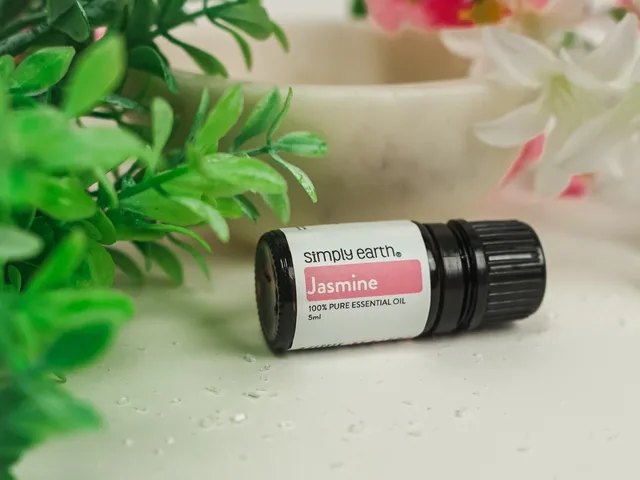
Jasmine is intense — sweet, heady, almost fruity, with a green note underneath that stops it becoming cloying. It is the most perfume-like scent here and the least forgiving: one drop too many and the room reads as a department store counter. Used carefully, nothing else creates the same sense of occasion.
AROMATHERAPIST TIP
Treat Jasmine as an accent, never a base. One drop in a blend of four or five is plenty, and it will still be the note people comment on.


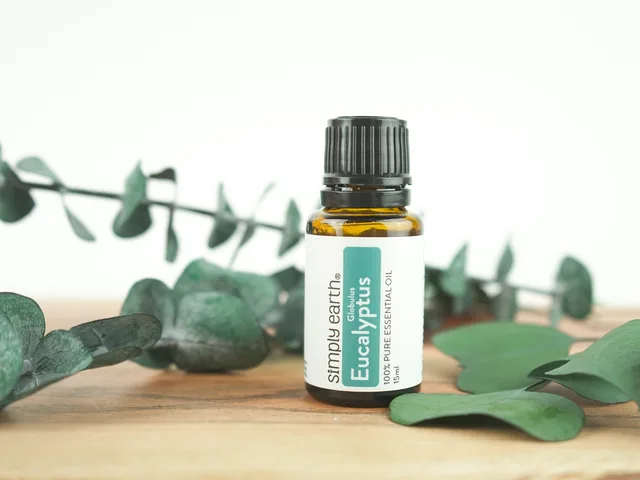
BEST FOR: CRISP HERB · BATHROOMS
Eucalyptus smells crisp and slightly camphorous — green, cool and just medicinal enough that most people read it as clean rather than clinical. The Globulus type Simply Earth sells is the sharper of the eucalyptus varieties. This is the oil to reach for when a room smells stale, rather than when you want it to smell pretty.
AROMATHERAPIST TIP
Eucalyptus belongs in a bathroom or a stuffy room, not a dining room. Diffuse it with Lemon for a genuinely fresh-smelling space, or with Peppermint if you want the room to feel colder than it is.


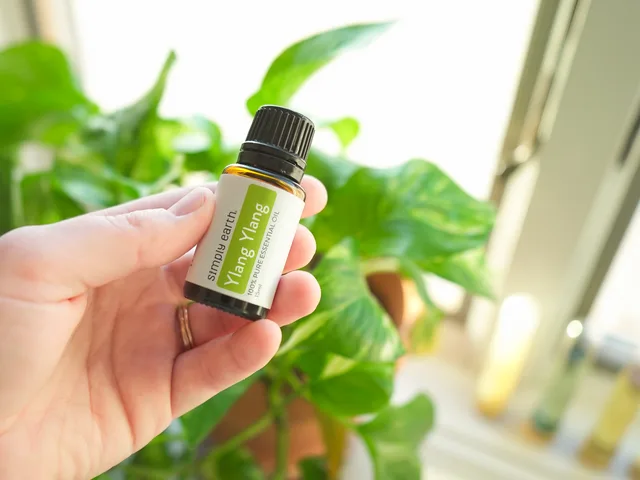
BEST FOR: SWEET FLORAL · EVENINGS
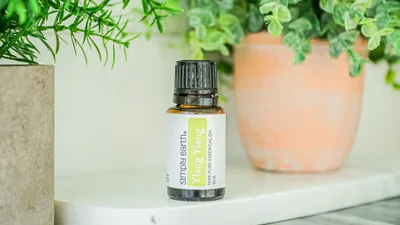
Ylang Ylang is lush, banana-sweet and creamy — the most tropical thing on this list and much sweeter than most people expect. It sits somewhere between Jasmine's intensity and Lavender's softness. On its own it can read as too sweet; against a wood or a citrus it turns warm and enveloping instead.
AROMATHERAPIST TIP
Ylang Ylang and Bergamot is the easiest expensive-hotel blend you can make — two drops of Ylang Ylang under three drops of Bergamot.


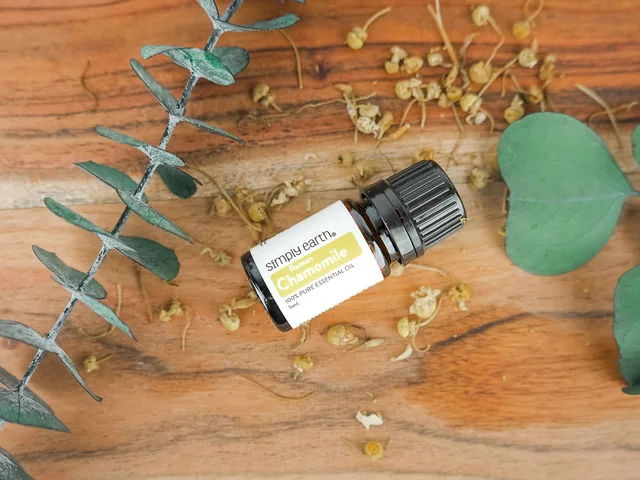
BEST FOR: SWEET HERB · WIND-DOWN
Roman Chamomile does not smell like chamomile tea. It is sweeter and fruitier than that — closest to a green apple, with a hay-like herbal edge behind it. It is the subtlest scent on this list and the one most likely to disappear entirely if you blend it with anything loud. Simply Earth also sells German Chamomile, which is deeper and far more herbaceous.
AROMATHERAPIST TIP
Roman Chamomile is easy to waste. Diffuse it alone, or with one soft partner like Lavender. Put it next to Peppermint or Clove and you will not be able to find it at all.
TRY IT IN →

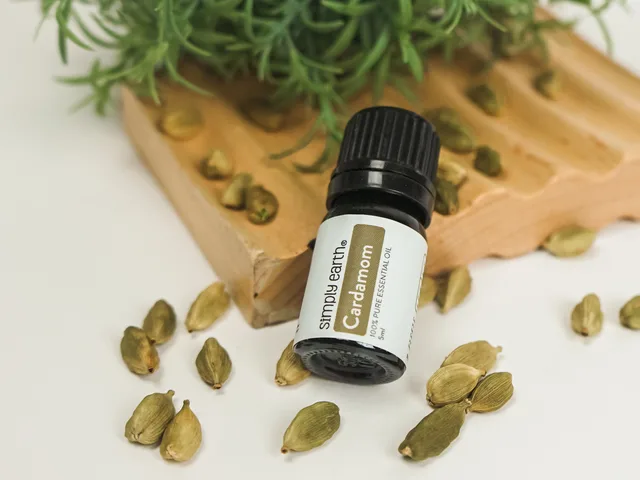
BEST FOR: WARM SPICE · GATHERINGS
Cardamom is the oil people cannot place and always ask about — warm and spicy like cinnamon, but with a bright, almost eucalyptus-like lift on top that keeps it fresh instead of heavy. It is the most interesting scent here and by far the least common in a home diffuser.
AROMATHERAPIST TIP
Cardamom is the bridge oil. It links citrus to spice, so if a blend feels like two halves that never quite meet, one drop of Cardamom usually joins them.


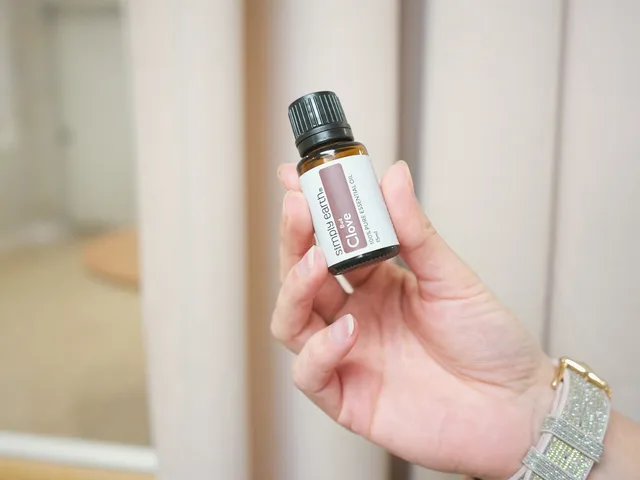
BEST FOR: RICH SPICE · COLD MONTHS
Clove is deep, warm and slightly sweet, with a dry woody edge — the smell of studded oranges and mulled wine. It is heavier and less sharp than Cinnamon, and it lingers considerably longer in a room. Like Cinnamon, it is a strong oil that rewards restraint.
AROMATHERAPIST TIP
Clove and a sweet citrus is the shortest route to a room that smells like the holidays. Keep Clove to one drop against three of citrus, or it will flatten everything else in the blend.


Scent and Pairing Chart
All twelve oils by aroma family, and what each one is actually for
| The Oil | Aroma Group | Reach For It When |
|---|---|---|
| Lavender | Floral | Evenings — softens any blend that has turned too sharp |
| Lemon | Citrus | Mornings — makes a room read as just-cleaned |
| Sandalwood | Earthy / Woodsy | A base note that makes lighter oils last longer |
| Organic Cinnamon Leaf | Spicy | Cold months — one drop, never more |
| Peppermint | Minty | Mornings and stuffy rooms — travels furthest |
| Bergamot | Citrus + Floral | Any time — the most versatile of the twelve |
| Jasmine | Floral | Evenings and occasions — an accent, never a base |
| Eucalyptus | Herbal | Bathrooms and rooms that smell stale |
| Ylang Ylang | Floral | Evenings — sweet and tropical, needs a partner |
| Roman Chamomile | Floral / Herbal | Wind-down — diffuse alone or with Lavender only |
| Cardamom | Spicy | Gatherings — bridges citrus and spice |
| Clove | Spicy | Holidays — heavier and longer-lasting than Cinnamon |
Get 10% Off the Best Essential Oils for Diffusers
All twelve oils on this page, in the order you just read them — 10% off with code DIFFUSE10 at checkout.
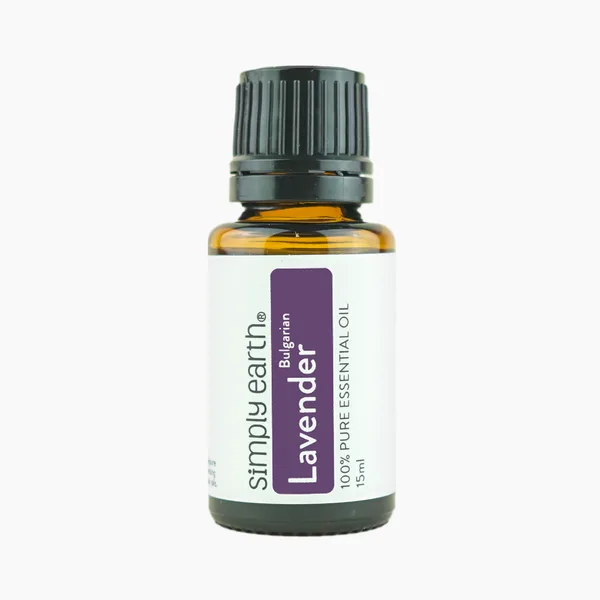
Lavender Essential Oil
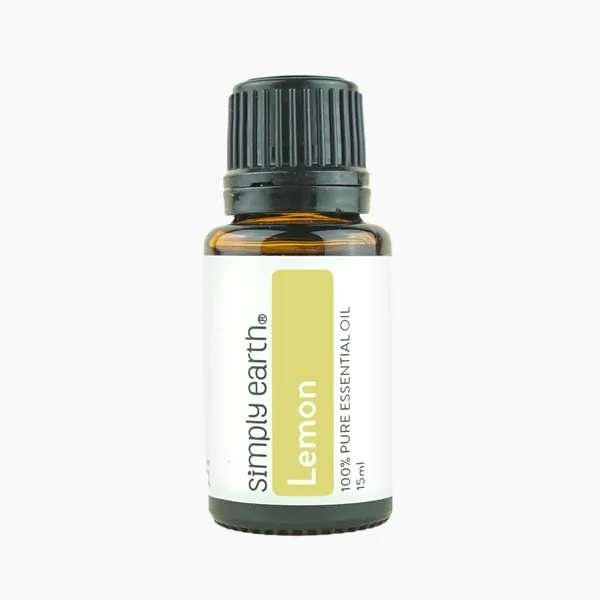
Lemon Essential Oil
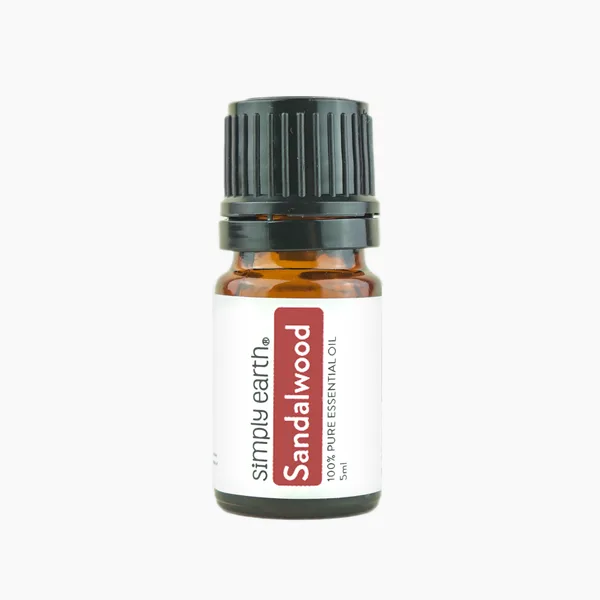
Sandalwood Essential Oil
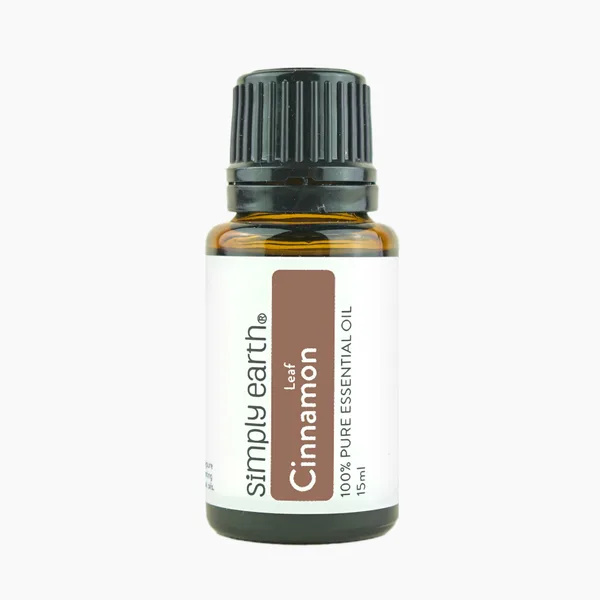
Organic Cinnamon Leaf Essential Oil
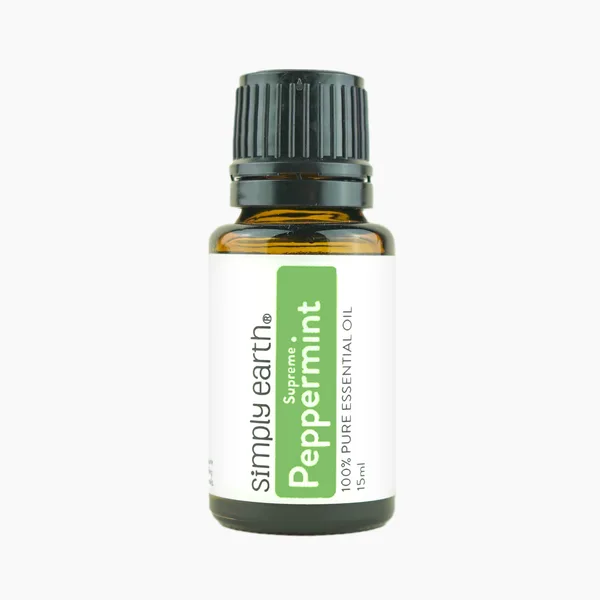
Peppermint Essential Oil
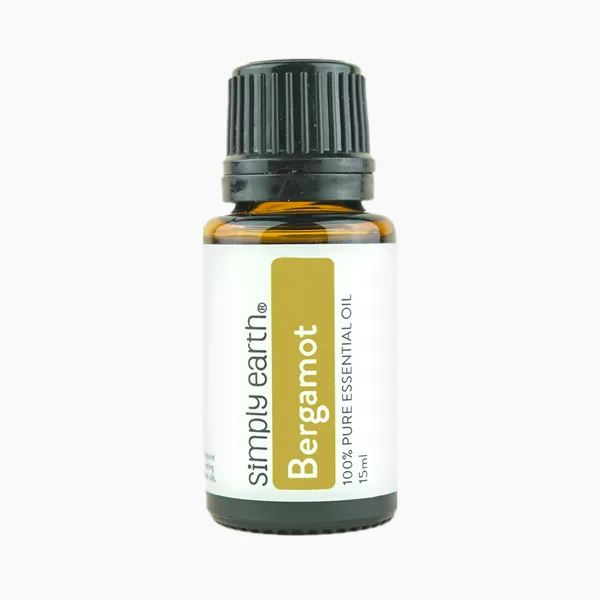
Bergamot Essential Oil
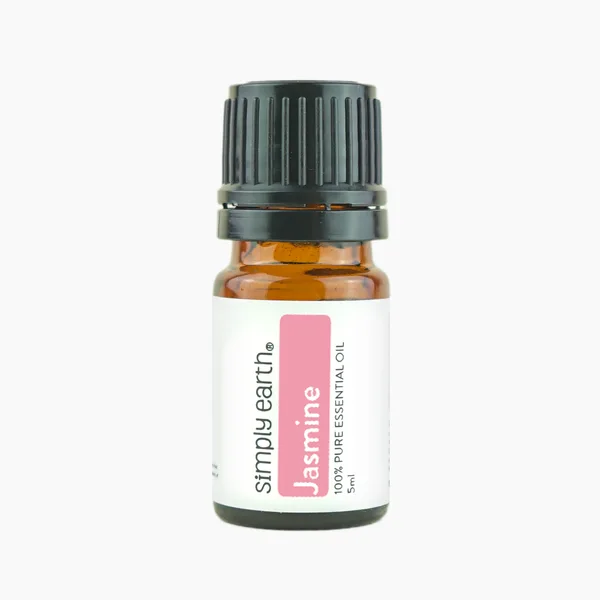
Jasmine Essential Oil
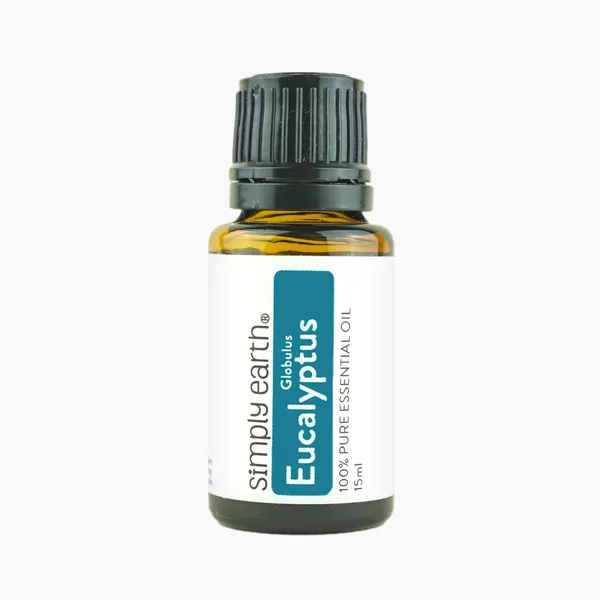
Eucalyptus (Globulus) Essential Oil
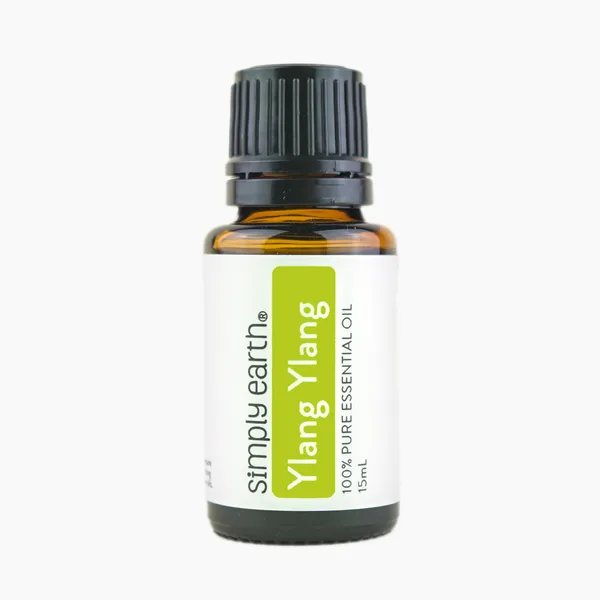
Ylang Ylang Essential Oil
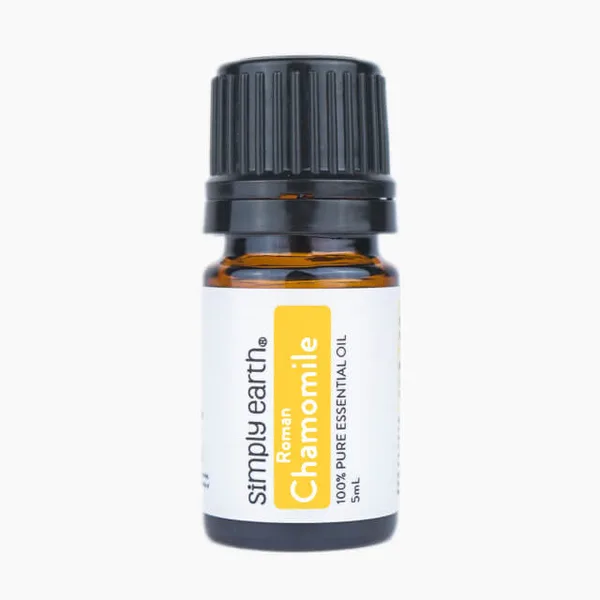
Roman Chamomile Essential Oil
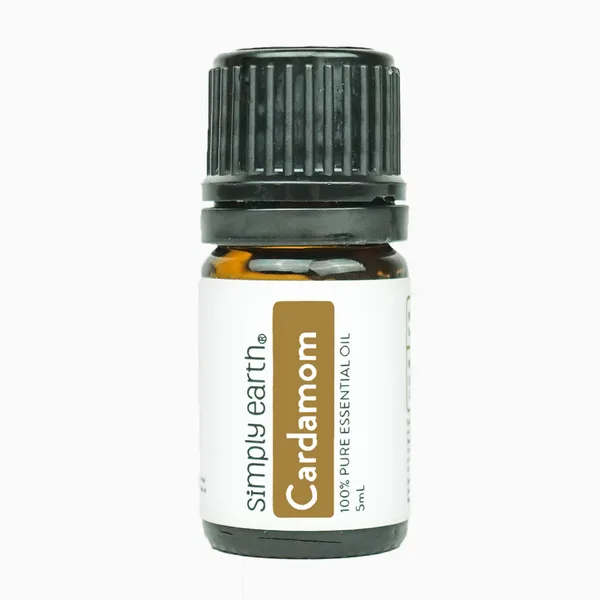
Cardamom Essential Oil
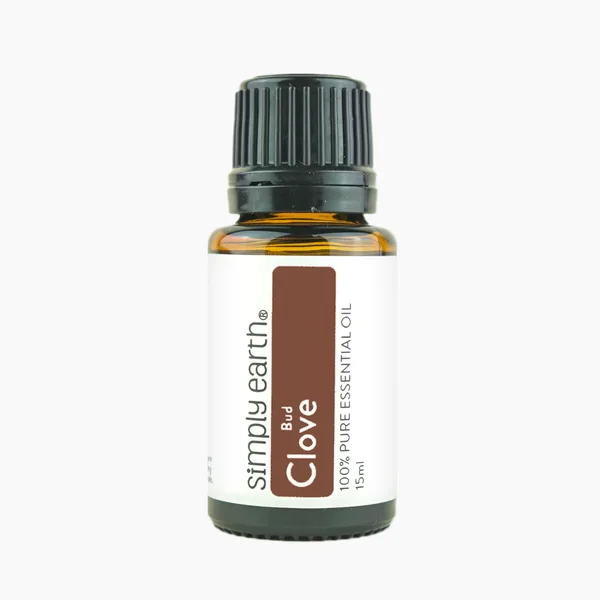
Clove Essential Oil
OUR SIMPLY PURE PROMISE
What Goes Into Your Diffuser Matters
Certified 100% Pure
No fillers, no synthetics. Just pure oil.
GC/MS Third-Party Tested
Every batch independently verified.
Ethically Sourced from Quality Farms
Responsibly harvested. People and planet first.
100%
Pure Oil
No fillers or synthetics
Public
GC/MS Tests
Every batch, third-party
13%
Of Profits Donated
To fight human trafficking
Your Order Changes Lives: 13% of profits fight human trafficking globally.

Key Takeaways
- Match the oil to the time of day — citrus and mint in the morning, florals and woods in the evening. Most disappointing diffuser blends are the right oil at the wrong hour.
- Blend across aroma groups, not within them — three florals together smell like one muddy floral. A floral, a citrus and a wood smell like a perfume.
- Strong oils go in last, one drop at a time — Cinnamon, Clove and Peppermint will take over a blend. Build on the soft oils and add the loud ones sparingly.
- Citrus fades first, woods last longest — if your blend disappears after twenty minutes it needed a base note like Sandalwood, not more citrus.
Frequently Asked Questions
The questions people actually ask about making a room smell good with essential oils.
What is the best smelling essential oil for a diffuser? +
Lavender is the safest answer — it is the scent most people already recognise and like, and it blends with nearly everything. If you want something less expected, Bergamot is the most versatile oil on this list, and Cardamom is the one guests most often ask about.
Which essential oils smell good together in a diffuser? +
Blend across aroma families rather than within them. Bergamot with Ylang Ylang, Lemon with Peppermint, Clove with a sweet citrus, and Lavender with Roman Chamomile are four reliable starting points. Three oils from the same family usually cancel each other out into something muddy.
How many drops of essential oil should I put in my diffuser? +
Start with about five drops and adjust from there. A smaller 80mL diffuser needs fewer drops than a 200mL tank, and strong oils like Peppermint, Clove and Cinnamon carry much further than soft ones like Roman Chamomile — so the same number of drops will not smell equally strong across oils. Add one drop at a time until the room smells right.
Which essential oils do not smell good? +
Vetiver, Fennel, Tea Tree, Oregano, Patchouli and Anise Star are the ones people most often dislike on their own — they run smoky, medicinal, liquorice-like or sharply herbal. None of them are bad oils, they are just difficult solo. Used at one drop inside a larger blend they add depth rather than dominating.
Why does my diffuser not smell strong enough? +
Usually the blend is all top notes. Citrus and mint evaporate quickly, so a blend built only from them fades within half an hour. Add a base note — Sandalwood, Clove or Cardamom — to hold the lighter oils in the room for longer. A diffuser that needs cleaning will also underperform.
Can I mix essential oils from different aroma groups? +
That is exactly what you should do. Florals, citruses, woods, herbs, spices and mints are designed to contrast, and the most interesting diffuser blends usually pair a bright oil with a deep one. The pairing chart above shows which group each of these twelve oils belongs to.
How long should I run my diffuser? +
Most people run a diffuser in intervals rather than continuously — your nose stops registering a scent after roughly twenty to thirty minutes anyway, so running it in bursts uses less oil and keeps the scent noticeable. Many Simply Earth diffusers have an intermittent setting built in for this reason.

About the Author: Katie Veldkamp
Katie Veldkamp
Certified Aromatherapist · Co-Founder, Simply Earth
Katie got hooked on oils — then got mad at the prices. So she got certified, flew to farms, and built Simply Earth so nobody has to wonder what's really in their bottle. Over 100,000 customers later, she still writes every guide herself.
The Free Essential Oil Guide
Simply Earth's free starter guide — what each oil is for, how to dilute it, and how to use it safely at home.
- What each essential oil is for
- Safe dilution and usage basics
Join 47,000+ subscribers making healthier choices naturally.
Free. No spam. Unsubscribe anytime.