20 Best Essential Oils for Children

Katie Veldkamp
Lead Certified Aromatherapist
Fact Checked & Approved
"Natural" and "safe for my kid" are not the same sentence. A toddler's skin is thinner, their airways are narrower, and their body processes aromatic compounds more slowly than yours does — so the oil you happily wear on your wrists can be the wrong call in a nursery. Below are twenty oils Simply Earth's aromatherapists consider appropriate for children, grouped by the age they become suitable, with a real dilution rate, a real recipe for each one, and an explicit list of the oils to keep away from young children entirely.
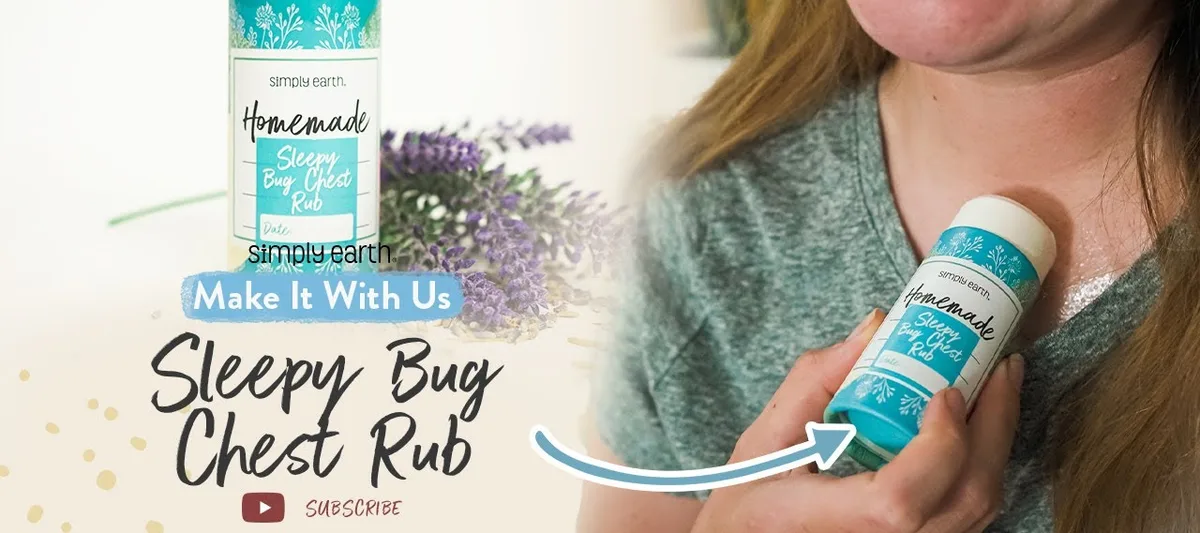
Kid-Safe Sleepy Bug Chest Rub With Essential Oils
Start with the number, because it is the part that gets skipped. A child's blend is not an adult blend made smaller by feel — it is a measured dilution. Simply Earth's aromatherapists work at 0.5% to 1% for children, which is roughly 3 to 6 drops of essential oil in a 30 ml (1 oz) bottle of carrier oil such as fractionated coconut or sweet almond. An adult body blend is commonly two to three times that strength. NAHA publishes general dilution and safety guidance at naha.org, and your paediatrician is the right person to ask about your own child.
Age changes the answer more than anything else on this page. Under two, the honest position is that most essential oils have no established use and the default should be none without professional guidance. From around two, gentle diffusion and heavily diluted topical blends become reasonable. From ten, the list widens considerably. Every oil below is labelled with the age Simply Earth's own kid-safe recipes use it from, so you can read this page for the child you actually have.
Two habits matter as much as the oil choice. Diffuse in short bursts — thirty minutes in a ventilated room, not all night in a closed one — and apply diluted blends to the soles of the feet, where the skin is toughest and least likely to react. And whatever the blend, patch test on a small area first and stop at the first sign of redness.
THE ESSENTIAL OILS FOR KIDS SERIES
STEP 01 · COMING SOON
Safety Basics
STEP 02
Best Oils
STEP 03 · COMING SOON
Kid-Safe Recipes
STEP 04 · COMING SOON
Master Guide
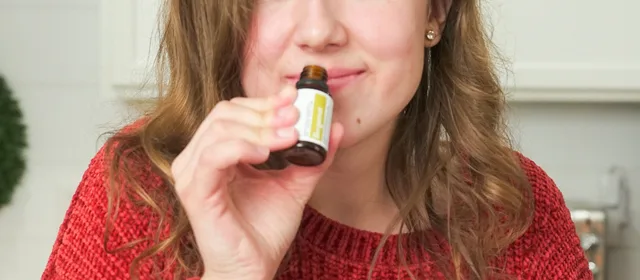
In this Guide
Free Guide
New to oils? Start with the beginner guide
What each oil is for, and how to dilute it safely.
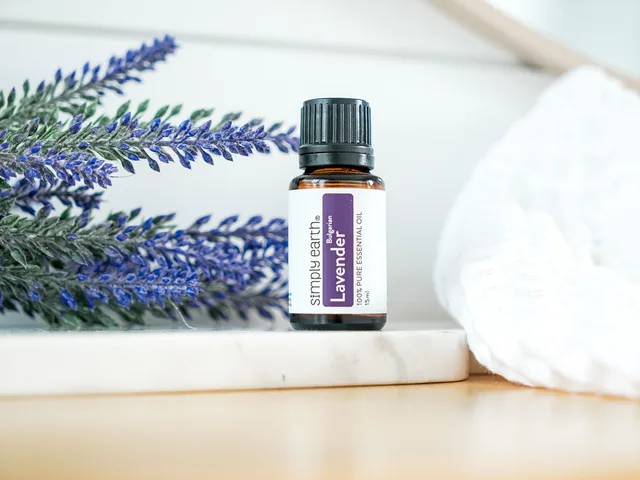
BEST FOR: BEDTIME AND SCRAPED KNEES — AGE 2+
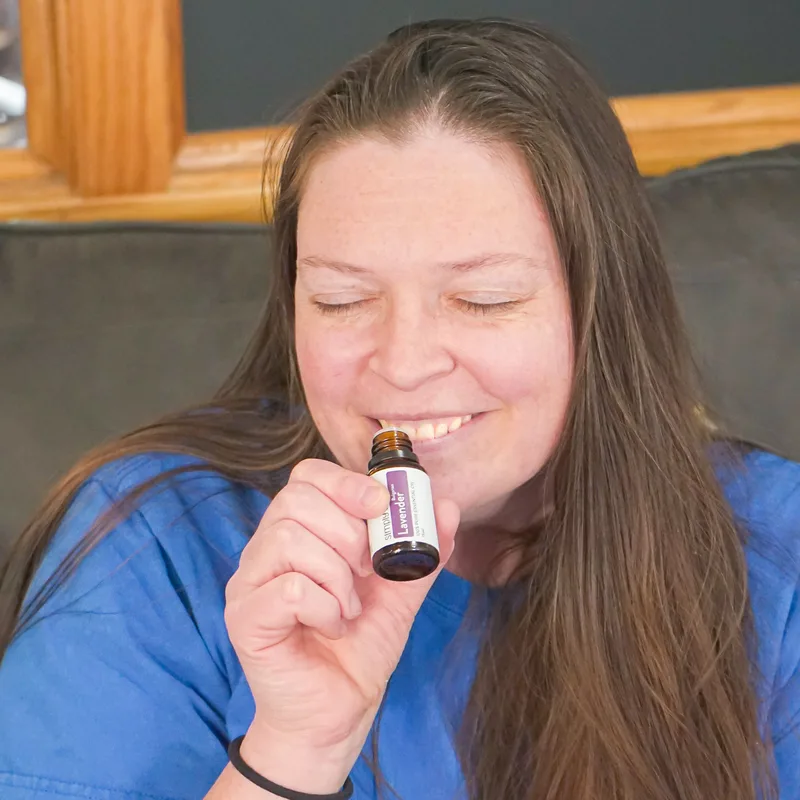
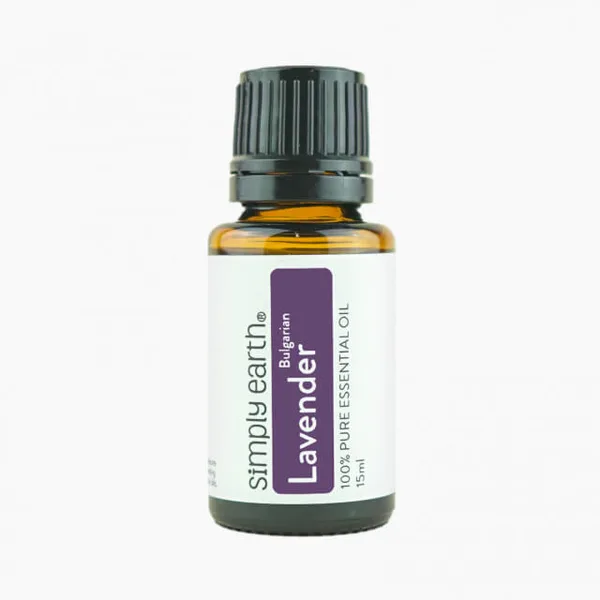
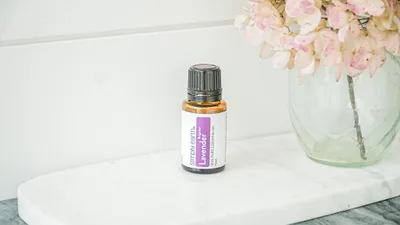
If you own one oil for a child, own this one. Lavender is the most studied and most forgiving of the gentle oils, it smells like nothing in particular to a three-year-old, and it does double duty, calming at bedtime and soothing the small grazes that come home from every playground. It is also the oil most likely to already be in your house, which makes it the easiest place to start being deliberate about dilution.
AROMATHERAPIST TIP
Put lavender on the pillowcase ten minutes before bedtime rather than on the child. You get the association with sleep without putting anything on their skin, and the scent lasts far longer on fabric.


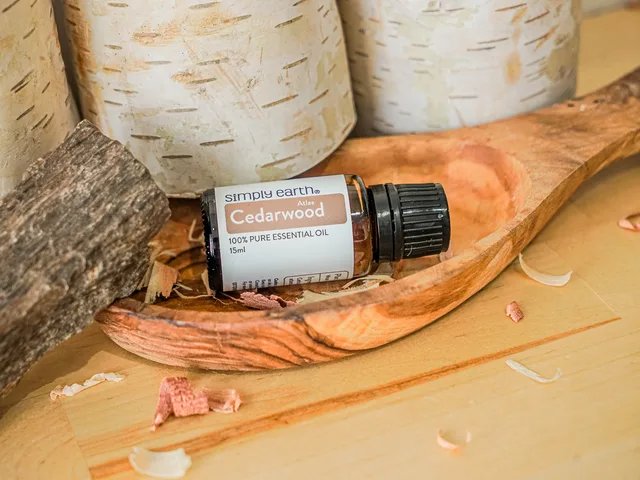
BEST FOR: A CHILD WHO WILL NOT SETTLE — AGE 2+
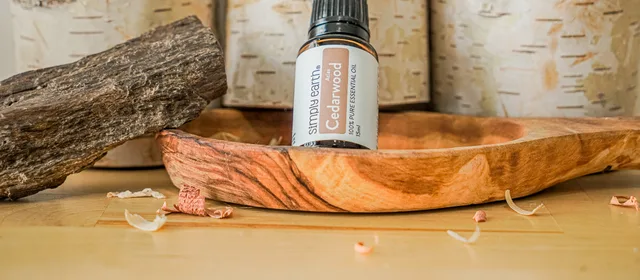
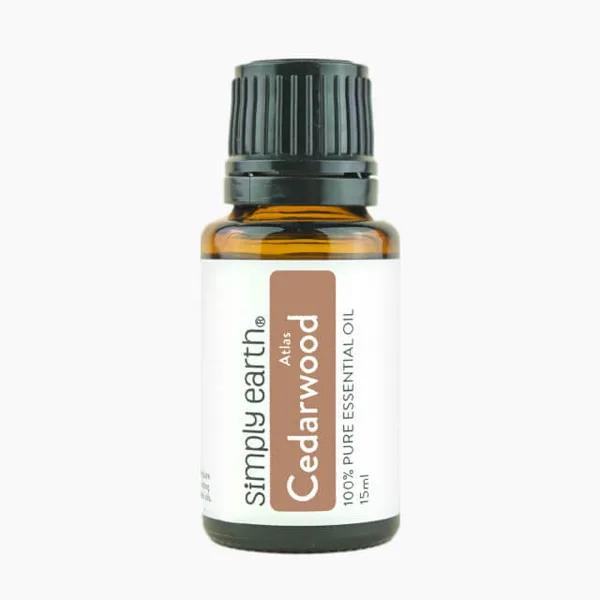
Cedarwood is dry, woody and completely un-sweet, which matters more than it sounds. Some children get more wound up by floral and citrus scents, not less, and cedarwood is the one to reach for when lavender has made bedtime busier rather than quieter. It is inexpensive, it blends into almost anything, and the aroma reads as campfire to most kids rather than medicine.
AROMATHERAPIST TIP
One drop of cedarwood to two of a citrus oil makes a diffuser blend that smells like a cabin rather than a spa, which is far easier to sell to a child who has opinions about scent.


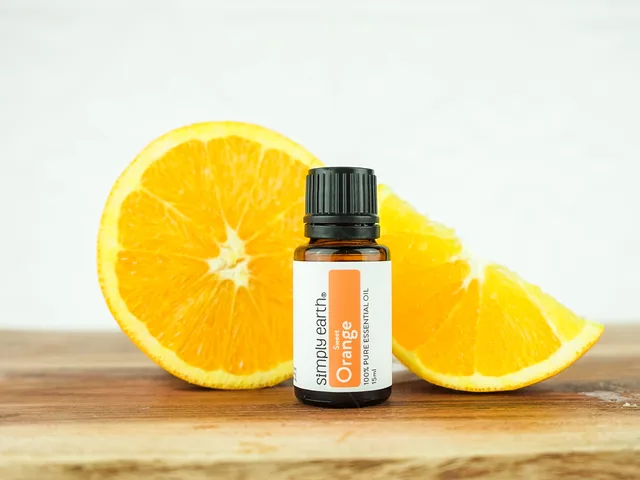
BEST FOR: MORNINGS AND A GRUMPY ROOM — AGE 2+
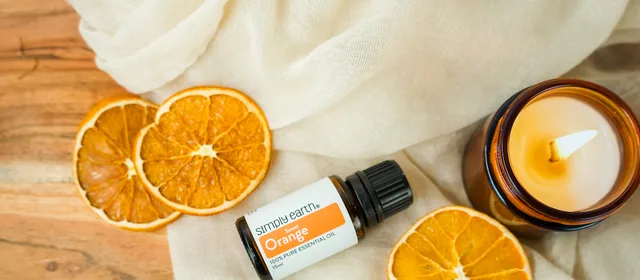
Sweet orange is the least controversial oil on this page and the least expensive at $8.99, which makes it the sensible first purchase for a family that is not sure oils are for them. Children like it immediately, it lifts the mood of a room without being stimulating, and it forgives imprecision in a way that stronger oils do not. Unlike several citrus oils it is not considered phototoxic at normal dilutions, so a diluted blend on the arms is not a sunshine problem.
AROMATHERAPIST TIP
Use sweet orange to make the medicine cabinet less frightening. A drop in the diffuser while you clean a graze changes the mood of the whole event.


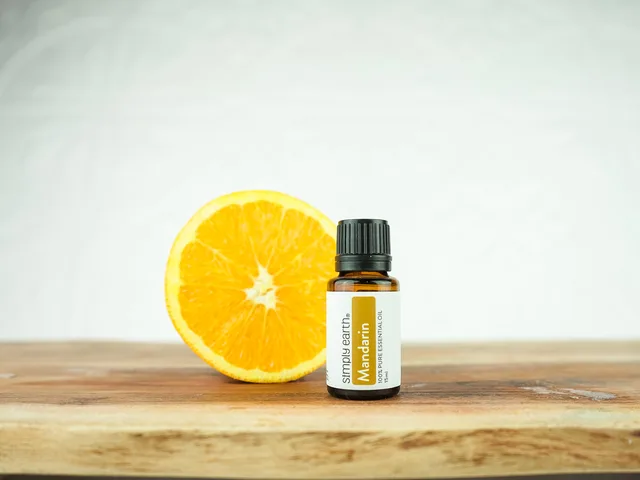
BEST FOR: WINDING DOWN WITHOUT GOING FLORAL — AGE 2+
Most citrus oils are energising. Mandarin is the exception, and that makes it unusually useful with children, because it is the one you can use in the hour before bed without undoing the bedtime routine. It is traditionally the citrus recommended for nurseries and shared rooms, and the aroma is soft enough that nobody in the house objects to it.
AROMATHERAPIST TIP
Mandarin and lavender at two drops each is the most reliable bedtime diffuser blend we make for families. Start it thirty minutes before the room is needed, not as the child gets in.
TRY IT IN

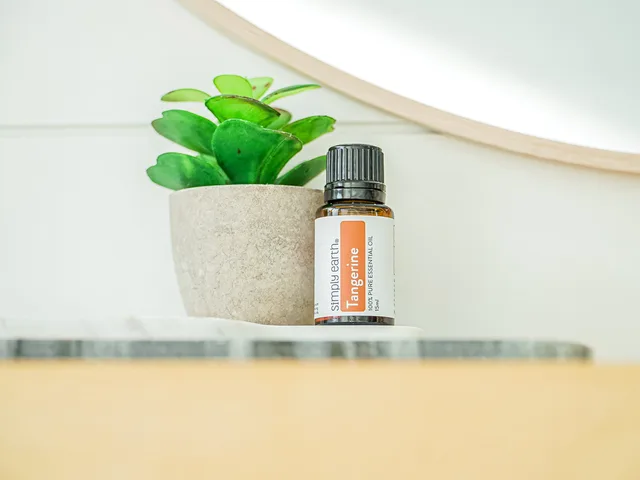
BEST FOR: BATH TIME AND CRAFT PROJECTS — AGE 2+
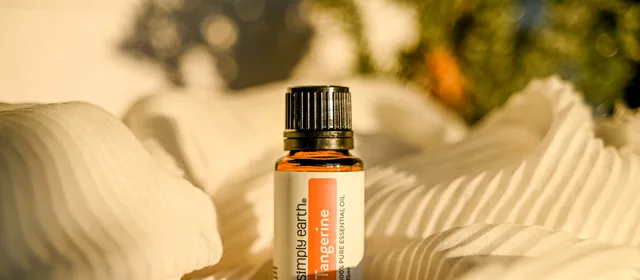
Tangerine is the sweetest of the citrus oils and the one children pick out of a line-up. That is its real value. It makes a soap or a bath project something a child wants to be part of, which is most of the battle with anything you want them to do regularly. It behaves much like sweet orange but reads as more of a treat.
AROMATHERAPIST TIP
Let the child count the drops. Handing over the counting is how a dilution rate becomes a rule they follow rather than one you enforce.


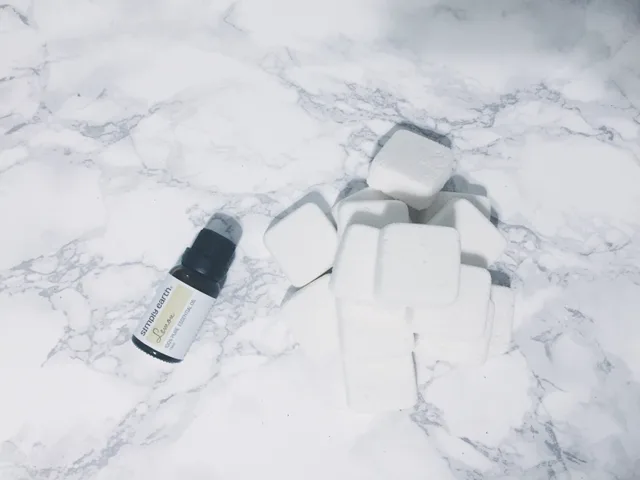
BEST FOR: SURFACES, NOT SKIN — AGE 2+
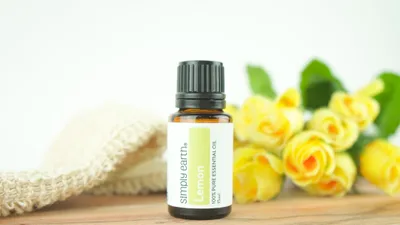
Lemon earns its place on a children's list mostly through the cleaning cupboard. It is the oil that lets you swap a bottle of unidentifiable spray for something you made yourself, which is a meaningful change in a house with a crawling baby. On skin it needs more care than the other citrus oils here, because lemon is phototoxic, so a blend that goes on arms should not then go into direct sun.
AROMATHERAPIST TIP
Keep lemon for surfaces and diffusing with young children, and save the skin applications for the non-phototoxic citrus oils on this list.


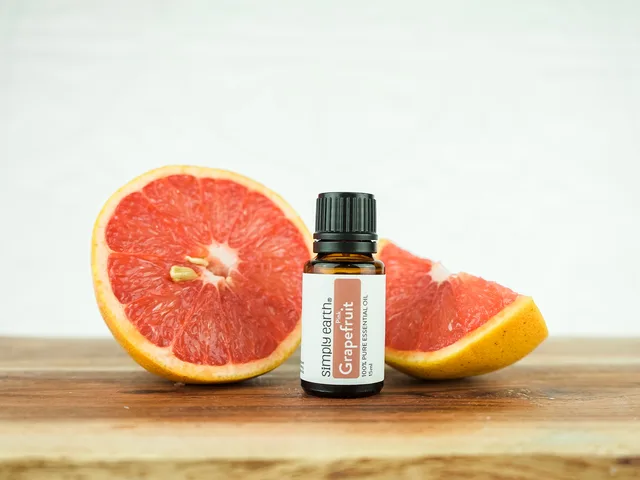
BEST FOR: GETTING OUT OF THE DOOR — AGE 2+
Grapefruit is the sharpest of the citrus oils on this page and the one to use in the morning rather than the evening. It is a good diffuser oil for the getting-ready hour, and it works well in body products for older children who have started caring what things smell like. Like lemon it is phototoxic, so treat sunshine as part of the recipe.
AROMATHERAPIST TIP
Grapefruit fades fast in an open room. Put it in a body product or a scrub, where it stays close to the skin, rather than expecting it to hold a whole kitchen.

BEST FOR: BIG FEELINGS AND WINTER SKIN — AGE 2+
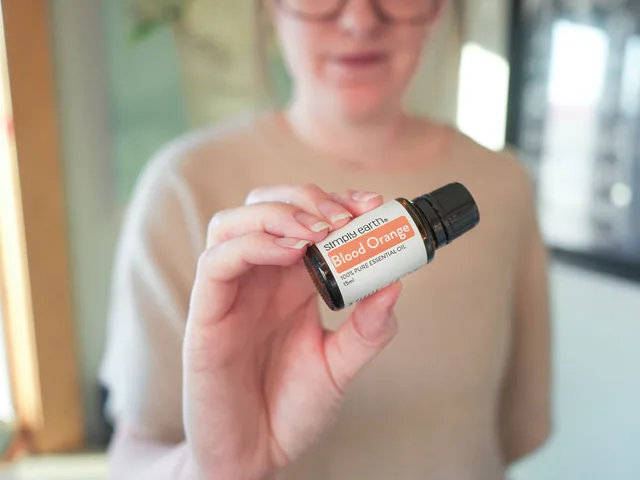
Blood orange sits between sweet orange and mandarin, a little richer than either, and it is the one our aromatherapists reach for when a child needs settling rather than cheering up. It is a good choice for the roll-on that lives in a school bag, and it works well in the heavier winter creams where a sharper citrus would feel out of place.
AROMATHERAPIST TIP
A roll-on works better than a diffuser for a child who needs something at school. Make it at 1% and let them apply it to their own wrists, because the ritual does as much as the aroma.


BEST FOR: SETTLING BEFORE A BIG DAY — AGE 2+
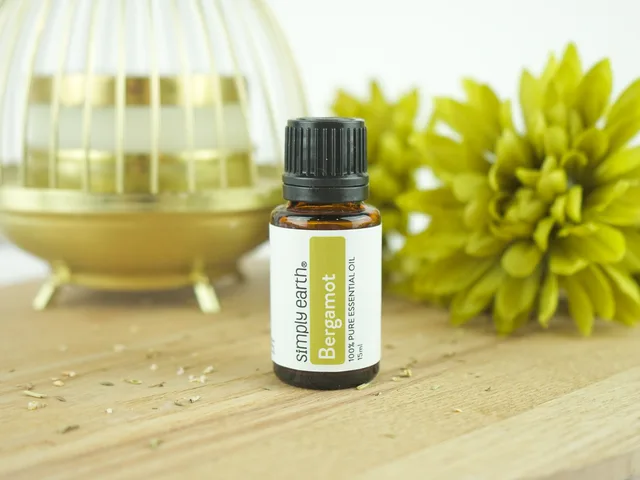
Bergamot is the citrus that behaves like a floral, calming rather than lifting, and it is traditionally used for exactly the low-grade worry that shows up the night before a test or a first day. It is the most grown-up smelling oil a child will happily accept. Note that expressed bergamot is phototoxic, so keep it to bath products and diffusing rather than a blend that goes out into the sun.
AROMATHERAPIST TIP
Bath products are the easiest way to use bergamot with children. The oil is diluted by the water and rinsed off, so the phototoxicity question mostly goes away.
TRY IT IN

BEST FOR: BUMPS, BRUISES AND SENSITIVE SKIN — AGE 2+
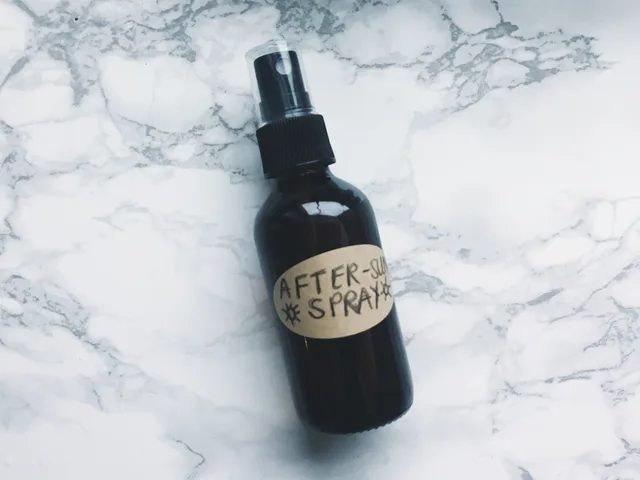
Geranium is the oil our aromatherapists put in almost every gentle skin recipe, from balms to cleansers to the creams that go on a child who reacts to everything. It is floral without being sweet, and it is the one on this list most associated with bruises and the general wear and tear of being seven. It is also expensive enough that you will use it carefully, which is no bad thing.
AROMATHERAPIST TIP
Geranium blends beautifully with lavender for a bruise balm. Keep the total essential oil content at or under 1% and apply it after the cold compress, not instead of it.


BEST FOR: A SHARED BEDROOM — AGE 2+
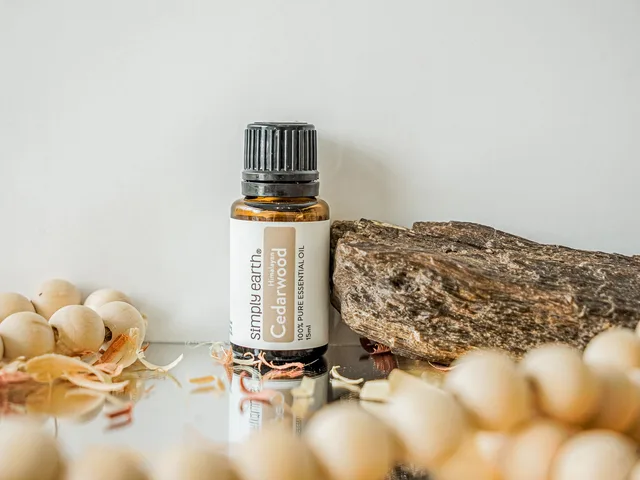
Himalayan cedarwood is rounder and slightly sweeter than the Atlas variety, and it is the one to choose if you are scenting a room two children share and need something nobody objects to. It holds its scent well in wax and in balms, which makes it a good candidate for the slow, steady background aroma of a bedroom rather than an active blend.
AROMATHERAPIST TIP
If you already own Atlas cedarwood you do not need this one too. Buy the Himalayan instead when you want the woody note to sit under a sweeter blend without fighting it.
TRY IT IN

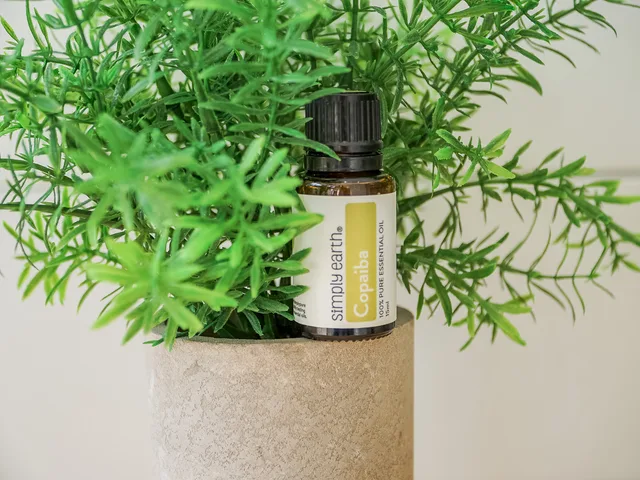
BEST FOR: SKIN THAT REACTS TO EVERYTHING — AGE 2+
Copaiba is a resin rather than a flower or a peel, and it is about as mild as aromatics get, with barely any scent and very little to react to. That makes it the one worth trying on a child whose skin has already told you it does not like lavender. It is usually a supporting oil rather than a star, sitting underneath something else in a cream.
AROMATHERAPIST TIP
Copaiba is the oil to add when a blend is working but feels harsh. It rounds off the edges without changing what the blend smells like.
TRY IT IN

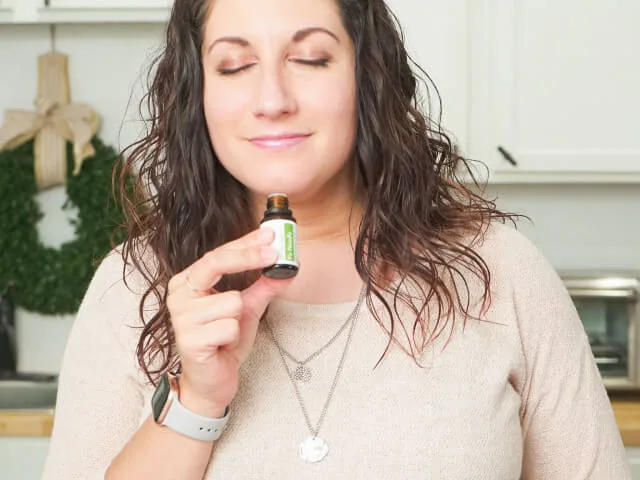
BEST FOR: HAND SOAP AND WINTER ROOMS — AGE 2+
Fir needle smells like the outside of the house, which is why it works so well in the things children touch every day, hand soap especially. It is clean rather than sweet, it does not read as perfume to a child who has decided perfume is embarrassing, and it is one of the easiest ways to make a winter room feel aired without opening a window.
AROMATHERAPIST TIP
Fir needle in the hand soap by the kitchen sink is the single highest-traffic use of an essential oil in most family homes. Start there before you buy a second diffuser.
TRY IT IN

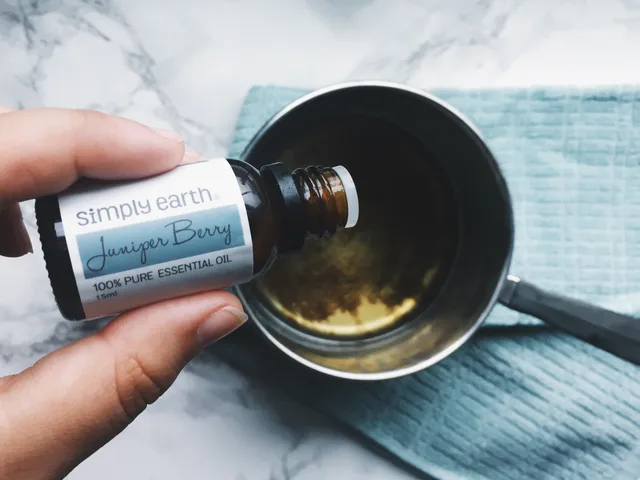
BEST FOR: OLDER CHILDREN'S SKIN — AGE 2+
Juniper berry turns up in the clarifying recipes, in masks and the blends aimed at skin that has started changing. For younger children it is mostly a background note in a diffuser blend. Its real use arrives around the age a child starts asking about their own skin, which is early enough that it belongs on this list rather than an adult one.
AROMATHERAPIST TIP
A clay mask is a good first product of their own for a nine or ten year old. Keep the essential oil content low and let the clay do the work.

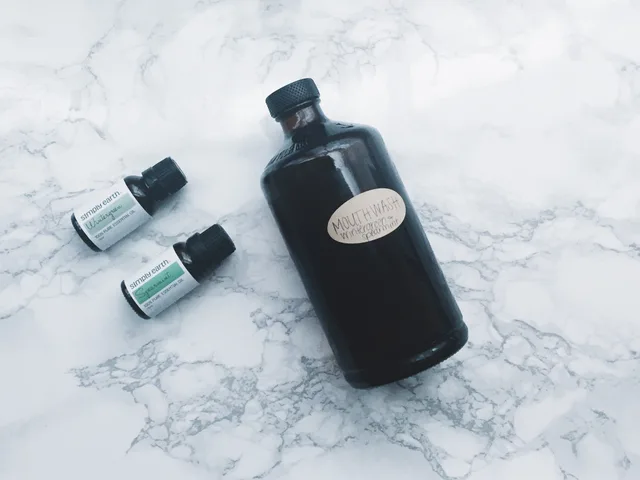
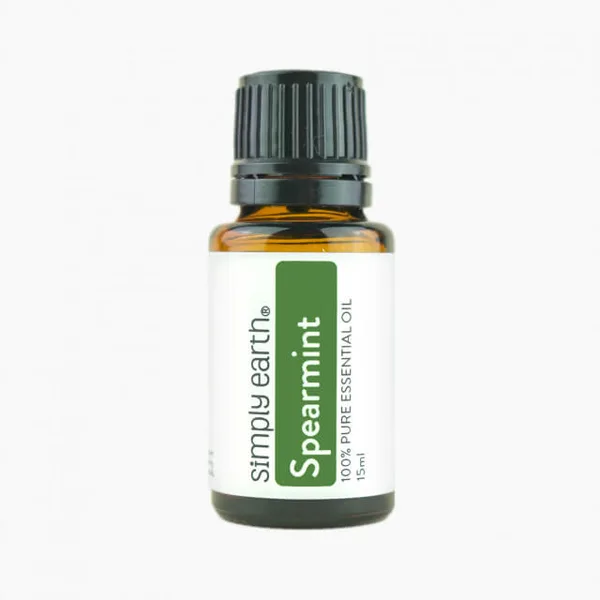
BEST FOR: WHEN A CHILD WANTS MINT — AGE 2+
This is the important one to get right. Peppermint is not appropriate for young children, but spearmint is a different plant with a different chemistry, built on carvone rather than menthol, and it is the mint Simply Earth's kid-safe recipes use. It gives you a way to say yes when a child asks for the mint one, which matters more than it sounds if the alternative is them helping themselves to the peppermint.
AROMATHERAPIST TIP
Keep the peppermint bottle somewhere different from the spearmint bottle. The labels look alike in a drawer and the two oils are not interchangeable for a child.
TRY IT IN

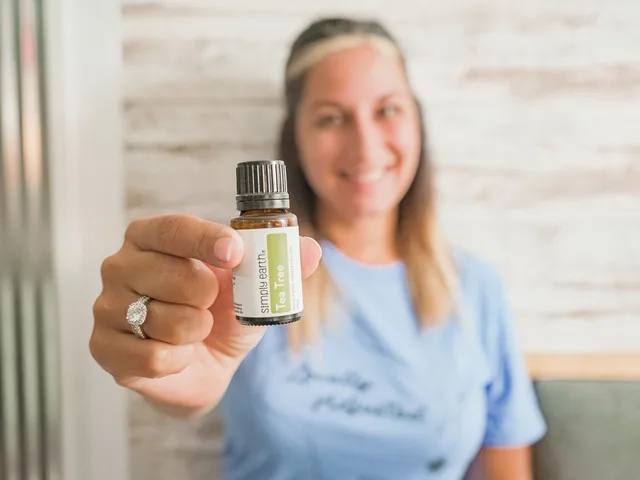
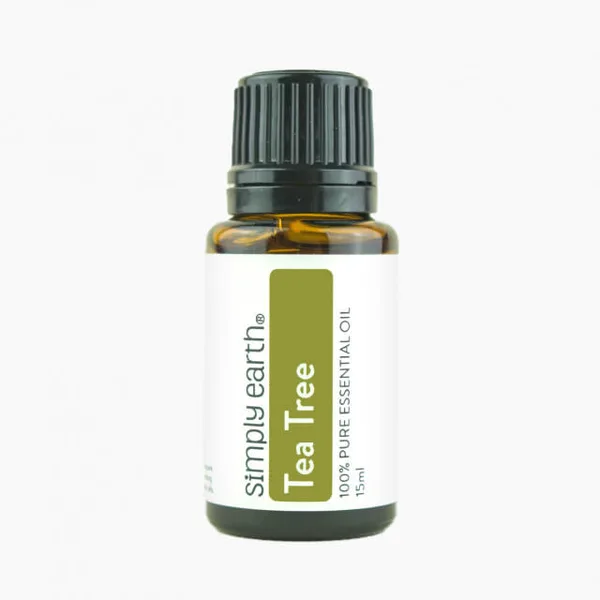
BEST FOR: GRAZES AND SCHOOL-AGE SKIN — AGE 10+
Tea tree is the oil most people already associate with cuts and scrapes, and it earns that reputation. It is also more potent than anything above it on this page, and Simply Earth's kid-safe recipes use it from ten rather than two. Below that age, lavender is the better answer for the same job. From ten it becomes genuinely useful, particularly for the skin changes that arrive with the end of primary school.
AROMATHERAPIST TIP
Never apply tea tree neat to a child, however small the graze. Dilute it into a carrier first, because neat application is the most common way a good oil causes a bad reaction.
TRY IT IN

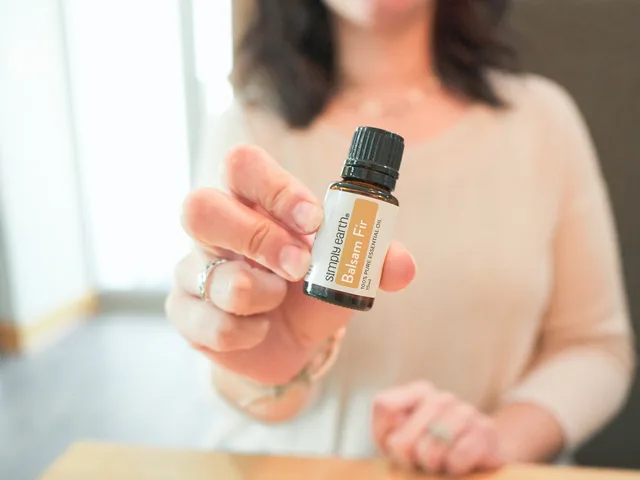
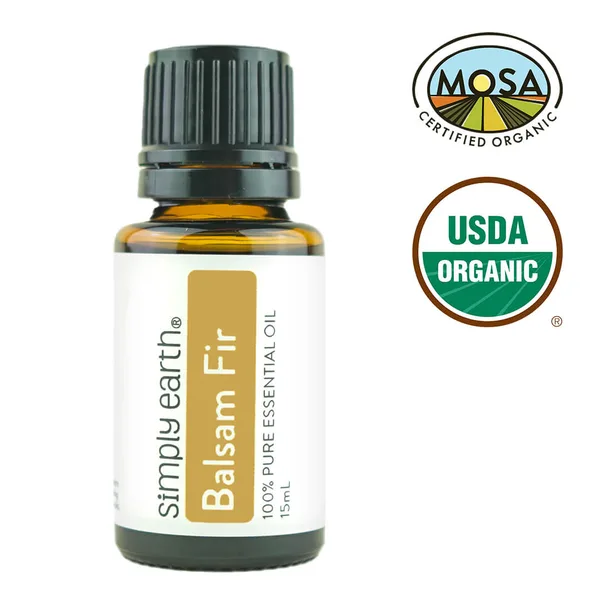
BEST FOR: MORNINGS FOR OLDER KIDS — AGE 10+
Balsam fir is the deeper, more resinous cousin of fir needle, and the organic one in Simply Earth's range. It shows up in the body washes and morning products aimed at older children, the ones who have started running their own routine and want something that does not smell like a younger sibling's bubble bath.
AROMATHERAPIST TIP
A body wash is a low-risk way to introduce a stronger oil to an older child. It is diluted, it is rinsed off, and it takes thirty seconds of contact rather than all day.
TRY IT IN

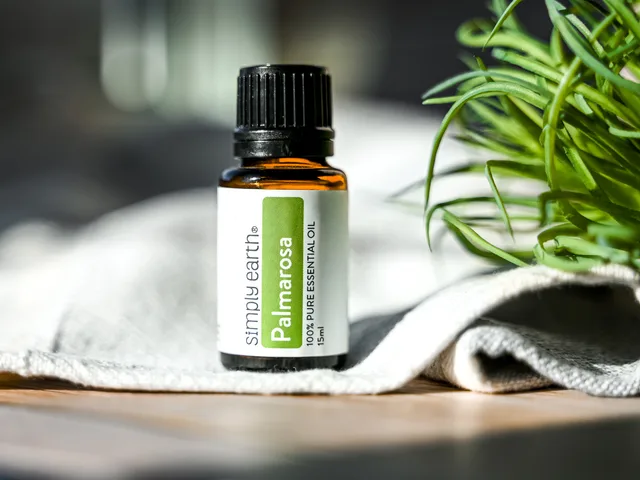
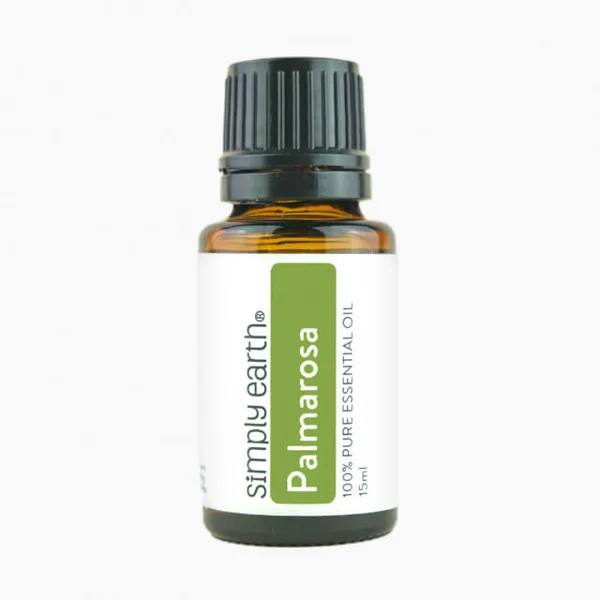
BEST FOR: BATH SOAKS AND DRY SKIN — AGE 10+
Palmarosa is a grass that smells like a rose, which makes it the affordable way to get a floral note into a bath soak. Our kid-safe recipes place it from ten, and it is at its best in the things you soak in rather than the things you wear, bath salts especially, where it softens the whole experience without perfuming a bedroom.
AROMATHERAPIST TIP
Always disperse essential oils into a carrier, whether salts, milk or a spoon of carrier oil, before they go in the bath. Neat drops sit on the surface of the water and land on skin undiluted.
TRY IT IN

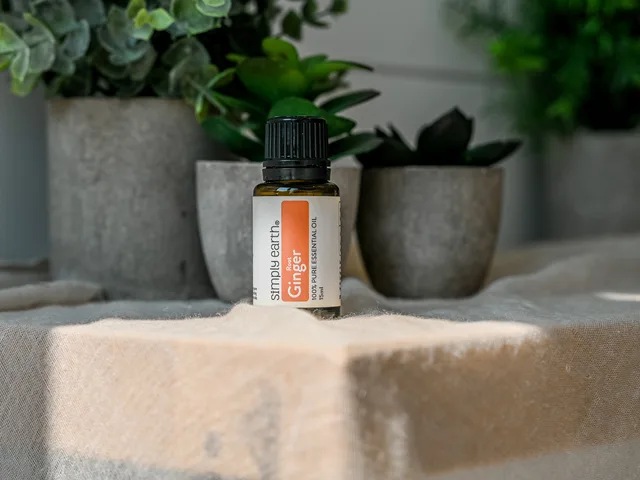
BEST FOR: CAR JOURNEYS AND COLD HANDS — AGE 10+
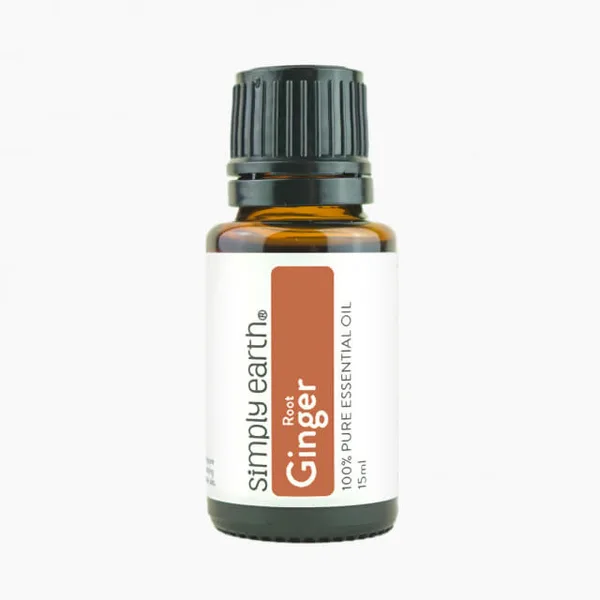
Ginger is warm, spicy and the most assertive oil on this list, which is why it sits at ten and up. Its traditional use is the queasy end of a long car journey, and it is a good soap and roll-on oil for an older child who wants something that does not smell like a flower. Use less of it than you think, because it carries a blend easily.
AROMATHERAPIST TIP
One drop of ginger is usually enough in a 10 ml roll-on. It is the oil most often overdosed by people used to citrus, and too much of it stings.
TRY IT IN


BEST FOR: BEING OUTSIDE AT DUSK — AGE 10+
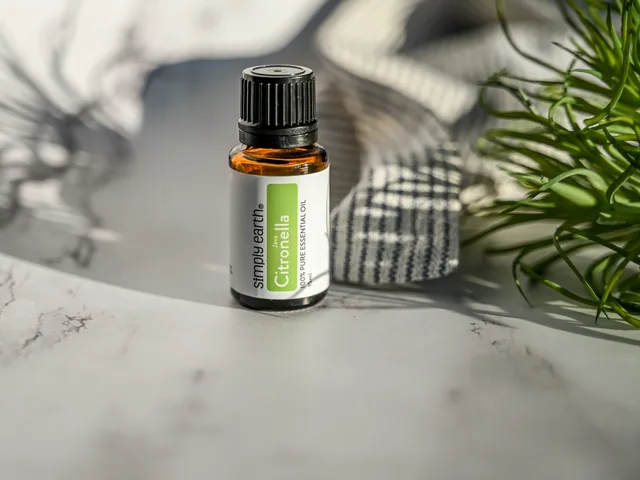
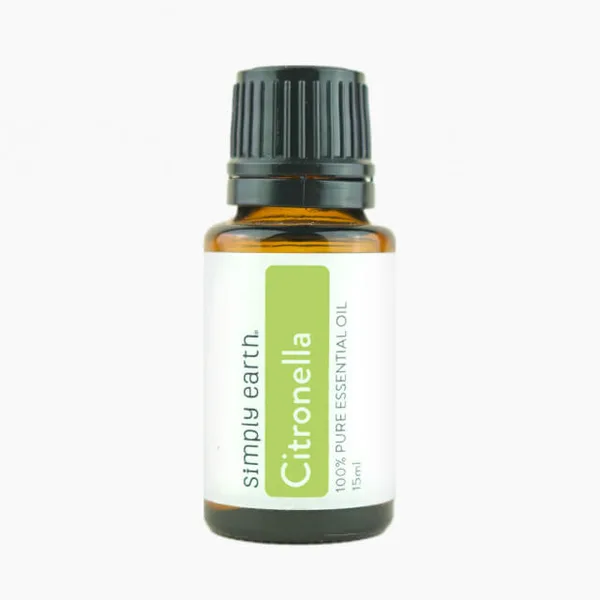
Citronella is the oil for the patio rather than the nursery. It is the classic outdoor-evening aroma, it belongs in candles and porch products rather than on skin, and our kid-safe recipes place it from ten. Used the way it is meant to be used, in the air, outdoors, at a distance, it is the most seasonal oil on this page and the one families reach for most in July.
AROMATHERAPIST TIP
Citronella belongs in the candle on the table, not in a blend on a child's arms. Keep it to the air and the distance does the work.
TRY IT IN

The Oils to Avoid, and the Rules That Matter
Peppermint, eucalyptus and rosemary are not for young children. All three are high in 1,8-cineole, which is associated with slowed or disrupted breathing in small children. Spearmint is the kid-safe mint, and it is a different plant with a different chemistry.
Wintergreen and birch are a separate hazard class. Both are high in methyl salicylate and are commonly avoided entirely until at least twelve. This is not a dilution question.
Under two, the default is none. Most essential oils have no established use in infants. Talk to your paediatrician before using anything, and treat natural as a description, not a safety rating.
0.5% to 1% is the working dilution for children. That is about 3 to 6 drops in 30 ml of carrier oil. Never apply an essential oil neat to a child, and patch test any new blend on a small area first.
Diffuse in short bursts in a ventilated room. Around thirty minutes, not overnight in a closed bedroom. Keep the diffuser and every bottle out of reach.
Talk to your paediatrician before using essential oils with a child who has asthma, epilepsy, eczema, a known allergy, or who is taking regular medication.
Which Oil for Which Moment
Twenty oils, banded by the age our kid-safe recipes use them from
| The Moment | The Oil | Why It Fits, and From What Age |
|---|---|---|
| Cannot settle at bedtime | Lavender | The most studied gentle oil, and the one to buy first. From age 2 |
| Wound up by sweet or floral scents | Cedarwood Atlas | Dry and woody, so it grounds instead of lifting. From age 2 |
| Trying oils for the first time | Orange (Sweet) | The cheapest oil here at $8.99, and not phototoxic. From age 2 |
| Needs calming, but not a floral | Mandarin | The one citrus that settles rather than energises. From age 2 |
| Wants to help make something | Tangerine | The sweetest citrus, and the one children choose. From age 2 |
| Swapping out household cleaners | Lemon | Best on surfaces, and phototoxic, so keep it off sunlit skin. From age 2 |
| The getting-ready hour | Grapefruit (Pink) | The sharpest citrus, better in body products than a room. From age 2 |
| Big feelings at school | Blood Orange | Richer and more comforting than sweet orange. From age 2 |
| Worry the night before something big | Bergamot | The citrus that behaves like a floral. Bath use, not sun. From age 2 |
| Bumps, bruises and reactive skin | Geranium | The oil in almost every gentle skin recipe we make. From age 2 |
| Scenting a shared bedroom | Cedarwood Himalayan | Rounder and sweeter than Atlas, and it holds in wax. From age 2 |
| Skin that reacts to everything | Copaiba Balsam | A near-scentless resin with very little to react to. From age 2 |
| Handwashing everybody forgets | Fir Needle | Clean rather than sweet, and perfect in hand soap. From age 2 |
| A ten-year-old asking about their skin | Juniper Berry | The clarifying oil, best in a low-strength mask. From age 2 |
| A child who wants the mint one | Spearmint | Carvone, not menthol. The mint that is kid-safe. From age 2 |
| Grazes and school-age skin | Tea Tree | Potent, and never applied neat. From age 10 |
| An older child's morning routine | Balsam Fir | Deeper and more resinous than fir needle, and organic. From age 10 |
| A long soak and dry winter skin | Palmarosa | A grass that smells like rose. Disperse it before the bath. From age 10 |
| Long car journeys | Ginger Root | Warm and spicy, and easy to overdose. One drop is plenty. From age 10 |
| Summer evenings outdoors | Citronella | For the candle on the table, not for skin. From age 10 |
Get 10% Off the Best Essential Oils for Children
All twenty kid-safe oils on this page, 10% off with code KIDS10 at checkout.
Lavender Essential Oil
Cedarwood Atlas Essential Oil
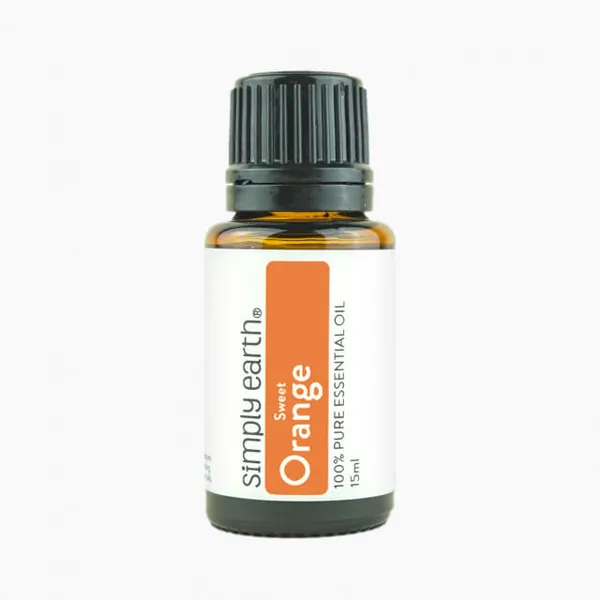
Orange (Sweet) Essential Oil
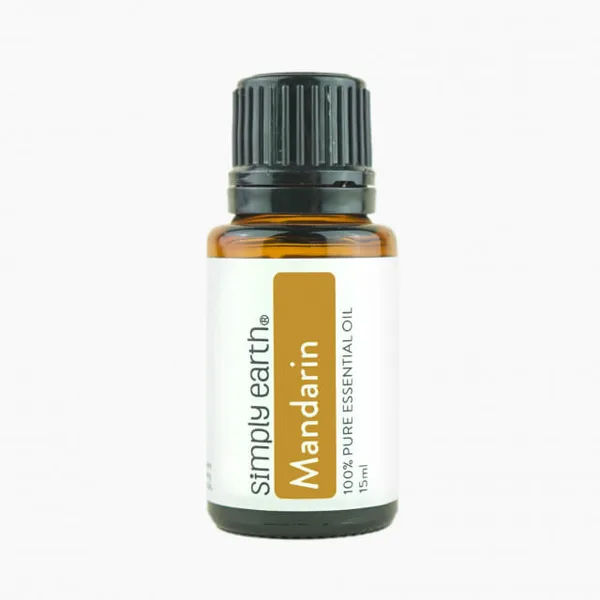
Mandarin Essential Oil
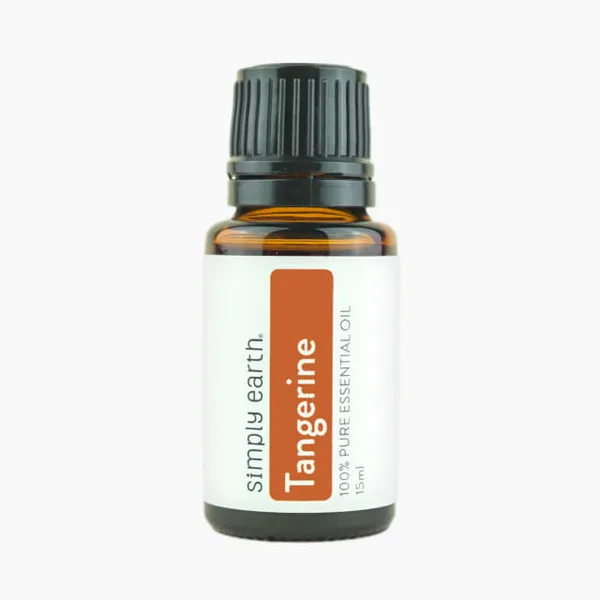
Tangerine Essential Oil
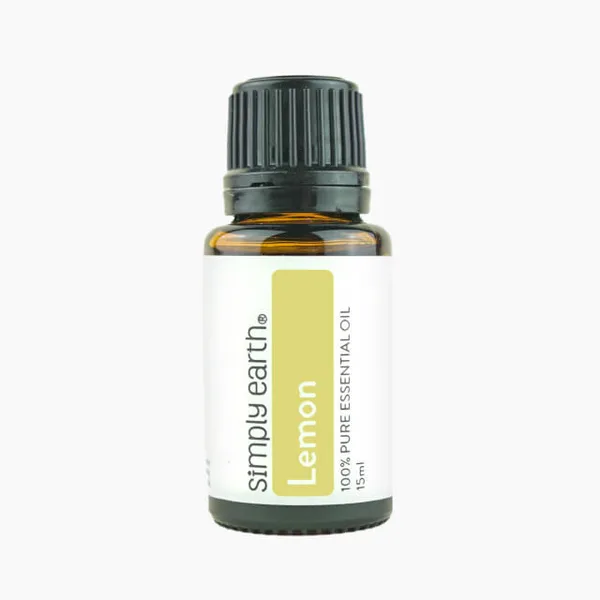
Lemon Essential Oil
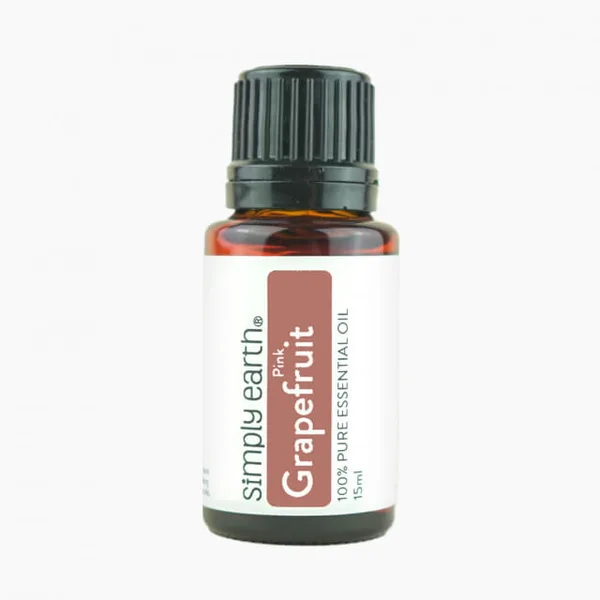
Grapefruit (Pink) Essential Oil
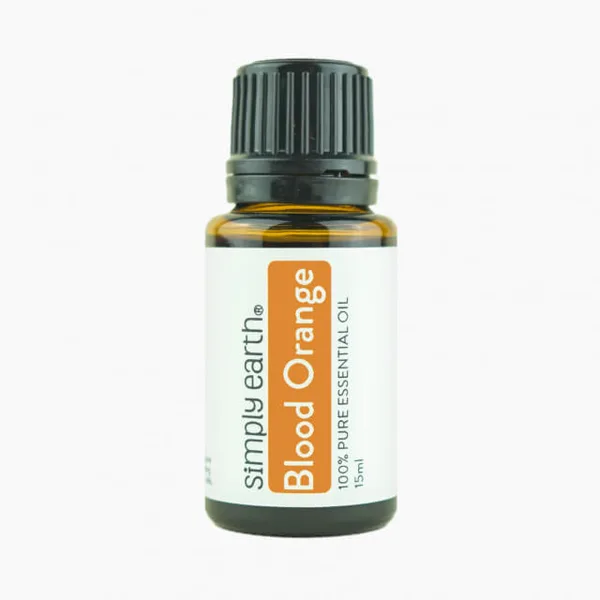
Blood Orange Essential Oil
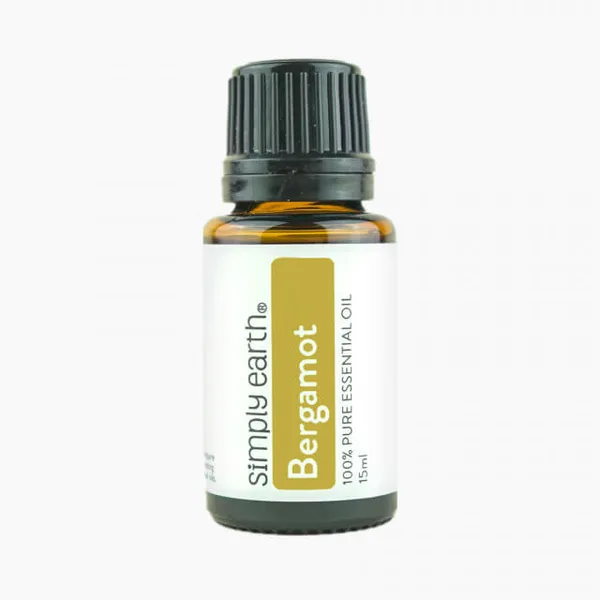
Bergamot Essential Oil
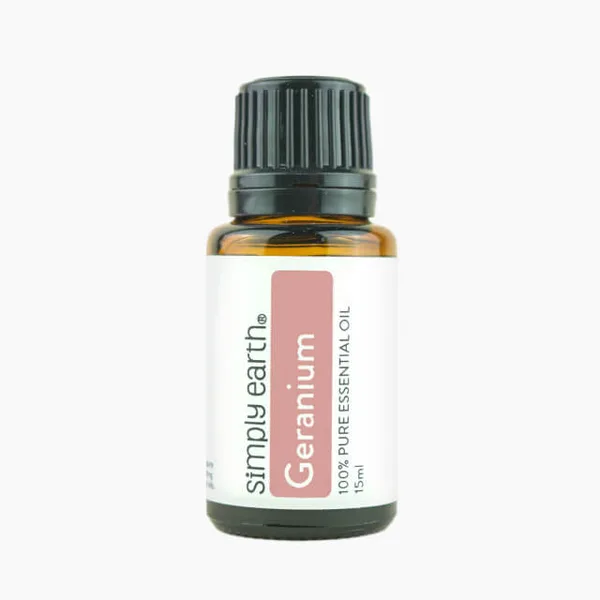
Geranium Essential Oil
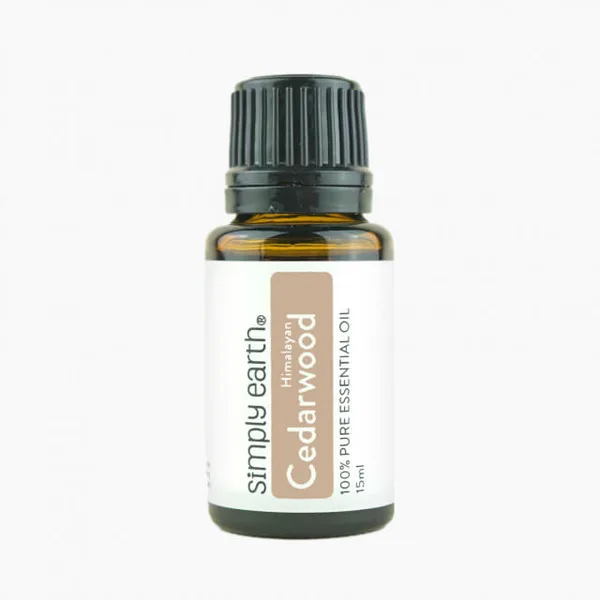
Cedarwood Himalayan Essential Oil
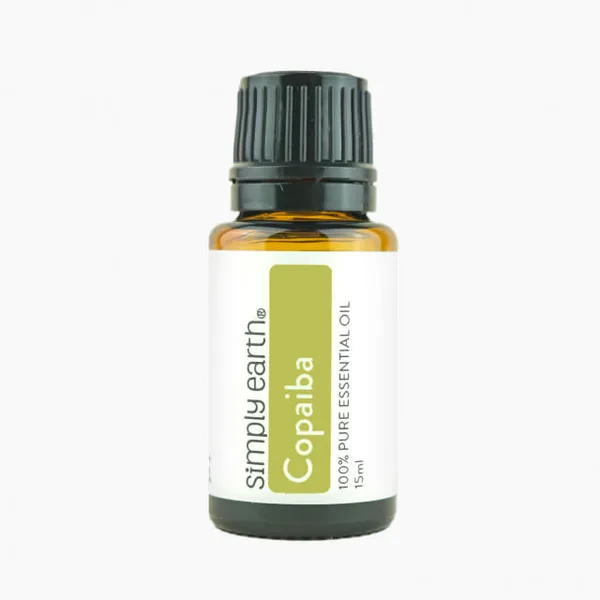
Copaiba Balsam Essential Oil
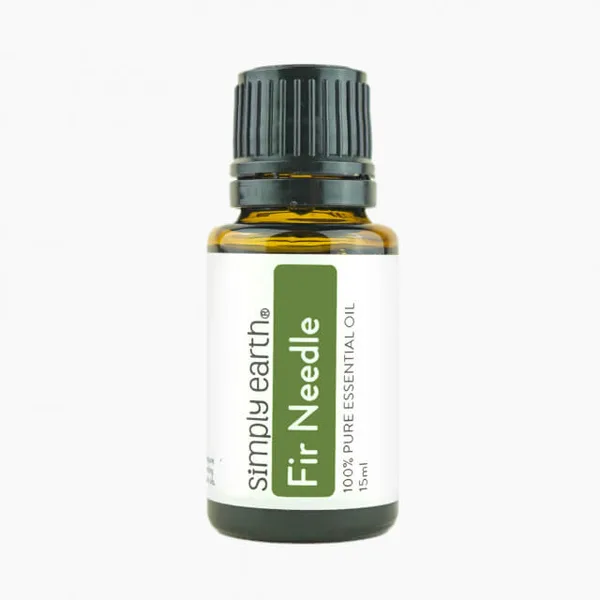
Fir Needle Essential Oil
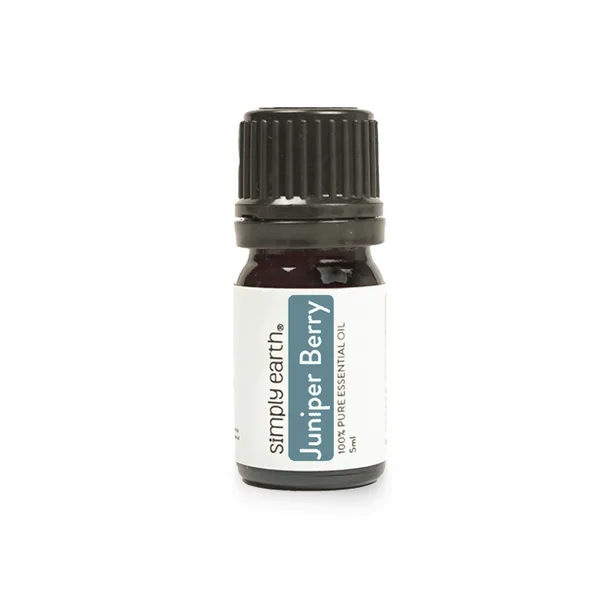
Juniper Berry Essential Oil
Spearmint Essential Oil
Tea Tree Essential Oil
Balsam Fir Essential Oil
Palmarosa Essential Oil
Ginger Root Essential Oil
Citronella Essential Oil
OUR SIMPLY PURE PROMISE
What Goes Into Your Products Matters
Certified 100% Pure
No fillers, no synthetics. Just pure oil.
GC/MS Third-Party Tested
Batch-specific reports available with every bottle.
Ethically Sourced from Quality Farms
Responsibly harvested. People and planet first.
15mL
Bottle Size
MLM brands: 10mL
$9-20
Per Oil
MLM brands: $25-55+
Public
GC/MS Tests
MLM brands: Rarely
Your Order Changes Lives: 13% of profits fight human trafficking globally.

Key Takeaways
- Buy lavender first, then sweet orange. Between them they cover bedtime, mood and the small injuries of an ordinary week, and they cost under $24 together.
- 0.5% to 1% is the number that matters. That is roughly 3 to 6 drops in 30 ml of carrier oil. A child's blend is measured, not estimated.
- Age bands the list. Fifteen of these twenty are used from age two in our kid-safe recipes. Tea tree, balsam fir, palmarosa, ginger and citronella wait until ten.
- Spearmint is the kid-safe mint, peppermint is not. Different plant, different chemistry, and the single most useful substitution on this page.
- Leaving oils out matters more than owning more. Avoid peppermint, eucalyptus and rosemary with young children, and wintergreen and birch until twelve.
Essential Oils for Children FAQ
The questions parents ask most, from dilution and age to the oils to keep out of reach.
What essential oils are safe for children? +
Lavender, sweet orange, mandarin, tangerine, cedarwood, geranium and copaiba are among the gentlest, and Simply Earth's kid-safe recipes use them from around age two. Stronger oils such as tea tree, ginger, palmarosa, balsam fir and citronella are used from ten. In every case the oil is diluted before it touches a child's skin, and a paediatrician is the right person to ask about your own child.
What is the correct essential oil dilution for a child? +
Simply Earth's aromatherapists work at 0.5% to 1% for children, which is about 3 to 6 drops of essential oil in 30 ml (1 oz) of a carrier such as fractionated coconut or sweet almond oil. That is roughly a third of a typical adult body blend. Never apply an essential oil neat to a child, and patch test a new blend on a small area first.
Which essential oils should children avoid? +
Peppermint, eucalyptus and rosemary are high in 1,8-cineole, which is associated with slowed or disrupted breathing in young children, and are commonly avoided with them. Wintergreen and birch are high in methyl salicylate and are generally avoided until at least twelve. If you want a mint, spearmint is the kid-safe one, and it is a different plant with a different chemistry.
Can I use essential oils on a baby under two? +
The honest answer is that most essential oils have no established use in infants, and the default for under-twos should be none without professional guidance. Talk to your paediatrician before using anything, and treat natural as a description of where something came from rather than a safety rating.
Is it safe to diffuse essential oils in a child's bedroom? +
Diffuse in short bursts in a ventilated room, around thirty minutes rather than all night in a closed bedroom, and keep the diffuser out of reach. Stop immediately if the child coughs, complains of a headache, or the room feels heavy. For a child with asthma, ask your paediatrician before diffusing at all.
Where should I apply an essential oil blend on a child? +
The soles of the feet are the usual choice, because the skin there is toughest and least likely to react, and the blend is nowhere near the eyes or mouth. Avoid the face entirely with young children, and avoid the hands, which end up in eyes and mouths within minutes.
Which essential oil should I buy first for my kids? +
Lavender. It is the most studied of the gentle oils, the most forgiving of imprecision, and it covers both ends of a normal day, settling at bedtime and soothing the grazes that come home from the playground. Sweet orange at $8.99 is the sensible second bottle.
About the Author: Katie Veldkamp
Katie Veldkamp
Certified Aromatherapist · Co-Founder, Simply Earth
Katie got hooked on oils, then got mad at the prices. So she got certified, flew to farms, and built Simply Earth so nobody has to wonder what is really in their bottle. She writes these guides as a mother, which is why the dilution numbers on this page are the ones she uses at home.
The Free Essential Oil Guide
Simply Earth's free starter guide — what each oil is for, how to dilute it, and how to use it safely at home.
- What each essential oil is for
- Safe dilution and usage basics
Join 47,000+ subscribers making healthier choices naturally.
Free. No spam. Unsubscribe anytime.