
7 Tea Tree Oil Benefits — First Aid in a Bottle

Katie Veldkamp
Lead Certified Aromatherapist
Fact Checked & Approved
Tea tree has a nickname that has followed it around the world: first aid in a bottle. It earned it honestly. This one oil turns up in face washes, scalp scrubs, floor cleaners and shower steamers — a range almost no other single oil covers. It comes from Melaleuca alternifolia, a small papery-barked tree whose leaves are steam-distilled into a thin, pale oil that smells unmistakably medicinal and woody. If you keep only a handful of essential oils in the house, this is usually one of them. It is also, notably, the gentlest of its family: tea tree is kid-safe from age 2, while its close relatives cajeput and eucalyptus wait until 10.
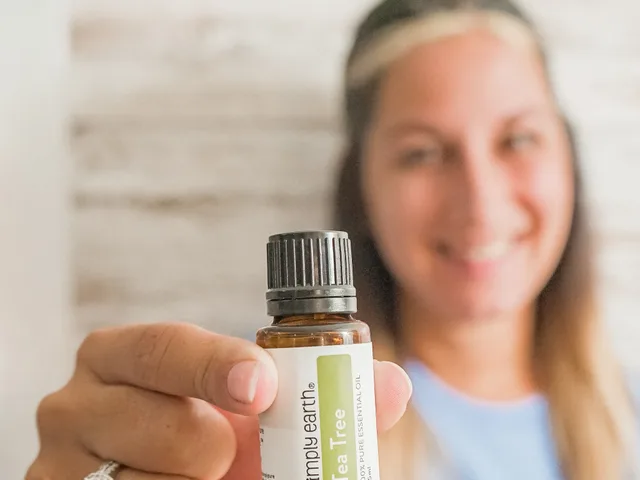
BEST FOR: FACE WASH & SPOT-CARE RECIPES
This is the use tea tree is best known for, and it's the first one Simply Earth lists on the bottle. In DIY skincare it shows up in face wash powders, cleansing bars and spot treatments for congested, breakout-prone skin. It's a properly potent oil, so more is emphatically not better — tea tree works best heavily diluted and used consistently rather than dabbed on neat in a hopeful moment.
KATIE'S TIP
Add 1 drop to a teaspoon of jojoba and apply only where you need it, at night. If your skin is reactive, start every other night. Tea tree is strong enough that people often overdo it and blame the oil for the irritation they created.
USE IT IN →


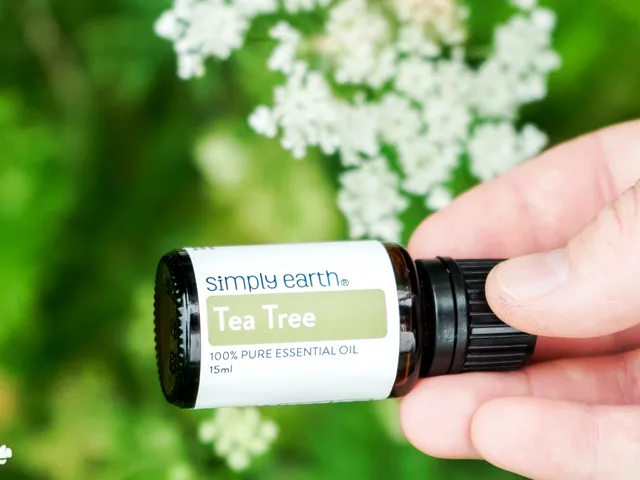
BEST FOR: AFTER-SUN, POST-SHAVE & HAND-CARE BLENDS
Diluted well, tea tree is a common addition to after-shave balms, gardener's hand salves and post-sun lotions — anywhere skin feels rough, overworked or freshly scraped up. It pairs particularly well with lavender here, which is why the two are so often bottled together. Keep it off broken or badly damaged skin and let that heal first.
KATIE'S TIP
My go-to is 2 drops of tea tree and 2 drops of lavender in a tablespoon of unscented lotion. It's the blend I make for my own hands after a weekend in the garden.
USE IT IN →
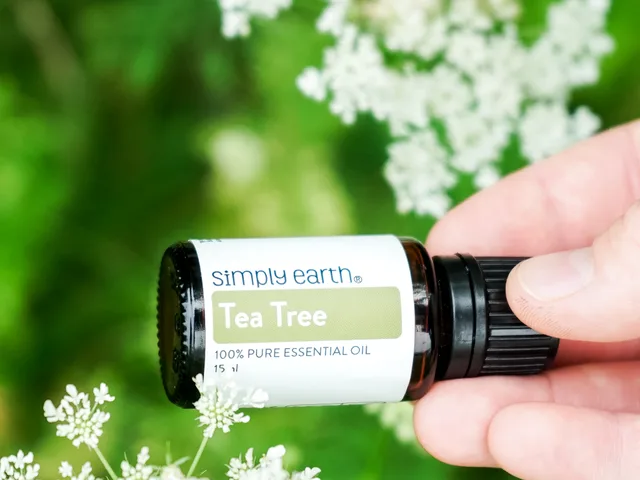
BEST FOR: BUG-BITE & IRRITATION RELIEF
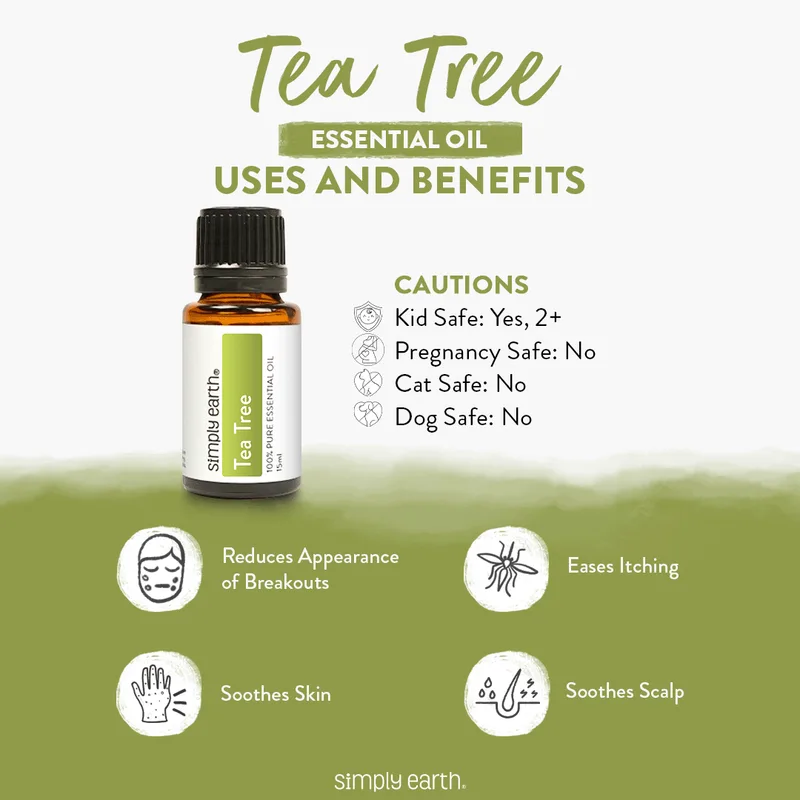
Easing itching is one of the seven uses Simply Earth lists for tea tree, and it's the reason a bottle tends to migrate into the camping bin. Most people use it in a roller with a carrier oil, or stirred into an aloe-based gel so it spreads thin and cools on contact. It blends naturally with lavender and cypress for that purpose.
KATIE'S TIP
Keep a 10ml roller of 1% tea tree — about 3 drops in 10ml of fractionated coconut oil — in your bag through bug season. Roll it on, don't rub it in hard; the point is to leave the skin alone.
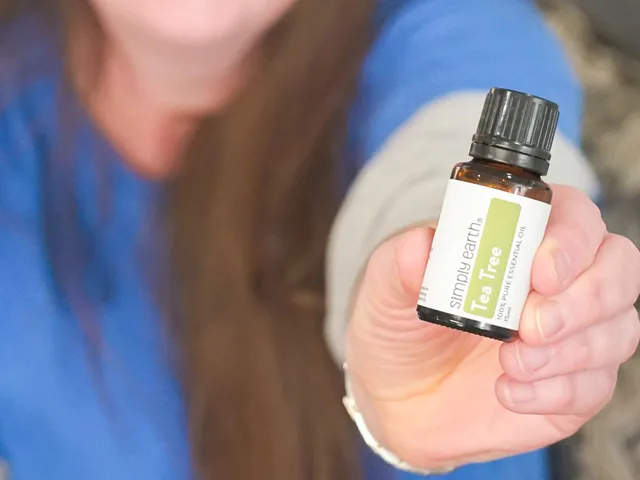
BEST FOR: SHAMPOO BARS, SCALP SCRUBS & HAIR RINSES
Tea tree is a staple in DIY hair care for flaky, itchy or generally unhappy scalps — shampoo bars, sugar-based scalp scrubs and apple cider vinegar rinses all take it well. Simply Earth's own Lavender & Tea Tree conditioner bar pairing exists for exactly this reason. Because scalp skin is still skin, the same dilution discipline applies.
KATIE'S TIP
Add 3–4 drops to a tablespoon of your usual conditioner, work it into the scalp rather than the ends, and leave it a couple of minutes before rinsing. Weekly is plenty.
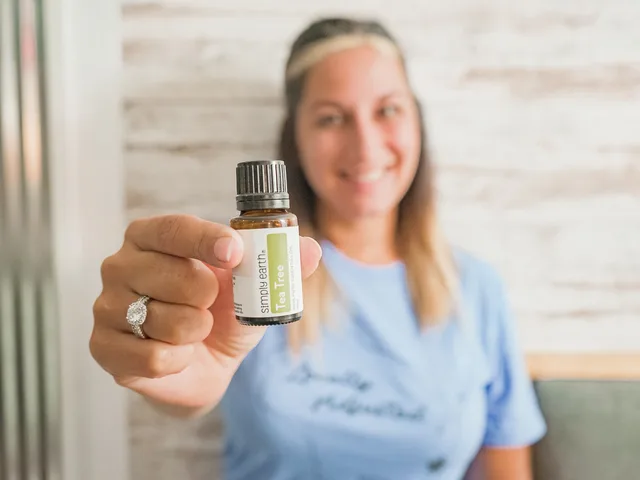
BEST FOR: HAND SOAP, BODY WASH & CLEANSING BARS
Cleansing is a distinct use from spot care, and it's where tea tree earns its keep in soap making. Melt-and-pour bars, foaming hand soap and body wash bases all carry it well, and its medicinal-woody scent reads as *clean* in a way few florals manage. It also survives soap making better than more delicate oils.
KATIE'S TIP
In melt-and-pour, hold your essential oils until the base has cooled to just above setting point. Add them too hot and you lose most of the scent to the steam.
USE IT IN →
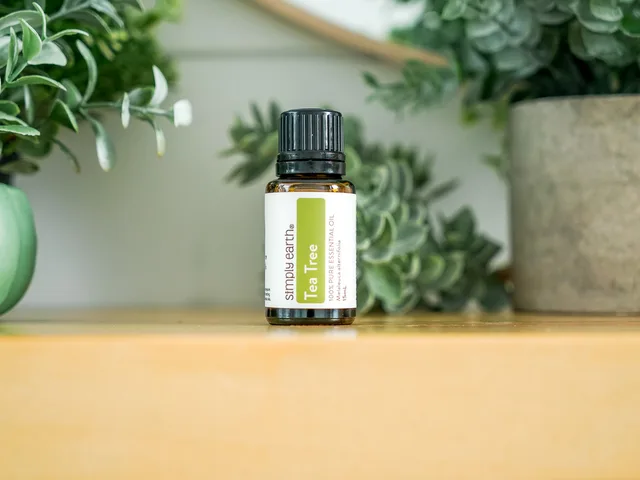
BEST FOR: SURFACE SPRAYS, FLOORS & LAUNDRY
Half of tea tree's working life happens outside the bathroom cabinet. It's a fixture in homemade surface sprays, floor cleaners, laundry boosters and bin deodorisers — usually alongside lemon, which cuts the medicinal edge. Simply Earth's own Clean & Crisp diffuser blend and Spring Clean blend both build on it. It's also the cheapest way to use tea tree, since cleaning recipes are far more forgiving about drop counts than skincare is.
KATIE'S TIP
The simplest one worth making — 1 cup water, ½ cup white vinegar and 10 drops each of tea tree and lemon in a glass spray bottle. Shake before every use, and keep it off natural stone.


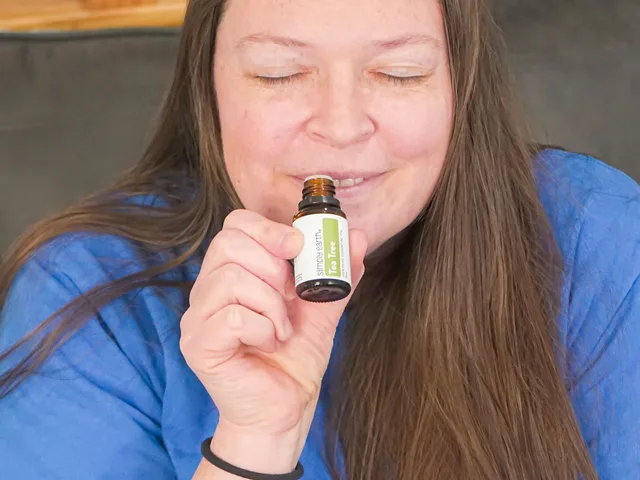
BEST FOR: DIFFUSING, SHOWER STEAMERS & INHALERS
Diffused, tea tree is bracing rather than cosy — sharp, clean and camphoraceous. It's a common component of shower steamers, steam bowls and personal inhalers, and it diffuses well with eucalyptus, lemon and rosemary, all three of which Simply Earth lists among its natural blending partners. Diffuse in sessions rather than continuously; your nose stops registering it surprisingly fast.
KATIE'S TIP
3 drops tea tree, 2 drops eucalyptus and 2 drops lemon is my house-feels-stuffy blend. 30 minutes on, then off — and skip it entirely if there's a cat or dog in the room.
USE IT IN →
Put It to Work
How to Use Tea Tree Oil
Diffuser
- • 3–5 drops in your diffuser of choice
- • Diffuse 30–60 minutes at a time, not continuously
- • Blends well with eucalyptus, lemon and rosemary
- • Never diffuse in a closed room with cats or dogs present
Topical (Roller)
- • 10ml roller bottle
- • 9ml fractionated coconut oil or jojoba
- • 3 drops tea tree for a 1% roller, 6 drops for 2%
- • Apply to the spot you need it, not the whole area
DIY Surface Spray
- • 1 cup water + ½ cup white vinegar in a glass spray bottle
- • 10 drops tea tree + 10 drops lemon
- • Shake before each use; test on a hidden patch first
- • Skip on natural stone — the vinegar, not the oil, is the problem
Face & Scalp
- • 1 drop in 1 tsp jojoba for a targeted spot oil
- • 3–4 drops per tablespoon of conditioner, worked into the scalp
- • Or add to an unscented face wash powder or cleansing bar base
- • Patch test on the inner arm before the first full use
Steam & Shower
- • 2–3 drops on the shower floor, away from the direct stream
- • Or 2 drops in a bowl of hot water, towel over your head, eyes closed
- • Keep your face far enough back that the steam is comfortable
- • Not for young children — use the diffuser instead
Know the Difference
Tea Tree vs. Cajeput vs. Eucalyptus
All three are steam-distilled from the leaves of Myrtaceae-family trees, all three smell broadly "medicinal", and Simply Earth carries all three — which is exactly why people mix them up. The differences that actually matter are on the safety rows, not the scent rows: tea tree is the only one of the three cleared for children as young as 2, and cajeput is the only one Simply Earth lists as cat- and dog-safe.
Swipe to compare →
Tea Tree The subject of this page | Cajeput The gentler-smelling cousin | Eucalyptus (Globulus) The one people confuse it with | |
|---|---|---|---|
| Botanical Name | Melaleuca alternifolia | Melaleuca cajuputi | Eucalyptus globulus |
| Aroma | Medicinal and woody, with a camphoraceous edge | Camphorous and fruity — softer and sweeter than tea tree | Clean and herbaceous, sharper and more "cough drop" |
| Main Constituents | Terpinen-4-ol, γ-Terpinene, α-Terpinene | 1,8-Cineole, α-Terpineol, γ-Terpinene | 1,8-Cineole, α-Pinene, Limonene |
| Kid Safe | Yes, from age 2 — the gentlest of the three | Children 10+ only | Children 10+ only |
| Cat & Dog Safe | No — keep pets out of the room while diffusing | Yes, per Simply Earth's product guidance | No |
| Best For | Skin, scalp, cleansing and household cleaning | Respiration, muscles and joints, cleansing skin | Respiration, seasonal discomfort, energising blends |
| Price at Simply Earth | $12.99 / 15mL | $12.99 / 15mL | $11.99 / 15mL |
| Simply Earth | This page's oil | — | — |
Perfect Pairs
Tea Tree Blends Well With…
This is Simply Earth's own blending list for tea tree. Lemon and lavender are the two most useful places to start — lemon brightens the medicinal edge for cleaning, and lavender softens it for skin.
A Tree, a Misnomer, and a Field Kit
History of Tea Tree Oil
Tea tree oil comes from Melaleuca alternifolia, a small tree that grows to about seven metres with a bushy crown and whitish, papery bark. Its flowers appear in white or cream-coloured masses of spikes, which give the whole tree a distinctly fluffy look. The species is native to a relatively small stretch of subtropical eastern Australia — and despite the name, it has nothing to do with the tea plant. Eighteenth-century European sailors reportedly brewed the leaves into a drink and the label stuck, which is how one of the world's most recognisable oils ended up permanently misnamed.
Long before that, the leaves were part of the traditional practices of the Bundjalung people of northern New South Wales, who used the crushed foliage of the plant they knew from the wetlands where it grows. The oil itself arrived much later. Commercial distillation began in earnest in the 1920s and 1930s, and tea tree oil became familiar enough in Australia during the Second World War that it was issued in some military first-aid kits — the origin of the "first aid in a bottle" nickname it still carries today.
What makes the oil distinctive is chemical rather than romantic. Tea tree is unusually high in terpinen-4-ol, the compound behind both its sharp medicinal scent and most of the research interest in it. That is also why the family resemblance can be misleading: cajeput and eucalyptus are close relatives, but they lead with 1,8-cineole instead, which is why they smell more like a cough drop and less like tea tree.
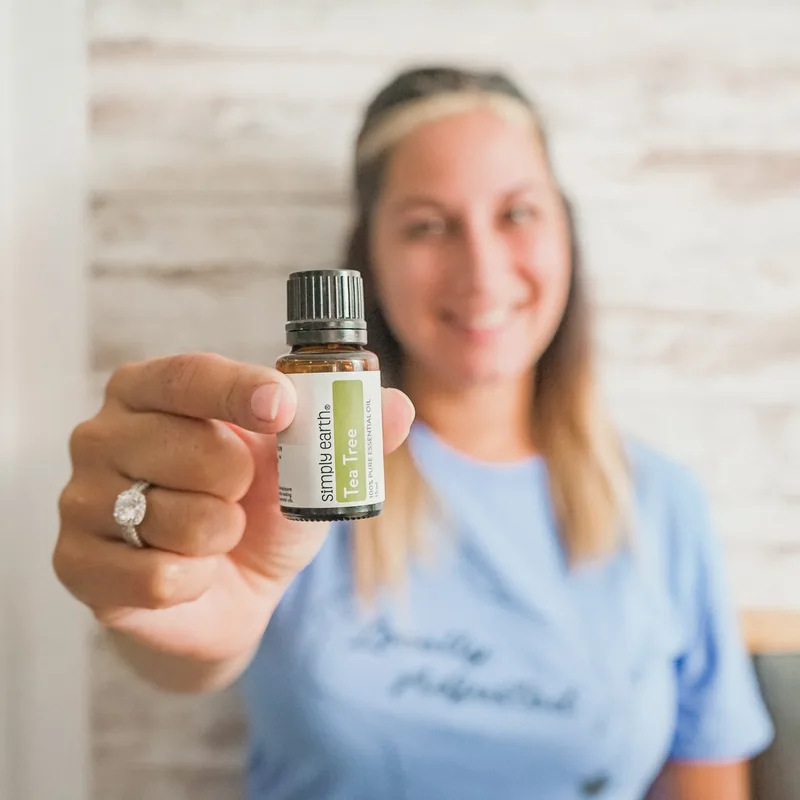
The Chemistry
The Science Behind Tea Tree Oil
Three naturally occurring compounds account for tea tree's sharp, medicinal, unmistakable character:
Terpinen-4-ol
The signature compound
The dominant constituent in tea tree oil and the one that gives it its character. Terpinen-4-ol is what separates tea tree from its cineole-heavy relatives, and it's the compound most of the scientific literature on tea tree is interested in. When you read a GC/MS report for this oil, this is the line people look at first.
γ-Terpinene
Fresh · Sharp · Structural
A naturally occurring monoterpene found across a wide range of aromatic plants, and the second of the three constituents Simply Earth lists for tea tree. It contributes to the oil's fresh, sharp top character. It's also the fraction most prone to oxidising, which is why an old, badly stored bottle smells harsher than a fresh one.
α-Terpinene
Woody · Camphoraceous
The third constituent on Simply Earth's list, adding to the woody, camphoraceous depth underneath the sharper notes. Together with γ-terpinene it forms the supporting structure around terpinen-4-ol — the reason tea tree reads as medicinal rather than simply citrusy or green.
Simply Earth's Tea Tree Essential Oil is steam-distilled from the leaf of Melaleuca alternifolia. We third-party test our oils and publish the results, and we never blend them with synthetic fragrance, fillers or extenders. See Our Testing →
Use It Right
Things to Remember When Using Tea Tree Oil
Always dilute before applying to skin. 1–2% is plenty for daily use — 1–2 drops per teaspoon of carrier oil. Simply Earth's maximum is 5%, for short and targeted use. See our dilution chart.
Safe for kids age 2+. The gentlest oil in its family — cajeput and eucalyptus are both 10+. Still dilute conservatively and keep bottles out of reach.
Not recommended during pregnancy. Simply Earth lists tea tree as not pregnancy safe. Check with your provider before using it if you are breastfeeding.
Not cat safe, and not dog safe. Never apply it to a pet, and give animals a way out of the room before you diffuse.
Keep away from eyes and mucous membranes. If contact happens, flush with a carrier oil rather than water.
Patch test, especially on reactive skin. Tea tree is a common cause of contact sensitivity, and oxidised oil irritates more than fresh. Test the inner arm first.
Never ingest it. Not diluted, not in water, not as a gargle — and that applies to healthy adults too.
Store cool, dark and tightly capped. Simply Earth lists a 3-year shelf life. If the smell turns sharp or plasticky, replace the bottle.
These statements have not been evaluated by the Food and Drug Administration. Essential oils are not intended to diagnose, treat, cure, or prevent any disease.
Real Results
What Earthies Are Saying
"I love that I can personalize it and I have made multiple small jars with different oils — tea tree for mild breakouts, clary sage for an uplift, lavender for calm. Thank you for creating great safe products."
CAROLYN N
Website Review • Face Wash Powder
"I am loving this powder! Made the tea tree exfoliating wash and added a pinch of sea clay and my skin feels amazing. My skin has never felt better."
Angela Brennan
Website Review • Face Wash Powder
"These conditioner bars are my new absolute favorite. The ingredients make the formulation so smooth and your hair silky! The smell is amazing with lavender and tea tree oil. These oils are amazing for all types of hair."
Alexandria D
Website Review • DIY Conditioner Bar Kit
OUR SIMPLY PURE PROMISE
What Goes Into Your Products Matters
Certified 100% Pure
No fillers, no synthetics. Just pure oil.
GC/MS Third-Party Tested
Every batch independently verified.
Ethically Sourced from Quality Farms
Responsibly harvested. People and planet first.
15mL
Bottle Size
MLM brands: 10mL
$12.99
Per Bottle
MLM brands: $25–55+
Public
GC/MS Tests
MLM brands: Rarely
Your Order Changes Lives: 13% of profits fight human trafficking globally.
Tea Tree Essential Oil FAQ
The questions people actually ask about tea tree — from safe dilution to whether the pets can stay in the room.
What is tea tree oil good for? +
Simply Earth lists seven uses for tea tree — reducing the appearance of breakouts, soothing skin, easing itching, soothing the scalp, cleansing skin, household cleaning, and supporting respiration. In practice that makes it a skincare oil, a hair-care oil and a cleaning oil in one bottle, which is why it's nicknamed "first aid in a bottle."
Can you put tea tree oil directly on your skin? +
No — dilute it first. Tea tree is potent enough that undiluted use is a common cause of irritation and contact sensitivity. Use 1–2% for everyday topical use (1–2 drops per teaspoon of carrier oil), and patch test on the inner arm before applying it more widely.
Can you drink tea tree oil? +
No. Tea tree oil should never be swallowed — not diluted in water, not as a gargle, not in a capsule. Despite the name, it has no connection to the tea plant and is not a beverage ingredient. Keep it out of reach of children.
What does tea tree oil smell like? +
Sharp, medicinal and woody with a camphoraceous edge — it reads as "clean" rather than pleasant, which is part of why it works so well in cleaning recipes. If you want the same family of scent in something softer, cajeput is camphorous and fruity, and eucalyptus is cleaner and more herbaceous.
Is tea tree oil safe for kids? +
Simply Earth lists tea tree as kid safe from age 2, which makes it the gentlest oil in its family — cajeput and eucalyptus are both 10 and up. Dilute conservatively for children, keep it away from faces and hands that end up in mouths, and use the diffuser rather than steam inhalation for young kids.
Is tea tree oil safe for cats and dogs? +
No. Simply Earth lists tea tree as neither cat safe nor dog safe. Never apply it to an animal, and make sure pets can leave the room before you diffuse it. If you want a Melaleuca-family oil that is listed as cat and dog safe, cajeput is the one to look at.
What's the difference between tea tree and eucalyptus oil? +
They're related but chemically distinct. Tea tree leads with terpinen-4-ol and is used mostly for skin, scalp and cleaning; eucalyptus globulus leads with 1,8-cineole and is used mostly for respiration and seasonal discomfort. Tea tree is kid safe from 2; eucalyptus is 10+. See the comparison table above for the full side by side.
How long does tea tree oil last? +
Simply Earth lists a 3-year shelf life. Store it capped, cool and out of direct light. Tea tree's terpinene fraction oxidises over time, so an old bottle smells harsher and is more likely to irritate skin — if the smell has turned sharp or plasticky, use it for cleaning and open a fresh bottle for anything topical.
About the Author: Katie Veldkamp
Katie Veldkamp
Certified Aromatherapist · Co-Founder, Simply Earth
Katie Veldkamp is a Certified Aromatherapist and co-founder of Simply Earth. She personally formulates and reviews SE's essential oil blends and verifies all benefit claims on Simply Earth content before it goes live.
Join 20,000+ Earthies Making Their Homes Natural
New recipes, usage guides, and DIY tips — delivered free.
No spam. Unsubscribe any time.

Learn by doing
Make your own natural products every month.
The Simply Earth Recipe Box ships 6 essential oils, 4 DIY recipes, and all the supplies — $39/month. Cancel anytime.
Start My Recipe Box40% off your first box with code NEWBOX.