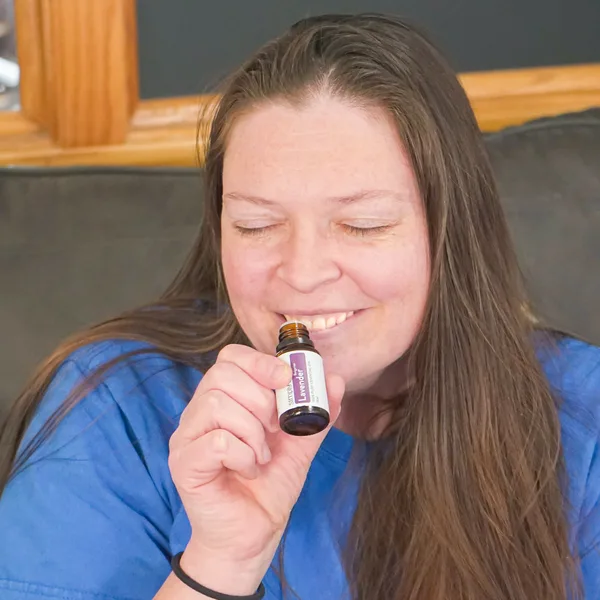
15 Best Essential Oils for Soap Making

Katie Veldkamp
Lead Certified Aromatherapist
NAHA Certified Aromatherapist • 6,000+ Five-Star Reviews
Fragrance oils smell loud in the bottle and flat in the bar. Essential oils do the opposite — they bring real plant compounds into something you use every single day. The catch is that soap is a hostile place for a scent: heat, water and a high-pH base all pull at it. These 15 oils are the ones that earn their place, plus how each one actually behaves once it is in the base.
DIY Soap Secrets! The BEST Essential Oils for Perfect Scented Bars
Melt and pour is the fastest way into soap making — the base is already saponified, so there is no lye to handle and no six-week cure. You melt, scent, colour, pour, and you have a finished bar in under an hour.
Scent is where most first batches go wrong. Soap is mostly water and surfactant at a pH your skin would never tolerate on its own, and it goes into the mould warm. Light citrus top notes flash off, delicate florals can turn, and a few oils discolour. None of that is a reason to avoid essential oils — it is a reason to pick with it in mind.
"Add your oil after the base has cooled a little, not the second it goes liquid. That one change does more for scent strength than doubling the dose."
Below are the 15 we come back to, grouped the way a soap maker actually chooses: what it smells like, where it sits in a blend, and how it holds up in the bar.
THE SOAP MAKING SERIES
STEP 01
Soap Making 101

STEP 02
Best Ingredients

STEP 03
Best Recipes

STEP 04
Best Essential Oils

STEP 05 · COMING SOON
Complete Guide

Free Download
New to essential oils? Start with the free cheat sheet
One printable page covering what each oil does, how much to use, and how to dilute it safely.
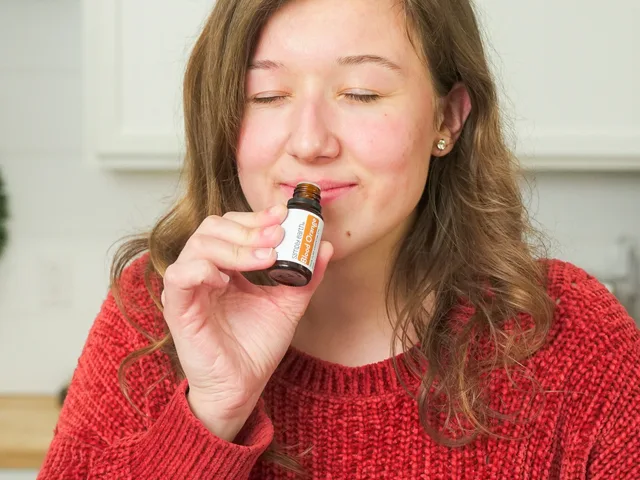
BEST FOR: BRIGHT, CHEERFUL CITRUS BARS
Blood Orange is sweeter and rounder than plain orange — less sharp, slightly berry-like. It is a top note, which means it hits first and leaves first, so it belongs in bars you will use within a few months rather than ones you are curing for a year. It is also the citrus we reach for when a bar needs to feel warm instead of tangy.
SOAP MAKER'S TIP
Anchor it. On its own Blood Orange fades noticeably within a few months. With a few drops of Ylang Ylang or Cedarwood per pound underneath it, the same blend still reads as citrus much later. Top notes need something to sit on.


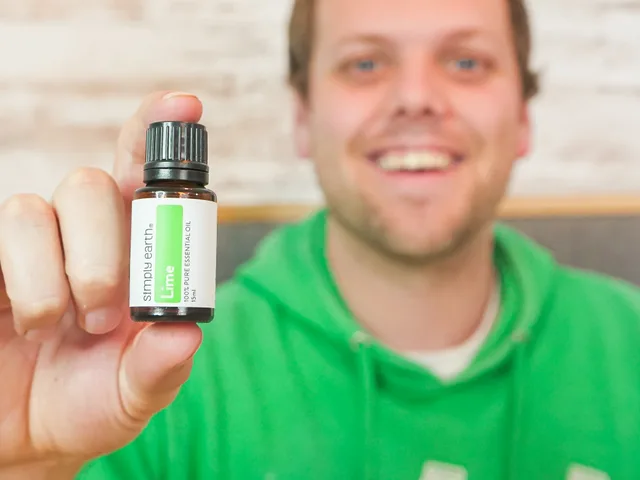
BEST FOR: CRISP, REFRESHING HAND BARS
Lime is the most cutting of the citruses — it reads as clean rather than sweet, which is why it works so well in kitchen and hand soap where you want the bar to smell like it is doing something. It pairs naturally with mint and eucalyptus and keeps blends from turning cloying.
SOAP MAKER'S TIP
Cold-pressed citrus oils are phototoxic on skin at high concentrations, but wash-off soap rinses away, so the concern is far smaller here than in a leave-on product like a lotion bar. Keep it at the usage rate either way.


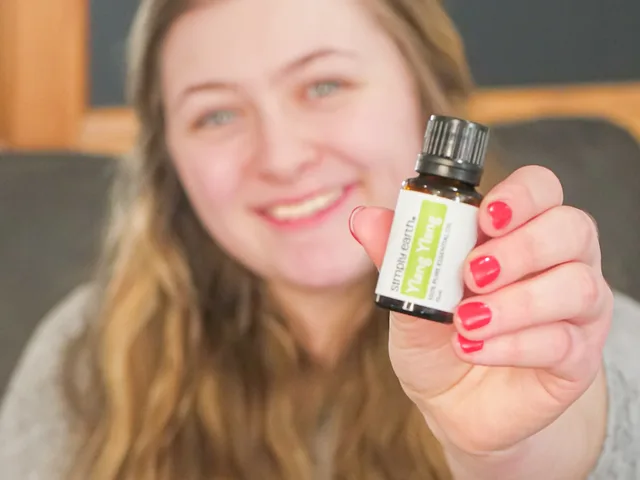
BEST FOR: MAKING A SCENT LAST
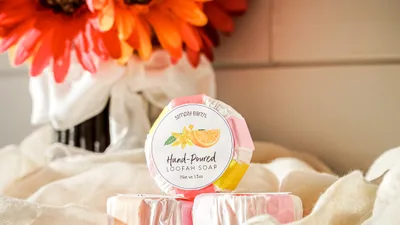
Heavy, sweet, banana-and-jasmine floral — and a base note, which is the reason it is on this list. Ylang Ylang is what stops the rest of your blend evaporating. A few drops under a citrus or herbal blend gives it depth and holds the whole thing together through the life of the bar. It is one of the two oils in our Lovely Loofah soap for exactly that reason.
SOAP MAKER'S TIP
Use less than you think. Ylang Ylang at full strength dominates a blend and can read soapy-perfumey in the bad way. Start at around a tenth of your total oil and let it support the blend rather than lead it.

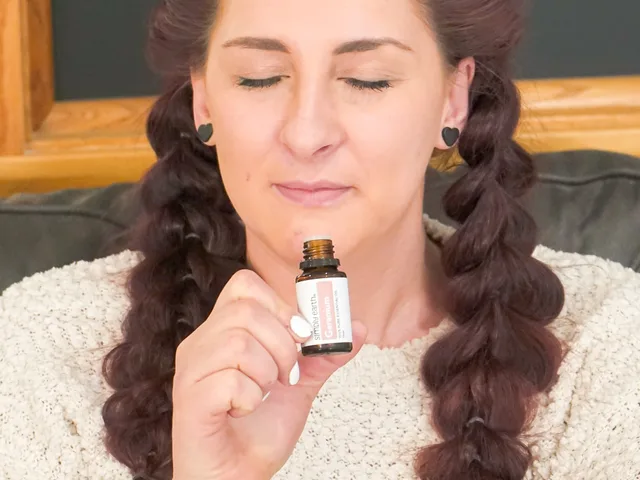
BEST FOR: FLORAL BARS + SENSITIVE SKIN
Geranium is the practical floral. It carries a soft, green, rose-adjacent scent that behaves well in soap, and it is a middle note so it neither flashes off nor overwhelms. It is also the floral we reach for in bars aimed at dry or reactive skin, which is why it turns up in our gentler recipes.
SOAP MAKER'S TIP
Geranium and citrus is the easiest sophisticated blend in soap making — try two parts Geranium to one part Blood Orange. It reads as a designer bar and takes two bottles.
TRY IT IN →

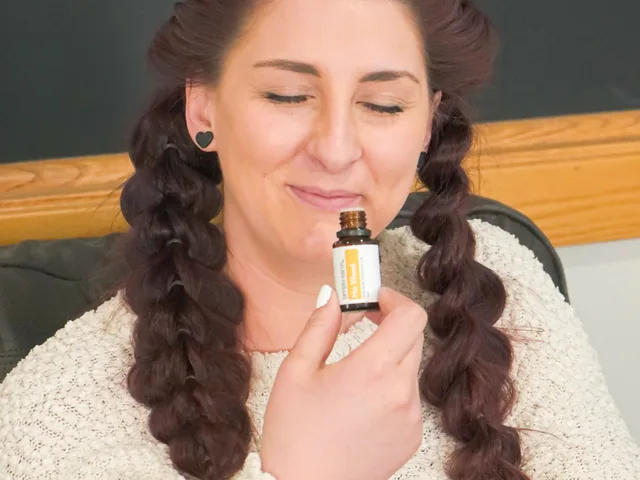
BEST FOR: CALM, SPA-STYLE BARS
Ho Wood is high in linalool, the same compound that gives lavender its recognisable softness, but delivered on a warm woody base instead of a herbal one. That combination makes it unusually useful in soap — it smells gentle, it anchors like a wood, and it does not fight with florals or citrus.
SOAP MAKER'S TIP
If a lavender bar keeps coming out smelling thin, replace a third of the lavender with Ho Wood. You keep the soft linalool character and gain staying power, because wood notes survive the base better than herbal top notes.


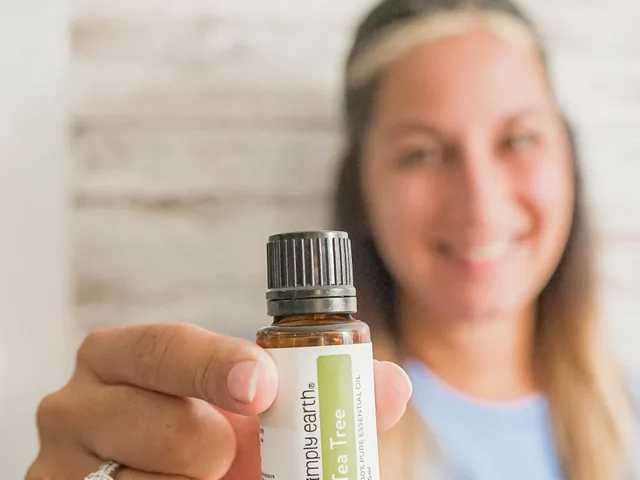
BEST FOR: CLARIFYING + CLEANSING BARS
Tea Tree has a sharp, medicinal, camphor-green scent that nobody would call pretty — and it is one of the most sought-after soap scents there is, because customers look for it by name for face and body bars. It is the traditional choice for blemish-prone and itchy skin. Treat the smell as part of the promise rather than something to cover up.
SOAP MAKER'S TIP
Pair it with Lavender or Lime rather than trying to bury it. A little sweetness rounds off the medicinal edge while the bar still smells unmistakably like tea tree, which is what the buyer actually wants.
TRY IT IN →


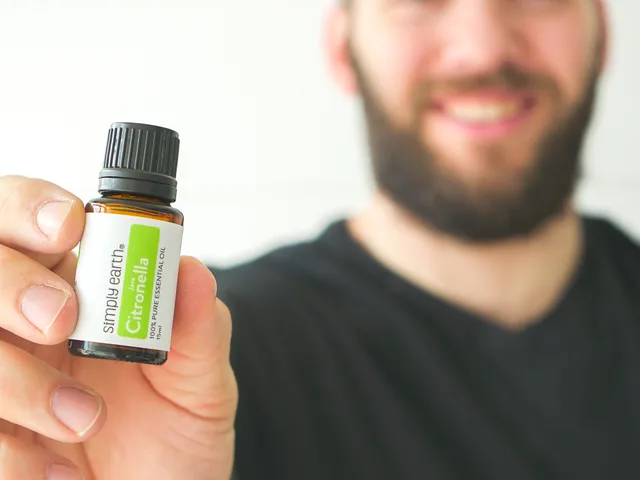
BEST FOR: OUTDOOR + SUMMER BARS
Most people only know Citronella from patio candles, which undersells it. In soap it gives you a fresh, grassy-lemon scent with better staying power than real lemon peel oil, at a lower price. If you want a bar that still smells like lemon months later, this is a more reliable route than citrus peel.
SOAP MAKER'S TIP
It is strong. Start at about half the amount you would use for a wood or floral and adjust up. Citronella will happily take over a blend, and in soap you cannot dial it back once it is poured.


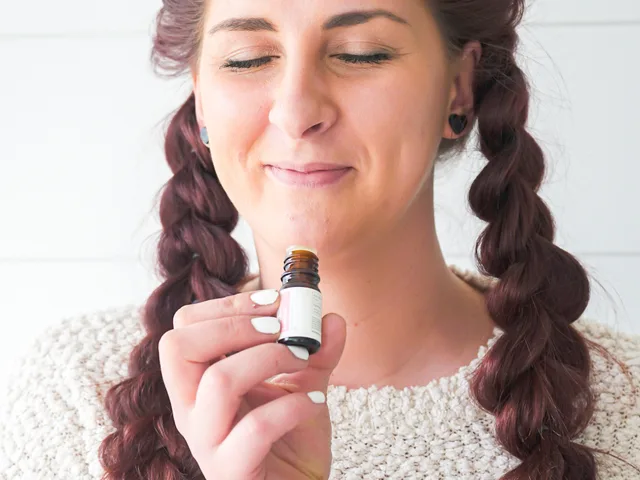
BEST FOR: GIFT + SPECIAL-OCCASION SOAP
Jasmine is the most expensive oil on this list by a wide margin, and worth being honest about. At $59.99 for 5mL, scenting a full pound of base at the normal rate is not realistic. Where it does work is as a few drops inside a larger floral blend, or in a small batch of gift bars where the cost per bar is still sensible. Nothing else smells like it.
SOAP MAKER'S TIP
Use it as a small fraction of a blend built on Geranium and Ylang Ylang. Those two carry the floral weight cheaply, and the Jasmine supplies the top-end character people notice — the impression of a jasmine bar for a few dollars.


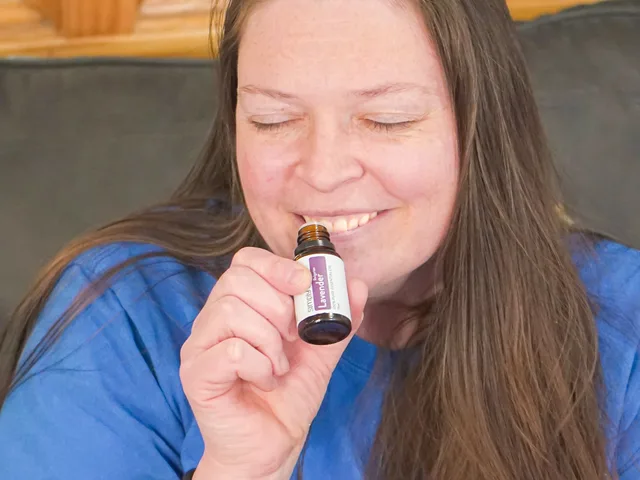
BEST FOR: YOUR FIRST BATCH
Lavender is the default for good reason — it is widely liked, it is gentle enough for a family bar, and it blends with nearly everything. One thing worth knowing is that there are two lavenders on our shelf and they are not interchangeable for this craft. The Bulgarian is the aromatherapy oil. Lavender 40/42 is the standardised one, blended to a consistent profile batch after batch — which is exactly what you want when a bar has to smell the same in November as it did in March.
SOAP MAKER'S TIP
For soap and candles specifically, reach for Lavender 40/42 at $11.99 — the consistency is the point, and it is the cheaper of the two. Keep the Bulgarian for roll-ons and diffuser blends where the finer nuance actually gets noticed.
TRY IT IN →

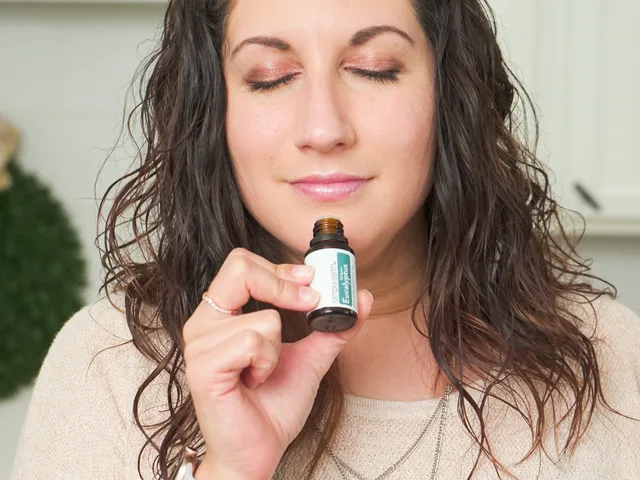
BEST FOR: SHOWER + MORNING BARS
Eucalyptus gives a bar that unmistakable cool, clearing lift — the reason shower-steamer and morning-soap recipes lean on it. At $10.99 it is the least expensive oil on this list, which matters when you are scenting several pounds of base at a time. It also holds up in the melted base rather than thinning out.
SOAP MAKER'S TIP
Eucalyptus plus Peppermint is the classic shower bar, but go roughly two parts eucalyptus to one part peppermint. Even weighting tips it into a sharp menthol smell that is uncomfortable near the face.

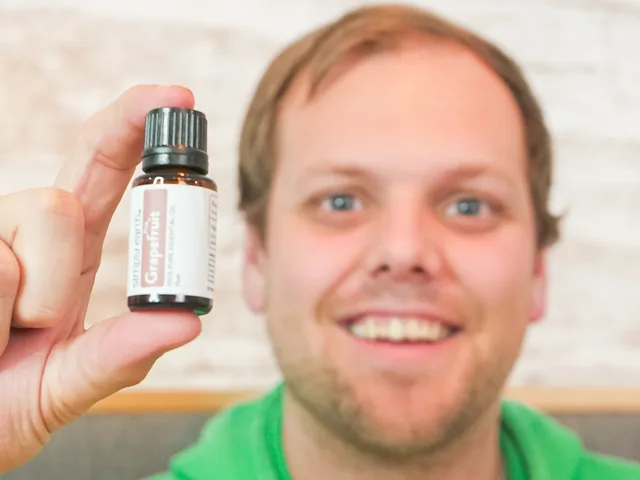
BEST FOR: FRESH, MODERN CITRUS BARS
Grapefruit is tart and slightly bitter where orange is sweet, and that bitterness is what makes it read as grown-up rather than candy. It is a top note like the rest of the citruses, so it wants anchoring. It is the citrus in both our Unicorn Soap and our solid dish bar.
SOAP MAKER'S TIP
Grapefruit is the citrus that plays best with herbs. Try it with Rosemary or Geranium instead of another citrus — stacking two citruses mostly gives you a louder version of the same note.
TRY IT IN →


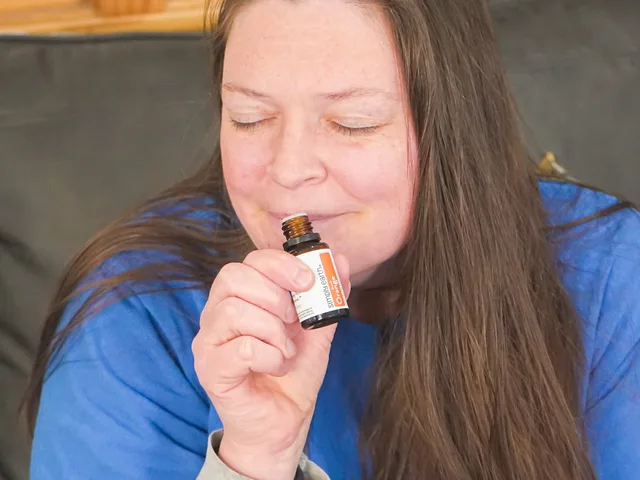
BEST FOR: FAMILY + KIDS' BARS
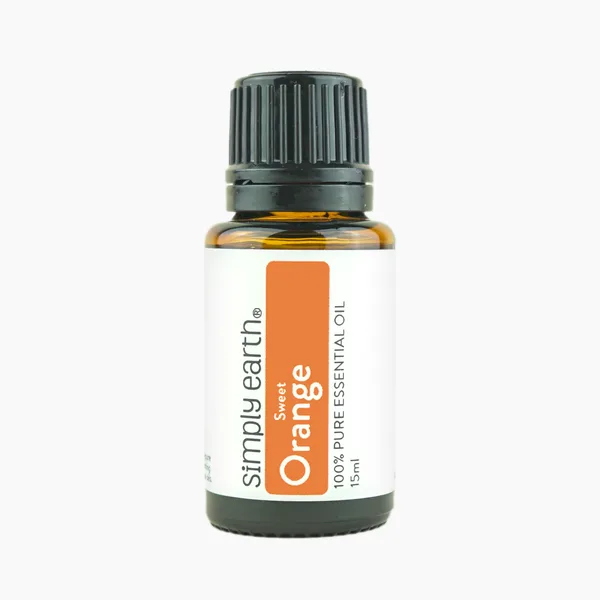
At $8.99 Sweet Orange is the best value scent in soap making, and it is almost universally liked — children especially. It is simple, sweet and cheerful rather than complex, which is exactly right for a bar that has to please everyone in the house. Being a light top note, it is also the fastest fader here.
SOAP MAKER'S TIP
Because it fades quickly, use Sweet Orange at the upper end of the usage rate — closer to 4½ teaspoons per pound than 2 — and wrap the finished bars promptly. Unwrapped citrus soap loses noticeable scent in a matter of weeks.

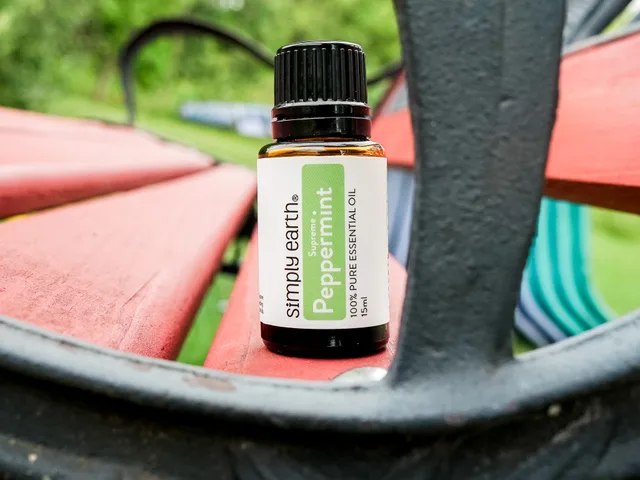
BEST FOR: ENERGISING MORNING BARS
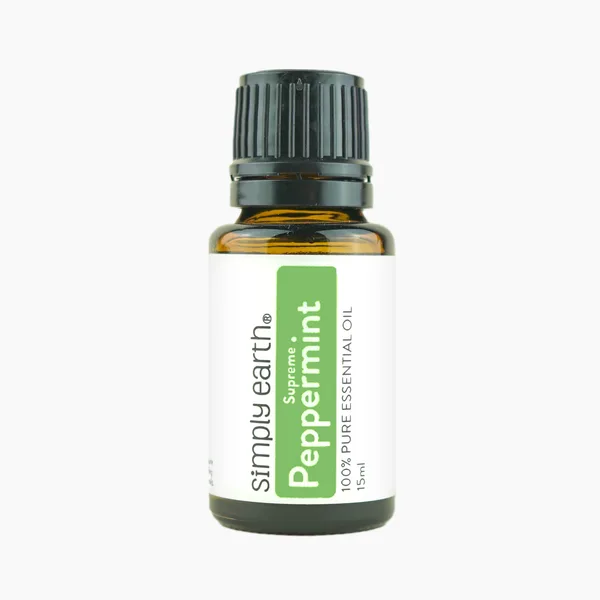
Peppermint is the only oil here with a physical effect you notice in the shower — the menthol gives a real cooling tingle on skin. That makes it excellent in a morning bar and a poor choice for a face bar or anything for small children. The scent is also strong and long-lasting, so it survives the base easily.
SOAP MAKER'S TIP
Keep peppermint bars away from the face, and off young children entirely — menthol is uncomfortable near the eyes and is not recommended on small children's faces or chests. Label these bars clearly if you are gifting them.

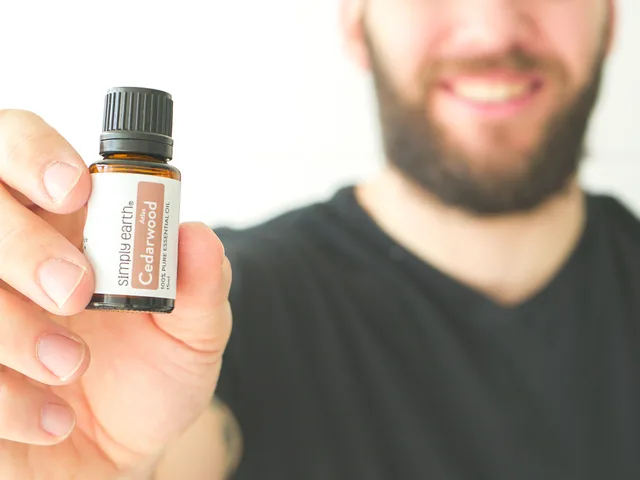
BEST FOR: MEN'S BARS + MAKING CITRUS LAST
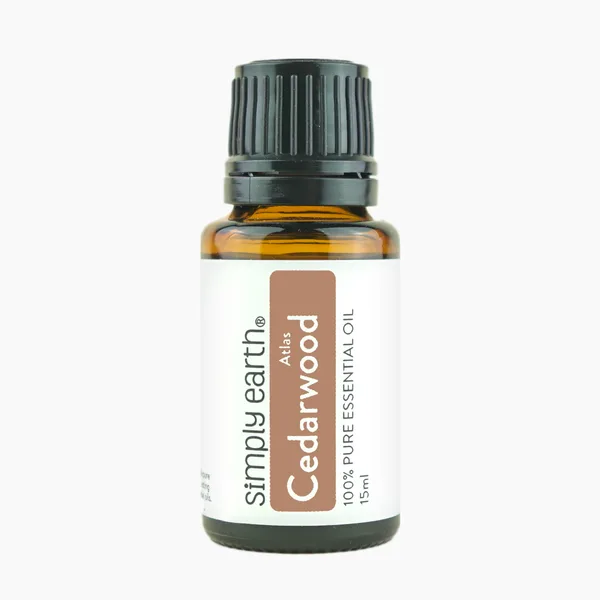
Dry, warm, pencil-shavings wood. Cedarwood Atlas is a base note at $9.99, which makes it the most cost-effective way to stop a blend evaporating — and it is the backbone of almost every bar marketed to men. It is also the oil that turns a one-note citrus soap into something with a middle and an end.
SOAP MAKER'S TIP
Cedarwood can darken a very pale base slightly over time, which looks like a flaw in a bright white bar and looks intentional in a cream, oatmeal or brown one. Plan the colour around it rather than fighting it.

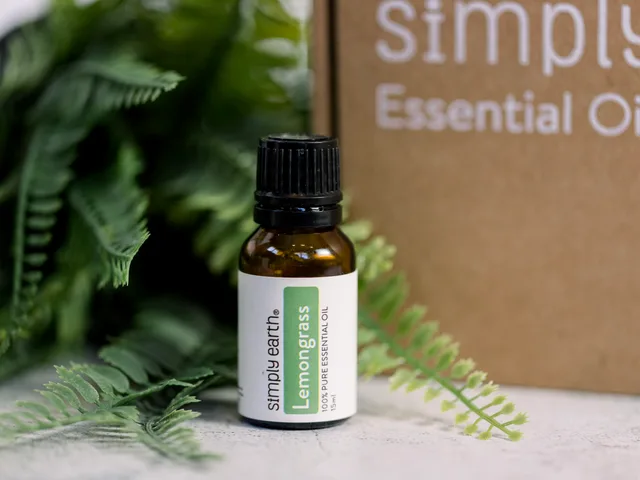
BEST FOR: LONG-LASTING LEMON
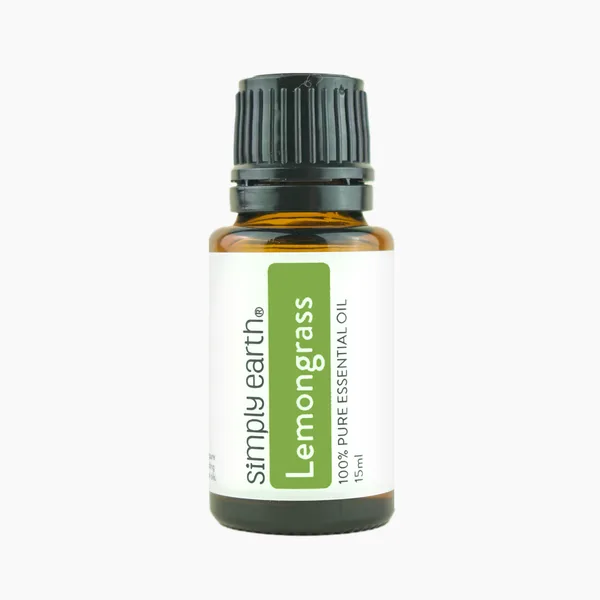
If you want a lemon bar, lemongrass is the more reliable choice than lemon peel oil — the scent is brighter, greener and considerably more tenacious, and it costs less. It is a middle note rather than a top note, which is the whole reason it holds. It is the scent in our Sweet Lemon Oatmeal Soap.
SOAP MAKER'S TIP
Lemongrass can be sensitising at higher concentrations, so keep it at or below the standard usage rate and skip it for baby bars. It is potent enough that you rarely want more anyway.

Scent Staying Power Matrix
Top notes hit first and leave first. Base notes are what make a bar still smell like something months later.
| Essential Oil | Note + Staying Power | Pick It When |
|---|---|---|
| Blood Orange | Top note — fades fastest | You want warm, sweet citrus and will use the bar soon |
| Lime | Top note — fades fast | The bar should smell clean and sharp, not sweet |
| Ylang Ylang | Base note — holds longest | You need to anchor a blend that keeps fading |
| Geranium | Middle note — holds well | You want a rose-like floral without the rose price |
| Ho Wood | Base note — holds well | Your lavender bars keep coming out too thin |
| Tea Tree | Middle note — holds well | Customers are asking for it by name |
| Citronella | Middle note — holds very well | You want lemon scent that lasts months |
| Jasmine | Middle note — holds well | Small batch of gift bars, used by the drop |
| Lavender | Middle note — moderate | It is your first batch, or a family bar |
| Eucalyptus | Top note — moderate | Shower bars, and you are scenting several pounds |
| Grapefruit (Pink) | Top note — fades fast | You want tart citrus with a bitter edge |
| Orange (Sweet) | Top note — fades fastest | Cheapest crowd-pleaser, especially for kids |
| Peppermint | Top note — holds very well | You want a bar that tingles, not just smells |
| Cedarwood Atlas | Base note — holds longest | Cheapest way to anchor, or a men's bar |
| Lemongrass | Middle note — holds very well | Long-lasting lemon at a lower price |
Get 10% Off the Best Essential Oils for Soap Making
Use code SOAPS10 at checkout for 10% off any of the 15 oils on this page.
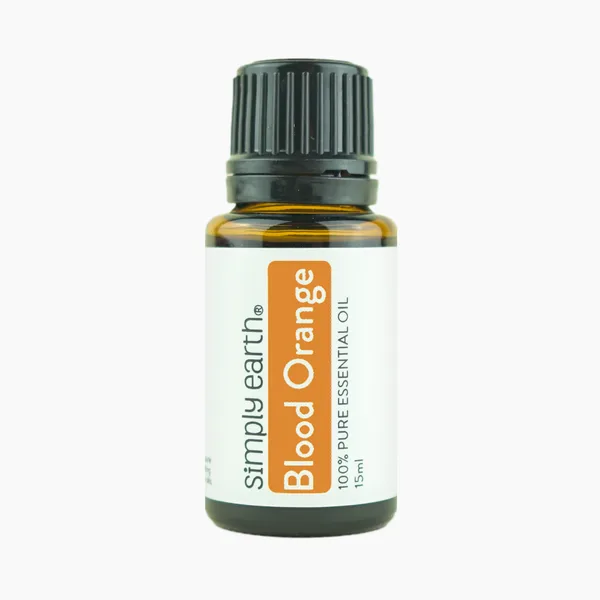
Blood Orange Essential Oil
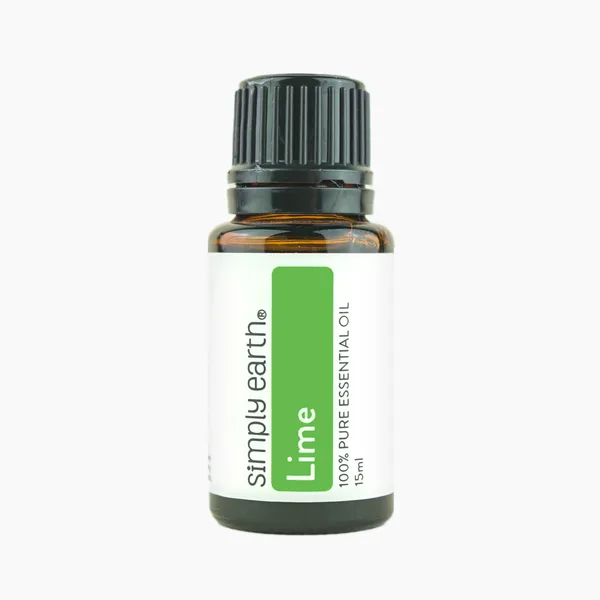
Lime Essential Oil
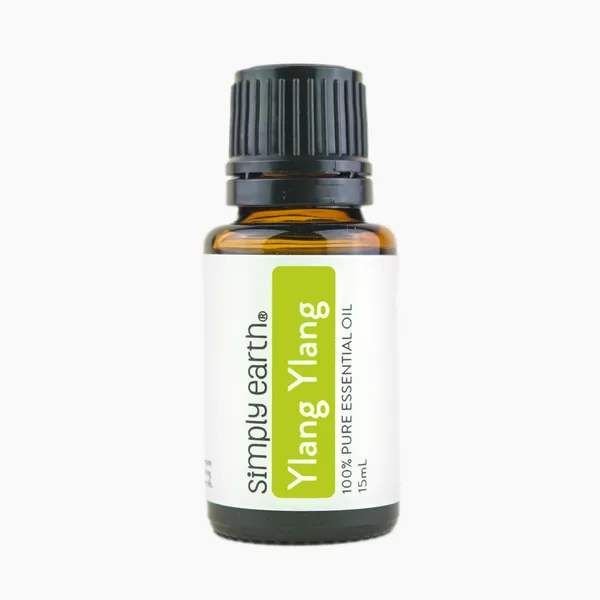
Ylang Ylang Essential Oil
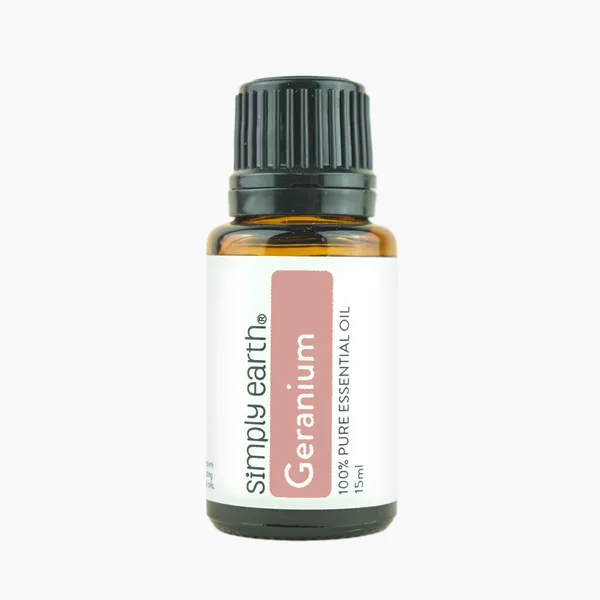
Geranium Essential Oil
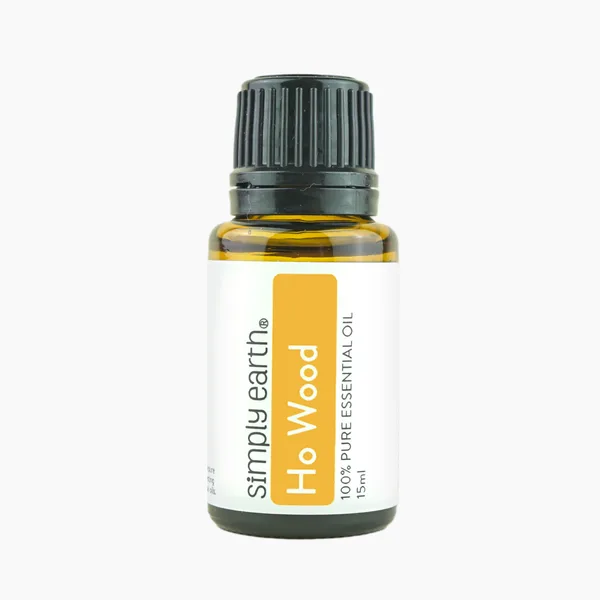
Ho Wood Essential Oil
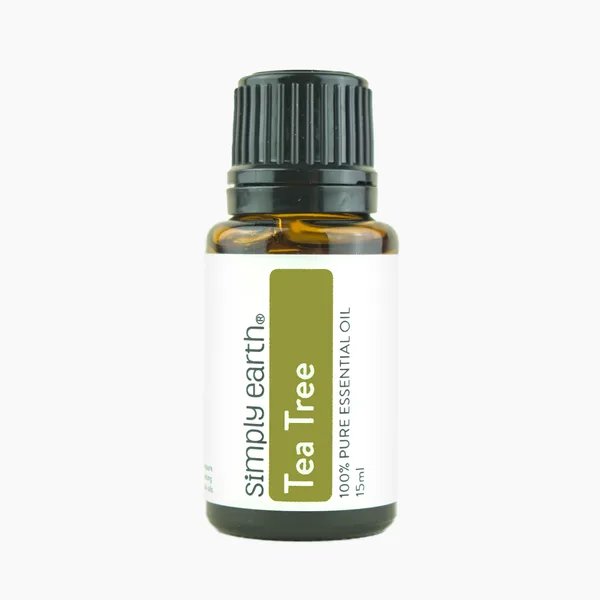
Tea Tree Essential Oil
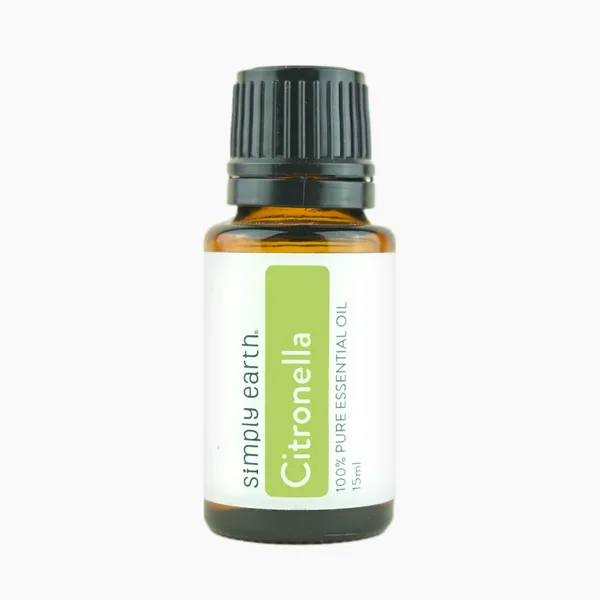
Citronella Essential Oil
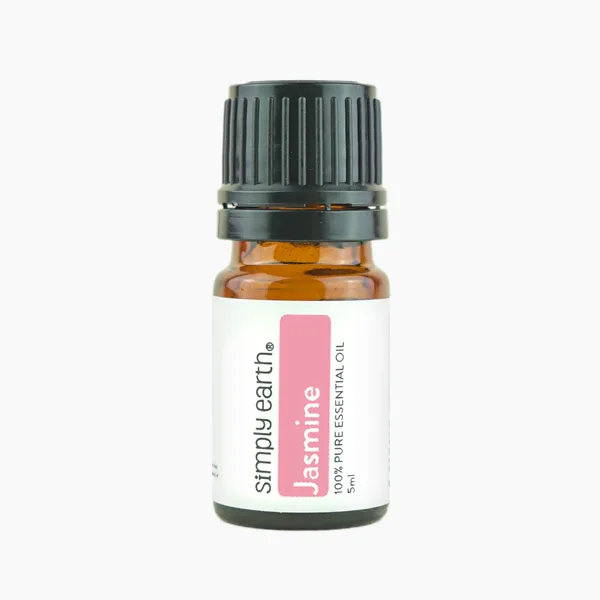
Jasmine Essential Oil
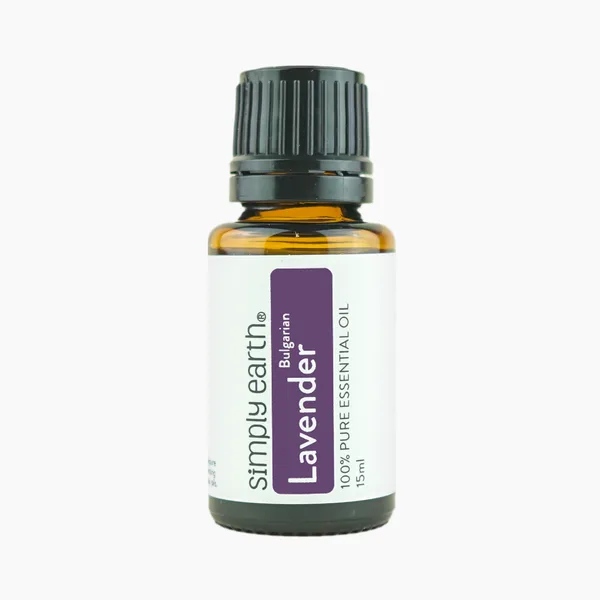
Lavender Essential Oil
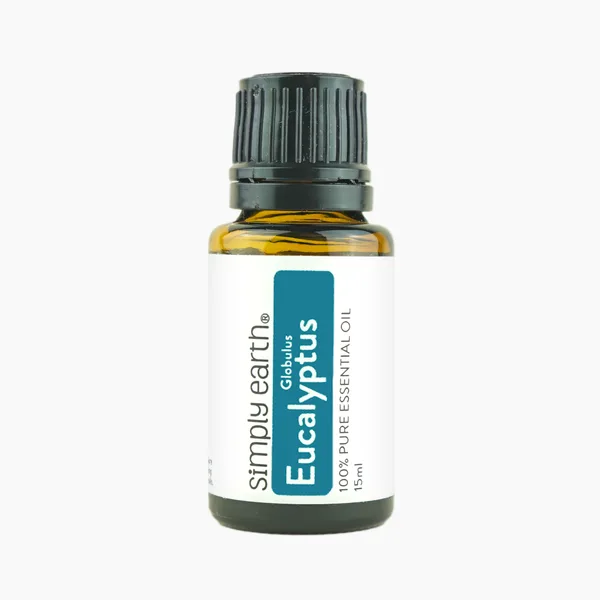
Eucalyptus (Globulus) Essential Oil
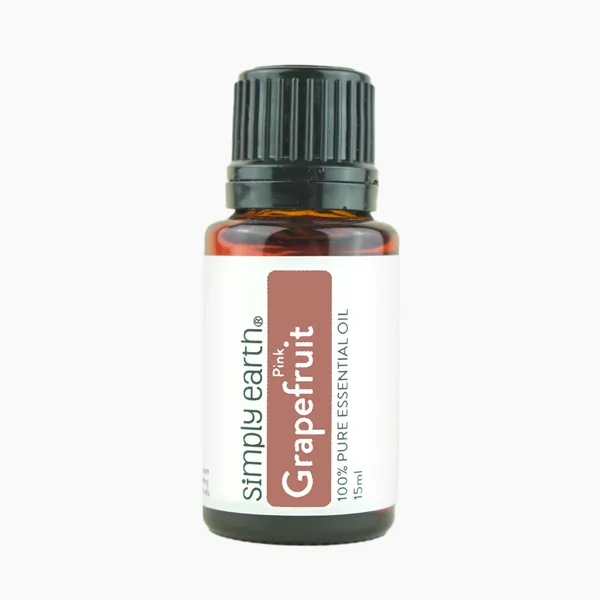
Grapefruit Essential Oil (Pink)
Orange (Sweet) Essential Oil
Peppermint Essential Oil
Cedarwood Atlas Essential Oil
Lemongrass Essential Oil
OUR SIMPLY PURE PROMISE
What Goes Into Your Soap Matters
Certified 100% Pure
No fillers, no synthetics. Just pure oil.
GC/MS Third-Party Tested
Every batch independently verified.
Ethically Sourced from Quality Farms
Responsibly harvested. People and planet first.
15mL
Bottle Size
MLM brands: 10mL
$9-19
Per Oil
MLM brands: $25-55+
Public
GC/MS Tests
MLM brands: Rarely
Your Order Changes Lives: 13% of profits fight human trafficking globally.

Key Takeaways
- Use 2 teaspoons (0.3 oz) of essential oil per pound of soap base for a clear, noticeable scent, or up to 4½ teaspoons (0.7 oz) if you want it bold.
- Add your oil after the base has cooled slightly rather than at full melt — less scent flashes off, and that single change does more than doubling the dose.
- Every citrus bar needs an anchor. Blood Orange, Lime, Grapefruit and Sweet Orange all fade fast on their own; a few drops of Cedarwood or Ylang Ylang underneath makes them last.
- For soap specifically, Lavender 40/42 beats Bulgarian lavender — it is standardised to a consistent profile, so your bars smell the same batch after batch, and it costs less.
- Go easy on the potent ones. Cinnamon and clove irritate skin, peppermint should stay off faces and young children, and lemongrass can sensitise — patch test any new blend.
Soap Making Scent FAQ
The questions we get most about getting essential oils to behave in a bar of soap.
How much essential oil do I add to melt and pour soap? +
Two teaspoons (about 0.3 oz) per pound of soap base gives a delicate but clearly noticeable scent — roughly a 2% usage rate. For a bolder bar, go up to 4½ teaspoons (0.7 oz) per pound. Be more conservative with potent oils like cinnamon and clove, which can irritate skin.
When should I add essential oil to my soap? +
After the base has melted and cooled slightly, not the moment it turns liquid. Essential oils are volatile, so the hotter the base, the more scent evaporates before the bar ever sets. Stir it in evenly and check for hot spots — unmixed pockets of neat oil can irritate skin and ruin the bar.
Why does my soap lose its scent? +
Almost always because the blend is all top notes. Citrus oils like orange, lime and grapefruit are the first to go. Add a base note — Cedarwood Atlas and Ylang Ylang are the cheapest and most effective — and wrap the finished bars promptly. Unwrapped citrus soap can fade noticeably within weeks.
Can I use fragrance oils instead of essential oils in soap? +
You can, and they hold scent longer and cost less. The difference is what is in them: fragrance oils are synthetic and provide scent only, while essential oils are distilled plant material that brings its own character to the bar. If you are making soap for your own skin rather than purely for scent, essential oils are worth it.
Which essential oils should I avoid in soap? +
None of the 15 here are off-limits, but handle a few with care. Cinnamon and clove irritate skin at normal soap concentrations. Peppermint should stay off faces and away from young children. Lemongrass can sensitise with repeated use, and cold-pressed citrus oils are better suited to wash-off products like soap than to leave-on ones.
Do essential oils behave differently in cold process soap? +
Yes. Cold process soap is strongly alkaline and generates its own heat while it saponifies, which is harder on a scent than melt and pour. Some oils discolour, and some florals and spices speed up trace, giving you less working time. If you are starting out, melt and pour is the more forgiving place to learn how a scent behaves.
Which essential oil is best for a beginner's first bar of soap? +
Lavender or Sweet Orange. Both are widely liked, both are gentle enough for a family bar, and neither is fussy about how you handle it. Make one bar with a single oil before you try blending — it teaches you what that oil actually smells like once it is in soap, which is never quite what it smells like in the bottle.
The Journey Continues
Complete the Soap Making Series
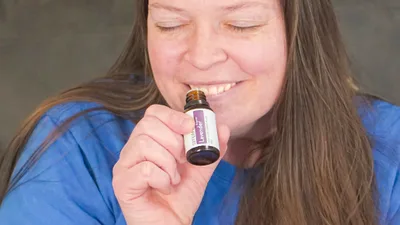
About the Author: Katie Veldkamp
Katie Veldkamp
Certified Aromatherapist · Co-Founder, Simply Earth
Katie got hooked on oils — then got mad at the prices. So she got certified, flew to farms, and built Simply Earth so nobody has to wonder what's really in their bottle. Over 100,000 customers later, she still writes every guide herself.
The Free Essential Oil Guide
Simply Earth's free starter guide — what each oil is for, how to dilute it, and how to use it safely at home.
- What each essential oil is for
- Safe dilution and usage basics
Join 47,000+ subscribers making healthier choices naturally.
Free. No spam. Unsubscribe anytime.