20 Best Essential Oils for Lotions and Balms

Katie Veldkamp
Lead Certified Aromatherapist
Fact Checked & Approved
DIY Whipped Foot Lotion with Essential Oils
Every lotion and balm is really two decisions. The first is the base — the shea, the beeswax, the jojoba — and that decides how the product feels. The second is the essential oil, and that decides what the product is for.
That second decision is where most homemade skincare goes wrong. People pick the oil they like the smell of, put it in everything, and end up with eight jars that all do the same thing. A body butter for cracked winter hands wants a different oil from a facial balm for redness, which wants a different oil again from the massage lotion you reach for after a long day on your feet.
Below are the 20 essential oils worth keeping for lotions and balms, what each one actually contributes, and — for every single oil on the list — a real Simply Earth recipe you can make with it this weekend.
THE LOTIONS & BALMS SERIES

In this Guide
Free Guide
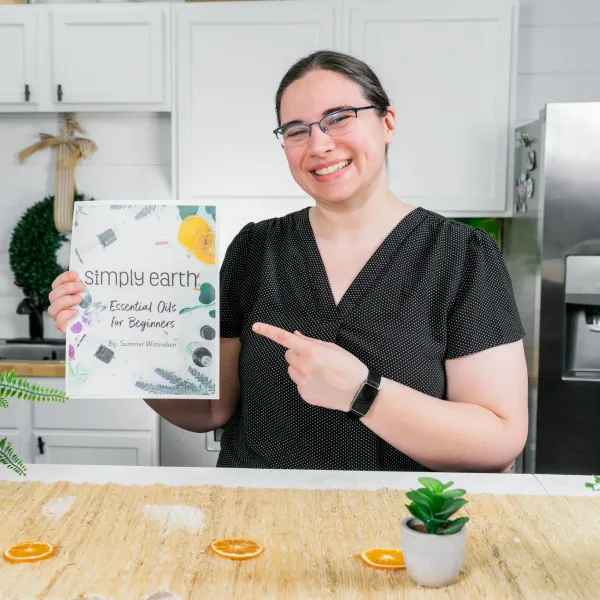
New to essential oils? Start here
The free Essential Oils for Beginners guide — what each oil is for, and how to dilute it safely.
BEST FOR: FIRMNESS + DRY, CHAPPED SKIN
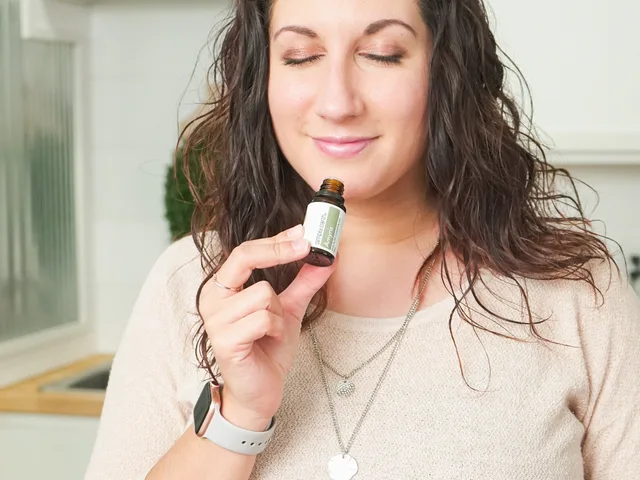
Amyris is the oil to reach for when you want richness without heaviness. It is a light, non-greasy oil with a soft sweet-woody scent, so it blends into a whipped butter or a face balm without leaving that occlusive film heavier oils can. Traditionally it is used to support firmness and elasticity and to soften the look of fine lines, and it is gentle enough that it suits the dry, chapped patches that show up on knuckles and shins in winter.
AROMATHERAPIST TIP
Amyris is a base note, so it anchors a blend and slows how fast the brighter citrus oils flash off. Add it last, at 2–3 drops per ounce of finished butter, and your citrus top notes will still be there a week later.


BEST FOR: DULL SKIN + NOURISHING LOTIONS
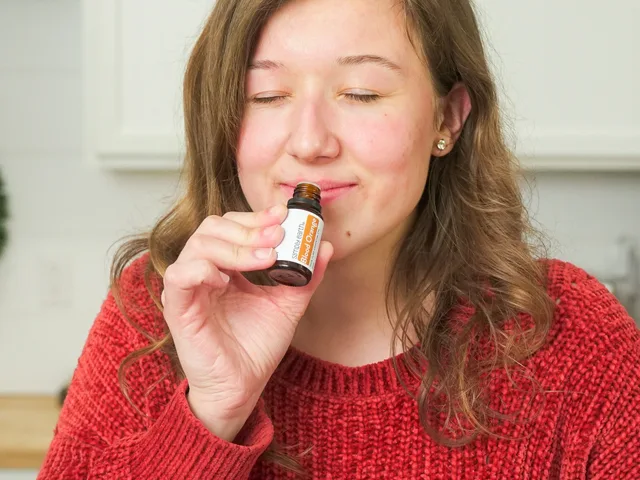
Blood Orange brings the cleansing character of a citrus oil with a deeper, almost berry-like sweetness that ordinary sweet orange does not have. It is rich in antioxidant compounds, which is why it turns up so often in nourishing lotions and hydrating balms — the kind you want to leave skin looking soft and lit-from-within rather than merely moisturised.
AROMATHERAPIST TIP
Citrus oils oxidise faster than woods or resins. Make Blood Orange lotions in small batches, keep the jar out of direct sun, and use them within about three months while the scent is still bright.


BEST FOR: MASSAGE LOTIONS + COLD-CREAM BLENDS
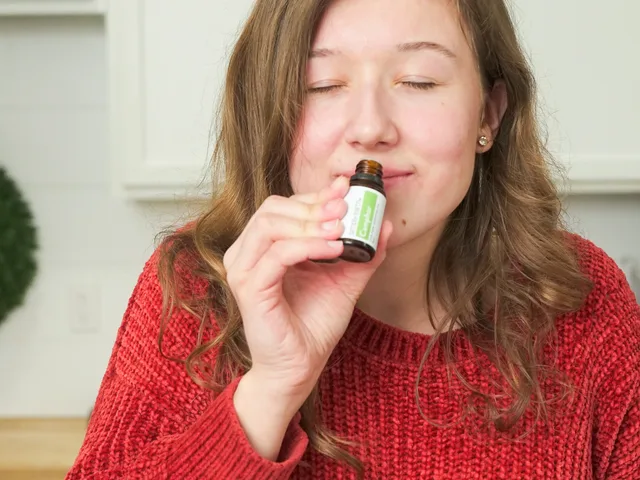
Anyone who grew up with a jar of cold cream already knows what Camphor does in a balm. It has a long history in products made to cleanse and tone, and its sharp, cooling-then-warming character is what makes it a natural fit for a massage lotion you rub into tired legs or shoulders. It is a genuinely strong oil, which is exactly why it belongs in a low-dilution balm rather than a leave-on face cream.
AROMATHERAPIST TIP
Camphor is potent — keep it to the low end of your dilution and never treat it as a scent oil you can be generous with. Check the dilution chart before you blend, and leave it out of anything you are making for young children.
TRY IT IN →


BEST FOR: WINTER BALMS + UNISEX SCENT
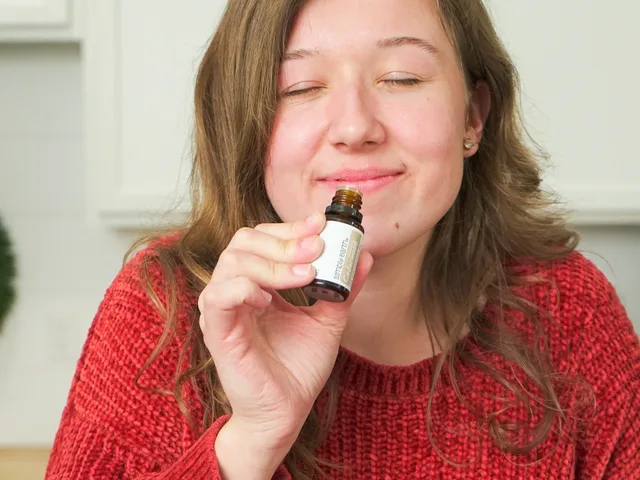
Himalayan Cedarwood is the quiet workhorse of a balm cabinet. It is soothing and cleansing on skin, but the real reason it earns its place is scent architecture: a warm, dry, woody base that keeps a balm from smelling like dessert. If you have ever made a body butter that came out sweeter than you wanted, cedarwood is the correction.
AROMATHERAPIST TIP
Cedarwood is one of the few oils here that reads as unisex, so it is the one to use when you are making balms as gifts and do not know whose bathroom shelf they will land on.
TRY IT IN →


BEST FOR: SOFTENING SCRUBS + CLEANSING BARS
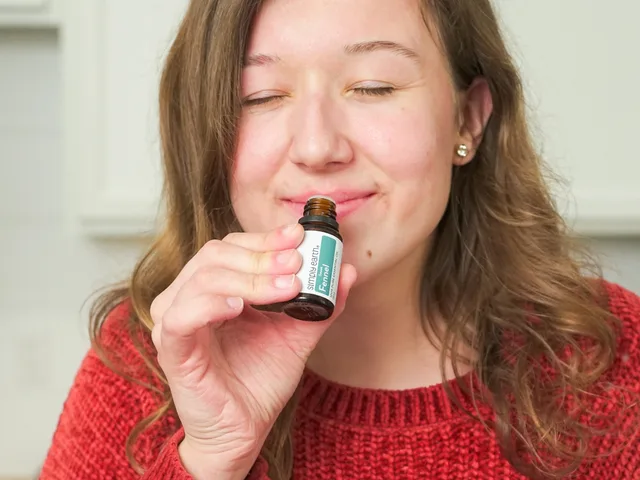
Sweet Fennel is an unusual pick for skincare and an underrated one. It has a clean, faintly liquorice-sweet aroma and is used to cleanse while leaving skin feeling soft rather than stripped — which is why it works better in a sugar scrub or a cleansing bar than in a heavy occlusive balm. It is the oil for the step before you moisturise.
AROMATHERAPIST TIP
Fennel is often avoided during pregnancy. If you are making scrubs as gifts, label the blend with its oils so the person receiving it can make their own call.
TRY IT IN →

BEST FOR: REDNESS + FACIAL BALMS
Geranium is the one to reach for when the skin you are formulating for looks irritated rather than dry. It is used to soothe and to soften the look of redness, and it has a rosy, green, faintly minty scent that makes a face cream smell expensive. Of the twenty oils here it is probably the most at-home in a leave-on facial product.
AROMATHERAPIST TIP
Geranium and Lavender together is the most forgiving combination in facial balms — Geranium carries the scent, Lavender rounds off its sharper green edge. Start at 2:1 Lavender to Geranium.


BEST FOR: ALL-PURPOSE LOTIONS + BALMS
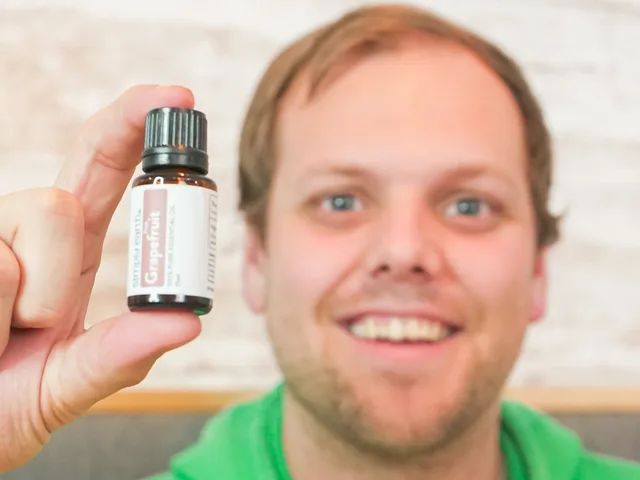
If you are only going to buy one citrus oil for lotions and balms, make it Pink Grapefruit. It is cleansing, it is used to support a brighter-looking complexion, and its scent does something the other citruses do not — it reads as fresh rather than sweet, so it works in a morning body lotion and a lip balm and a beauty balm without tasting like candy.
AROMATHERAPIST TIP
Grapefruit is the citrus that plays best with woods. Pair it with Cedarwood or Amyris in a body butter and you get a scent that lasts through the day instead of vanishing in an hour.


BEST FOR: TARGETED REPAIR BALMS + SALVES
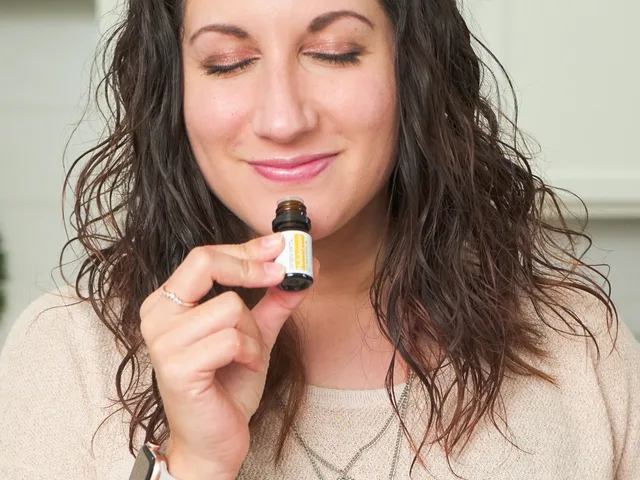
Helichrysum — "Immortelle" — is the oil people buy specifically for skin, and it is the most expensive bottle on this list for a reason. It is used to support rejuvenation and to help the look of scarring and uneven patches, and it belongs in a small, targeted balm rather than a whole-body lotion. This is a spot-treatment oil, not a slather-everywhere oil.
AROMATHERAPIST TIP
Do not waste Helichrysum in an eight-ounce body butter. Make a half-ounce repair balm instead — the same few drops go into something you will actually use where it counts.
BEST FOR: NIGHT LOTIONS + SOLID LOTION BARS
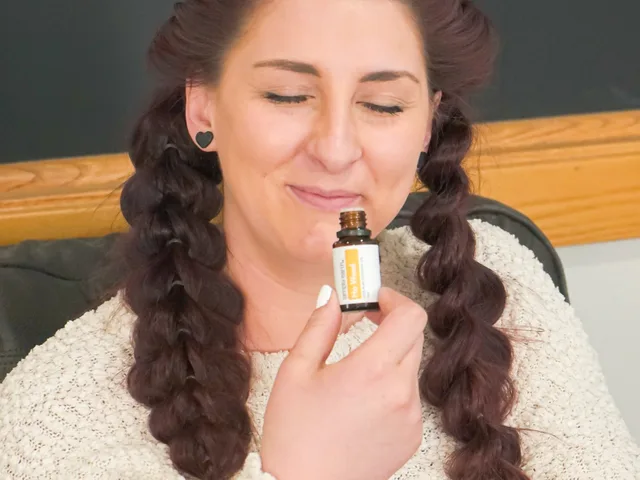
Ho Wood is the gentler, more affordable cousin of rosewood, high in linalool — the same calming component that makes Lavender what it is, but in a softer, sweeter, woody package. It is used to soothe skin and to settle the mind, which is a rare combination and exactly what you want in the lotion that lives on a nightstand.
AROMATHERAPIST TIP
If Lavender is not a scent you enjoy but you still want a wind-down lotion, Ho Wood is the swap. It does a similar job aromatically without the herbal note some people find sharp.


BEST FOR: MUSCLE BALMS + HAND SALVES
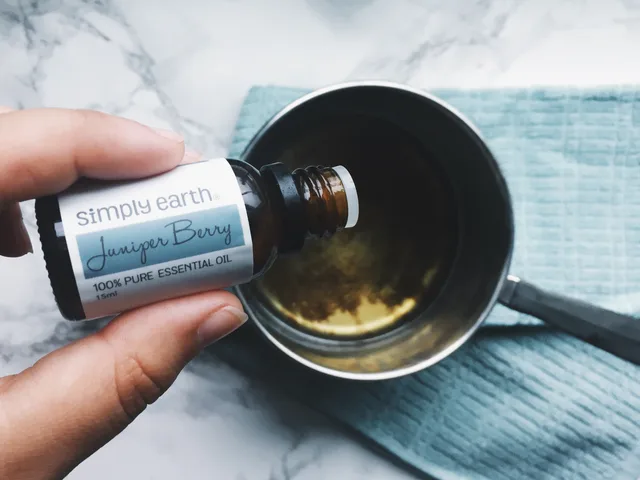
Juniper Berry has a crisp, green, gin-like aroma and a reputation as a mild muscle relaxant, which is why it shows up in nearly every rescue balm and heavy-duty hand salve we make. It is also used to support the look of tired, congested skin. Think of it as the oil for products that get used after something physical rather than before bed.
AROMATHERAPIST TIP
Juniper Berry and Lavender in a whipped body butter is the post-gym combination worth memorising — Juniper for the muscles, Lavender to keep the scent from going too austere.


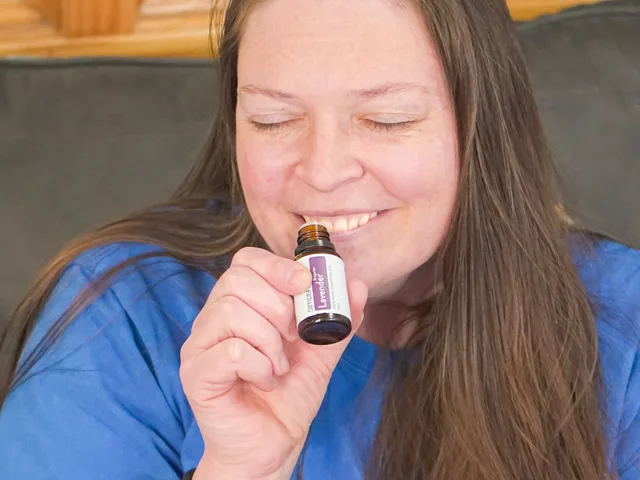
BEST FOR: BEGINNERS + BEDTIME LOTIONS
Lavender has been called the Swiss Army Knife of essential oils and in a balm cabinet that is simply accurate. It is soothing and restorative on skin, calming to smell, well tolerated by most people including children, and it blends with every other oil on this list. If you are making your very first lotion, this is the oil that will forgive your mistakes.
AROMATHERAPIST TIP
Bulgarian Lavender is the sweeter, rounder of the lavenders — worth the small premium in anything leave-on, where the scent is what you live with for hours.


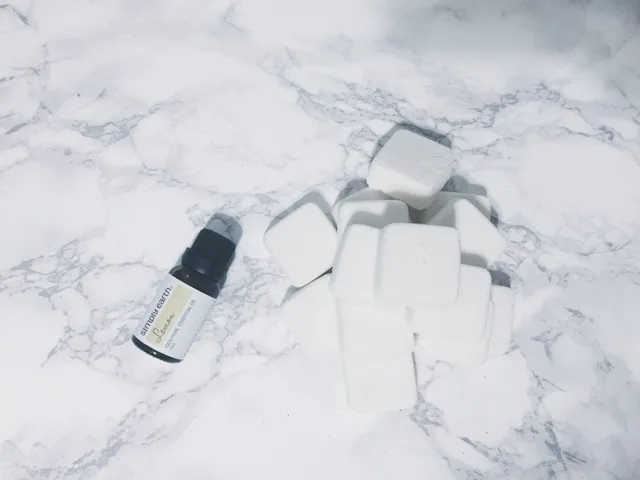
BEST FOR: MORNING LOTIONS + BEAUTY BALMS
Lemon is the cheapest bottle on this list and one of the most useful. It is used to cleanse and to support a brighter-looking complexion, and the scent does a genuine job of waking you up, which makes it the natural choice for a lotion you apply before the day starts rather than at the end of it.
AROMATHERAPIST TIP
Lemon is phototoxic. Keep it out of anything that goes on skin heading into direct sun, or save it for a night-time balm and use Tangerine in the morning product instead.


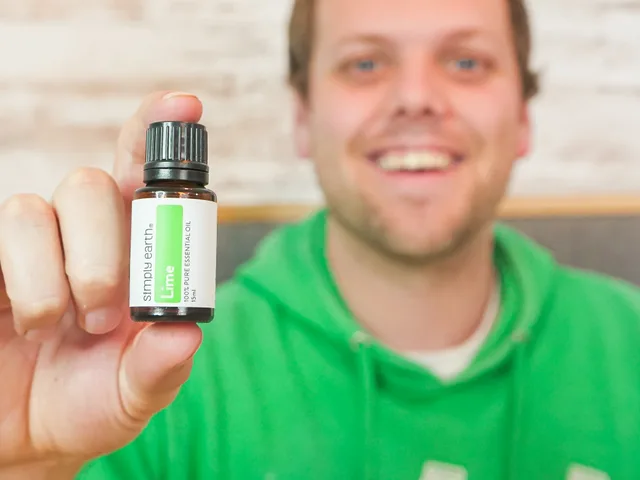
BEST FOR: CLARIFYING BALMS + SHAVING PRODUCTS
Lime is sharper and drier than lemon — less sweet, more zest. It is used to cleanse and to brighten the look of skin, and its aroma is bracing in a way that suits products used at the sink: shaving butters, hand balms, anything meant to feel like a reset rather than a treat.
AROMATHERAPIST TIP
Lime is phototoxic in its cold-pressed form, so treat it the way you treat Lemon — evening products, or rinse-off ones. It is at its best paired with menthol or mint in a shaving butter.
TRY IT IN →

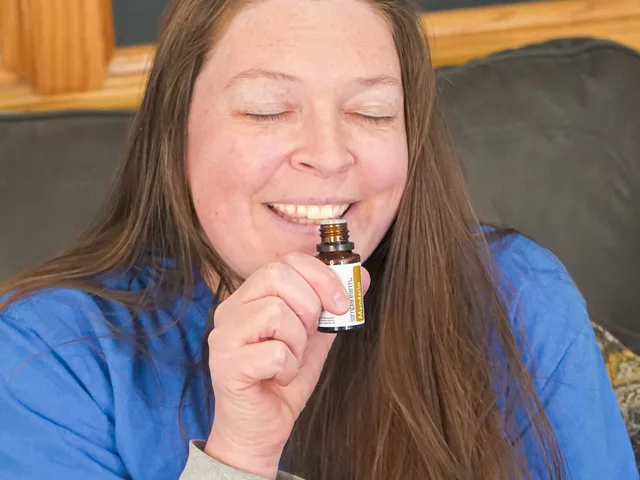
BEST FOR: EVENING LOTIONS + KID-FRIENDLY BALMS
Mandarin is the citrus that does not shout. Where Lemon and Lime wake you up, Green Mandarin is soft, sweet and settling — it is the citrus traditionally used to help people relax, which makes it the odd one out on this list and the obvious pick for an evening lotion or a balm made with children in mind.
AROMATHERAPIST TIP
Mandarin is the citrus to use when you want the fruit note without the brightness. In a foot or leg lotion applied at night it gives you scent without the wake-up effect.
TRY IT IN →


BEST FOR: PROTECTIVE BALMS + MATURE SKIN
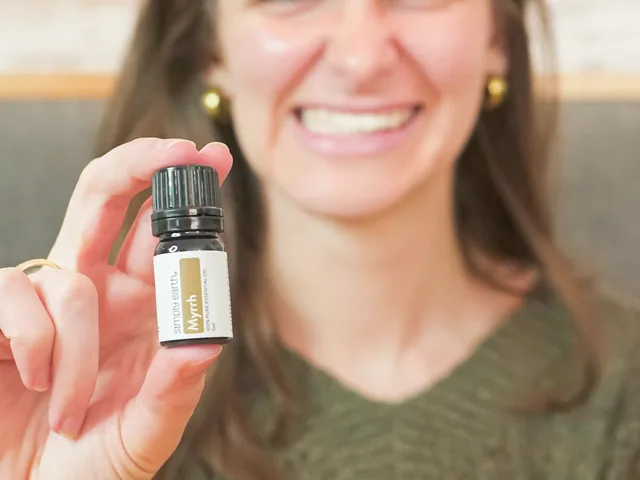
Myrrh is a resin, and it behaves like one: thick, warm, smoky-sweet, and slow to leave the skin. It has been used on skin for as long as anything on this list, valued for soothing and protecting, and it suits a heavier overnight balm far better than a light daytime lotion. It is also quietly grounding to smell, which is why it works at night.
AROMATHERAPIST TIP
Myrrh is viscous enough to be awkward straight from the bottle. Warm it between your palms for a few seconds before you add it to a melted balm base and it will pour and disperse properly.
BEST FOR: SPECIAL-OCCASION MASSAGE LOTIONS
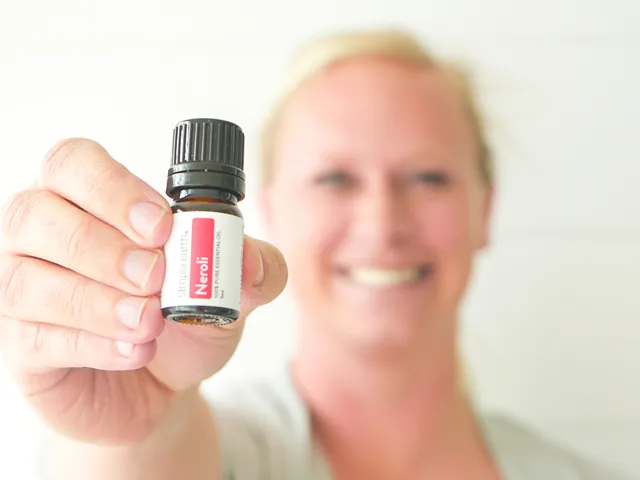
Neroli is distilled from bitter orange blossom and it is the most expensive oil here — it takes an enormous quantity of hand-picked flowers to fill one small bottle. It is used to support rejuvenation and to moisturise, but people buy it for the scent: honeyed, floral, faintly green, and unmistakably luxurious in a massage lotion.
AROMATHERAPIST TIP
Treat Neroli as a perfume ingredient with skincare benefits, not the reverse. One or two drops in a massage blend is enough to define the whole product, and that is the only way the bottle makes economic sense.
TRY IT IN →


BEST FOR: BUDGET BATCHES + LIP BALMS
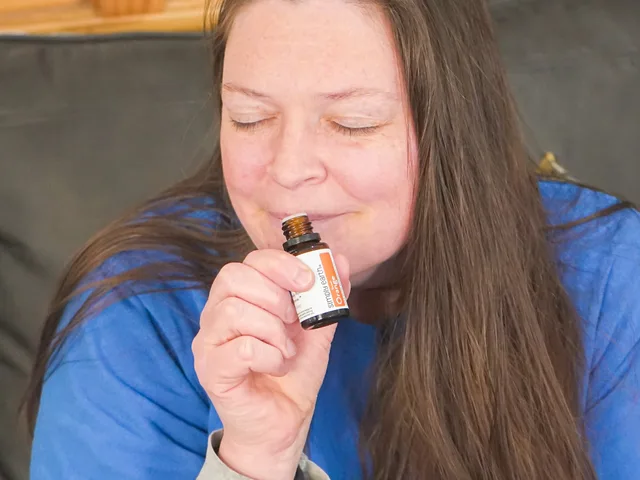
Sweet Orange is the least expensive oil here and the one most people already like the smell of. It is used to support a brighter-looking complexion and it makes an aromatic lotion feel cheerful rather than clinical. When you are making a large batch of balms for gifts and cost per jar matters, this is the oil that lets you be generous.
AROMATHERAPIST TIP
Sweet Orange is the safest bet for lip balm — it is food-familiar, it is gentle, and nobody has ever complained about it. Pair with a little Peru Balsam for a vanilla-orange balm that tastes like a creamsicle smells.


BEST FOR: MASSAGE BALMS + WARM SCENTS
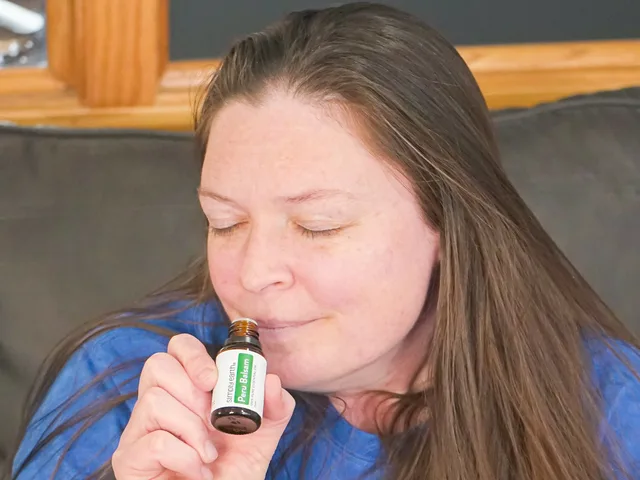
Peru Balsam smells like vanilla and benzoin had a richer, resinous cousin, and it is the oil that makes a homemade body butter smell shop-bought. It is used to soothe and cleanse and is associated with supporting circulation, which is why it sits so naturally in a massage balm. It is also a fixative — it makes everything blended with it last longer.
AROMATHERAPIST TIP
Peru Balsam is a known contact allergen for a minority of people. Patch-test a new balm on your inner arm before you commit a whole batch, especially one you plan to give away.


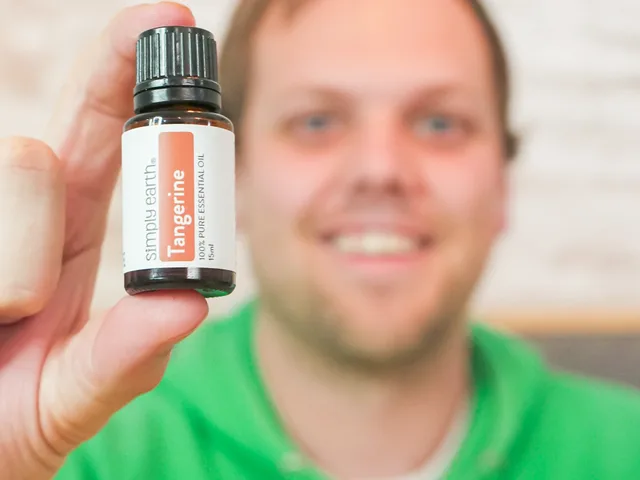
BEST FOR: MORNING BALMS + ANTIOXIDANT BLENDS
Tangerine is the citrus that solves the problem Lemon and Lime create. It is bright, refreshing and antioxidant-rich, used to support skin that looks dull — but it is generally considered non-phototoxic, which makes it the citrus you can put in a morning body lotion without a sun warning attached.
AROMATHERAPIST TIP
This is the straight swap for Lemon in any daytime product. Same lift, same fruit, none of the sun caution — worth keeping a bottle for exactly that reason.
TRY IT IN →


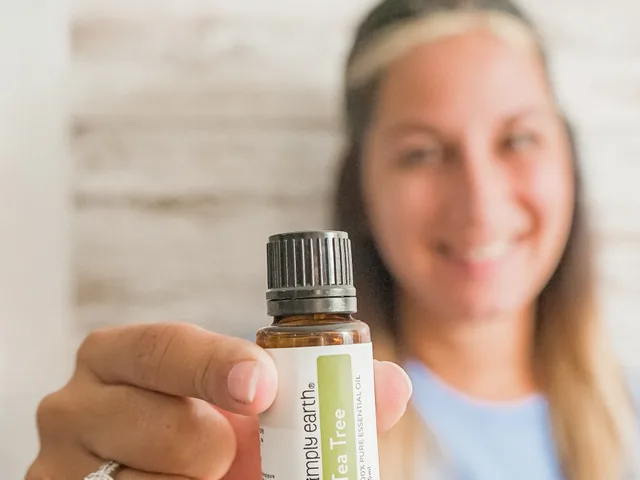
BEST FOR: BLEMISH-PRONE SKIN + FOOT BALMS
Tea Tree is the oil most people already own and the one most likely to be in the wrong product. In lotions and balms it earns its place where skin is congested or irritated — it is used to soothe itchiness and redness and to cleanse — which makes it excellent in a foot balm or a targeted blemish salve, and unnecessary in a rich facial cream.
AROMATHERAPIST TIP
Tea Tree is medicinal enough to dominate a blend. Keep it under about a quarter of your total drops and let Lavender or a citrus carry the scent, or your hand cream will smell like a first-aid kit.


Oil vs. Skin Goal Matrix
Twenty oils, twenty jobs. Find the row that sounds like your skin.
| Your Skin Goal | The Oil | Best In |
|---|---|---|
| Dry, chapped hands and shins | Amyris | Whipped body butter |
| Dull skin that needs waking up | Blood Orange | Nourishing lotion |
| Tired legs after standing all day | Camphor | Massage lotion |
| A balm that should not smell sweet | Cedarwood (Himalayan) | Winter skin balm |
| Skin that feels stripped after washing | Fennel (Sweet) | Sugar scrub |
| Visible redness and irritation | Geranium | Facial balm or cream |
| One oil for absolutely everything | Grapefruit (Pink) | Any lotion or balm |
| Scars, marks and uneven patches | Organic Helichrysum | Small repair balm |
| A lotion for the nightstand | Ho Wood | Solid lotion bar |
| Post-workout muscle ache | Juniper Berry | Muscle rescue balm |
| Your first ever batch | Lavender (Bulgarian) | Beginner body lotion |
| Morning energy, evening use only | Lemon | Beauty balm |
| Shaving and hand-washing products | Lime | Shaving butter |
| Winding down, and kid-friendly | Mandarin (Green) | Evening lotion |
| Mature skin, overnight care | Myrrh | Protective night balm |
| A gift that has to feel expensive | Neroli | Massage lotion |
| A big batch on a budget | Orange (Sweet) | Lip balm and body butter |
| Warm, vanilla-rich scent | Peru Balsam | Massage balm |
| Daytime citrus with no sun warning | Tangerine | Morning body balm |
| Congested or blemish-prone skin | Tea Tree | Foot balm or spot salve |
Get 10% Off the Best Essential Oils for Lotions and Balms
All twenty oils on this page, 10% off with code BODYCARE10 at checkout.
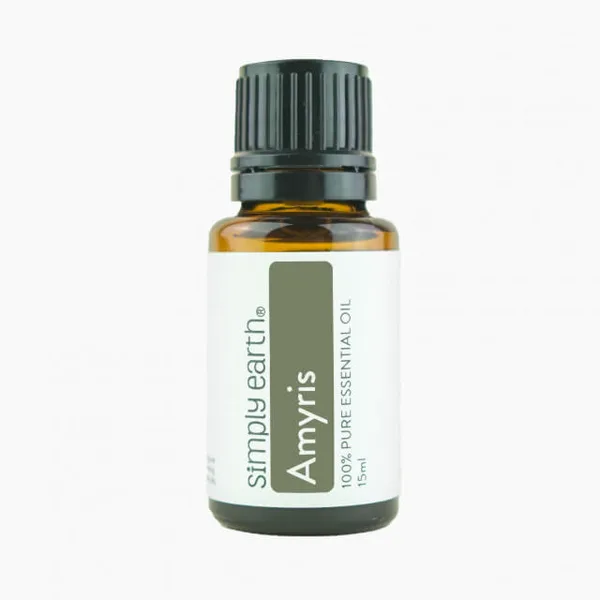
Amyris Essential Oil
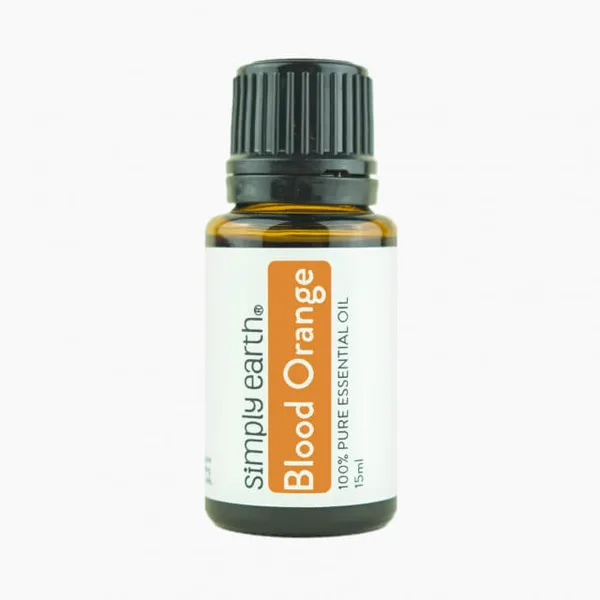
Blood Orange Essential Oil
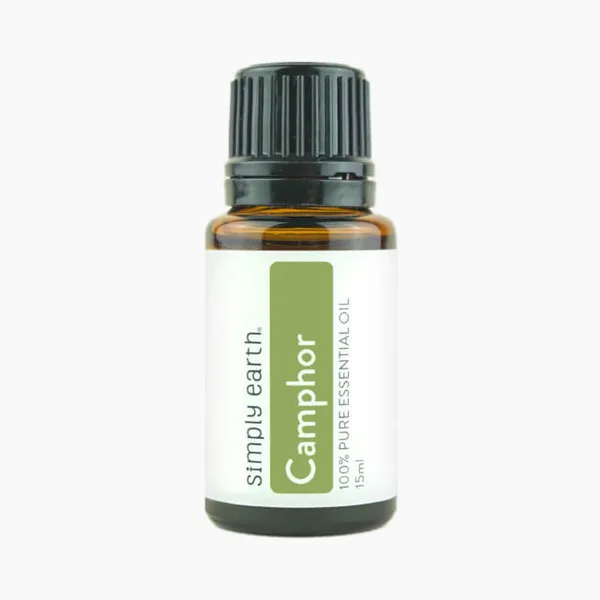
Camphor Essential Oil
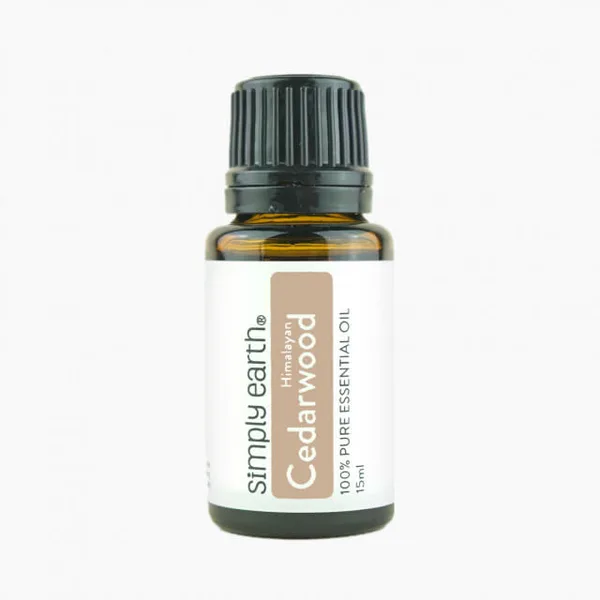
Cedarwood (Himalayan) Essential Oil
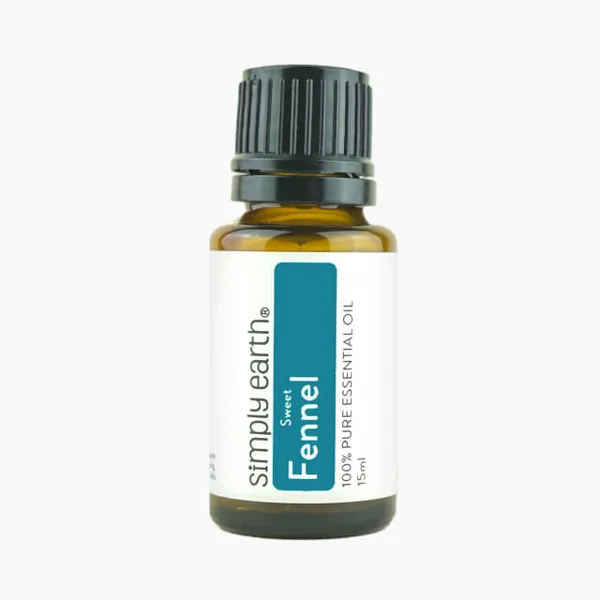
Fennel (Sweet) Essential Oil
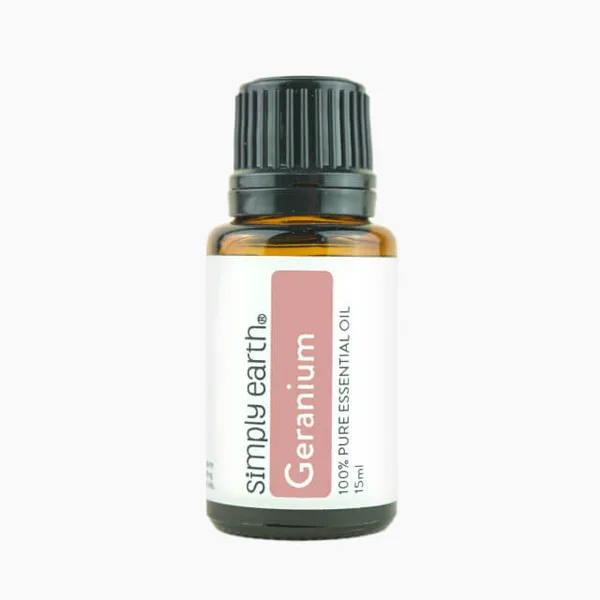
Geranium Essential Oil
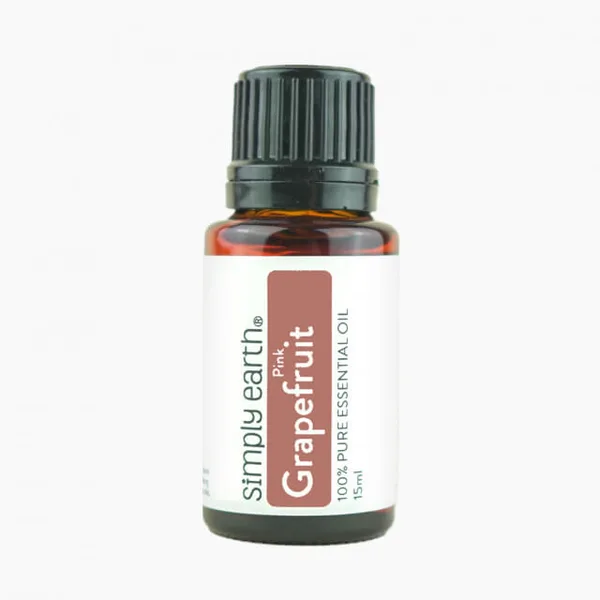
Grapefruit (Pink) Essential Oil
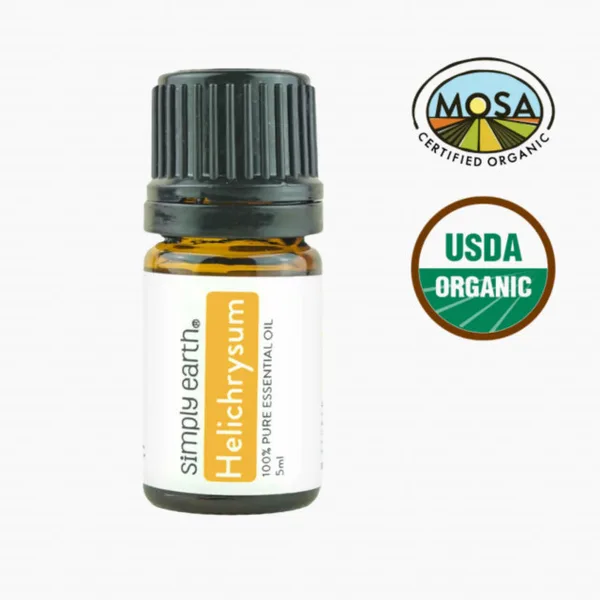
Organic Helichrysum Essential Oil
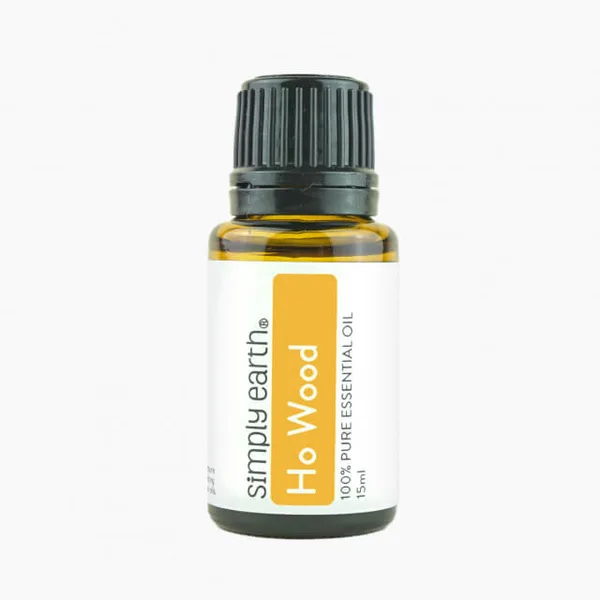
Ho Wood Essential Oil
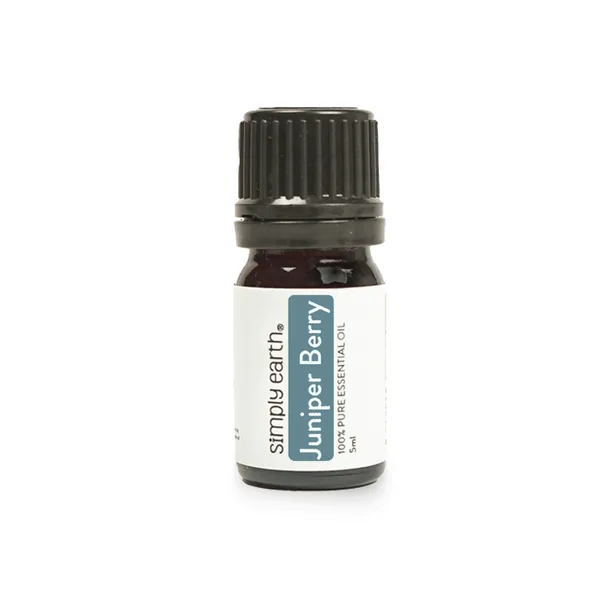
Juniper Berry Essential Oil
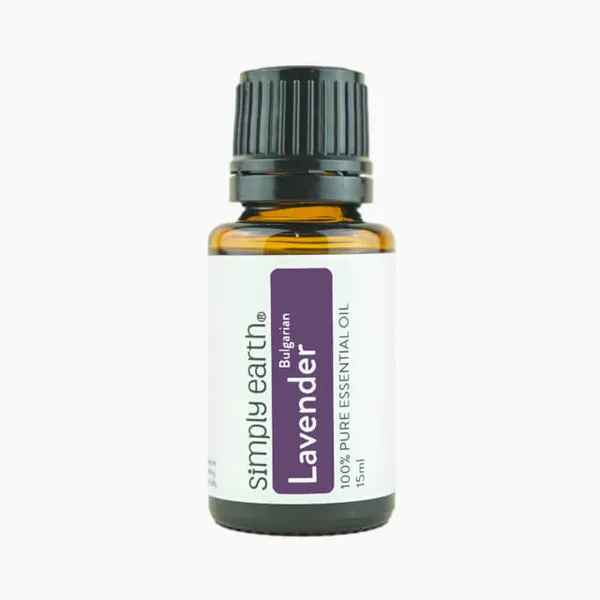
Lavender (Bulgarian) Essential Oil
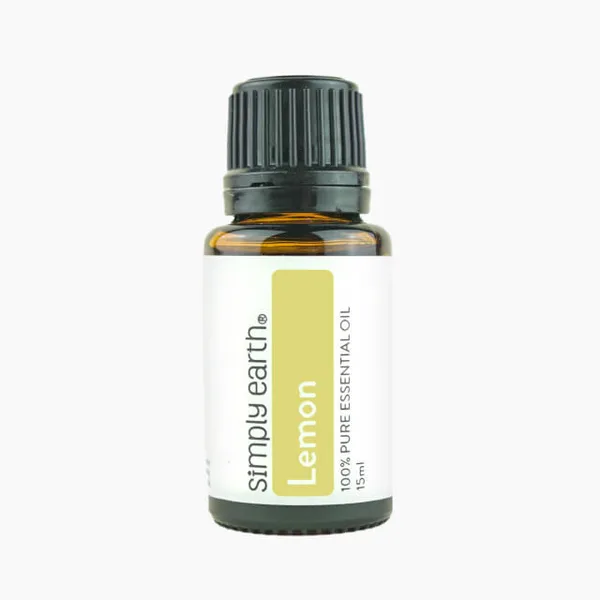
Lemon Essential Oil
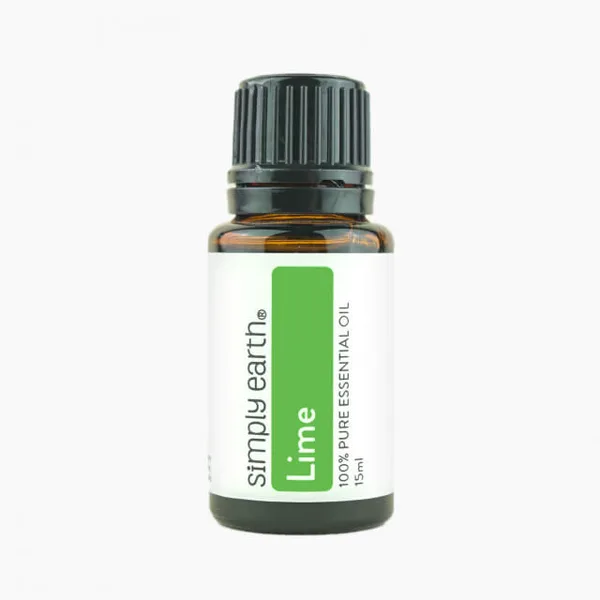
Lime Essential Oil
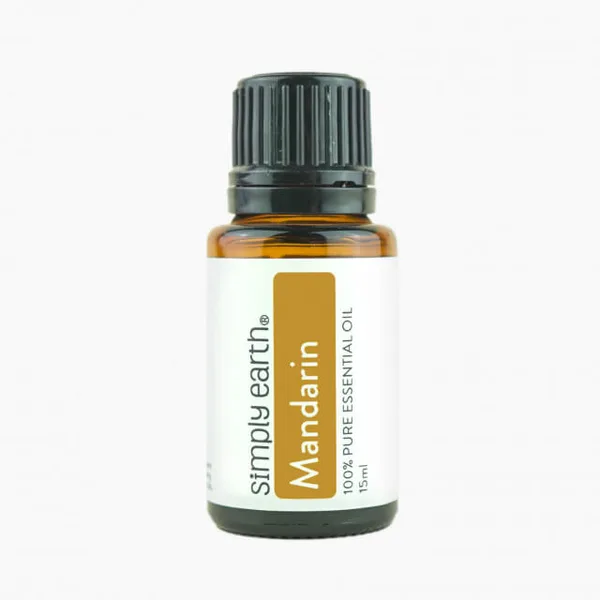
Mandarin (Green) Essential Oil
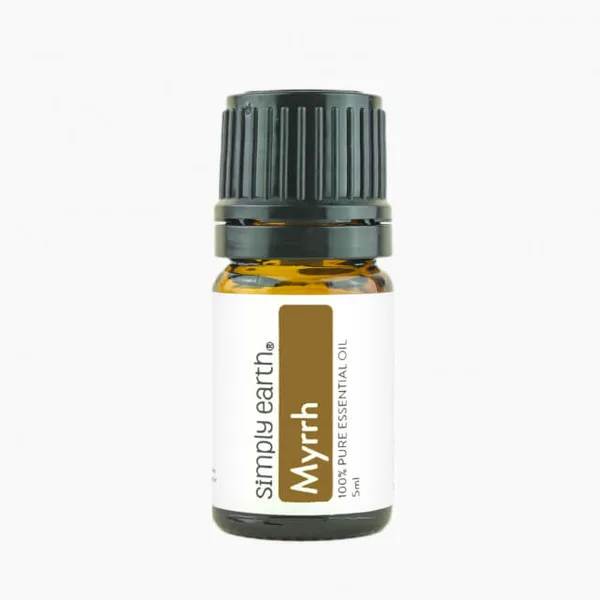
Myrrh Essential Oil
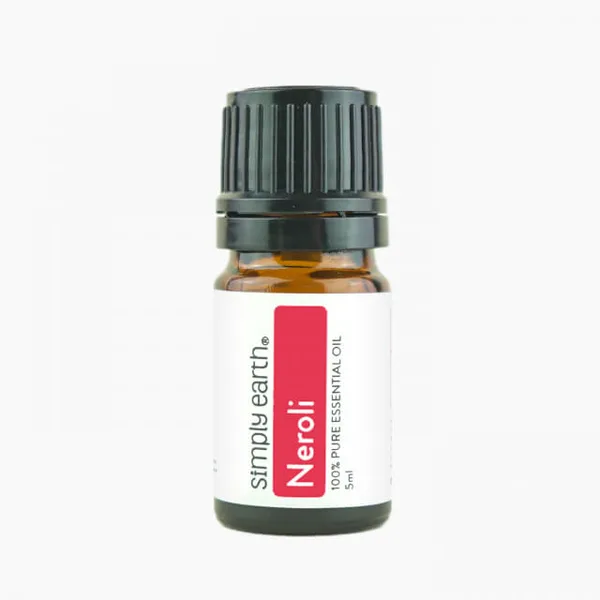
Neroli Essential Oil
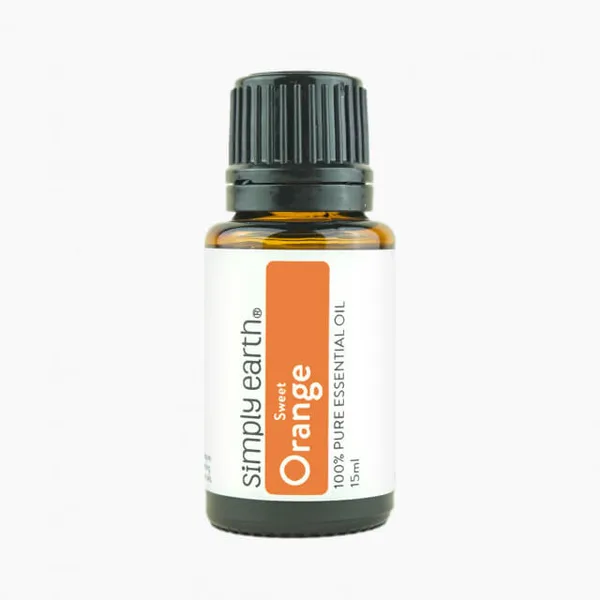
Orange (Sweet) Essential Oil
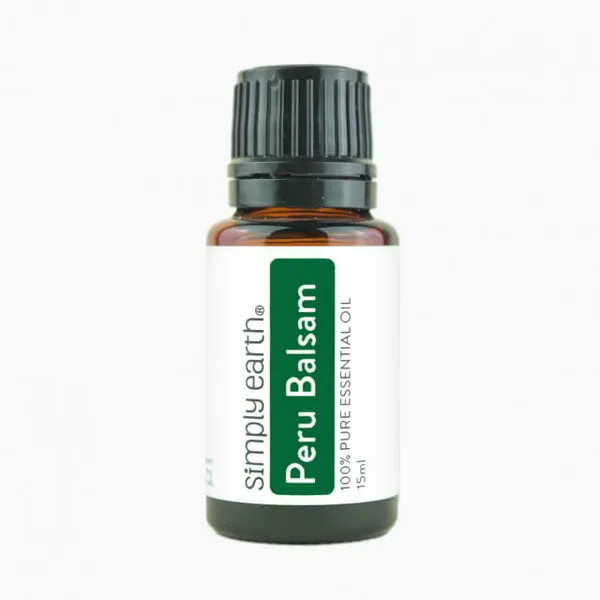
Peru Balsam Essential Oil
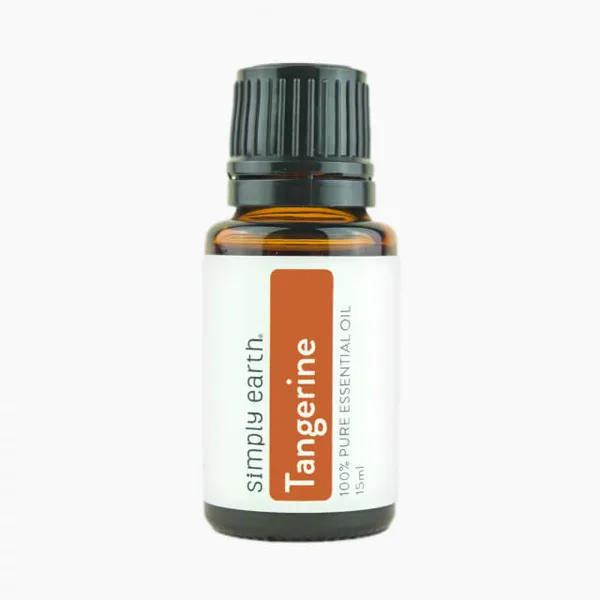
Tangerine Essential Oil
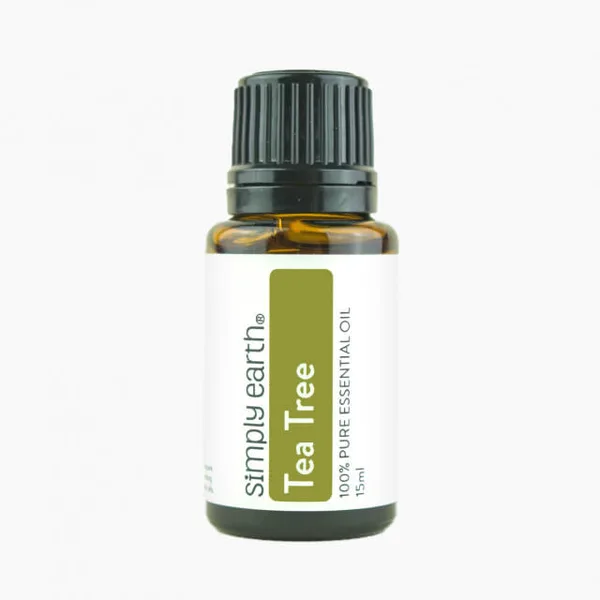
Tea Tree Essential Oil
OUR SIMPLY PURE PROMISE
What Goes Into Your Products Matters
Certified 100% Pure
No fillers, no synthetics. Just pure oil.
GC/MS Third-Party Tested
Every batch independently verified.
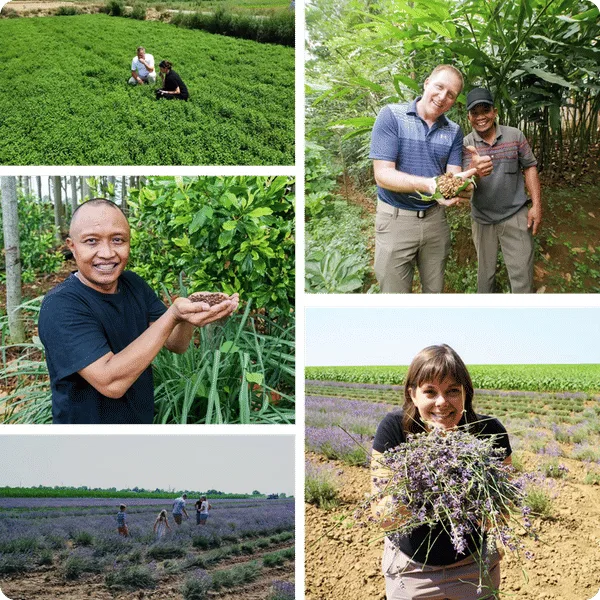
Ethically Sourced from Quality Farms
Responsibly harvested. People and planet first.
15mL
Bottle Size
MLM brands: 10mL
$9–50
Per Oil
MLM brands: $25–55+
Public
GC/MS Tests
MLM brands: Rarely
Your Order Changes Lives: 13% of profits fight human trafficking globally.
Key Takeaways
- Grapefruit (Pink) is the best single-bottle starting point — it suits almost every lotion and balm on this list, and its fresh scent does not fight whatever else you add.
- Match the oil to the product, not the trend — Helichrysum belongs in a half-ounce repair balm, Sweet Orange belongs in the big gift batch, and putting them the other way round wastes both.
- Lemon and Lime are evening oils — both are phototoxic cold-pressed. Use Tangerine when the product will be worn in daylight.
- Dilution is the whole game — roughly 1–2% for a body product, lower for face and for children. Camphor and Fennel deserve the most caution of the twenty.
Frequently Asked Questions
Dilution, sun safety, shelf life and which oil to buy first — the questions that come up most when people start making their own lotions and balms.
Which essential oil is best for lotions and balms if I can only buy one? +
Pink Grapefruit is the most versatile single pick — it is cleansing, it suits a brightening routine, and its fresh (rather than sweet) scent works in a body lotion, a lip balm and a beauty balm alike. If your main goal is a calming bedtime lotion instead, buy Lavender (Bulgarian) first; it is the most forgiving oil on this list for a first batch.
How much essential oil do I add to a lotion or balm? +
For a leave-on body lotion or balm, most adults work at roughly a 1–2% dilution — about 6–12 drops per ounce of finished product. Facial products are usually taken lower, around 1%, and anything for children lower again. Camphor in particular should sit at the bottom of the range. Simply Earth publishes a full dilution chart at simplyearth.com/pages/dilution-chart.
Which of these oils should I avoid before going out in the sun? +
Lemon and Lime are phototoxic in their cold-pressed forms, so keep them out of leave-on products worn into direct sunlight. Tangerine is the straightforward daytime substitute — it gives you the same citrus lift and is generally considered non-phototoxic.
Can I use essential oils in a store-bought lotion base? +
Yes, and it is the easiest way to start. Stir your oils into an unscented lotion or body oil base rather than trying to emulsify from scratch, keep to the same dilution you would use in a homemade batch, and mix thoroughly so the oils are evenly dispersed rather than sitting on top.
How long will a homemade lotion or balm last? +
An anhydrous balm or body butter — one with no water in it — will typically keep for months because there is nothing for bacteria to grow in. Anything containing water needs a proper preservative and should be treated as short-lived. Citrus-heavy blends fade in scent first, usually within about three months.
Which oils on this list are safe for children? +
Lavender, Mandarin and Sweet Orange are the most commonly used in products made for children, at reduced dilutions. Camphor and Fennel are the two on this list most often avoided for young children and during pregnancy. When in doubt, check the dilution chart and speak to your healthcare provider.
Do I need a carrier oil, or can I use essential oils directly? +
Always dilute. Essential oils are extremely concentrated and are not meant to go onto skin neat. In lotions and balms the carrier is doing real work anyway — shea butter, jojoba, apricot or hemp seed oil each change the feel of the finished product as much as the essential oil changes the scent.
About the Author: Katie Veldkamp
Katie Veldkamp
Certified Aromatherapist · Co-Founder, Simply Earth
Katie got hooked on oils — then got mad at the prices. So she got certified, flew to farms, and built Simply Earth so nobody has to wonder what's really in their bottle. Over 100,000 customers later, she still writes every guide herself.
The Free Essential Oil Guide
Simply Earth's free starter guide — what each oil is for, how to dilute it, and how to use it safely at home.
- What each essential oil is for
- Safe dilution and usage basics
Join 47,000+ subscribers making healthier choices naturally.
Free. No spam. Unsubscribe anytime.