Best Essential Oils for Your Skin Type

Katie Veldkamp
Lead Certified Aromatherapist
Fact Checked & Approved
The Best Essential Oils for YOUR Skin – No More Guessing!
Most essential oil skincare advice fails for the same reason: it hands you a list of oils without asking what your skin is actually doing. Tea tree is excellent on an active blemish and a poor choice for skin that is already tight and flaking. Argan oil rescues dry skin and feels heavy on an oily T-zone. The oil is rarely the problem — the match is.
So this guide runs the other way round. Find your skin type first, then take the oil, the carrier and the dilution that go with it. Twelve oils, sorted into the four groups our aromatherapists actually sort them into, plus a matrix at the end that routes all five skin types — dry, oily, acne-prone, sensitive and combination — to a single starting point.
Three rules apply to every oil on this page, whatever your type: dilute to 1% on the face (1 drop per teaspoon of carrier oil) and 2–3% on the body; patch test on your wrist or inner elbow and wait 24 hours before it goes anywhere near your face; and keep citrus oils — lemon, grapefruit — to your night routine, or wait 12 hours before sun exposure.
THE SKIN TYPE SERIES
STEP 01
Find Your Type

STEP 02 · COMING SOON
Dry & Sensitive Skin

STEP 03 · COMING SOON
Oily & Acne-Prone Skin

STEP 04 · COMING SOON
Combination Skin

STEP 05 · COMING SOON
Mature Skin

In this Guide
Free Guide
Get the free Essential Oil Guide
One page. Fridge-ready. Free.
BEST FOR: DRY, SENSITIVE OR IRRITATED SKIN
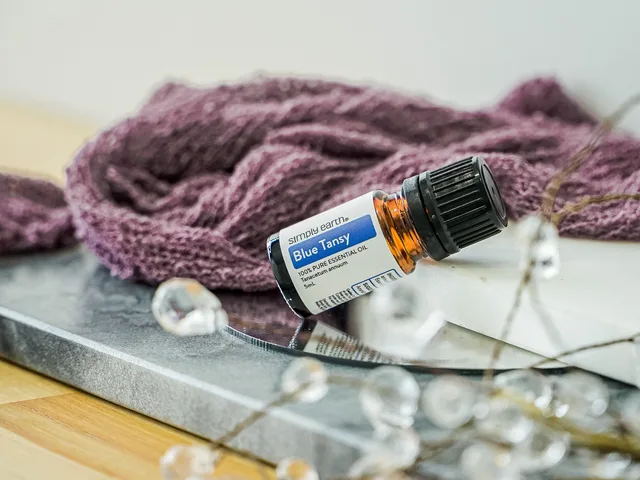
Blue tansy is the one people remember, because it is genuinely deep blue — the colour comes from chamazulene, formed during distillation. It is the oil we reach for first when skin is not just dry but annoyed: red patches, tightness after washing, that stinging response to a new product. It soothes while it hydrates, which is why it suits reactive skin better than a heavier treatment oil would. Blend 1 drop into a teaspoon of argan oil and press it into damp skin at night, when your skin does most of its repair work.
AROMATHERAPIST TIP
Blue tansy stains. Keep it off pale towels and pillowcases, and blend it in a glass bowl rather than over a white counter — the colour is the chamazulene doing its job, not a fault in the bottle.
TRY IT IN →

BEST FOR: DRY OR MATURING SKIN
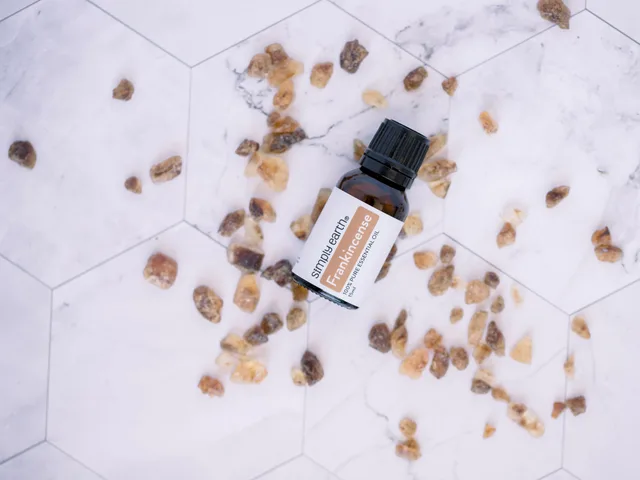
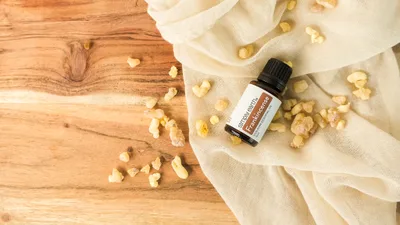
Frankincense earned the nickname king of essential oils long before anyone put it in a serum, and in skincare it does two jobs at once — it helps even out the look of skin tone, and it holds moisture in dry skin rather than sitting on top of it. That combination is why it turns up in almost every facial serum recipe we publish. If your complaint is dryness plus the first fine lines rather than dryness alone, start here instead of with blue tansy.
AROMATHERAPIST TIP
Frankincense is slow. Give it six to eight weeks of nightly use before you judge it — the difference shows up in how your skin holds moisture through the day, not overnight.


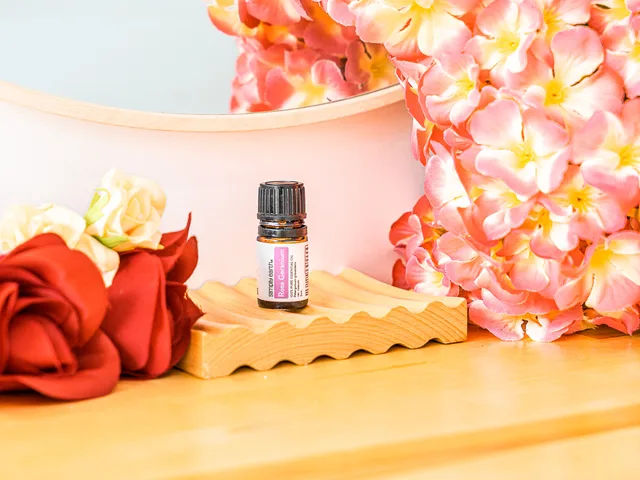
BEST FOR: DRY OR SENSITIVE SKIN
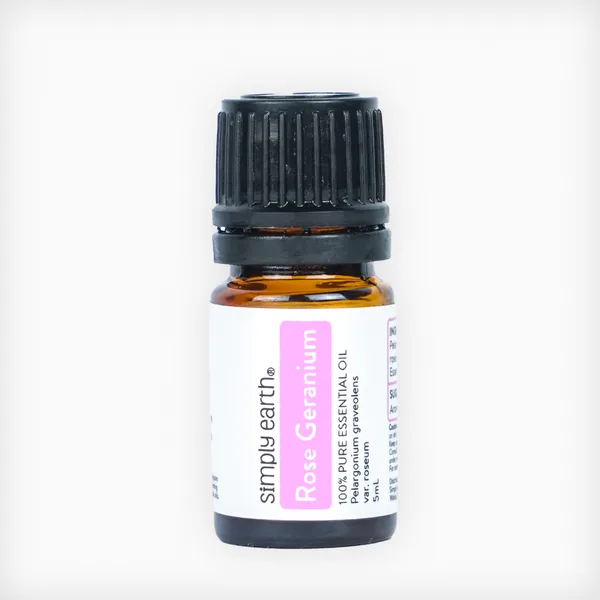
Rose geranium is the balancer of the dry-skin group. Where blue tansy calms and frankincense holds moisture, rose geranium helps skin regulate itself — useful when your face is dry in places and unpredictable everywhere else. It also smells like a rose at a fraction of what rose absolute costs, which is the real reason it appears in so many cleansers and micellar waters. Pair it with sweet almond oil, the gentlest of the carriers, if your skin is easily overwhelmed.
AROMATHERAPIST TIP
Rose geranium and rose absolute are not the same oil and not the same price. Rose geranium is a geranium grown for its rose-like aroma — if a recipe calls for rose and the budget will not stretch, this is the honest substitution.


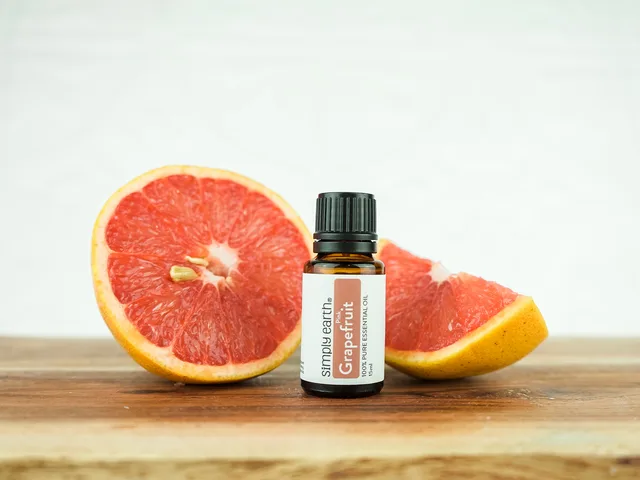
BEST FOR: OILY OR SHINE-PRONE SKIN
Grapefruit is naturally astringent, which in practice means it helps keep excess surface oil in check rather than stripping it — and the distinction matters, because stripped skin answers by producing more oil. It is the oil to try if your skin looks fine in the morning and shiny by midday. It is also the brightest, most cheerful scent in this group, which makes it easy to keep using. One caution is not optional, below.
AROMATHERAPIST TIP
Grapefruit is phototoxic. Use it at night, or leave 12 hours between application and sun exposure — this is the most common mistake people make with citrus oils on the face.


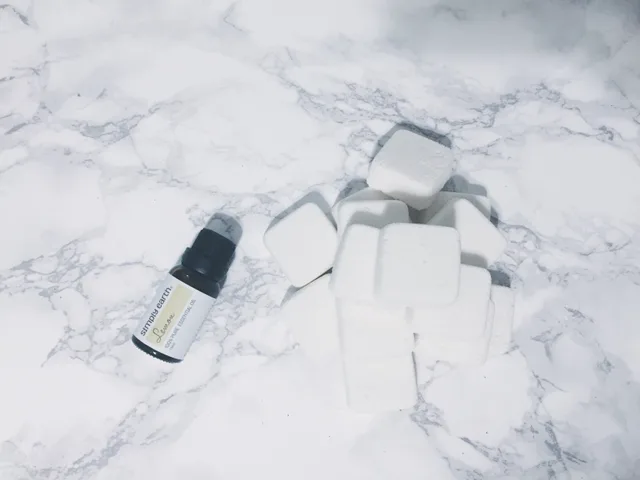
BEST FOR: OILY SKIN WITH UNEVEN TONE
Lemon is the brightener of the oily-skin group. It helps the complexion look clearer and more even, and it has a tightening effect that makes larger pores less noticeable. At $9.99 it is also the least expensive oil on this page, which makes it a sensible first purchase if you are testing whether oils belong in your routine at all. Treat it exactly as carefully as grapefruit — it carries the same sun sensitivity.
AROMATHERAPIST TIP
Never use lemon oil as a spot lightener in daylight. The combination of a citrus oil and direct sun is what causes uneven patches, which is the opposite of what you were reaching for.


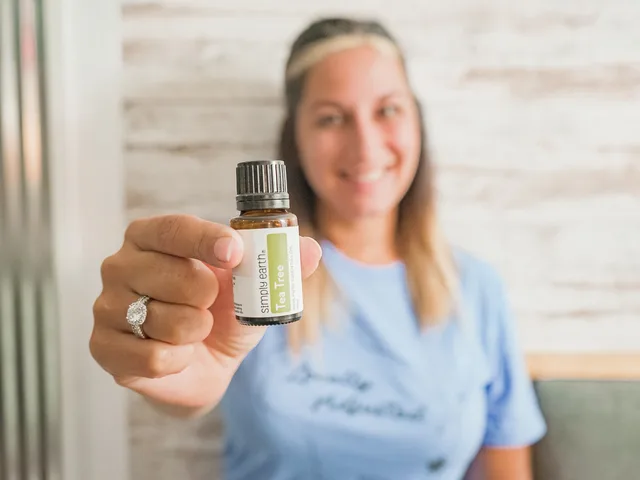
BEST FOR: OILY OR BLEMISH-PRONE SKIN
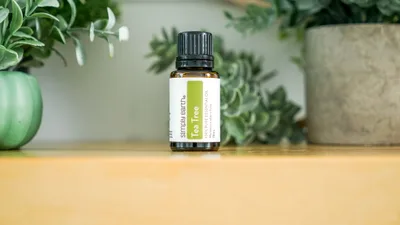
Tea tree is the most recognised oil in skincare for good reason — it is cleansing and calming at the same time, so it works on a blemish without leaving the surrounding skin angry. It is a spot treatment before it is a routine, and it is the one oil on this page most people already own. What it is not is a moisturiser, and it is the wrong choice if your skin is tight and flaking rather than congested.
AROMATHERAPIST TIP
Wash your makeup brushes before you blame your skin. Dirty brushes reintroduce everything you just cleansed off, and it is the most overlooked cause of breakouts along the cheeks and jaw.


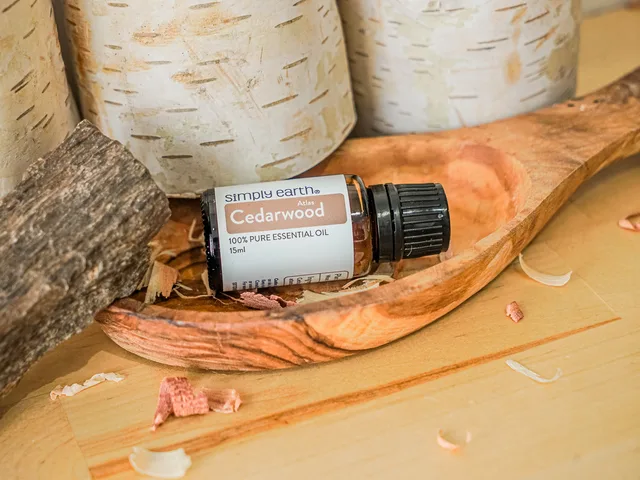
BEST FOR: ACNE-PRONE OR CONGESTED SKIN
Cedarwood Atlas works on the cause rather than the spot. It helps balance how much oil the skin produces, which over a few weeks means fewer clogged pores to treat in the first place — a different job from tea tree, and the two work well in sequence rather than in competition. The scent is dry, woody and grounding, closer to a pencil shavings warmth than anything floral. At $9.99 it ties with lemon as the most affordable route in.
AROMATHERAPIST TIP
Use cedarwood in your nightly moisturiser and keep tea tree for spots as they appear. Balancing oil production and treating an active blemish are two tasks, and asking one oil to do both is why routines stall.
TRY IT IN →


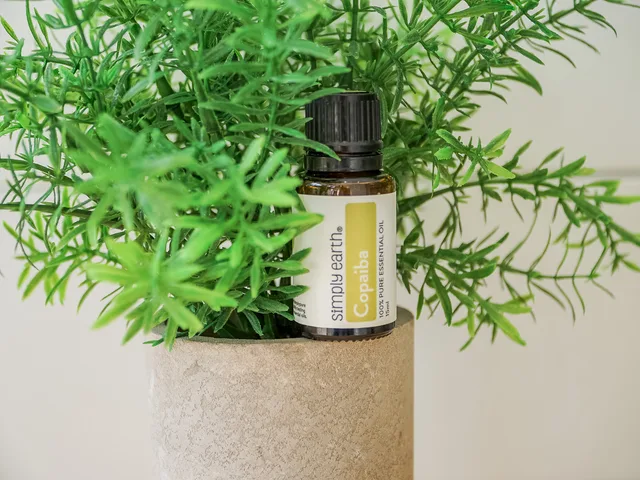
BEST FOR: HEALING OR POST-BREAKOUT SKIN
Copaiba is the aftercare oil. It is soothing rather than cleansing, so its moment is the week after a breakout, when the spot has gone but the redness and swelling have not. Skin that is in that phase does not need another antibacterial — it needs to be left alone and calmed, and copaiba is the gentlest way we know to do that. It is also nearly odourless, which makes it the easiest oil here to add to a product you already like.
AROMATHERAPIST TIP
Copaiba is a resin, so it is thick and slow out of the bottle. Warm it between your palms for a few seconds before you try to count drops, or you will get none and then four.
TRY IT IN →

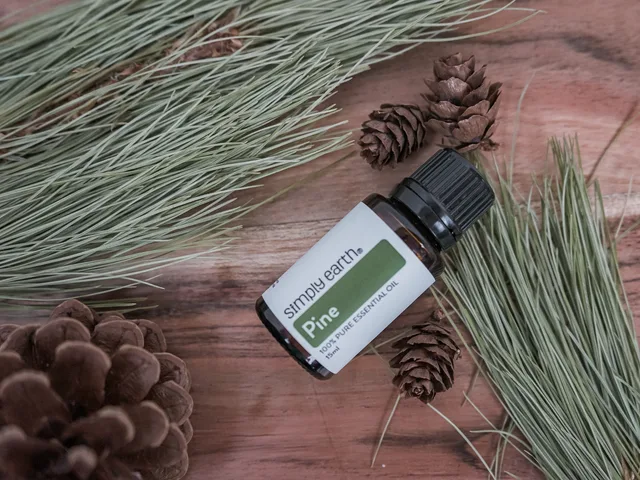
BEST FOR: CONGESTED OR ROUGH-TEXTURED SKIN
Pine is the least obvious oil on this page and the one worth knowing about. It is cleansing and toning at once, which makes it a good fit for skin whose problem is texture rather than active spots — that rough, slightly clogged feel across the forehead and chin. It is bracing rather than relaxing, and it belongs in body care and hand care at least as much as on the face.
AROMATHERAPIST TIP
Pine is the one to reach for on hands and elbows, not just the face. Rough skin responds faster on the body than on the face because you can use a 2-3% dilution there instead of 1%.


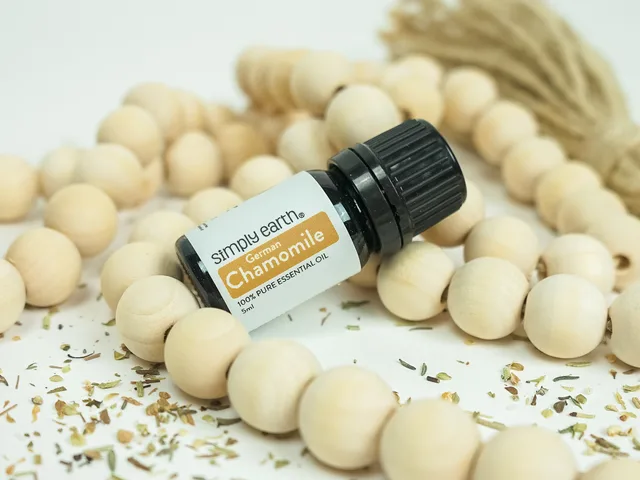
BEST FOR: SENSITIVE OR EASILY INFLAMED SKIN
German chamomile is the most calming oil we sell, and the most expensive on this page at $39.99 — those two facts are related. Like blue tansy it is rich in azulene, which is why both oils run blue and why both are the answer for skin that flushes and stings rather than skin that is merely dry. If you have tried the gentle options and still react, this is the one to spend on, at a cautious 0.5% to start.
AROMATHERAPIST TIP
Do not confuse German with Roman chamomile. They are different plants with different chemistry and different prices, and the German one is the oil you want for inflamed skin specifically.
TRY IT IN →

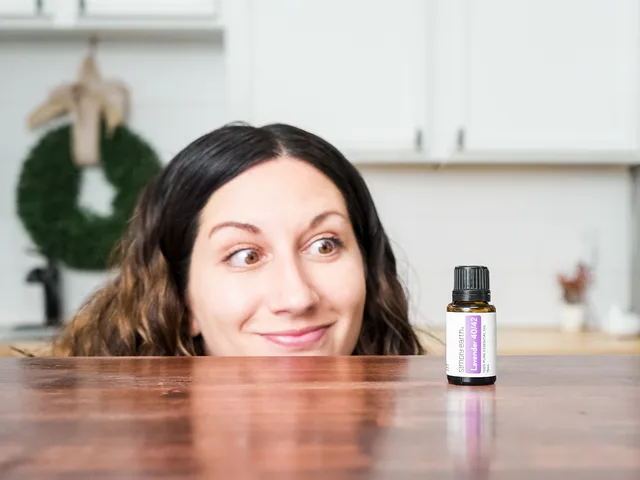
BEST FOR: NORMAL SKIN OR A FIRST OIL
Lavender 40/42 is the multitasker, and the honest recommendation for anyone who has read this far and still cannot name their skin type. It soothes irritation, supports skin as it recovers, and is forgiving enough that it rarely makes anything worse — which is exactly what you want from a first oil. The 40/42 designation means the linalool and linalyl acetate are standardised, so every bottle smells the same. That consistency is why it is the backbone of our facial serums and cleansers.
AROMATHERAPIST TIP
If you buy one oil from this page, buy this one. It is the only oil here that suits every skin type on the matrix below, and at $11.99 it is the cheapest way to find out whether oils suit your skin at all.


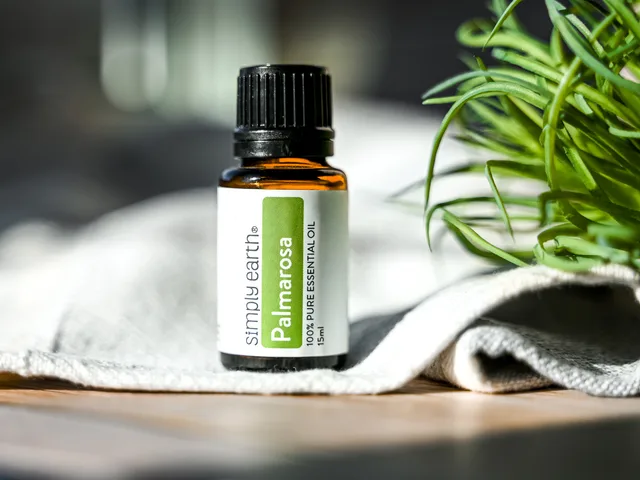
BEST FOR: COMBINATION SKIN
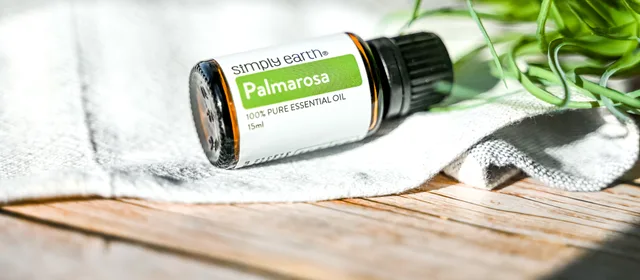
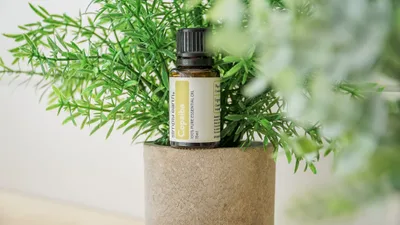
Palmarosa is the answer to the hardest skin type to shop for. Combination skin needs an oil that hydrates the dry cheeks without adding shine to the T-zone, and palmarosa does exactly that — it supports skin renewal and helps regulate oil production in the same application. It smells rose-like, which is where the name comes from, and it is the quiet favourite among our aromatherapists for facial cleansers. Pair it with jojoba, the carrier that behaves most like your own skin.
AROMATHERAPIST TIP
Combination skin does not need two routines. One palmarosa-and-jojoba blend across the whole face beats treating your cheeks and your nose as separate problems, and it is far more likely to survive a busy week.


Skin Type Matrix
Find your row, take the oil, the carrier and the dilution next to it
| Your Skin Type | Start With | Carrier + Face Dilution |
|---|---|---|
| Dry — tight or flaky after washing | Blue Tansy | Argan oil · 1% on face |
| Dry — with early fine lines | Frankincense | Argan oil · 1% on face |
| Dry — but reacts to new products | Rose Geranium | Sweet almond oil · 1% on face |
| Oily — shine back by midday | Grapefruit | Jojoba oil · 1% · night only |
| Oily — with dull, uneven tone | Lemon | Jojoba oil · 1% · night only |
| Oily — congested T-zone | Cedarwood (Atlas) | Jojoba oil · 1% on face |
| Acne-prone — active blemishes | Tea Tree | Jojoba oil · 1% · spot treat |
| Acne-prone — red and still healing | Copaiba Balsam | Grapeseed oil · 1% on face |
| Acne-prone — rough, clogged texture | Pine | Grapeseed oil · 1% on face |
| Sensitive — stings and flushes easily | Chamomile (German) | Sweet almond oil · 0.5% to start |
| Normal — upkeep, no strong complaint | Lavender 40/42 | Any carrier · 1% on face |
| Combination — oily centre, dry edges | Palmarosa | Jojoba oil · 1% on face |
Get 10% Off the Best Essential Oils for Your Skin Type
All twelve oils from this guide, plus the two blends, the roll-on and the four carrier oils the matrix calls for — 10% off with code SKINTYPE10 at checkout.
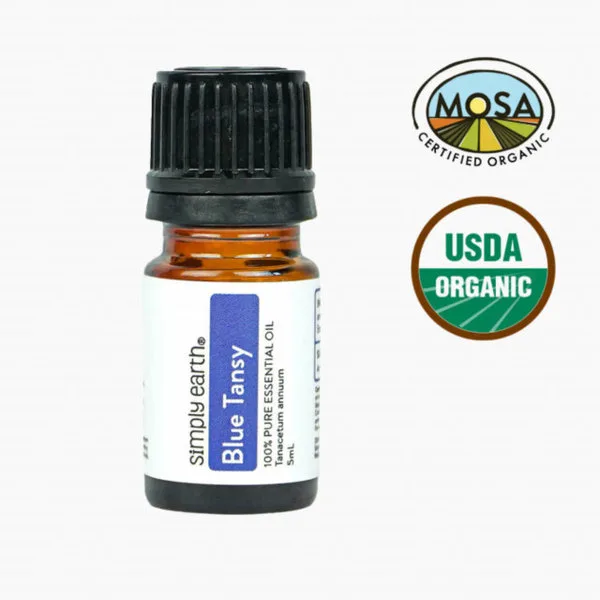
Organic Blue Tansy Essential Oil
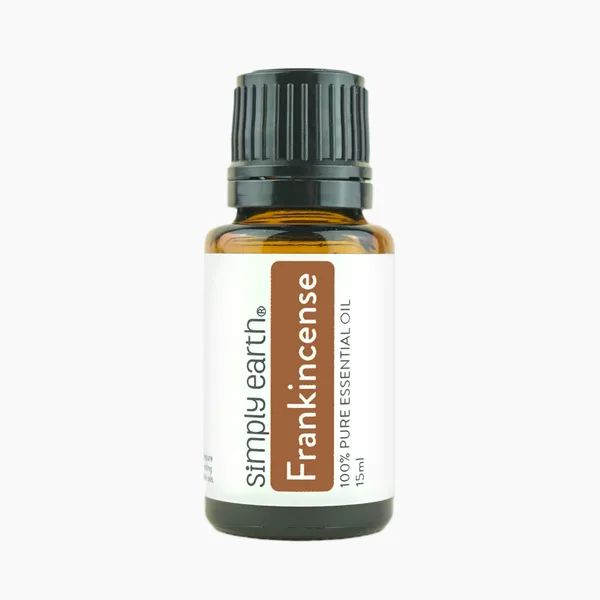
Frankincense Essential Oil
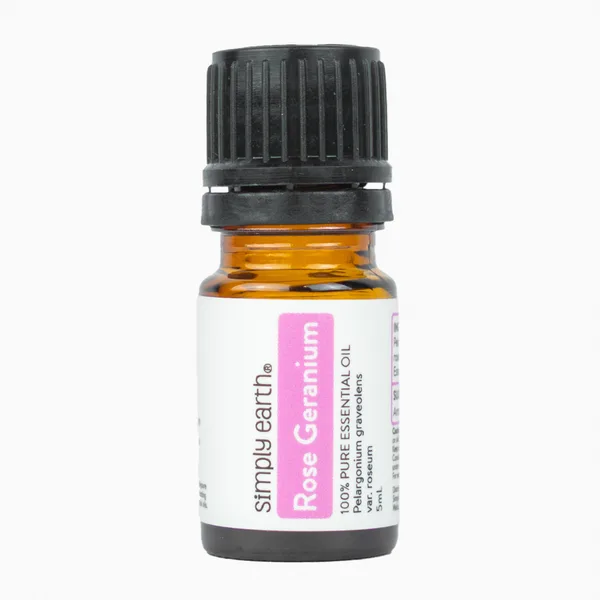
Rose Geranium Essential Oil
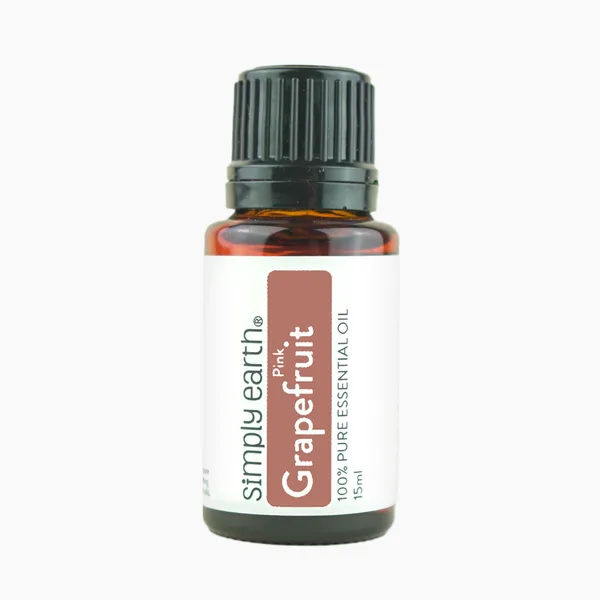
Grapefruit Essential Oil (Pink)
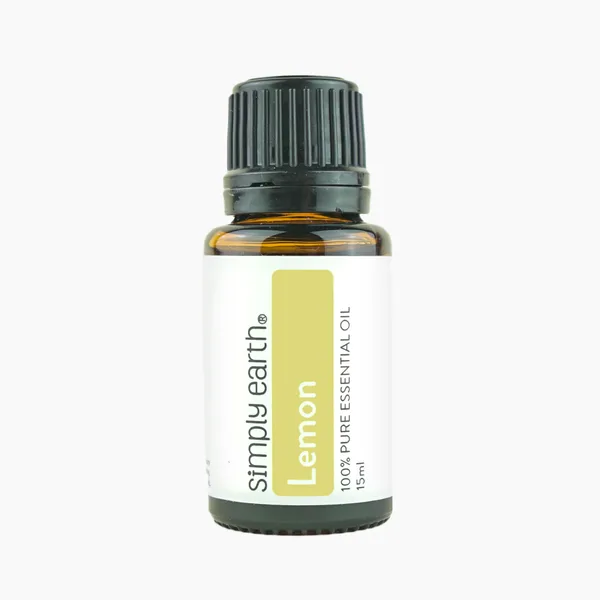
Lemon Essential Oil
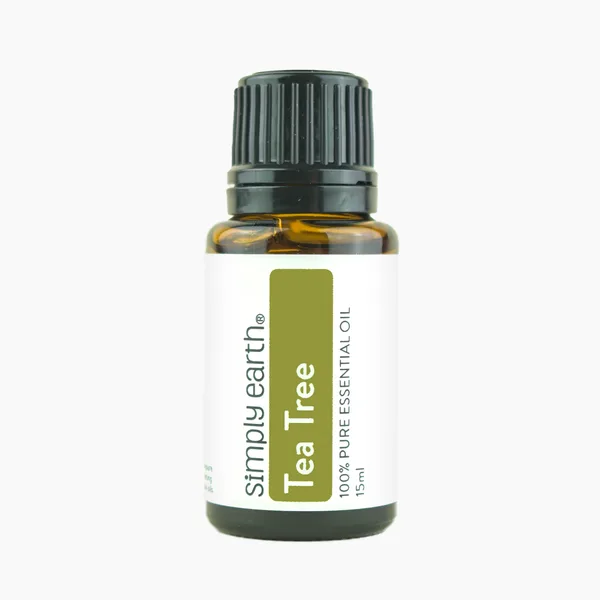
Tea Tree Essential Oil
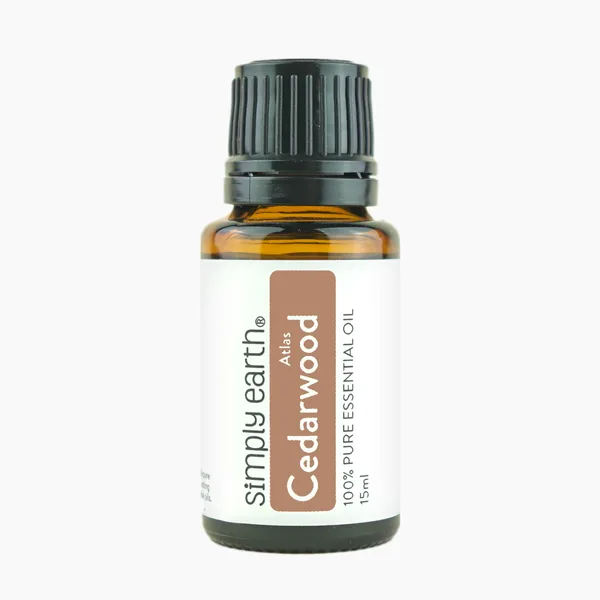
Cedarwood Atlas Essential Oil
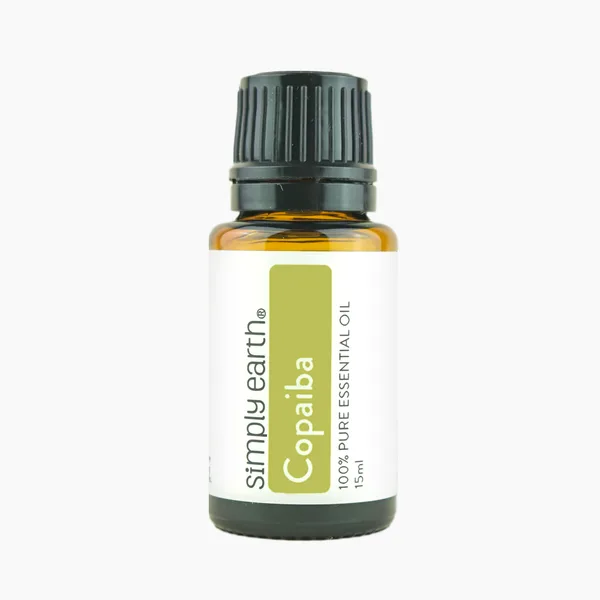
Copaiba Balsam Essential Oil
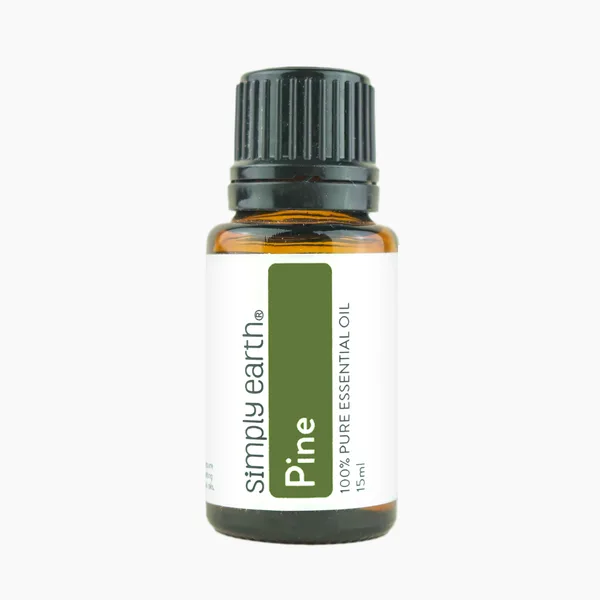
Pine Essential Oil
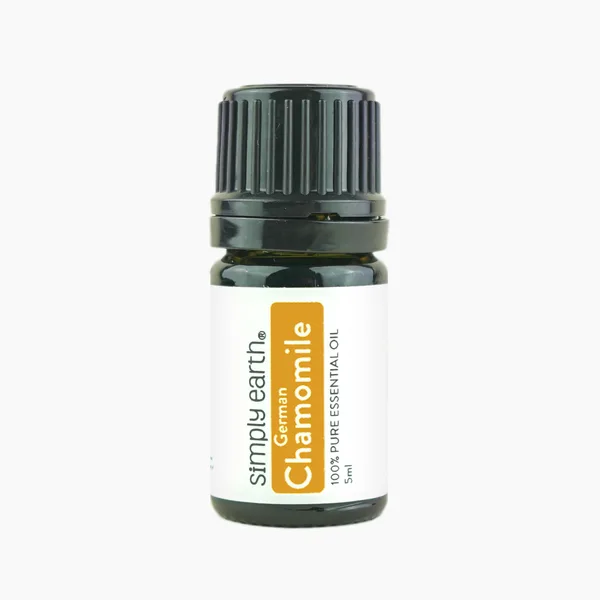
Chamomile (German) Essential Oil
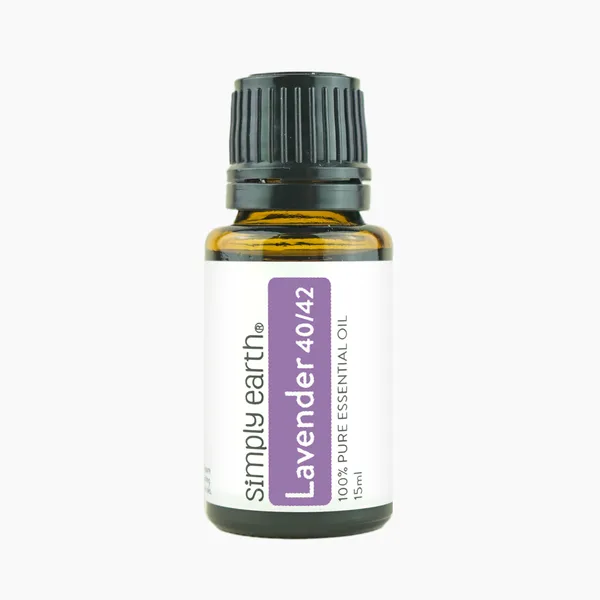
Lavender 40/42 Essential Oil
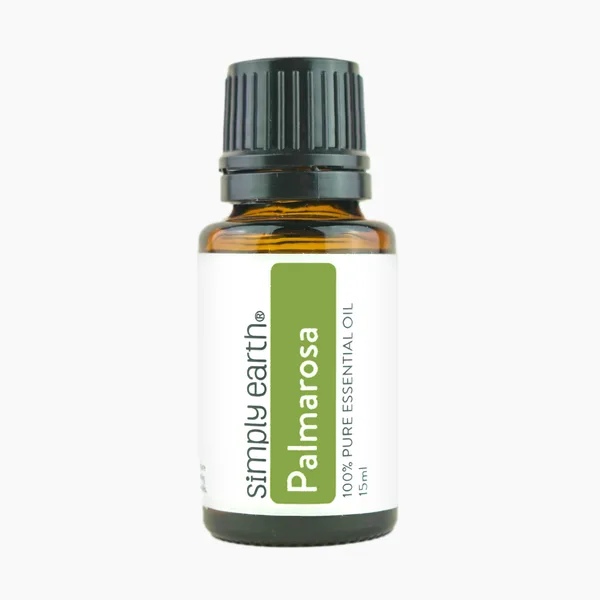
Palmarosa Essential Oil
Clear Skin Essential Oil Blend
Beauty Within Essential Oil Blend
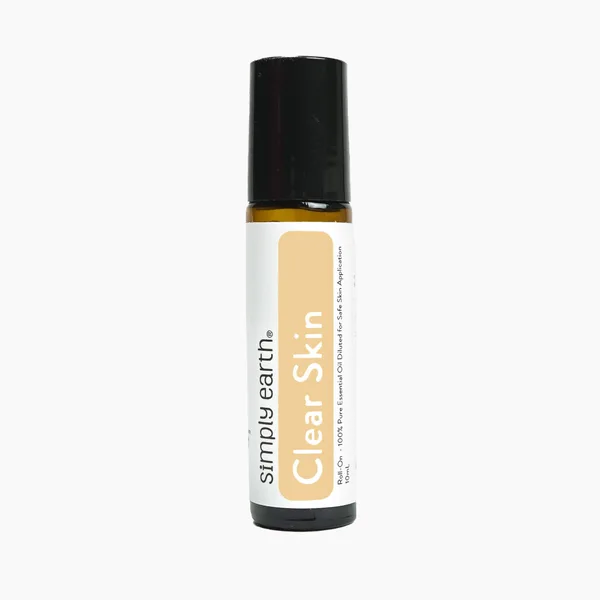
Clear Skin Roll-On
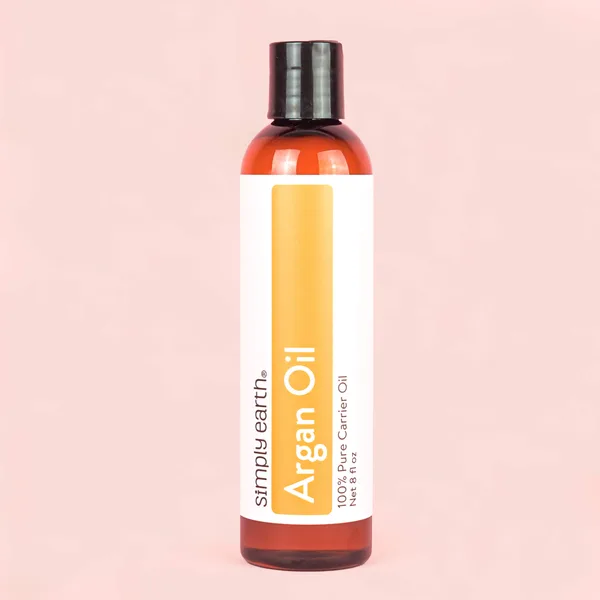
Argan Oil
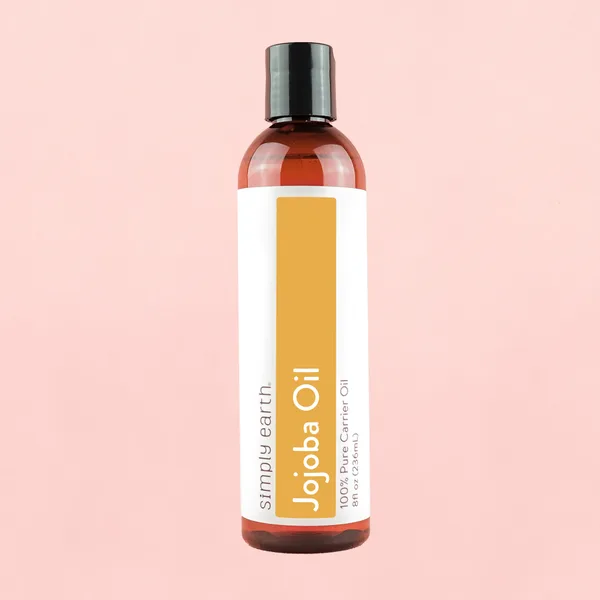
Jojoba Oil
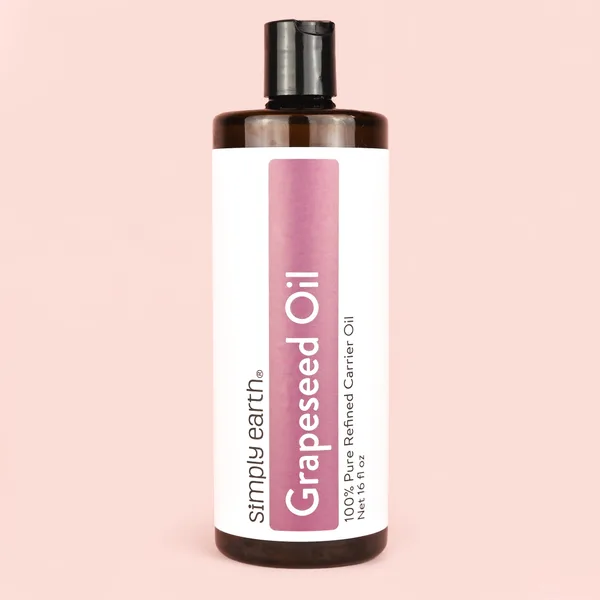
Grapeseed Oil
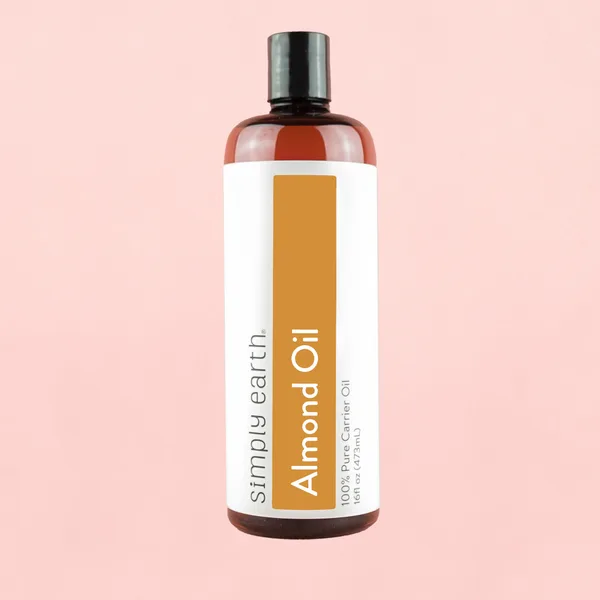
Almond Oil
OUR SIMPLY PURE PROMISE
What Goes On Your Skin Matters
Certified 100% Pure
No fillers, no synthetics. Just pure oil.
GC/MS Third-Party Tested
Every batch independently verified.
Ethically Sourced from Quality Farms
Responsibly harvested. People and planet first.
$10–40
Per Oil
MLM brands: $25–55+
Public
GC/MS Tests
MLM brands: Rarely
100%
Pure, No Fillers
No fragrance. No fillers. Ever.
Your Order Changes Lives: 13% of profits fight human trafficking globally.

Key Takeaways
- Name your skin type before you buy an oil — the oil that fixes an oily T-zone will make dry, flaking skin worse. The matrix above is the whole decision in one table.
- The carrier matters as much as the oil — argan for dry, jojoba for oily and combination, grapeseed for acne-prone, sweet almond for sensitive.
- 1% on the face, 2–3% on the body — that is 1 drop of essential oil per teaspoon of carrier for anything above the neck. Patch test on your wrist and wait 24 hours first.
- Citrus oils are night-time only — lemon and grapefruit raise your skin's sun sensitivity. Use them after dark, or wait 12 hours before sun exposure.
- Still not sure? Start with Lavender 40/42 — at $11.99 it is the only oil here that suits every row of the matrix, and the cheapest way to find out whether oils suit your skin.
Frequently Asked Questions
Matching oils to skin types, diluting them safely, and the citrus rule everyone forgets.
How do I know what my skin type is? +
Wash your face, apply nothing, and wait an hour. Tight or flaking means dry. Shiny all over means oily. Shiny across the nose and forehead but comfortable on the cheeks means combination. Stinging or redness from the cleanser alone means sensitive, whatever else is going on. Comfortable and unremarkable means normal — and the matrix on this page has a row for each of those five answers.
Which essential oil is best for all skin types? +
Lavender 40/42. It is soothing rather than stripping or heavily moisturising, which is why it is the one oil on this page that suits dry, oily, acne-prone, sensitive and combination skin. It is also the least likely to make an existing problem worse, which makes it the right first purchase if you are still working out your type.
Can I put essential oils directly on my face? +
No. Essential oils are concentrated plant extracts and they need diluting in a carrier oil before they touch facial skin — 1% is the standard, which is 1 drop per teaspoon of carrier. Undiluted application is the most common cause of the irritation people then blame on the oil.
What is the best carrier oil for my skin type? +
Argan oil for dry and maturing skin, because it is rich and nourishing. Jojoba oil for oily and combination skin, because it closely mimics your skin's own sebum and so does not add to the shine. Grapeseed oil for acne-prone skin, because it is light and absorbs fast. Sweet almond oil for sensitive skin, because it is the gentlest of the four.
Are citrus essential oils safe to use on skin? +
Yes, with one condition. Lemon and grapefruit are phototoxic, meaning they increase your skin's sensitivity to sunlight and can lead to burning or uneven patches if you go outside after applying them. Keep them to your evening routine, or allow 12 hours before sun exposure.
Can essential oils help with acne? +
They can be a useful part of a routine. Tea tree is the established choice for an active blemish, cedarwood Atlas helps balance the oil production behind recurring congestion, and copaiba calms the redness a breakout leaves behind. None of them replaces medical treatment for persistent or severe acne — speak to a dermatologist for that.
How long before I see a difference? +
It depends on the job. A spot treatment like tea tree acts within a day or two. Oil-balancing work with cedarwood or palmarosa takes two to four weeks of consistent use, and tone and texture changes from frankincense take six to eight. Consistency matters far more than quantity.
About the Author: Katie Veldkamp
Katie Veldkamp
Certified Aromatherapist · Co-Founder, Simply Earth
Katie got hooked on oils — then got mad at the prices. So she got certified, flew to farms, and built Simply Earth so nobody has to wonder what's really in their bottle. Over 100,000 customers later, she still writes every guide herself.
The Free Essential Oil Guide
Simply Earth's free starter guide — what each oil is for, how to dilute it, and how to use it safely at home.
- What each essential oil is for
- Safe dilution and usage basics
Join 47,000+ subscribers making healthier choices naturally.
Free. No spam. Unsubscribe anytime.