
7 Secret Palmarosa Essential Oil Benefits

Katie Veldkamp
Lead Certified Aromatherapist
Fact Checked & Approved
Palmarosa is one of the best-kept secrets in essential oils. It's technically a tall Indian grass — Cymbopogon martinii, a cousin of lemongrass and citronella — but open a bottle and it smells almost exactly like rose. That's not a coincidence: both plants produce the same naturally occurring compound, geraniol, which gives them nearly identical scents and similar uses in DIY skincare. The difference is the price. A single small bottle of rose otto can cost well over a hundred dollars; palmarosa is a fraction of that. Whether you're formulating a facial serum, building a natural deodorant, or filling your diffuser with something floral and fresh, palmarosa belongs in your collection.
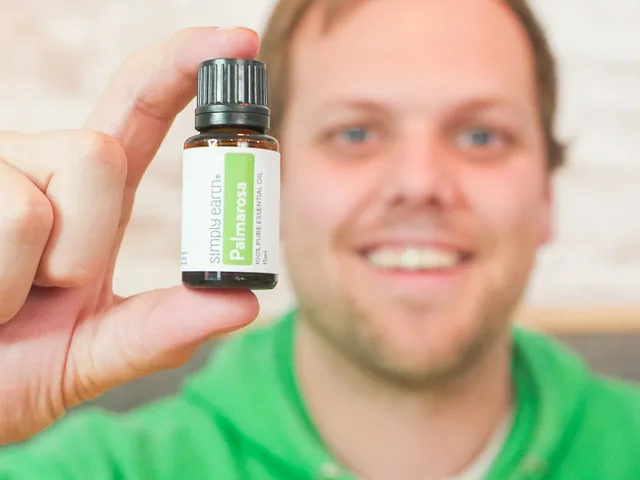
BEST FOR: SKINCARE RECIPES
Palmarosa is a favorite ingredient in DIY facial serums and toners for combination and oily skin types. Its skin-compatible profile — light, non-greasy, floral — makes it a popular choice for people who've struggled to find a skincare oil that doesn't tip their skin too far in either direction. It sits beautifully in jojoba-based serums and pairs well with rosehip for a more nourishing blend.
KATIE'S TIP
For a quick everyday serum, add 2 drops of palmarosa to 1 teaspoon of jojoba oil — jojoba is the closest oil to your skin's natural sebum, so the two work really beautifully together. Apply at night after cleansing and let it absorb before bed.


Palmarosa Is a Natural Deodorant Hero
The Secret Ingredient in Homemade Deodorant Recipes
 Shop This Oil
BEST FOR: PERSONAL CARE & DIY HYGIENE RECIPES
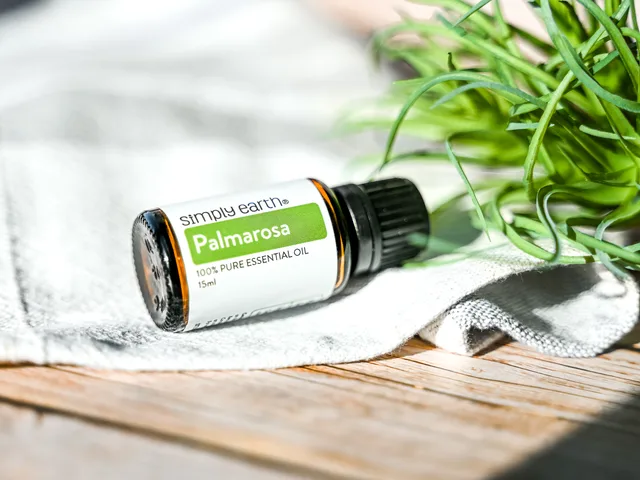
Palmarosa is one of the most popular essential oils for homemade natural deodorant recipes. Its fresh, floral scent pairs beautifully with tea tree and lavender in both paste and stick formulas, and it's a staple for people building baking-soda-free deodorant alternatives. For a simple paste, melt 3 tablespoons of coconut oil with 2 tablespoons of shea butter, let it cool slightly, then stir in 2 tablespoons of arrowroot powder, 10 drops of palmarosa, 5 drops of tea tree and 5 drops of lavender. Pour into a small glass jar and apply a pea-sized amount with clean fingertips. Always patch test before first use.
KATIE'S TIP
Try blending palmarosa with patchouli and sweet orange in a simple arrowroot-based deodorant paste. The palmarosa freshens, the patchouli grounds, and the orange brightens — it's a combination that surprised a lot of our Earthies when they first tried it.


Palmarosa Is the Affordable Rose for DIY Perfumery
Get the Rose Scent Without the Rose Price Tag
 Shop This Oil
BEST FOR: FACIAL SERUMS, BODY OILS & NATURAL PERFUME BLENDS
Pure rose otto is one of the most expensive essential oils in the world — it takes roughly 60,000 roses to produce a single ounce. Palmarosa is why most natural perfumers and indie skincare formulators aren't losing sleep over that. Both oils contain high concentrations of geraniol, the naturally occurring compound responsible for that sweet, luxurious rose scent. Use palmarosa anywhere a recipe calls for rose otto and most people — including seasoned formulators — can't tell the difference.
KATIE'S TIP
In facial serum recipes, I use 2–3 drops of palmarosa as a direct rose substitute. It adds that high-end floral note without the high-end price tag. Palmarosa has serious scent throw — a little goes a very long way.


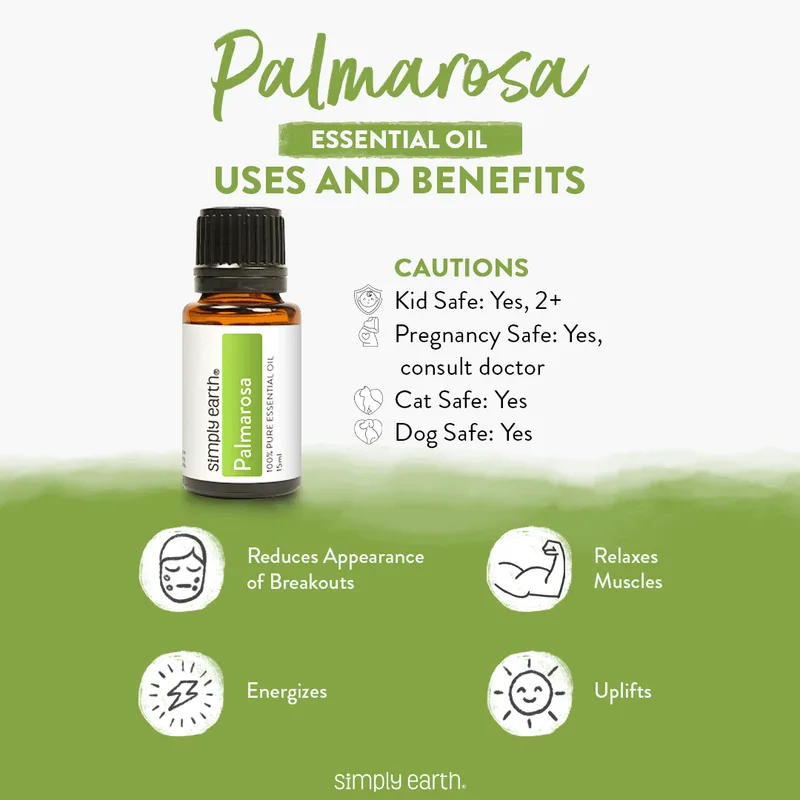
Palmarosa Reduces the Appearance of Breakouts
A Gentle, Plant-Based Choice for Acne-Prone Skin
 Shop This Oil
BEST FOR: ACNE-PRONE & CONGESTED SKIN RECIPES
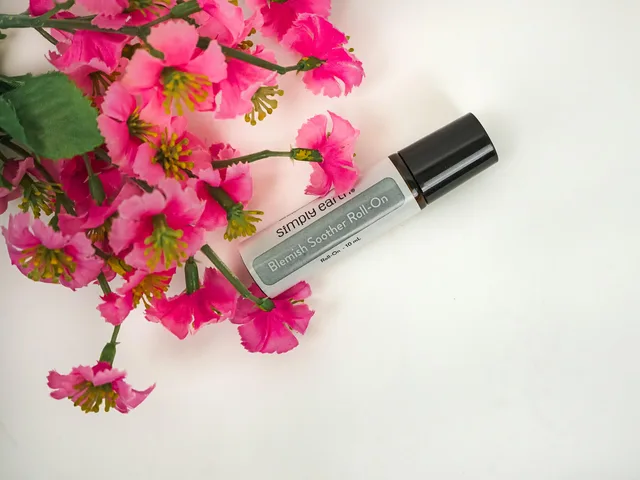
Palmarosa is popular in DIY skincare recipes for skin prone to congestion and breakouts. Unlike some essential oils that can feel too heavy or too stripping on acne-prone skin, palmarosa has a lighter profile that many people find works well with sensitive complexions. It's a solid addition to spot serums, toners, and face masks when properly diluted in a suitable carrier oil.
KATIE'S TIP
Dilute 1 drop of palmarosa in 1 teaspoon of fractionated coconut oil and apply lightly to congested areas at night. This is a slow, consistent approach — not an overnight fix. Most people notice the difference after a few weeks of regular use.

Palmarosa Is a Calming Scent for Relaxation Routines
The Floral Diffuser Oil You've Been Missing
 Shop This Oil
BEST FOR: DIFFUSER BLENDS, BATH RITUALS & ROLL-ONS
Palmarosa's sweet, floral scent is a natural fit for winding-down routines. It's commonly included in relaxation diffuser blends, evening bath rituals, and bedtime roll-ons — often paired with lavender, bergamot, or sandalwood. If you like floral scents in your evening routine but find geranium too heavy or rose too intense, palmarosa is the lighter, sweeter option.
KATIE'S TIP
Palmarosa, sandalwood and bergamot is one of my favorite evening diffuser combinations. Two drops of each. It smells like a luxury spa without being overpowering — grounding and floral at the same time.


Palmarosa Is Energizing & Uplifting in the Diffuser
A Fresh Floral Start to Your Morning
 Shop This Oil
BEST FOR: MORNING DIFFUSER BLENDS & ENERGIZING ROLL-ONS
Palmarosa has a bright, uplifting quality in the diffuser that's different from citrus — it's floral and sweet rather than sharp and zesty. It pairs beautifully with lemon, bergamot, and peppermint for morning blends that feel fresh and energizing without being jarring. It's a great alternative if your usual morning blend has started to feel stale.
KATIE'S TIP
Try palmarosa, lemon and peppermint in a 3:2:1 drop ratio first thing in the morning. The palmarosa softens the sharpness of the peppermint while the lemon brightens everything up. It works for a home office or a kitchen — anywhere you want that fresh-start energy.


Palmarosa Soothes Tired, Overworked Muscles
A Floral Twist on Your Post-Workout Massage Blend
 Shop This Oil
BEST FOR: MASSAGE BLENDS & AFTER-WORKOUT RECIPES
Palmarosa is a popular addition to massage oil blends for tired, overworked muscles after a long day or a hard workout. Its sweet floral scent makes it a pleasant alternative to the more medicinal oils typically used in muscle blends — and it pairs particularly well with ginger root, peppermint, and cedarwood. Always dilute to 2% or less before applying to skin.
KATIE'S TIP
For a post-workout massage oil, blend 3 drops palmarosa, 2 drops ginger root and 2 drops peppermint in 1 tablespoon of fractionated coconut oil. The ginger adds warmth, the peppermint cools, and the palmarosa rounds out the whole blend with a floral note that makes it genuinely enjoyable to use.
Put It to Work
Palmarosa Essential Oil Uses & Recipes
Aromatic
- • Add 3–5 drops to your diffuser with water, per the manufacturer's instructions
- • Blend with bergamot, lemon, or sandalwood for a spa-like atmosphere
- • Use in a personal inhaler for on-the-go floral aromatherapy
Topical
- • Always dilute at 1–2% — that's 1–2 drops per teaspoon of carrier oil
- • Jojoba, fractionated coconut oil, rosehip and sweet almond are all excellent carriers for palmarosa
- • Apply to pulse points, or stir into an unscented lotion for an all-over floral finish
DIY Recipes
- • Bi-Phasal Facial Cleanser
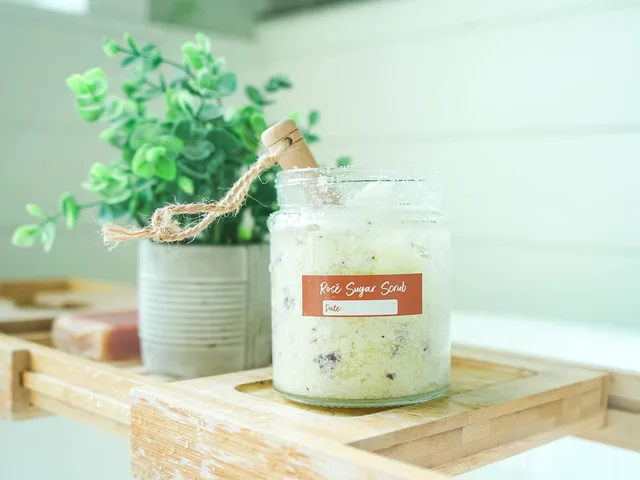
- • Rose Sugar Scrub
- • Happy Rose Bath Powder
- • Rose Garden Bath Bombs
- • Blemish Soother Roll-On
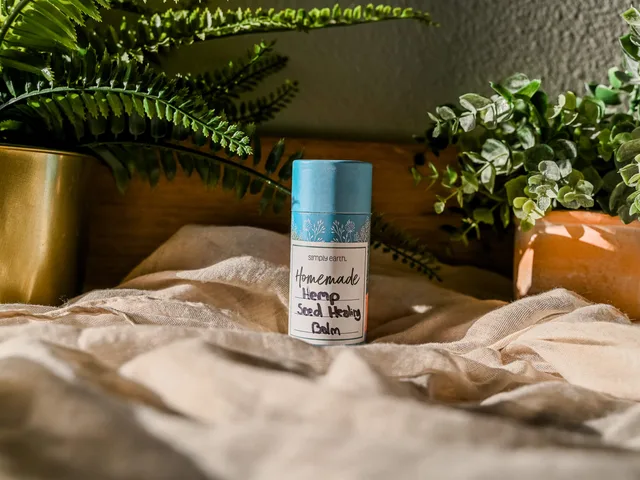
- • Hemp Seed Healing Balm
- • Still Waters Bath Salts
- • Inhale Exhale Bath Salts
- • Tangerine Dream Roll-On
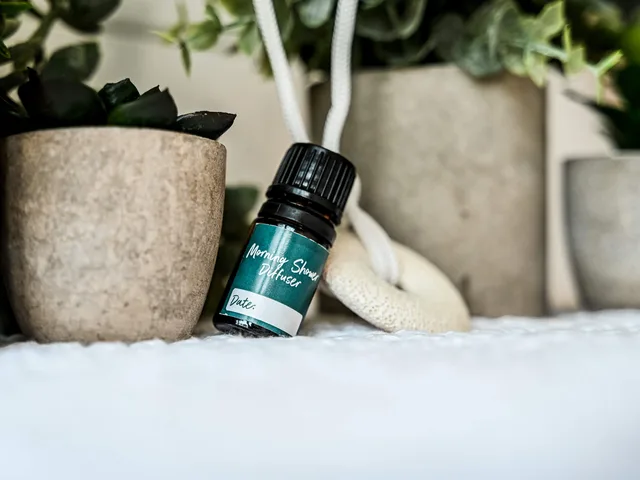
- • Morning Shower Diffuser
- • Fresh Cut Flowers Diffuser Blend
- • Candy Hearts Diffuser Blend
- • Autumn Zest Diffuser Blend
Home & Cleaning
- • Add to homemade room sprays for a fresh, floral scent
- • Blend into DIY linen sprays for a gentle rose-inspired fragrance
- • Use in solid or liquid natural perfume recipes
Know the Difference
Know the Difference: Palmarosa, Rose Otto & Geranium
"What's the difference between palmarosa, rose and geranium?" is the single most-asked question about this oil. All three share geraniol — the compound behind that rose-like scent — but they come from completely different plants at completely different prices. Simply Earth carries palmarosa and geranium; we don't sell rose otto.
Swipe to compare →
Palmarosa Essential Oil What Simply Earth Carries | Rose Otto (Rose Essential Oil) The luxury original | Geranium Essential Oil Heavier and more powdery | |
|---|---|---|---|
| Aroma | Sweet, light and floral — rose-like with a fresh, green undertone | Deep, rich and complex — heady, slightly powdery, unmistakably luxurious | Floral and rose-adjacent, but heavier and more powdery; what many people describe as "old-school rose" |
| Distilled From | The grass Cymbopogon martinii, steam-distilled in India | Damask or Bulgarian rose petals — roughly 60,000 roses per ounce of oil | The leaves and stems of the Pelargonium plant |
| Geraniol Content | 70–85% — one of the highest of any essential oil | 15–22% — the extra depth comes from dozens of other compounds | Present, but lower than palmarosa |
| Best For | DIY skincare, natural deodorant recipes and floral diffuser blends | Luxury skincare formulations and high-end natural perfumery | Balancing skincare, grounding emotional-support blends and perfumery |
| Price | Affordable — the go-to rose alternative | One of the most expensive essential oils in the world | Mid-range |
| Simply Earth | We carry this | — | — |
Perfect Pairs
What Palmarosa Essential Oil Blends Well With
Its sweet, rose-like and fresh floral aroma pairs beautifully with citrus, woods, herbs and other florals.
A Grass That Smells Like a Rose
History of Palmarosa Essential Oil
Palmarosa (Cymbopogon martinii) is a tall perennial grass native to northern India and South Asia. Despite being botanically related to lemongrass and citronella — oils known for their sharp, fresh, almost lemony character — palmarosa produces something completely different when distilled: a sweet, intensely floral, rose-like oil. That surprise is what has made it valuable for centuries. The name itself is believed to derive from "pale rose," a reference to its striking scent.
Palmarosa has been used in Ayurvedic traditions for centuries, where it was applied in skin preparations and aromatic rituals. By the 19th and early 20th centuries, European perfumers discovered that the oil was a far more accessible source of geraniol — the compound responsible for the rose scent — than actual rose petals. It quietly became a staple ingredient in fine fragrance and cosmetic manufacturing, used behind the scenes in products where a rose note was needed at scale.
Today, palmarosa is having a renewed moment among DIY skincare makers, natural formulators and home perfumers, who are learning what professional chemists have known for decades: geraniol is geraniol, whether it comes from an Indian grass or a Bulgarian rose. For home DIYers, palmarosa offers a rare combination of luxury scent and everyday accessibility — which is exactly what makes it a Recipe Box staple.
The Chemistry
The Science Behind Palmarosa Essential Oil
Three naturally occurring compounds give palmarosa its signature sweet, rose-like character:
Geraniol
70–85% of the oil · The rose note
Geraniol is the dominant compound in palmarosa and the one responsible for its rose-like scent. It's a naturally occurring monoterpenoid found in many aromatic plants, but palmarosa carries one of the highest concentrations of any essential oil. It's the same compound found in real rose otto, which is why the two smell so strikingly similar — and why palmarosa works as a convincing rose substitute in DIY formulation.
Geranyl Acetate
Soft · Slightly fruity
A naturally occurring ester that gives palmarosa a softer, slightly fruity undertone beneath its floral notes. Geranyl acetate holds FDA GRAS (Generally Recognized As Safe) status and is widely used in the cosmetic and fragrance industry. It's part of what makes palmarosa's scent feel smooth and rounded rather than sharp or one-dimensional.
Linalool
Soft · Calming · Also in lavender
An aromatic compound also found in lavender and hundreds of other flowering plants. In palmarosa, linalool contributes a soft, calming quality to the overall scent profile, and it's one of the most commonly occurring terpenes in aromatic plants worldwide. It's part of why palmarosa blends so effortlessly with lavender, bergamot and sandalwood.
Simply Earth's Palmarosa Essential Oil is steam-distilled from the grass Cymbopogon martinii, grown and distilled in India and sourced from our farm partner Norex Flavours in Western Uttar Pradesh. We third-party test our oils and publish the results, and we never blend them with synthetic fragrance, fillers or extenders. See Our Testing →
Use It Right
Things to Remember When Using Palmarosa Essential Oil
Always dilute before applying to skin.
Safe for kids age 2+.
Pregnancy safe — consult your doctor.
Cat safe and dog safe.
Keep away from eyes and mucous membranes.
Skin sensitivity.
We don't recommend ingesting essential oils unless under the direct guidance of a healthcare professional certified in aromatherapy.
Store in a cool, dark place with the cap tightly closed, away from heat and direct sunlight.
These statements have not been evaluated by the Food and Drug Administration. Essential oils are not intended to diagnose, treat, cure, or prevent any disease.
Real Results
What Earthies Are Saying About Palmarosa Essential Oil
"I love the smell and feel of this oil! I have made melt and pour soap with Goat's milk, oatmeal, honey and Palmarosa oil. I also used this oil in my face moisturizing cream."
Karen R.
Website Review • Palmarosa Essential Oil
"I was looking for an essential oil that we carry that has a rose scent to recommend to my customers. I love Palmarosa as it has a light rose scent that is not cloying or overpowering. My customers have loved it as well!"
Marlene H.
Website Review • Palmarosa Essential Oil
"I found the product to be of quality and very therapeutic. The distinct medium scent is very lilting and clean. I have an elevation of mood when I put this into my diffuser."
Cynthia F.
Website Review • Palmarosa Essential Oil
OUR SIMPLY PURE PROMISE
What Goes Into Your Products Matters
Certified 100% Pure
No fillers, no synthetics. Just pure oil.
GC/MS Third-Party Tested
Every batch independently verified.
Ethically Sourced from Quality Farms
Responsibly harvested. People and planet first.
15mL
Bottle Size
MLM brands: 10mL
India
Where It's Grown
Norex Flavours, Western Uttar Pradesh
Public
GC/MS Tests
MLM brands: Rarely
Your Order Changes Lives: 13% of profits fight human trafficking globally.
Palmarosa Essential Oil FAQ
Everything you need to know about palmarosa—from what makes it smell like a rose to using it safely.
What is palmarosa essential oil good for? +
Palmarosa is most popular in DIY skincare recipes for combination and oily skin types, natural deodorant formulas, and floral diffuser blends. Its sweet, rose-like scent comes from a naturally occurring compound called geraniol — the same compound found in real rose oil — which makes it a favorite affordable substitute in facial serums and natural perfumery. It blends beautifully with lavender, bergamot and sandalwood.
What is the difference between palmarosa and rose essential oil? +
Both palmarosa and rose essential oil contain high concentrations of geraniol, which is why they smell so similar. The key difference is source and cost. Rose oil is distilled from rose petals — it takes roughly 60,000 roses to make one ounce — and is one of the most expensive oils in the world, while palmarosa is distilled from an Indian grass and is far more affordable. For DIY skincare and perfumery, palmarosa is the go-to rose substitute for most home formulators.
What is the difference between palmarosa and geranium essential oil? +
Both are floral and rose-adjacent, but they have distinct characters. Palmarosa is lighter, sweeter and more delicate — what many people describe as a "younger rose." Geranium tends to be heavier and more powdery. Palmarosa also has a faint fresh-green undertone that geranium doesn't. For natural deodorant recipes palmarosa is typically the preferred choice; for deeper, more grounding skin blends, geranium is often the go-to. Simply Earth carries both.
Can palmarosa essential oil be used in natural deodorant recipes? +
Yes — palmarosa is one of the most popular essential oils for DIY natural deodorant. Its fresh, floral scent pairs well with tea tree and lavender in paste and stick formulas, and it's a staple ingredient for people building baking-soda-free alternatives. There's a simple arrowroot-based paste recipe in benefit
Is palmarosa essential oil safe for cats? +
Palmarosa is one of the oils Simply Earth considers cat safe and dog safe. That said, cats metabolize essential oils differently than humans — always ensure good ventilation during diffuser use, give pets the option to leave the room, and avoid direct application on animals entirely. Consult your veterinarian before using essential oils in a home with pets.
About the Author: Katie Veldkamp
Katie Veldkamp
Certified Aromatherapist · Co-Founder, Simply Earth
Katie Veldkamp is Simply Earth's Lead Certified Aromatherapist and the heart behind every product recommendation, recipe, and safety guide on this blog. With years of hands-on aromatherapy practice and a deep love for plant-based wellness, Katie fact-checks every health claim to make sure what you read is safe, science-informed, and actually useful.
Join 20,000+ Earthies Making Their Homes Natural
New recipes, usage guides, and DIY tips—delivered free.
No spam. Unsubscribe any time.

Learn by doing
Make your own natural products every month.
The Simply Earth Recipe Box ships 6 essential oils, 4 DIY recipes, and all the supplies—$39/month. Cancel anytime.
Start My Recipe Box40% off your first box with code NEWBOX.