Best Essential Oils for Perfume Making
Katie Veldkamp
Lead Certified Aromatherapist
Fact Checked & Approved
How to Make Natural Perfume That Lasts
Most "best essential oils" lists sort oils by what they do for you. Perfume doesn't work that way. A perfume is built on how fast each oil evaporates — and that single property decides whether your blend smells incredible for ten minutes or all day.
Perfumers sort every material into three tiers: top notes that flash off in roughly 5–15 minutes, middle notes that hold the centre for about 20–60 minutes, and base notes that can linger on skin for 12–48 hours or more.
That is why a blend of four gorgeous citrus oils disappears before you reach the car. Citrus oils are almost all top notes — there is nothing underneath them to hold on. The 12 oils below are grouped the way a perfumer actually reaches for them: four tops to open, four hearts to carry the character, and four bases to make the whole thing last.
THE PERFUME MAKING SERIES
STEP 01 · COMING SOON
Perfume Basics

STEP 02
Best Oils

STEP 03 · COMING SOON
DIY Recipes

STEP 04 · COMING SOON
Master Guide

In this Guide
Free Guide
Get the free Essential Oil Cheat Sheet
One page. Fridge-ready. Free.
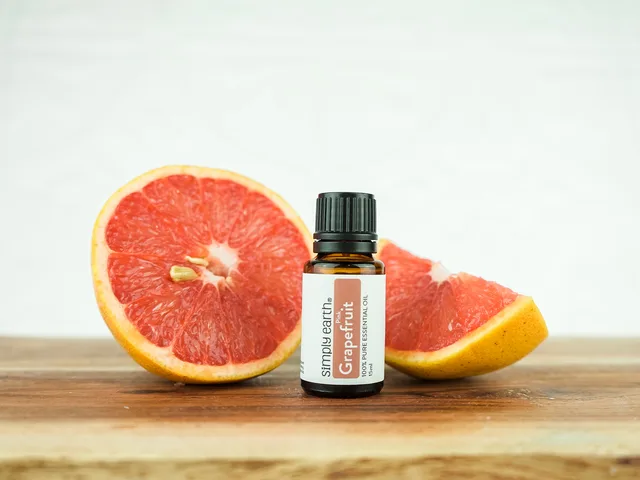
BEST FOR: BRIGHT, MODERN TOP NOTES
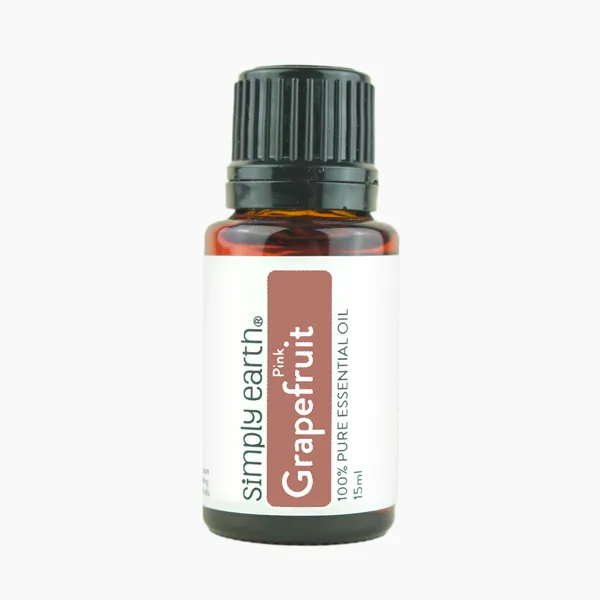
Pink grapefruit is the top note that reads as expensive rather than sugary. It is sharper and drier than orange, with a faint bitter edge that keeps a floral heart from turning cloying. Cold pressed from the peel, it is volatile even by citrus standards, so treat it as the flash of brightness in the first few minutes rather than the backbone of the blend.
AROMATHERAPIST HACK
Grapefruit oxidises faster than almost anything else on this list. Buy the smallest bottle you will realistically use in a year, keep it capped and cool, and blend from a fresh bottle. Tired citrus is the single most common reason a homemade perfume smells flat.
TRY IT IN →


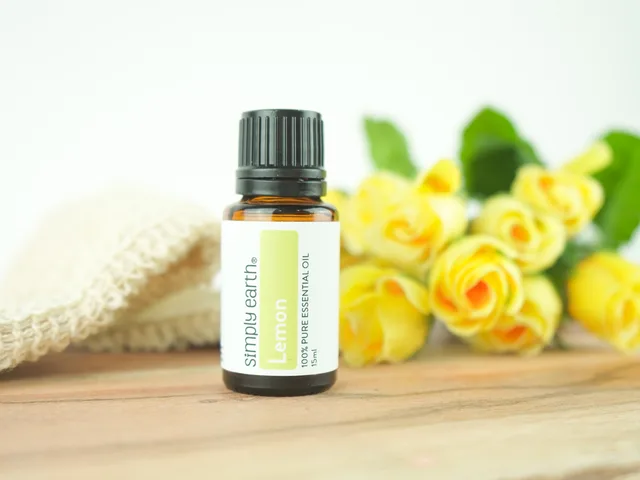
BEST FOR: CRISP, FRESH OPENINGS
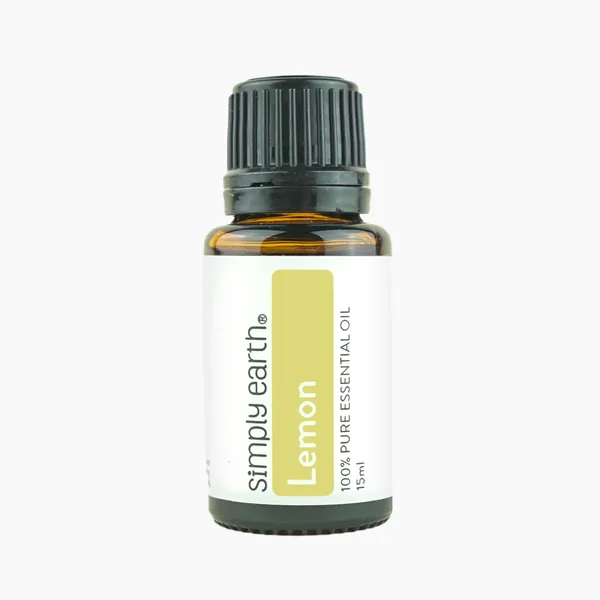
Lemon is the cleanest top note you can buy and the most affordable oil on this page. It smells like fresh rind rather than lemonade, which makes it a precision tool: a couple of drops will lift a heavy, resin-led base out of stuffiness without adding sweetness of its own. It is also the shortest-lived oil here, so use it for the first impression and let something else do the carrying.
AROMATHERAPIST HACK
Lemon and most cold-pressed citrus oils are phototoxic, meaning they can react with sunlight on skin. For a perfume you will wear out in daylight, keep total citrus low or choose a steam-distilled citrus instead, and follow current IFRA guidance on skin-safe levels.
TRY IT IN →


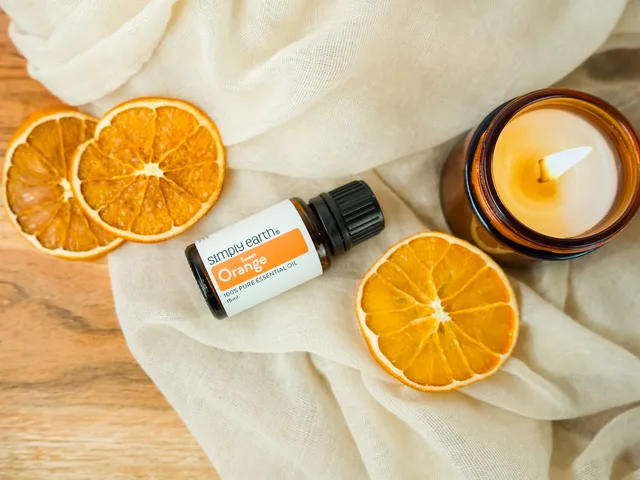
BEST FOR: SOFT, APPROACHABLE TOP NOTES
Sweet orange is the friendliest citrus in perfumery and the easiest to get right. Where grapefruit is dry and lemon is sharp, orange is round and slightly sweet, which lets it sit closer to the heart of a blend than its evaporation rate suggests. It is the citrus that plays best with vanilla-adjacent bases, resins and woods, and at under ten dollars it is the one to experiment with while you learn.
AROMATHERAPIST HACK
Orange is the forgiving oil in a blend that has gone too sharp. If your test strip smells thin or aggressive, add one drop of sweet orange before you add anything else. It rounds the edges without changing the direction of the scent.


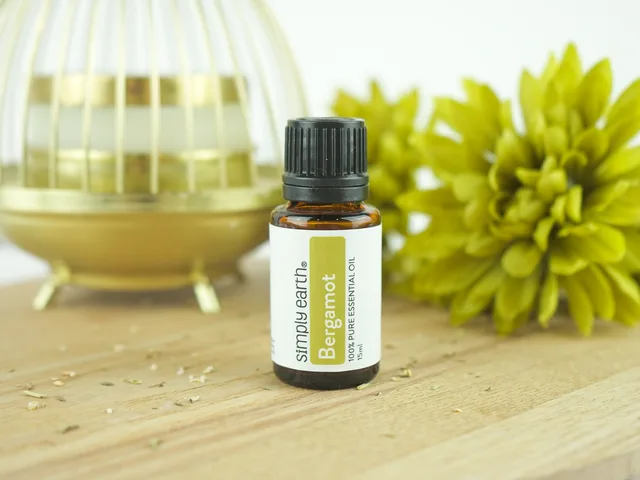
BEST FOR: LINKING CITRUS TO THE HEART
Bergamot is the most useful top note in classical perfumery and the reason Earl Grey tea smells the way it does. It is citrus, but with a green, faintly floral tea-like facet that reaches down toward the middle notes instead of sitting on top of them. That bridging quality is why it opens more fine fragrances than any other citrus, and why it is worth paying more for than lemon or orange.
AROMATHERAPIST HACK
If your top and heart feel like two separate perfumes stacked on top of each other, bergamot is usually the fix. Replace a third of your citrus with bergamot and the seam disappears, because it shares facets with both halves of the blend.
TRY IT IN →


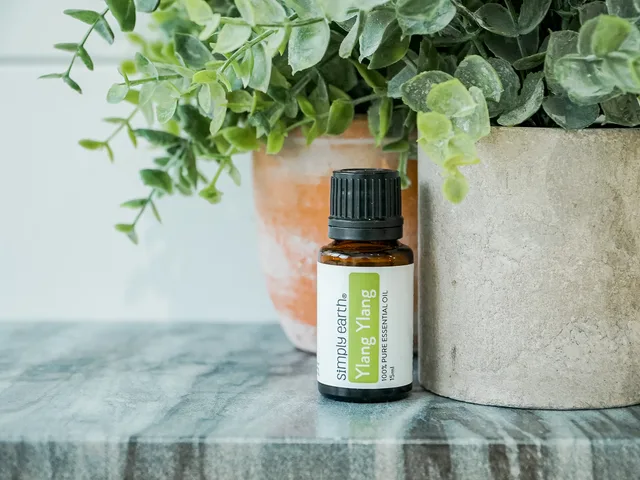
BEST FOR: RICH, HEADY FLORAL CENTRES
Ylang ylang is the most intense floral most people will ever blend with. Sweet, creamy and slightly banana-like, it is heavy enough to behave like a base note in a small blend, which makes it the cheapest route to a perfume that actually lasts. It is also the easiest oil on this page to overdo, and the difference between one drop and three is the difference between luxurious and overwhelming.
AROMATHERAPIST HACK
Dose ylang ylang last and dose it by halves. Build the rest of your blend first, then add a single drop, wait a full minute, and only then decide whether it needs more. It keeps unfurling for far longer than you expect on the strip.


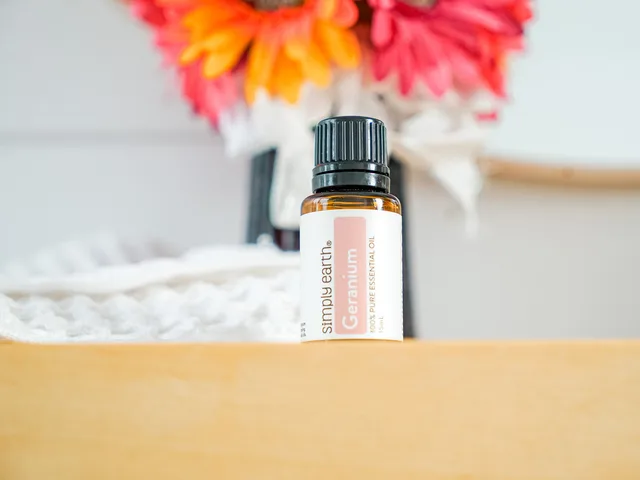
BEST FOR: ROSY, GREEN HEART NOTES
Geranium is the workhorse of the middle. It carries a genuine rosy character with a green, slightly minty lift underneath, and it costs a fraction of what a true rose oil does. Perfumers reach for it to give a blend a floral spine without committing the whole budget to one material, and it has the useful habit of making other florals smell more expensive than they are.
AROMATHERAPIST HACK
Geranium is the bridge between a citrus top and a woody base. Pair it with bergamot above and cedarwood below and you have a complete, three-tier perfume from three oils — a genuinely good blend before you add anything else.


BEST FOR: ELEGANT ORANGE-BLOSSOM CENTRES
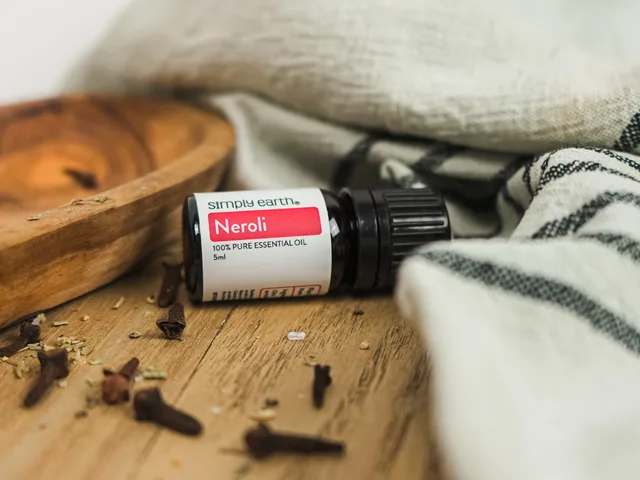
Neroli is distilled from bitter orange blossom and it is the reason this list has a fifty dollar oil on it. It sits exactly between citrus and floral — honeyed, green and slightly bitter all at once — which means it can act as top note and heart simultaneously and hold a blend together on its own. It takes an enormous quantity of hand-picked blossom to produce a small amount of oil, which is where the price comes from.
AROMATHERAPIST HACK
Do not treat neroli as a supporting player. At this price you want it audible, so build the blend around it rather than adding it to a finished one. Two drops in a 10mL roll-on is enough for it to lead.
TRY IT IN →

BEST FOR: SOFTENING AND CONNECTING
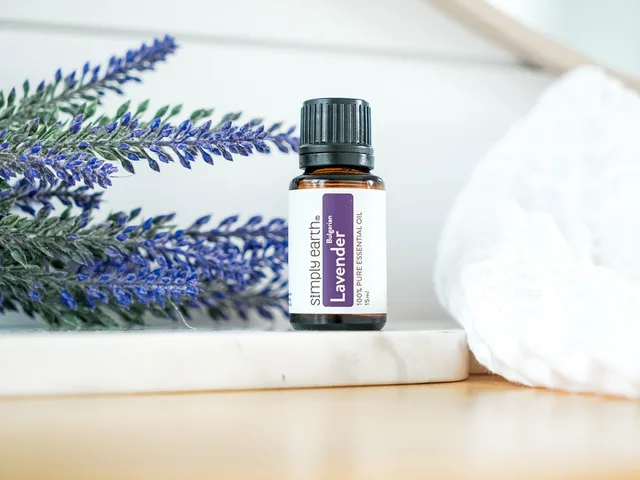
Lavender is the oil that makes other oils get along. Herbaceous, floral and faintly sweet, it is neutral enough to sit in almost any blend and complex enough to add something while it is there. In perfume terms it is a soft middle note that fades gracefully rather than dropping away, which makes it the safest place to start if you have never blended before.
AROMATHERAPIST HACK
Lavender is the rescue oil for a blend that has gone harsh. Because it is so widely recognised, though, too much of it makes a perfume read as laundry rather than fragrance. Keep it under a third of the heart and it stays a blender instead of a headline.
TRY IT IN →


BEST FOR: DEPTH AND STAYING POWER
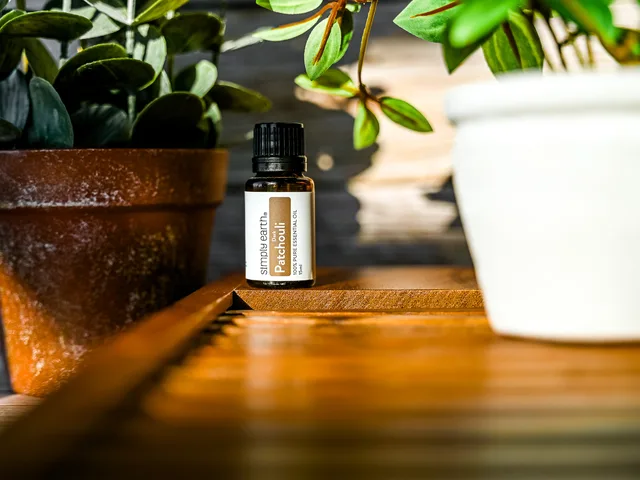
Patchouli is the closest thing on this list to a genuine fixative — an oil that slows the evaporation of everything blended with it. Dark, earthy and sweetly musky, it is the reason a perfume is still detectable the next morning. It is also the most polarising oil here, and the one most often used at a fraction of a drop rather than a whole one.
AROMATHERAPIST HACK
Patchouli genuinely improves with age — unlike citrus, an older bottle is smoother and less sharp than a fresh one. If your patchouli smells harsh or dusty, leave it capped for a few months before you judge it.


BEST FOR: WARM, RESINOUS BASES
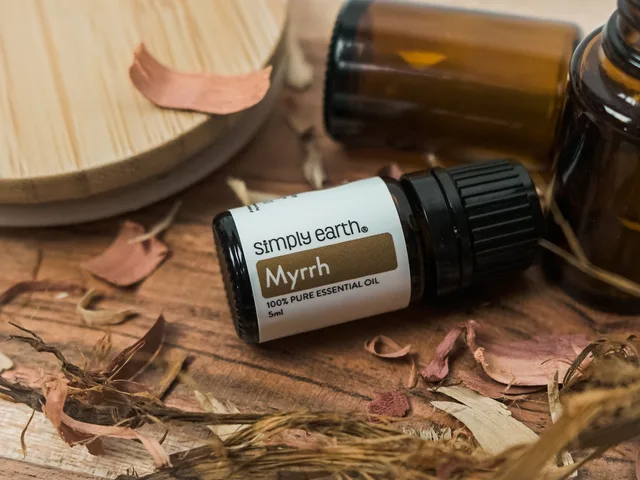
Myrrh is a resin rather than a flower or a peel, and it behaves accordingly. Thick, smoky and balsamic with a bitter-sweet edge, it anchors a blend the way few materials can and it is one of the oldest perfume ingredients still in use. It is dense enough that a single drop changes the whole character of a 10mL roll-on, so it rewards restraint.
AROMATHERAPIST HACK
Myrrh is viscous and will not drop cleanly from a cold bottle. Warm it in your hand for a minute first, or you will wait for a drop, give up, shake the bottle and get three at once.
BEST FOR: ELEVATING A HEAVY BASE
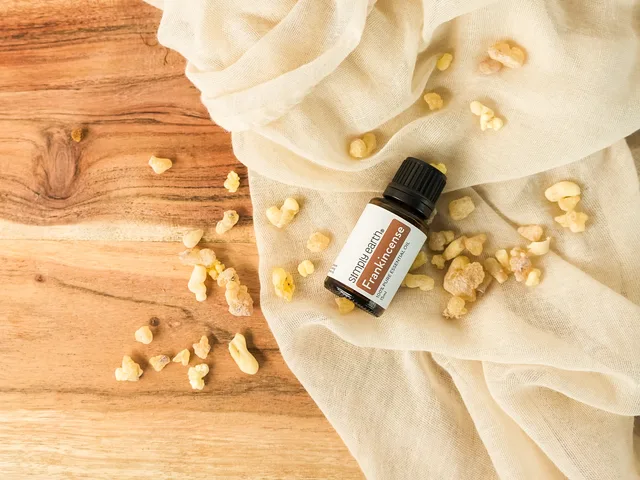
Frankincense is the resin that adds height instead of weight. Where myrrh pulls a blend down and inward, frankincense is drier, greener and faintly peppery, giving a base lift and a kind of clarity. It is the oil to reach for when a perfume is rich enough but feels airless, and it pairs especially well with citrus tops for exactly that reason.
AROMATHERAPIST HACK
Frankincense and myrrh are a classic pairing but they are not interchangeable. Use myrrh when you want the base heavier and sweeter, frankincense when you want it lighter and more transparent. Equal parts of both is a reliable starting base.
TRY IT IN →


BEST FOR: CLEAN, UNISEX FOUNDATIONS
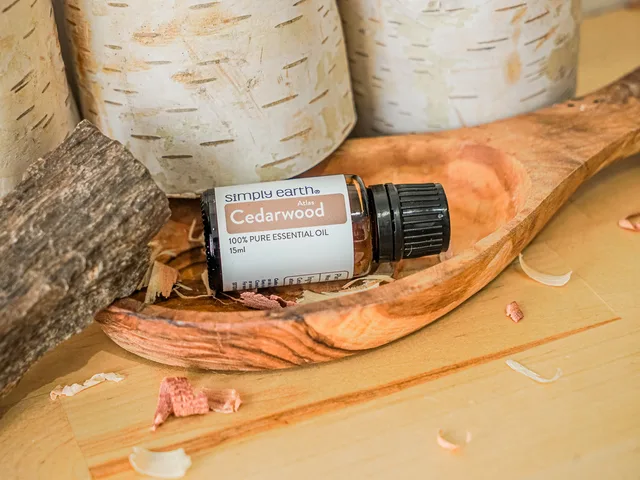
Cedarwood is the most affordable base note here and the most versatile. Dry, soft and woody — closer to freshly sharpened pencils than to a forest — it grounds a blend without the earthiness of patchouli or the sweetness of a resin. That neutrality is exactly why it is the default base in so many unisex fragrances, and at under ten dollars it is the base note to learn on.
AROMATHERAPIST HACK
Atlas and Himalayan cedarwood are not the same oil. Atlas is drier and slightly sweeter, Himalayan is softer and more milky. If a recipe simply says cedarwood, it is worth smelling both before you commit the blend.
TRY IT IN →


Note & Longevity Matrix
Pick one oil from each tier and your perfume will last — that is the whole trick
| Note Position & Longevity | The Oil | Scent Character & Role |
|---|---|---|
| Top — fades in 5 to 15 min | Grapefruit | Dry, zesty, sparkling — brightest lift, shortest life |
| Top — fades in 5 to 15 min | Lemon | Sharp, clean rind — the crispest opening of the twelve |
| Top — fades in 5 to 15 min | Orange (Sweet) | Warm, round, sweet — the softest and most forgiving citrus |
| Top into heart — 15 to 30 min | Bergamot | Citrus with a floral tea edge — bridges the top to the heart |
| Heart — 20 to 60 min or longer | Ylang Ylang | Creamy, heady floral — heavy enough to act like a base |
| Heart — 20 to 60 min | Geranium | Rosy and green — the affordable stand-in for rose |
| Heart — 20 to 60 min | Neroli | Honeyed orange blossom — spans top and heart at once |
| Heart — 20 to 60 min | Lavender | Herbaceous floral — the universal blender and softener |
| Base — 12 to 48 hrs or longer | Patchouli | Earthy and musky — the strongest true fixative here |
| Base — 12 to 48 hrs or longer | Myrrh | Smoky balsamic resin — anchors and sweetens the base |
| Base — 12 to 48 hrs or longer | Frankincense | Dry, peppery resin — lifts a base that feels airless |
| Base — 12 to 48 hrs or longer | Cedarwood Atlas | Dry, soft wood — the neutral unisex foundation |
Get 10% Off the Best Essential Oils for Perfume Making
Use code PERFUME10 at checkout for 10% off the twelve oils on this page.
Grapefruit Essential Oil (Pink)
Lemon Essential Oil
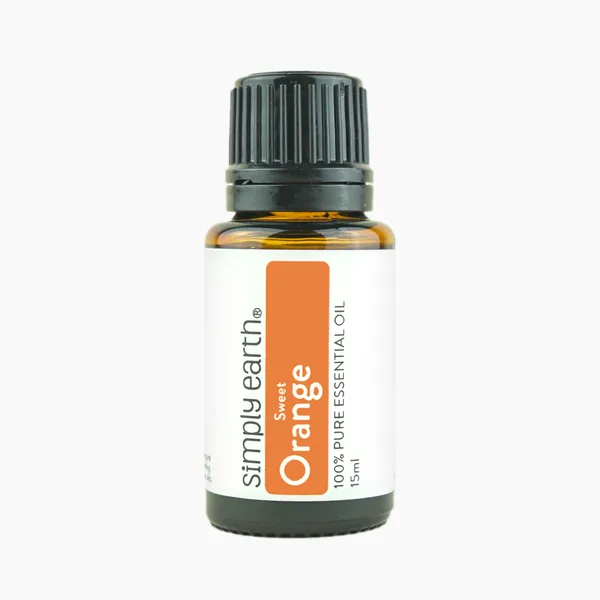
Orange (Sweet) Essential Oil
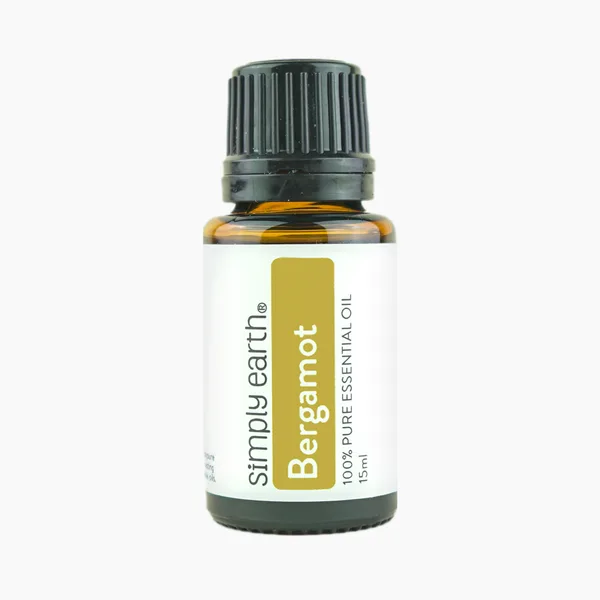
Bergamot Essential Oil
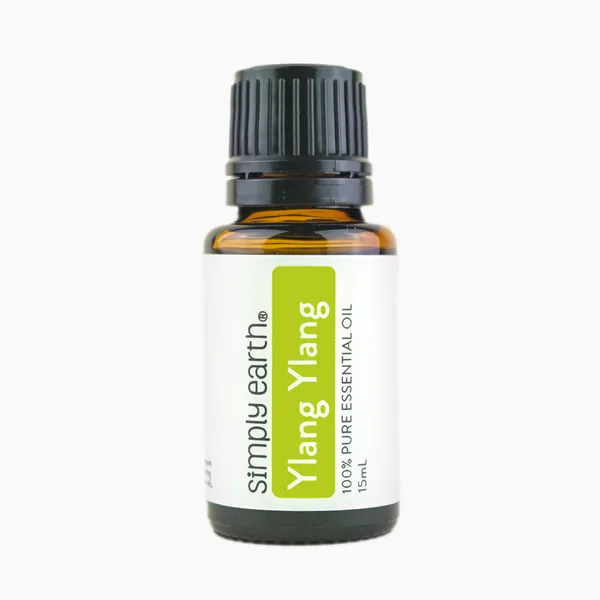
Ylang Ylang Essential Oil
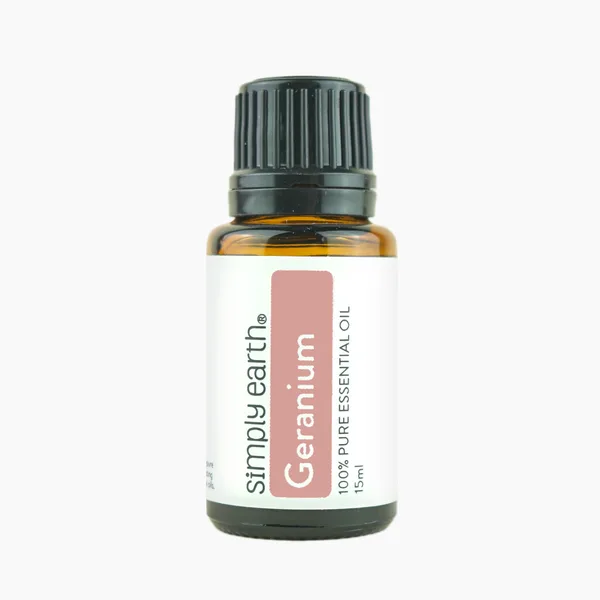
Geranium Essential Oil
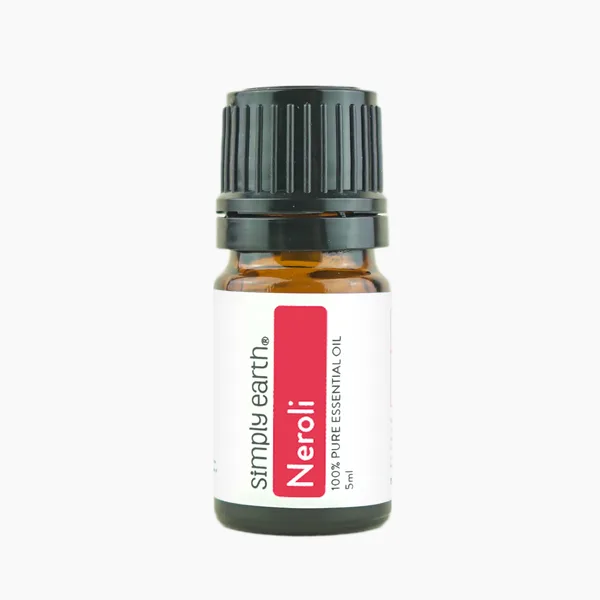
Neroli Essential Oil
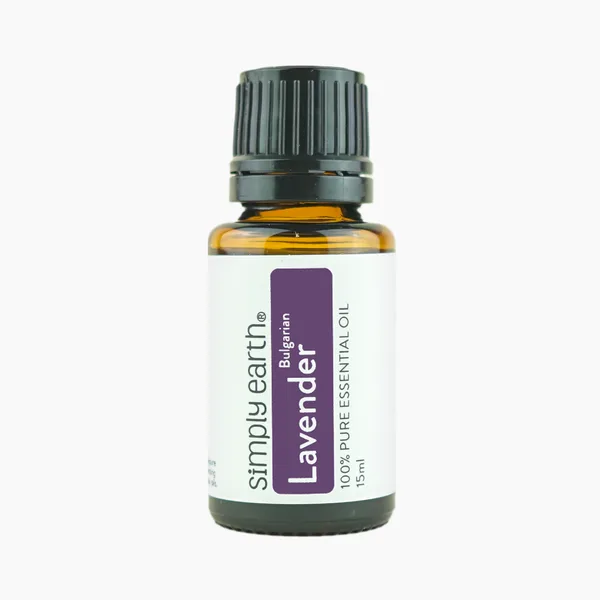
Lavender Essential Oil
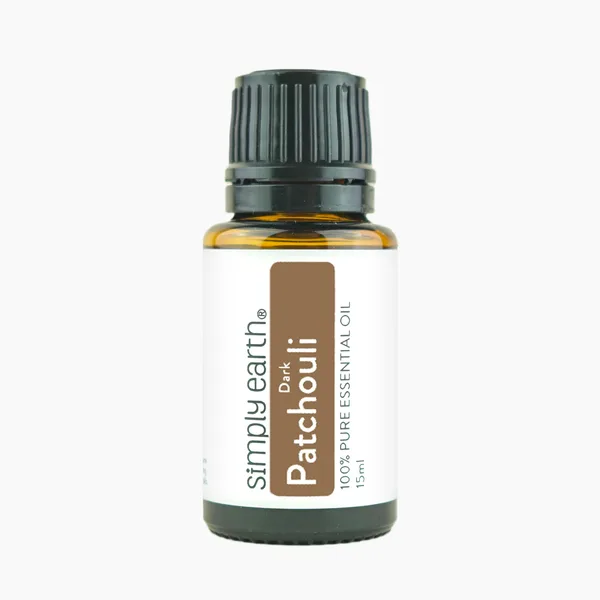
Patchouli (Dark) Essential Oil
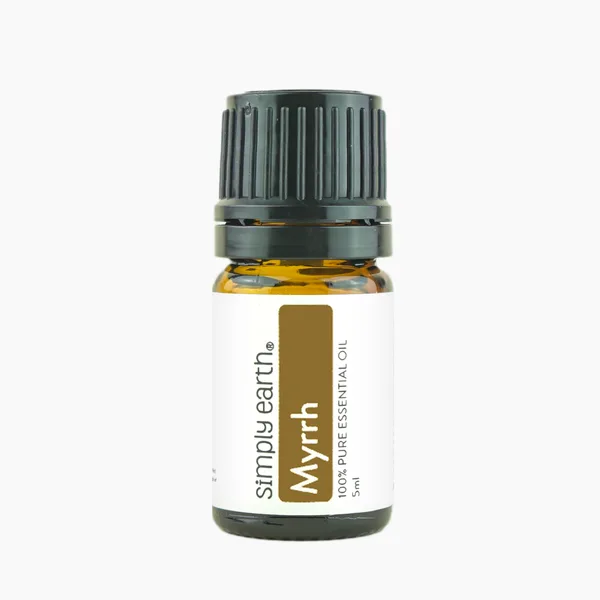
Myrrh Essential Oil
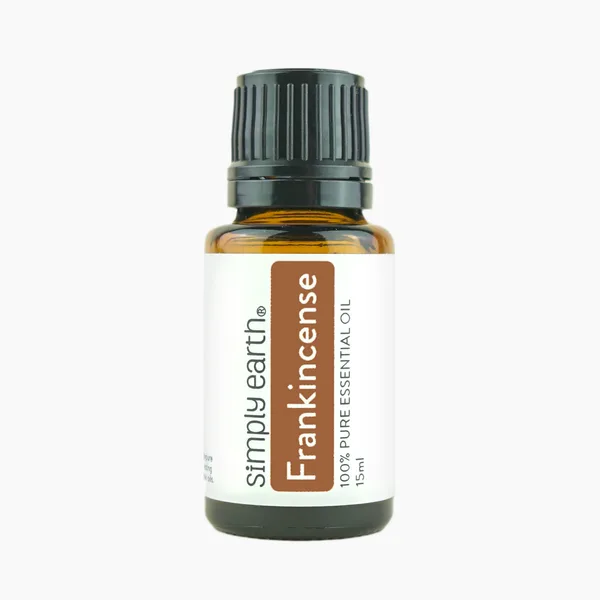
Frankincense Essential Oil
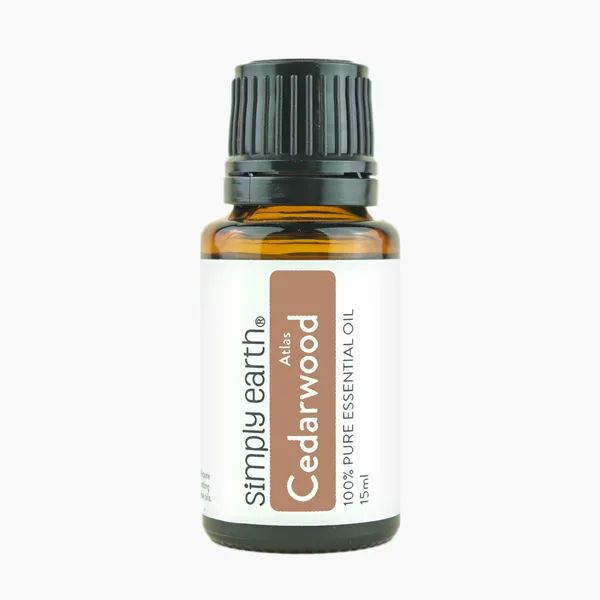
Cedarwood Atlas Essential Oil
OUR SIMPLY PURE PROMISE
What Goes Into Your Products Matters
Certified 100% Pure
No fillers, no synthetics. Just pure oil.
GC/MS Third-Party Tested
Every batch independently verified.
Ethically Sourced from Quality Farms
Responsibly harvested. People and planet first.
15mL
Bottle Size
MLM brands: 10mL
$9–20
Per Oil
MLM brands: $25–55+
Public
GC/MS Tests
MLM brands: Rarely
Your Order Changes Lives: 13% of profits fight human trafficking globally.

Key Takeaways
- Blend by note, not by benefit — a perfume needs a top, a heart and a base. Four citrus oils smell wonderful for ten minutes and then vanish, because nothing underneath is holding them.
- Start with 30/50/20 — roughly 30% top note, 50% middle and 20% base. It is a starting point to adjust from, not a rule.
- Base notes are what make it last — patchouli, myrrh, frankincense and cedarwood can stay detectable for 12 to 48 hours, while a top note is gone inside 15 minutes.
- Three oils is a real perfume — bergamot, geranium and cedarwood cover all three tiers for under $45 and make a complete, wearable blend.
- Test on strips before you commit — build the base first, then the heart, then the top, smelling after every single drop.
Frequently Asked Questions
The questions people ask most about blending essential oils into a perfume that actually lasts.
What are top, middle and base notes in perfume? +
They describe how quickly each oil evaporates. Top notes are the first thing you smell and typically fade within 5 to 15 minutes. Middle or heart notes follow and hold the character of the fragrance for roughly 20 to 60 minutes. Base notes are the slowest to evaporate and can stay on skin for 12 to 48 hours or longer, which is what gives a perfume its staying power.
How many drops of essential oil do I need for a perfume? +
For a 10mL roll-on, 20 drops of essential oil or fewer is a good starting point — roughly 6 drops of top note, 10 of middle and 4 of base. For a 50mL perfume spray, use 50 drops or fewer, split about 15 top, 25 middle and 10 base.
Why does my essential oil perfume fade so quickly? +
Almost always because the blend is top-heavy. Citrus oils are the most popular starting point and the fastest to evaporate, so a blend made mostly of them disappears within the hour. Adding a base note such as patchouli, cedarwood or myrrh slows the evaporation of everything else in the bottle.
What do I dilute essential oils in to make perfume? +
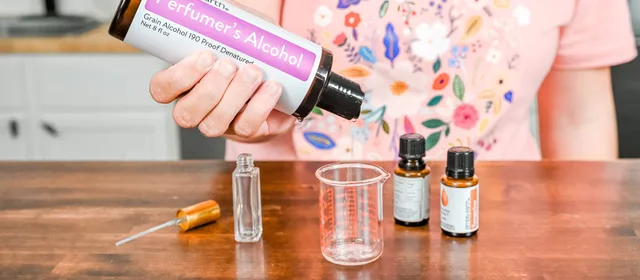
Two options. Perfumer's alcohol gives you a traditional spray perfume that projects and dries quickly. A carrier oil such as fractionated coconut oil gives you a roll-on that sits closer to the skin and lasts longer in a quieter way. Both need the oils properly diluted before they touch skin.
Which essential oils last the longest in perfume? +
The base notes. Patchouli is the most tenacious of the twelve on this page and acts as a fixative for the whole blend, with myrrh, frankincense and cedarwood close behind. Ylang ylang, though technically a heart note, is heavy enough that it often behaves like a base.
Are essential oil perfumes safe to wear on skin? +
Only properly diluted. Never apply undiluted essential oil to skin, and be aware that cold-pressed citrus oils including lemon, bergamot, grapefruit and orange can be phototoxic — they may react with sunlight. Keep citrus levels low in anything you will wear outdoors, follow current IFRA guidance, and check with your healthcare provider before use if you are pregnant, nursing or treating a child.
Do I need a fixative for a natural perfume? +
Not strictly, but it helps a great deal. A fixative is simply a material that evaporates slowly enough to hold the lighter notes back. Patchouli and the resins do this naturally, and benzoin resinoid is worth adding if you want a blend to last noticeably longer.
Go Deeper
The Two Ingredients That Change Everything
About the Author: Katie Veldkamp
Katie Veldkamp
Certified Aromatherapist · Co-Founder, Simply Earth
Katie got hooked on oils — then got mad at the prices. So she got certified, flew to farms, and built Simply Earth so nobody has to wonder what's really in their bottle. Over 100,000 customers later, she still writes every guide herself.
The Free Essential Oil Guide
Simply Earth's free starter guide — what each oil is for, how to dilute it, and how to use it safely at home.
- What each essential oil is for
- Safe dilution and usage basics
Join 47,000+ subscribers making healthier choices naturally.
Free. No spam. Unsubscribe anytime.