9 Essential Oils for Cleaning (And Which One to Use in Every Room)

Katie Veldkamp
Lead Certified Aromatherapist
Fact Checked & Approved
Cleaning doesn't have to mean harsh chemicals, artificial fragrance, or a cabinet full of single-use sprays. Here are the 9 essential oils for cleaning I reach for most, grouped by what they actually do, plus a surface-by-surface guide, DIY recipes with exact measurements, and the questions I get asked most.
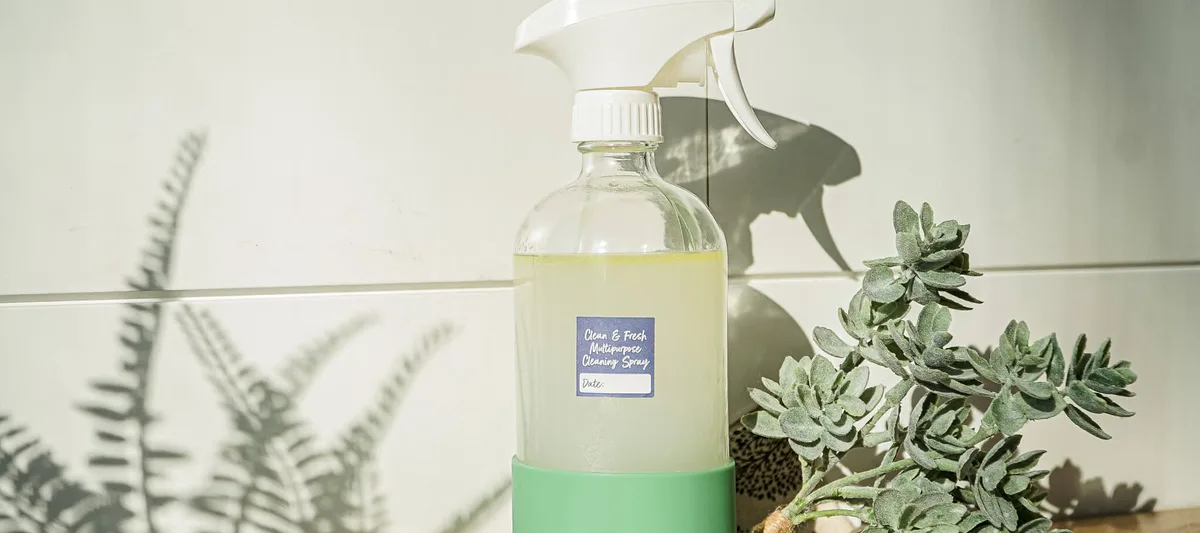
Top Essential Oils for a Naturally Clean Home
Most household cleaning is done by the carrier, not the fragrance. Water lifts, vinegar cuts mineral film, castile soap breaks up grease. That's the chemistry doing the work. What essential oils add is the part commercial cleaners fake: a real scent from a real plant instead of a synthetic fragrance blend, plus the natural properties of the oil itself.
That distinction matters when you are choosing which oil to buy. A citrus oil earns its place in a kitchen spray because d-limonene genuinely dissolves grease. Lavender earns its place in a linen mist because it is gentle enough to sit on fabric you sleep on. Reaching for the wrong one is how people conclude that natural cleaning "doesn't work": they used a fabric oil on a greasy stovetop.
So the 9 below are grouped by job, not by popularity: three for purifying and freshening the air, four for surfaces and grease, and two for fabrics and soft furnishings. Match the group to the task and every one of them pulls its weight.
THE NATURAL CLEANING SERIES
STEP 01 · COMING SOON
Natural Cleaning

STEP 02
Best Oils

STEP 03 · COMING SOON
DIY Recipes

STEP 04 · COMING SOON
Master Guide

In this Guide
Free Guide
Get the free Essential Oil Guide
One page. Fridge-ready. Free.
BEST FOR: PURIFYING & FRESHENING
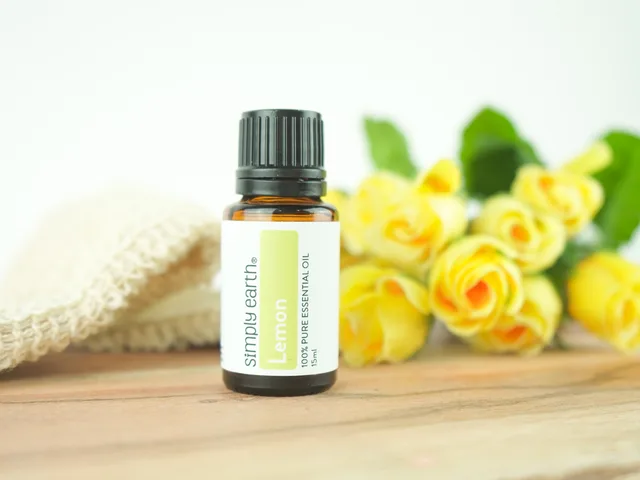
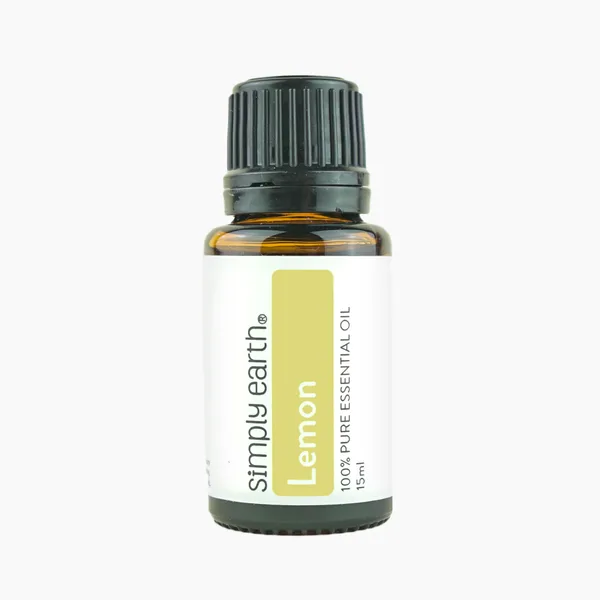
Lemon cleans and neutralizes odors. It's the oil most people should buy first for cleaning, and the one most likely to get used up. Its d-limonene content cuts through the greasy film that builds on countertops, glass and appliance fronts, and the bright citrus aroma is the scent almost everyone already reads as clean. It's also the most budget-friendly oil on this list, which matters when a 16 oz spray takes 15 drops at a time.
Safety First
Kid safe for ages 2 and up. If you're pregnant or breastfeeding, check with your doctor first, and skip it in the first trimester. Not sun safe on skin above 2.5% dilution. Dog safe, not cat safe.
AROMATHERAPIST HACK
Add 10–15 drops to a 16 oz spray bottle with water and a splash of white vinegar for an all-purpose cleaner that smells incredible. Avoid it on natural stone, because the acidity can etch marble and granite.


BEST FOR: PURIFYING & FRESHENING
Fir Needle freshens a stale room, which is a different problem from a dirty surface. Its woodsy, resinous aroma deodorizes air rather than layering perfume over it, which is why it works so well in entryways, living rooms and anywhere shoes and coats collect. It is a genuinely different scent direction from the citrus oils. It is cooler, and far less sweet.
Safety First
Kid safe for ages 2 and up. If you're pregnant or breastfeeding, check with your doctor first, and skip it in the first trimester. Sun safe. Not cat or dog safe.
AROMATHERAPIST HACK
Diffuse fir needle while you clean rather than after. Ten drops makes the whole house smell like a fresh pine forest by the time you are done, and it blends beautifully with lemon in a room spray.


BEST FOR: PURIFYING & FRESHENING
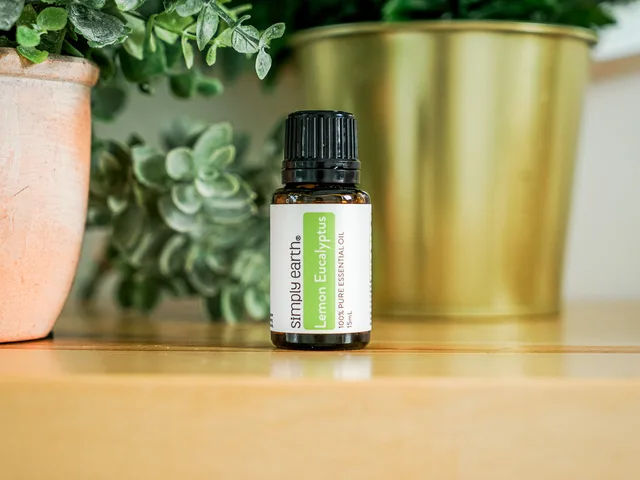
Lemon Eucalyptus cleans and neutralizes odors. It pairs citrus brightness with a sharp herbal edge, and that combination is why it outperforms plain lemon in bathrooms and on hard floors. It reads as crisp and airy rather than sweet, so it does not turn cloying in a small humid room the way a pure citrus oil sometimes does. It's also one of the more budget-friendly oils here.
Safety First
Kid safe for ages 2 and up. If you're pregnant or breastfeeding, check with your doctor first, and skip it in the first trimester. Don't use it if you have high blood pressure or epilepsy. Sun safe. Dog safe, not cat safe.
AROMATHERAPIST HACK
Add 8–10 drops to your mop bucket with hot water and a squirt of castile soap. Hard floors come up smelling genuinely clean rather than chemically masked. It's what I use on tile after a wet week.


BEST FOR: SURFACE CLEANING & DEGREASING
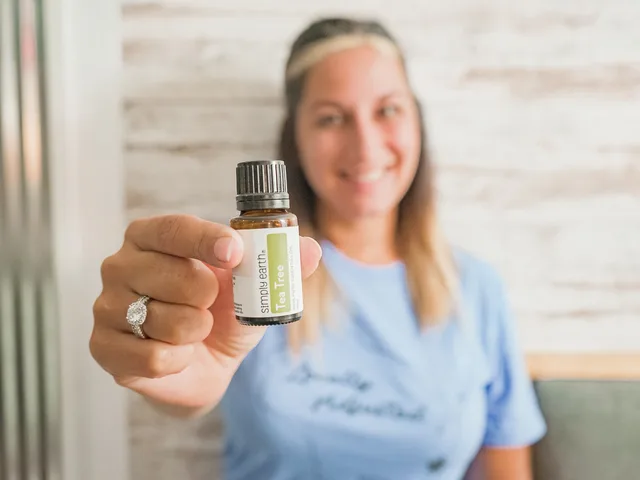
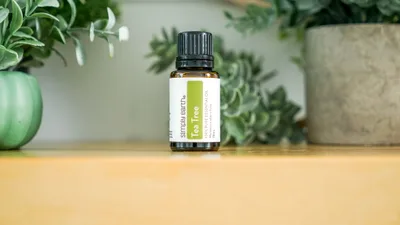
Tea Tree cleans and neutralizes odors, and it's the strongest-smelling oil on this list and the one people most associate with a hygienic clean. Its natural properties may help keep bathroom and kitchen surfaces fresh, and its camphorous aroma signals clean in a way citrus does not. Use it where you want that signal (sinks, tile, toilets) and pair it with a citrus oil if the scent is too austere on its own.
Safety First
Kid safe for ages 2 and up. If you're pregnant or breastfeeding, check with your doctor first, and skip it in the first trimester. Sun safe. Not cat or dog safe.
AROMATHERAPIST HACK
Add 15 drops to a 16 oz spray bottle with water and a teaspoon of castile soap, then let it sit on the surface for a full minute before you wipe. Dwell time is what makes this one work.


BEST FOR: SURFACE CLEANING & DEGREASING
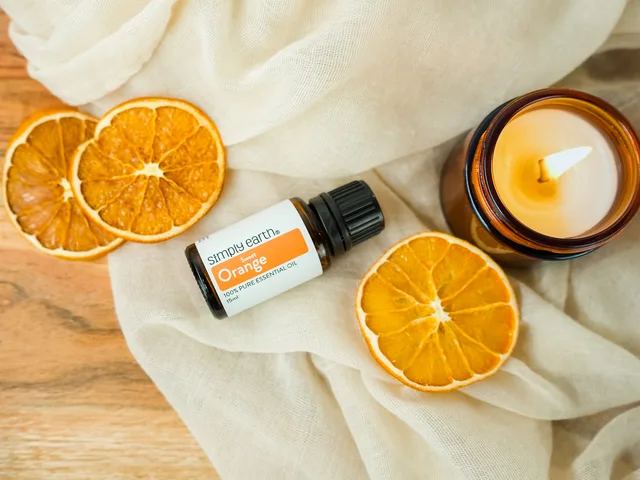
Orange (Sweet) neutralizes odors, and if you only fix one thing with essential oils, make it grease. It's a high-limonene oil and it dissolves the sticky residue that builds on stovetops, range hoods and the cabinet doors beside them. It also lifts adhesive (label glue, tape marks, price stickers), which is a use most people discover by accident and then never stop using. It's a budget-friendly bottle, too.
Safety First
Kid safe for ages 2 and up. If you're pregnant or breastfeeding, check with your doctor first, and skip it in the first trimester. Sun safe. Dog safe, not cat safe.
AROMATHERAPIST HACK
For a stubborn grease spot, put a few drops of orange oil straight onto a damp cloth and scrub. It handles stovetops, range hoods and sticky residue left by labels and tape without any other ingredient.


BEST FOR: SURFACE CLEANING & DEGREASING
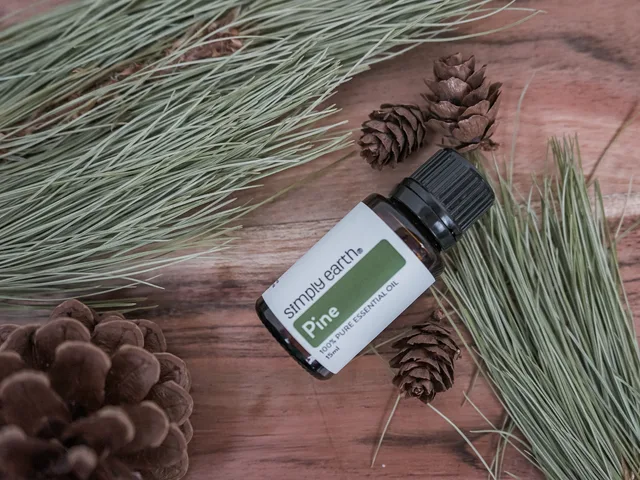
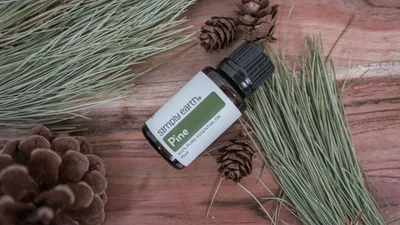
Pine cleans and neutralizes odors, and it has been the scent of floor cleaner for generations, and that's not a marketing accident. It genuinely suits sealed wood and tile. Its earthy, resinous aroma survives dilution in a mop bucket better than the citrus oils, which fade fast in hot water, and it leaves a subtle natural fragrance rather than a chemical one. It is also the oil for a DIY furniture polish.
Safety First
Kid safe for ages 2 and up. If you're pregnant or breastfeeding, check with your doctor first, and skip it in the first trimester. Sun safe. Not cat or dog safe.
AROMATHERAPIST HACK
Ten drops of pine in your mop water with a tablespoon of castile soap covers wood and tile. For furniture, blend it into fractionated coconut oil instead. A little goes a very long way on a wood surface.


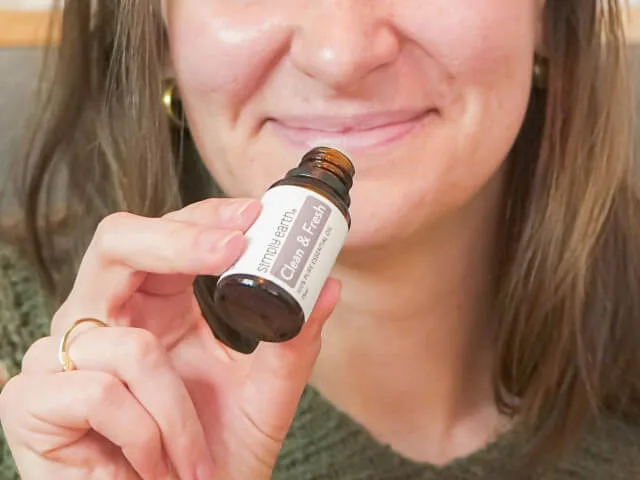
BEST FOR: A CLEAN HOME IN ONE BOTTLE
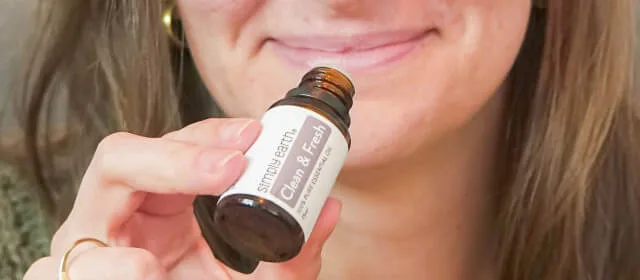
Clean & Fresh cleans and neutralizes odors, and it exists for the person who does not want to buy five oils and learn to blend them. It supports a clean home in one bottle, pairing bright citrus with crisp evergreen in a balanced, ready-to-use ratio, so it drops straight into any recipe that would otherwise call for a citrus-plus-evergreen combination. It anchors more Simply Earth cleaning recipes than any single oil on this list, which makes it the easiest starting point.
Made with
Fir Needle, Lemon, Grapefruit and Neroli.
Safety First
Kid safe for ages 2 and up. If you're pregnant or breastfeeding, check with your doctor first, and skip it in the first trimester. Not sun safe on skin. Not cat or dog safe.
AROMATHERAPIST HACK
Twenty drops in a 16 oz spray bottle gives you an all-purpose cleaner with no blending decisions to make. Put the same oil in your diffuser while you work and the whole room lifts.


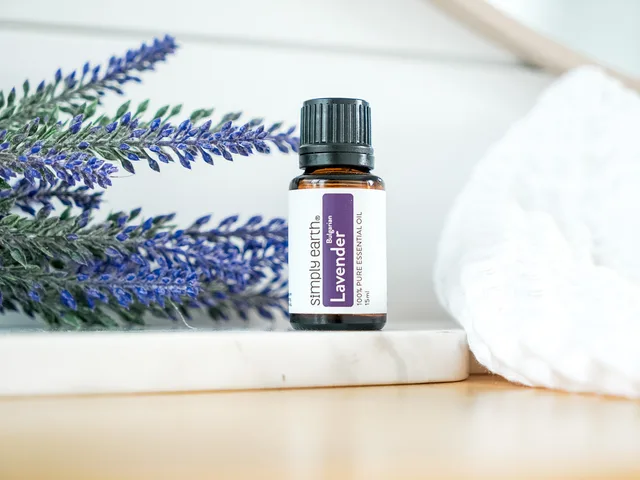
BEST FOR: AIR & FABRIC REFRESHING
Lavender (Bulgarian) uplifts, and it's the oil for everything soft. It's gentle enough to mist onto pillows, curtains and upholstery you touch every day, and its scent freshens the air while reading as clean and calming at the same time. That's useful on bedding, where a citrus or pine note would feel wrong. Keep it away from floors and greasy surfaces; that's not the job it's good at.
Safety First
Kid safe for ages 2 and up. If you're pregnant or breastfeeding, check with your doctor first, and skip it in the first trimester. Sun safe. Dog safe, not cat safe.
AROMATHERAPIST HACK
Mix 15 drops of lavender with 1 oz witch hazel and 1 oz distilled water in a spray bottle for a fabric refresher. The witch hazel is what makes the oil disperse instead of beading on the fabric.


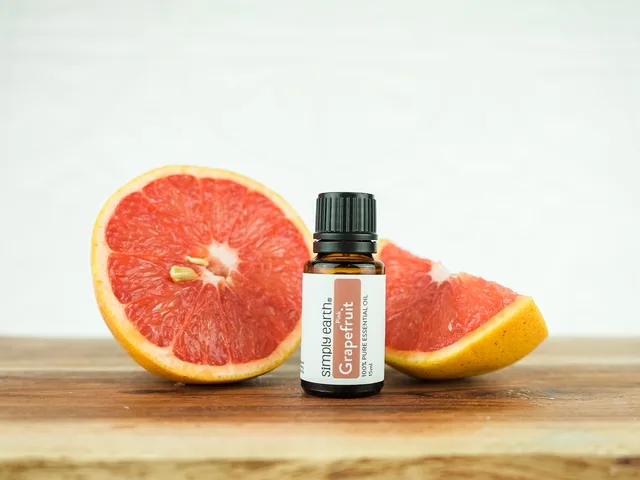
BEST FOR: AIR & FABRIC REFRESHING
Grapefruit (Pink) neutralizes the odors in a room or a pile of laundry instead of covering them. It's bright and tangy, so it makes cleaning feel less like a duty, and it freshens fabric and air with a lift the heavier oils on this list don't have. Because it's a citrus, it still brings real degreasing ability when you use it in a spray.
Safety First
Kid safe for ages 2 and up. If you're pregnant or breastfeeding, check with your doctor first, and skip it in the first trimester. Not sun safe, so keep it off skin that will see the sun. Dog safe, not cat safe.
AROMATHERAPIST HACK
Ten drops of grapefruit in a fabric refresher gives it a bright twist. In a diffuser, grapefruit with lavender and fir needle is the most balanced clean-home blend I make.

Oil vs. Surface Guide
Find the job on the left, buy the oil in the middle
| The Job | The Oil | Why It Wins |
|---|---|---|
| Countertops, glass and appliance fronts | Lemon | High d-limonene cuts greasy film. Not on marble or granite |
| A stale entryway or living room | Fir Needle | Woodsy aroma deodorizes air instead of masking it |
| Bathrooms and hard floors | Lemon Eucalyptus | Citrus plus herbal edge that stays crisp in humidity |
| Sinks, tile and toilets | Tea Tree | Strong hygienic scent signal. Needs a minute of dwell time |
| Stovetop grease and sticky label residue | Orange (Sweet) | The best degreaser here. Works neat on a damp cloth |
| Sealed wood floors and furniture | Pine | Survives dilution in hot mop water where citrus fades |
| One bottle for the whole house | Clean & Fresh Blend | Pre-balanced citrus and herb. No blending decisions |
| Pillows, curtains and upholstery | Lavender (Bulgarian) | Gentle enough for fabric you sleep on. Avoid floors |
| Musty laundry, mudrooms and stale fabric | Grapefruit (Pink) | Neutralizes odors rather than covering them, and still degreases in a spray |
Five DIY Cleaning Recipes
Every one of these uses ingredients you probably already have. Shake before each use: oil and water separate naturally, and no amount of mixing changes that.
All-Purpose Kitchen Spray: 16 oz glass spray bottle · 1 cup distilled water · ½ cup white vinegar · 1 tsp castile soap · 15 drops lemon + 10 drops orange + 5 drops tea tree. Safe for countertops, stovetops and appliances. Avoid natural stone.
Bathroom Surface Cleaner: 16 oz glass spray bottle · 1½ cups distilled water · 1 tsp castile soap · 20 drops tea tree + 10 drops lemon eucalyptus. Spray, wait one minute, then wipe. Good on sinks, toilets and tile.
Linen & Fabric Refresher: 4 oz glass spray bottle · 1 oz witch hazel · 3 oz distilled water · 15 drops lavender + 8 drops grapefruit + 5 drops fir needle. Mist onto pillows, curtains, upholstery and inside drawers.
Wood Floor Cleaner: 1 gallon warm water in a mop bucket · 2 tbsp castile soap · 10 drops pine + 8 drops lemon. Mop as usual, and wring the mop well. Standing water is what damages wood floors, not the oil.
Air-Freshening Diffuser Blend: 3 drops lemon + 3 drops fir needle + 2 drops grapefruit. Run it while you clean rather than after, so the whole house smells finished by the time you are.
One warning worth repeating: pick vinegar or castile soap as your base, never both. They neutralize each other and you end up with a curdled spray that cleans less well than either alone.
Get 10% Off the Best Essential Oils for Cleaning
Enter code CLEAN10 at checkout for 10% off your whole order.
Lemon Essential Oil
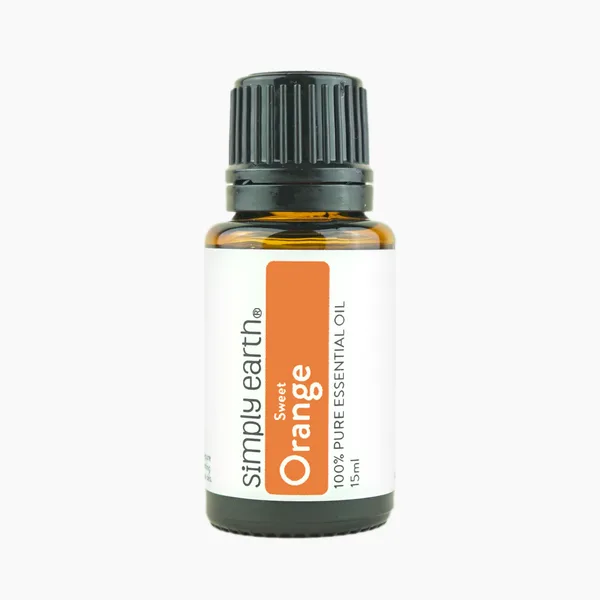
Orange (Sweet) Essential Oil
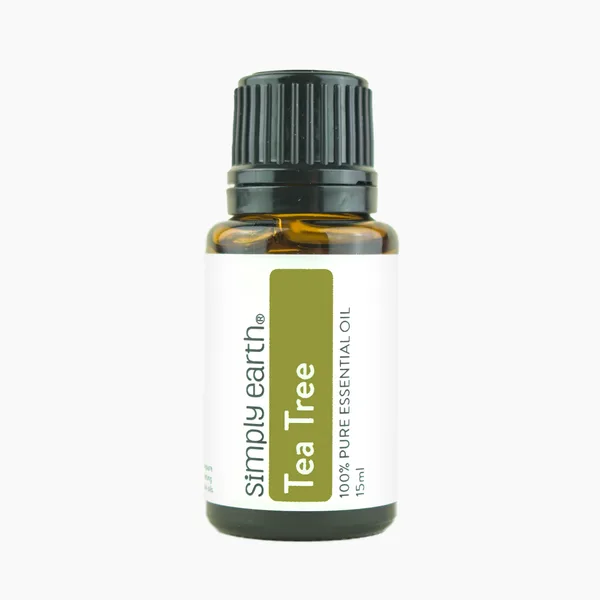
Tea Tree Essential Oil
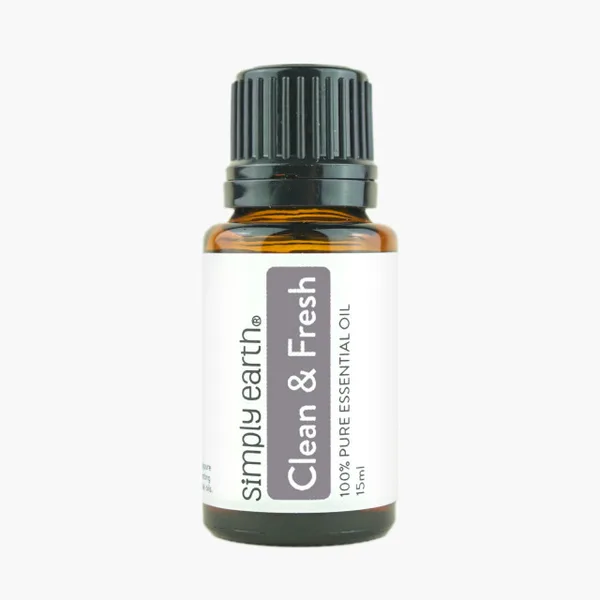
Clean & Fresh Essential Oil Blend
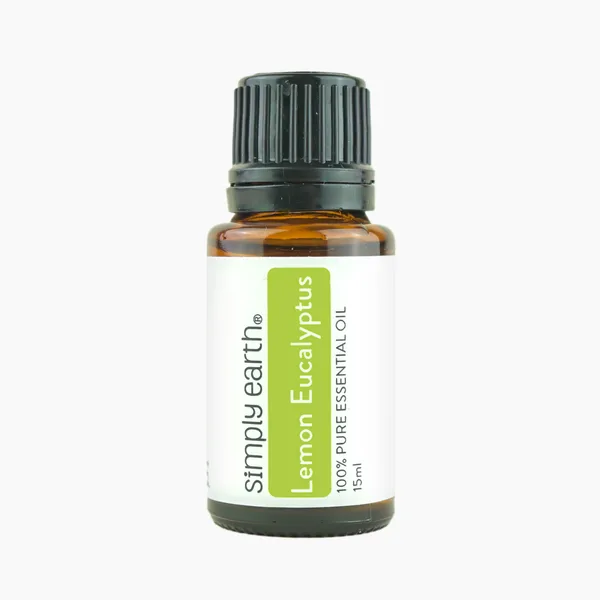
Lemon Eucalyptus Essential Oil
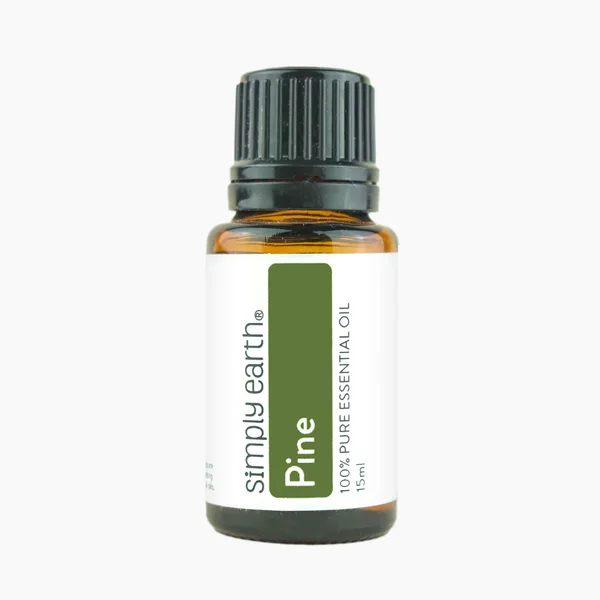
Pine Essential Oil
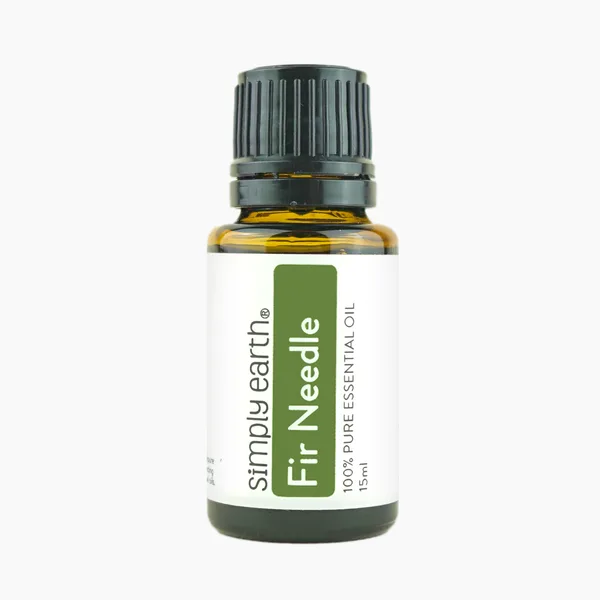
Fir Needle Essential Oil
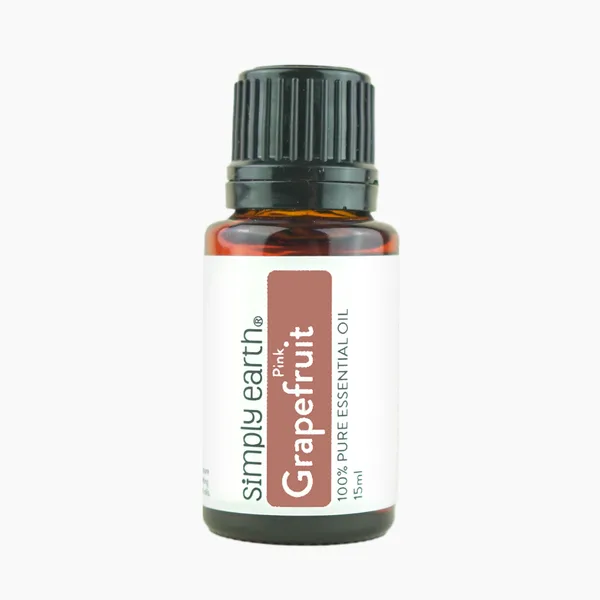
Grapefruit (Pink) Essential Oil
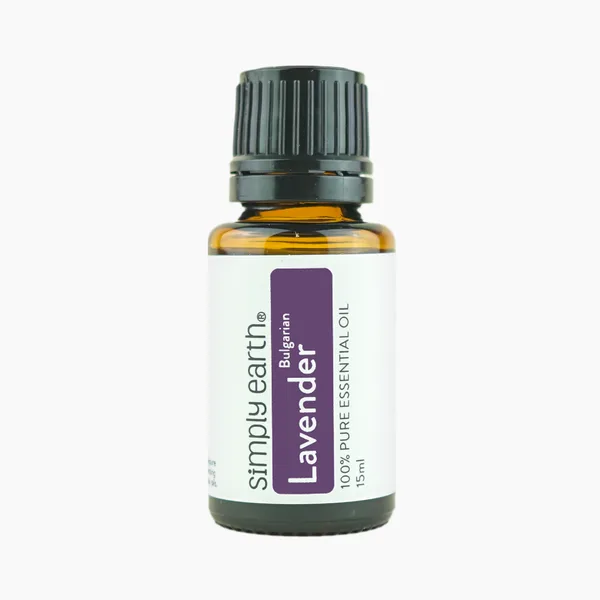
Lavender (Bulgarian) Essential Oil
Getting the Most Out of Them, and Staying Safe
Always dilute. Undiluted essential oils can damage finishes. There is no cleaning task on this page that calls for neat oil on a surface, with the single exception of orange on a damp cloth for grease.
Watch the citrus oils in sunlight. Lemon, orange and grapefruit are photosensitive. Let a sprayed surface dry fully before direct sun reaches it.
Avoid natural stone with anything acidic. Marble and granite etch. That rules out the citrus oils and every vinegar-based spray in the recipes above.
Use glass, not plastic. Citrus oils degrade plastic over time, so your spray bottle will outlast your patience if it is glass. It also stops the bottle clouding.
Start with less. These oils are concentrated, and 20–30 drops per 16 oz of liquid (roughly 1–2%) is effective without being wasteful. You can always add more.
Test first. Try any new cleaner on a small, inconspicuous area before you commit to a whole surface, particularly on wood finishes.
Never mix vinegar with hydrogen peroxide. That combination creates peracetic acid. And keep finished cleaners away from eyes and out of reach of children and pets.
Be careful around cats. Cats are more sensitive than dogs to certain compounds, so ventilate well when you diffuse, and be especially conservative with tea tree and eucalyptus oils in a home with cats. For sprays used on surfaces, dilution is typically low enough to be fine once the surface is dry.
Content reviewed by Katie Veldkamp, Certified Aromatherapist.
OUR SIMPLY PURE PROMISE
What Goes Into Your Cleaners Matters
Certified 100% Pure
No fillers, no synthetics. Just pure oil.
GC/MS Third-Party Tested
Every batch independently verified.
Ethically Sourced from Quality Farms
Responsibly harvested. People and planet first.
15mL
Bottle Size
MLM brands: 10mL
Fair
Prices on Every Oil
MLM brands: Premium markups
Public
GC/MS Tests
MLM brands: Rarely
Your Order Changes Lives: 13% of profits fight human trafficking globally.

Key Takeaways
- Lemon and orange are your degreasers. Reach for these in the kitchen, and keep both off marble and granite.
- Tea tree and lemon eucalyptus own the bathroom. Tea tree needs a full minute on the surface before you wipe, or you're wasting it.
- Pine is the floor oil. It's the one here that survives dilution in hot mop water without fading.
- Lavender and grapefruit are for soft things: fabric, upholstery and stale air, not surfaces or grease.
- Pick vinegar or castile soap, never both. They neutralize each other, and that one mistake ruins more DIY sprays than any other.
Frequently Asked Questions
The questions I get asked most about cleaning with essential oils: which oil to reach for, how much to use, and what to keep it away from.
Do essential oils actually clean, or do they just smell good? +
Both, but it depends on the oil and how you use it. Oils like tea tree, lemon and orange have properties that may help with surface cleaning and degreasing when used in a proper cleaning solution, and orange in particular genuinely dissolves grease. Oils like lavender and grapefruit are better suited to freshening and deodorizing than heavy-duty surface work. The carrier does much of the cleaning; the essential oils contribute their natural properties and the scent.
Can I replace all my cleaning products with essential oils? +
For most everyday cleaning, yes. A good all-purpose spray, a bathroom cleaner and a fabric refresher cover the large majority of household cleaning. For heavy-duty disinfection, or deep cleaning after illness, you may still want to supplement with a conventional product.
How much essential oil should I add to a cleaning spray? +
A general guideline is 20–30 drops per 16 oz of liquid, which puts you in the 1–2% range. That is effective without being overpowering or wasteful. Increase slightly for tougher jobs, or reduce it for a subtler scent.
Can I use essential oil cleaners on all surfaces? +
Most surfaces, yes. The exceptions are natural stone (avoid acidic citrus oils on marble and granite) and wood finishes, which should be tested first. If you are unsure about a surface, try a small inconspicuous area and wait a day.
Is it safe to clean with essential oils around kids and pets? +
Generally yes, with good ventilation and proper dilution. Cats are more sensitive than dogs to certain compounds, so be conservative with tea tree and eucalyptus oils if you have one, and ventilate when diffusing. For sprays used on surfaces, the dilution is typically low enough to be fine once the surface is dry.
What is the best essential oil for a clean-smelling home? +
Lemon is the classic answer, because its bright citrus scent is the one almost everyone already associates with clean. For something different, fir needle or pine give a fresh, forest-clean character. For a warmer clean scent, try lavender with lemon in your diffuser while you work.
Can I mix essential oils with vinegar for cleaning? +
Yes. Vinegar is one of the most popular bases for a DIY all-purpose cleaner. Just do not combine vinegar with castile soap in the same recipe, because they react and cancel each other out. Pick one base or the other.
New DIY recipes every month. Skip, pause, or cancel anytime.
About the Author: Katie Veldkamp
Katie Veldkamp
Certified Aromatherapist · Co-Founder, Simply Earth
Katie got hooked on oils, then got mad at the prices. So she got certified, flew to farms, and built Simply Earth so nobody has to wonder what's really in their bottle. Over 100,000 customers later, she still writes every guide herself.
The Free Essential Oil Guide
Simply Earth's free starter guide: what each oil is for, how to dilute it, and how to use it safely at home.
- What each essential oil is for
- Safe dilution and usage basics
Join 47,000+ subscribers making healthier choices naturally.
Free. No spam. Unsubscribe anytime.