8 Best Essential Oils for Candles
Katie Veldkamp
Lead Certified Aromatherapist
Fact Checked & Approved
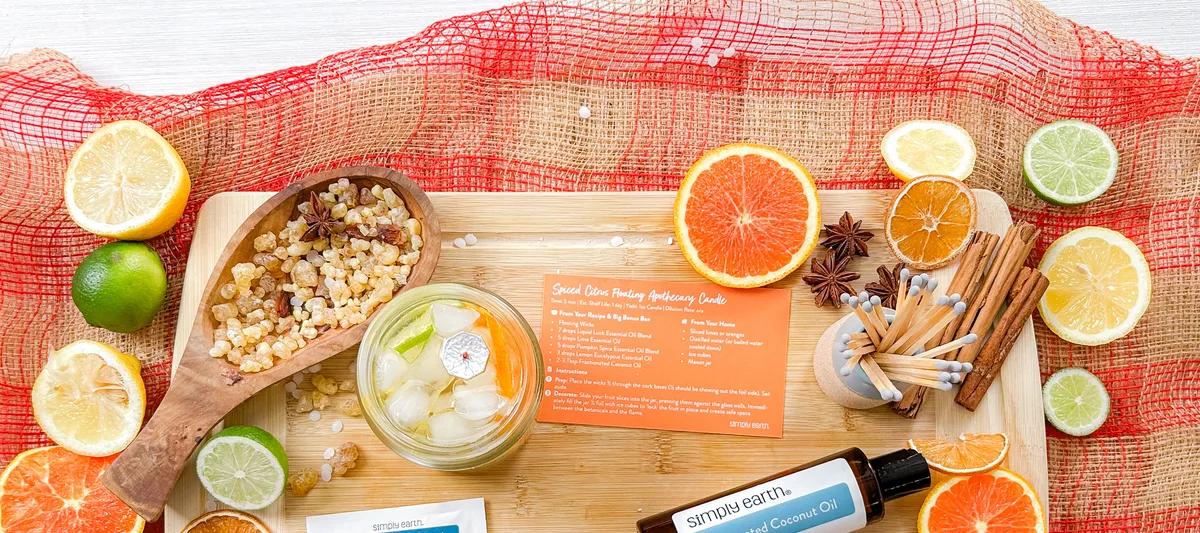
DIY Non-Toxic Candles: Ingredients & Essential Oils You Actually Need
An essential oil that smells incredible in a diffuser can disappear completely in a candle. That is not a quality problem — it is a heat problem, and it is the single thing most candle guides leave out.
Essential oils are volatile by definition. The same lightness that lets them travel from a diffuser to the other side of the room is what drives them out of molten wax before the candle ever cools. Simply Earth's own candle instructions are blunt about it: melt the wax until it is just liquid and take it off the heat immediately, because if the wax gets too hot, the essential oils will evaporate when added and won't scent your candle.
So the useful question is not "which oils smell best?" It is "which oils are still there an hour after the wax sets, and again when you light it three weeks later?" That is how the eight oils below are ordered — heaviest, most heat-stable scents first, brightest and most fragile last. Every one of them works. They just don't work the same way.
THE CANDLE MAKING SERIES
STEP 01 · COMING SOON
Candle Making Basics

STEP 02
Best Essential Oils

STEP 03 · COMING SOON
Candle Recipes

STEP 04 · COMING SOON
Complete Guide

Free Guide
Get the free Essential Oil Guide
One page. Fridge-ready. Free.
BEST FOR: BEST HOT THROW
If you only make one essential-oil candle, make it cedarwood. It is a base note — a heavy, slow-evaporating molecule — which is exactly the property that keeps a scent in the wax instead of in the air above your saucepan. Dry, woody and slightly sweet, it is the closest an essential oil gets to the staying power people expect from a shop-bought candle, and it is the oil that still reads clearly on the third burn. It is also the cheapest of the eight.
AROMATHERAPIST HACK
Build your blend on cedarwood and let the bright oils sit on top of it. A 2:1 cedarwood-to-citrus ratio gives you a candle that smells fresh when you walk in and woody an hour later, instead of smelling like nothing by Tuesday.
TRY IT IN

BEST FOR: FLORAL CANDLES THAT LAST
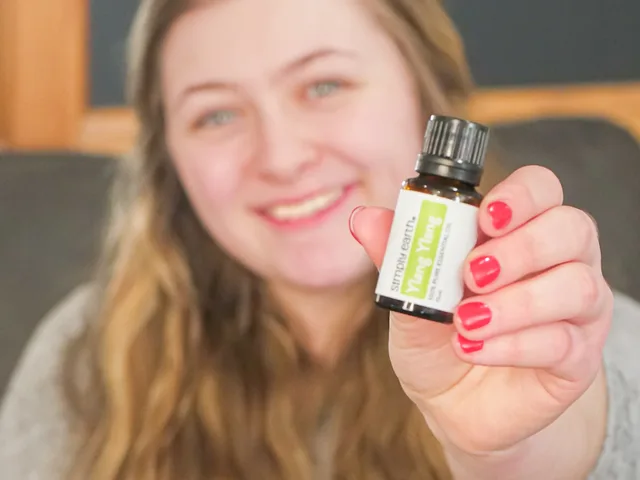
Most florals are a disappointment in wax — they are delicate, and heat is not kind to delicate. Ylang ylang is the exception, because it is a heavy, almost creamy floral that sits much lower in the scent register than lavender or rose. Sweet, banana-soft and faintly spicy, it is the oil to reach for when you want a romantic candle that actually smells floral once it is lit. It is the priciest oil here, so treat it as an accent.
AROMATHERAPIST HACK
Ylang ylang goes soapy fast if you overdo it. Keep it to about a quarter of your total drops and let cedarwood or a citrus carry the rest — you get the richness without the candle smelling like hand soap.
TRY IT IN

BEST FOR: STRONGEST SCENT PER DROP
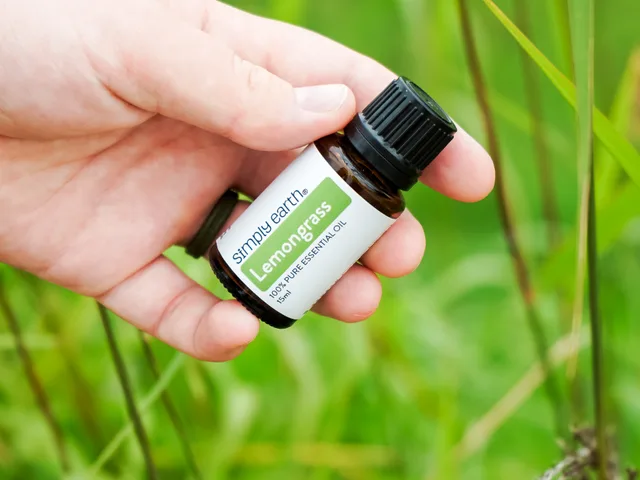
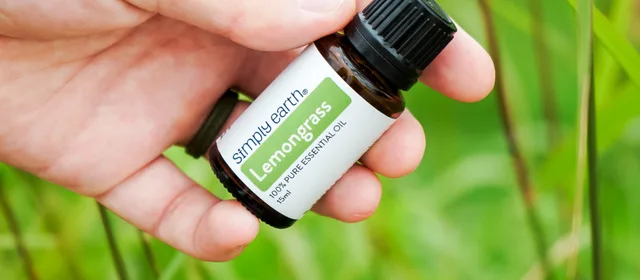
Lemongrass is a citrus scent that is not actually a citrus — it is a grass, and it behaves like a heart note rather than a top note. That combination is unusually useful in candle making, because you get the zing of lemon with considerably more of it left after the pour. It is potent enough that it will bully a blend if you let it, and it earns its place on a patio in summer, where its reputation as a natural insect deterrent does real work.
AROMATHERAPIST HACK
Lemongrass is the one oil here you should measure rather than eyeball. Start at half your usual drop count, let the candle cure two days, then smell it — you can always pour a stronger second candle, but you cannot take it back out.
TRY IT IN

BEST FOR: BEDROOM + GIFT CANDLES
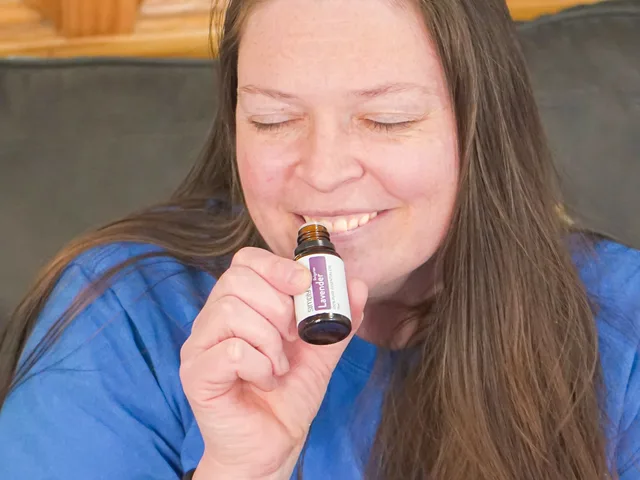
Lavender is the candle scent people actually ask for, and it holds up in wax better than its reputation as a "light" floral suggests — it sits in the middle of the scent register, not the top. Expect a softer, herbier, more honest lavender than the synthetic version you know from the supermarket aisle; real lavender oil is greener and less sweet. That difference is the point of making it yourself, and it is the reason a homemade lavender candle is such a reliable gift.
AROMATHERAPIST HACK
Pair lavender with a pinch of clove or balsam fir rather than another floral. The tiny bit of warmth underneath stops it reading as laundry detergent and gives it somewhere to go as the candle burns down.
TRY IT IN

BEST FOR: HOLIDAY + KITCHEN CANDLES
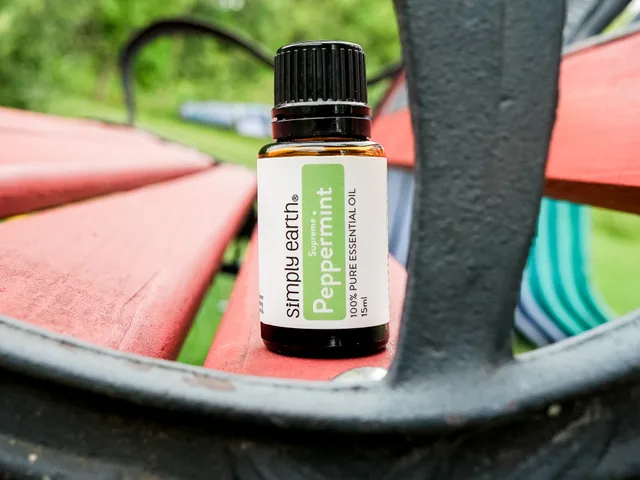
Peppermint is unmistakable and genuinely powerful — you will smell a peppermint candle the moment you walk in. The trade-off is that menthol is light and fast, so it gives you a spectacular cold throw from the unlit jar and a noticeably quieter one once the candle has been burning a while. Use that. A peppermint candle is a brilliant thing to hand someone at Christmas and a slightly frustrating thing to rely on all evening.
AROMATHERAPIST HACK
Anchor peppermint with cedarwood or a sweet orange so something is left behind when the mint lifts off. Straight peppermint in soy wax smells fantastic for twenty minutes and thin after an hour.
TRY IT IN

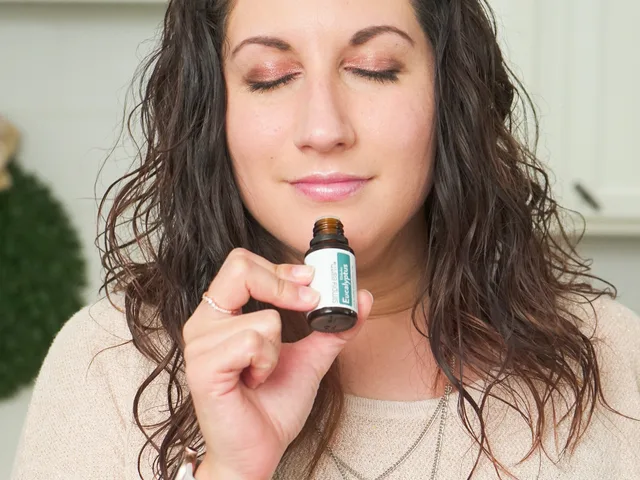
BEST FOR: BATHROOMS + SMALL ROOMS
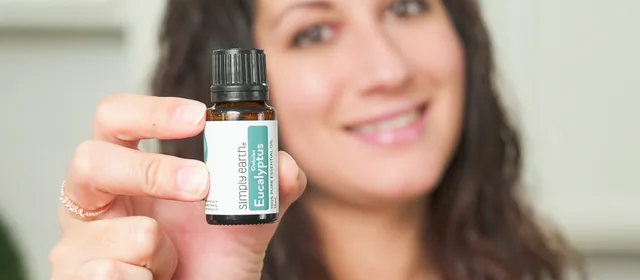
Eucalyptus gives a candle that clean, cool, faintly medicinal air that reads instantly as "spa". It is also one of the more volatile oils on this list, so it wants a small room and a generous hand — in an open-plan space it simply gets lost. Simply Earth has no candle recipe built on eucalyptus yet, which is a fair reflection of how it behaves. It is excellent in steam and shower steamers, and merely good in wax.
AROMATHERAPIST HACK
Make eucalyptus candles small. A 2oz tin by the bath beats an 8oz jar in the lounge every time — you are concentrating a scent that would otherwise spread itself too thin to notice.
TRY IT IN

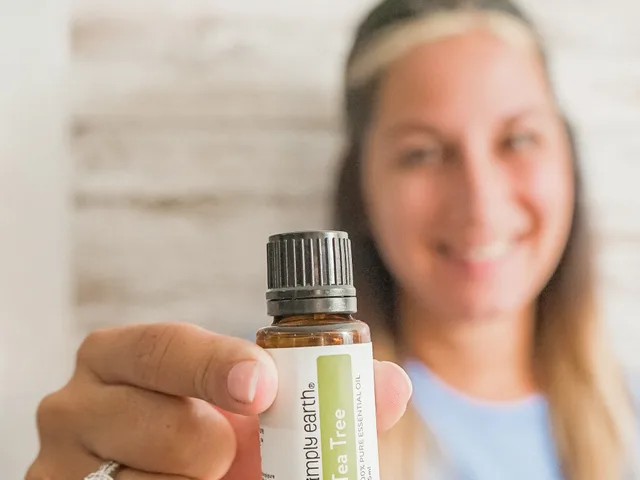
BEST FOR: BLENDING + UTILITY CANDLES
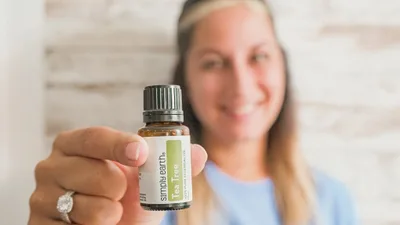
Tea tree is the most divisive oil here. On its own it is sharp, herbaceous and distinctly medicinal — a smell plenty of people associate with cleaning rather than relaxing. In a blend, though, it does something no other oil on this list does. It cuts sweetness and gives a candle a crisp, just-cleaned edge. Treat it as seasoning rather than the meal, and it earns its place in a kitchen or utility-room candle.
AROMATHERAPIST HACK
Three or four drops of tea tree in a citrus candle is the whole trick. Any more and you have made an air freshener; any less and you will not notice it at all.
TRY IT IN

BEST FOR: COLD THROW + BLENDING
Lemon is last on this list and still worth buying. It is the brightest scent of the eight and the cheapest, and an unlit jar of lemon candle on a kitchen shelf smells wonderful. But lemon is a true top note — the lightest, fastest-evaporating category there is — so it is also the first thing to leave the wax when the pour is a few degrees too warm, and the first to fade over weeks on a sunny windowsill. Blend it, don't build on it.
AROMATHERAPIST HACK
Add lemon last and at the coolest moment your wax will still take it — just before it starts to cloud. Store finished citrus candles out of direct sunlight and they will hold their scent months longer.
TRY IT IN

Oil vs. Hot Wax Matrix
Scent is only half the decision — the other half is what survives the pour
| The Oil | Aroma + Note | How It Behaves in Hot Wax |
|---|---|---|
| Cedarwood Himalayan | Dry + woody · base note | Best hot throw — heavy molecules stay in the wax |
| Ylang Ylang | Sweet + floral · base-heart | Holds well; goes soapy if overdosed |
| Lemongrass | Earthy + citrusy · heart note | Strongest scent per drop — measure it |
| Lavender | Fresh + floral · heart note | Reliable; greener and herbier than synthetic lavender |
| Peppermint | Sharp + minty · top note | Huge cold throw, quieter once burning |
| Eucalyptus | Clean + herbaceous · top note | Volatile — needs a small room and a generous hand |
| Tea Tree | Medicinal + herbaceous · heart note | Use as a supporting note, never solo |
| Lemon | Sweet + citrusy · top note | First to flash off in warm wax; blend, don't build |
Get 10% Off the Best Essential Oils for Candles
All eight oils on this page, plus the wax, vessels and wicks to pour them into — 10% off with code CANDLE10.
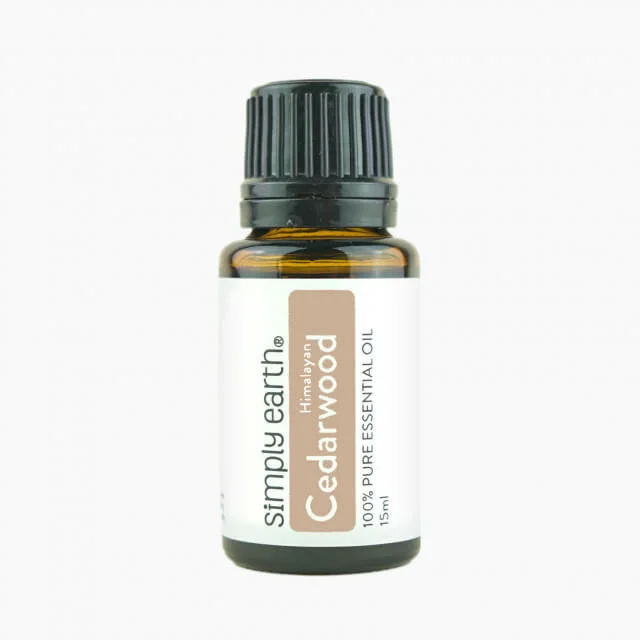
Cedarwood Himalayan Essential Oil
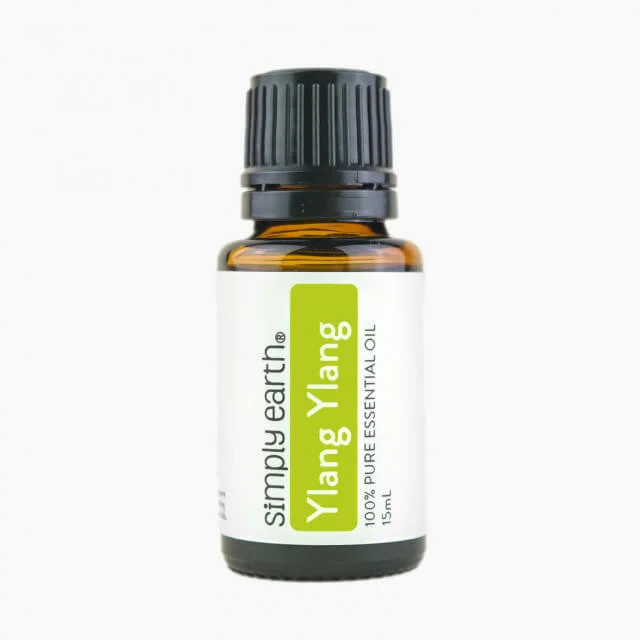
Ylang Ylang Essential Oil
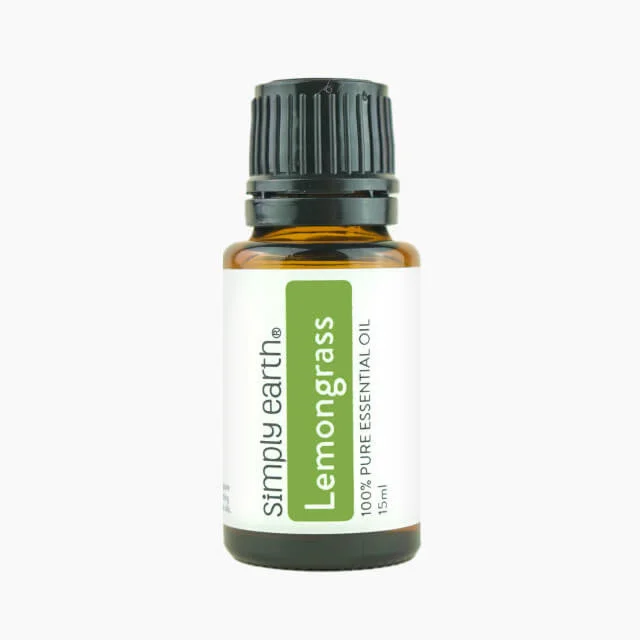
Lemongrass Essential Oil
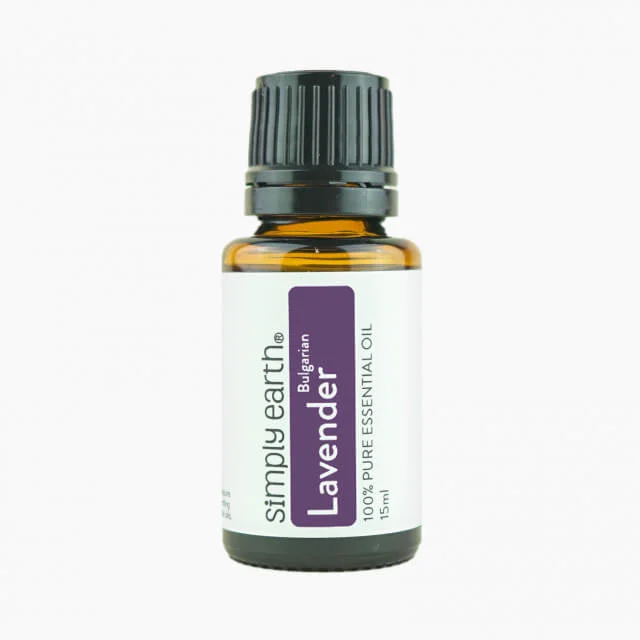
Lavender Essential Oil
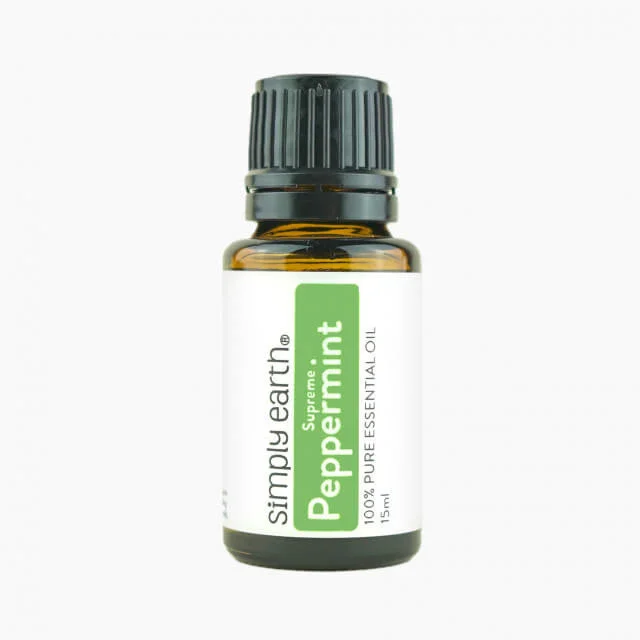
Peppermint Essential Oil
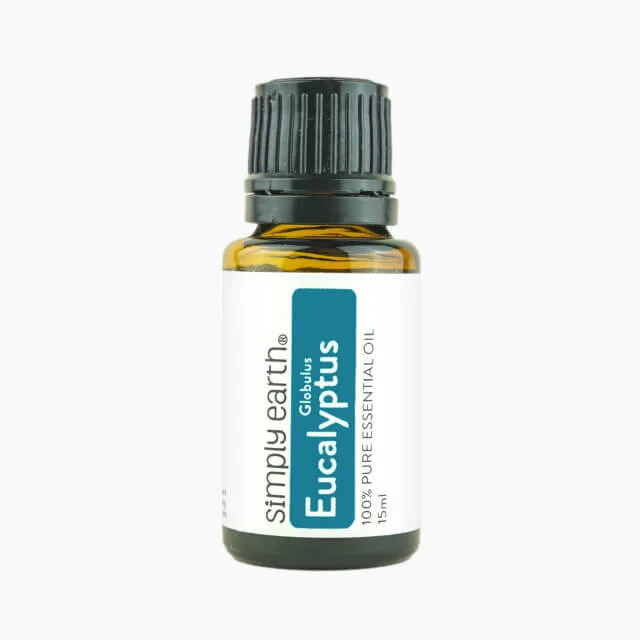
Eucalyptus (Globulus) Essential Oil
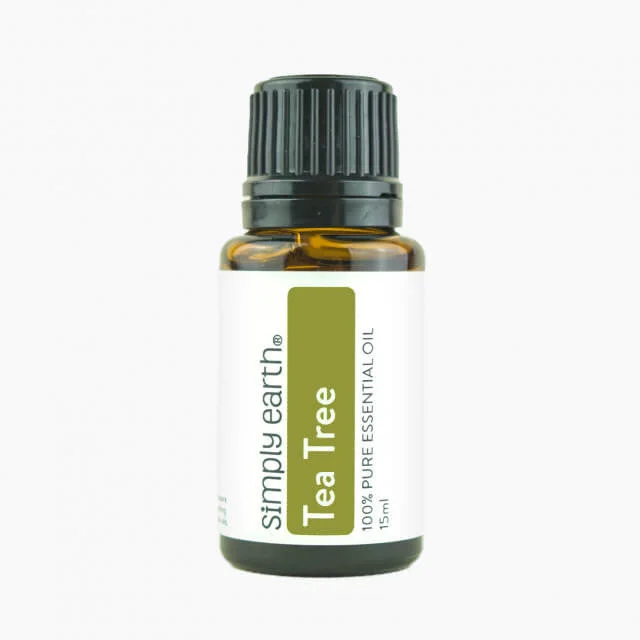
Tea Tree Essential Oil
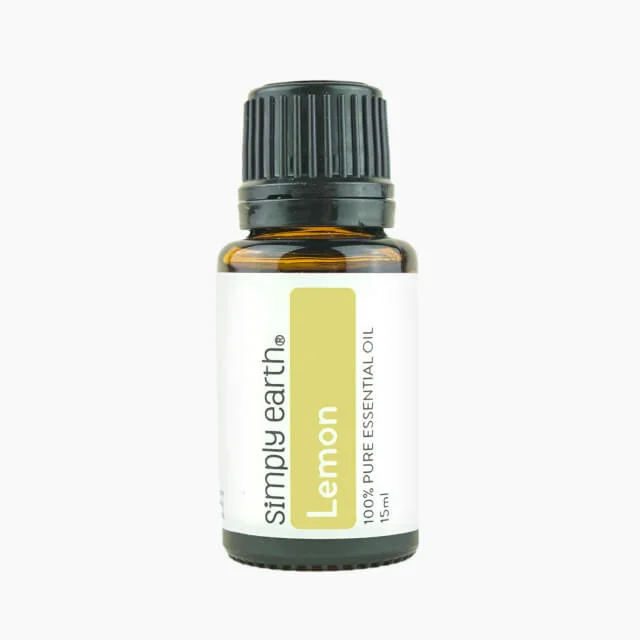
Lemon Essential Oil
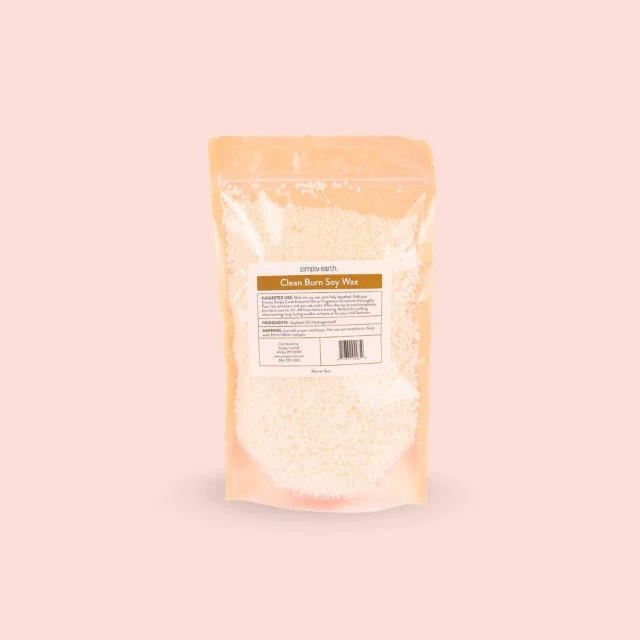
Clean Burn Soy Wax
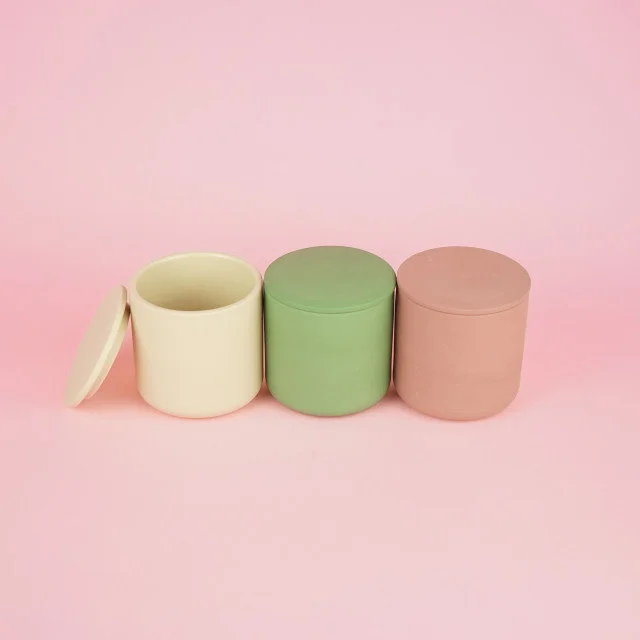
Refillable Ceramic Candle Vessels (Set of 2)

Candle Wick Stickers
OUR SIMPLY PURE PROMISE
What Goes Into Your Candles Matters
Certified 100% Pure
No fillers, no synthetics. Just pure oil.
GC/MS Third-Party Tested
Every batch independently verified.
Ethically Sourced from Quality Farms
Responsibly harvested. People and planet first.
15mL
Bottle Size
MLM brands: 10mL
$10–19
Per Oil
MLM brands: $25–55+
Public
GC/MS Tests
MLM brands: Rarely
Your Order Changes Lives: 13% of profits fight human trafficking globally.

Key Takeaways
- Use 15 drops of essential oil per ounce of wax — that is Simply Earth's own rule for a strongly scented candle, and it is the number most first attempts get wrong.
- Take the wax off the heat the moment it melts — if it is too hot when you add the oils, they evaporate instead of scenting the candle. Stir for a full 30 seconds.
- Build on a base note — cedarwood and ylang ylang stay in the wax. Lemon, peppermint and eucalyptus lift off first, so use them as the top of a blend rather than the whole thing.
- Be realistic about throw — an all-essential-oil candle is usually softer than a synthetically fragranced one. That is the trade you are making for knowing exactly what is in it.
- Cure before you judge it — give a finished candle 24 to 48 hours before deciding it does not smell strong enough.
Frequently Asked Questions
The questions that come up most when people start making candles with essential oils instead of fragrance oils.
How many drops of essential oil do I need per ounce of wax? +
Fifteen drops per ounce of wax is Simply Earth's standing guidance for a strongly scented candle — so a 2oz candle takes about 30 drops and an 8oz jar takes around 120. Going much higher rarely makes the candle smell stronger; it just wastes oil and can stop the wax setting properly.
Why doesn't my essential oil candle smell like anything? +
Almost always one of three things. The wax was too hot when the oils went in, so they evaporated before the candle set. Not enough oil was used — 15 drops per ounce is more than most people expect. Or the candle has not cured yet; give it 24 to 48 hours before you judge it.
At what temperature should I add essential oils to melted wax? +
Heat the wax only until it is just liquid, then take it off the heat straight away and add your oils. If you have accidentally overheated it, stir and let it cool down before adding anything. Stir for at least 30 seconds so the oil distributes evenly rather than pooling.
Do essential oil candles smell as strong as fragrance oil candles? +
Usually not, and it is worth saying plainly. Synthetic fragrance oils are engineered to survive heat and throw scent across a room; essential oils are natural plant extracts that were never designed for that job. You are trading some strength for knowing exactly what you are burning. Simply Earth sells safer fragrance oils too if throw matters more to you than purity.
Which essential oils are strongest in candles? +
Cedarwood, ylang ylang and lemongrass hold their scent best once the candle is lit, because they sit lower in the scent register and evaporate more slowly. Lemon, peppermint and eucalyptus smell wonderful from an unlit jar but fade fastest while burning.
Can I mix essential oils and fragrance oils in the same candle? +
Yes, and a lot of Simply Earth's own candle recipes do exactly that — the Fireside Fig and Cabin in the Pines candles both pair an essential oil with a safer fragrance oil. The fragrance oil carries the throw while the essential oil adds character.
Are essential oil candles safe to burn? +
Treat them like any other candle. Burn within sight, keep them away from anything flammable, children and pets, trim the wick to about a quarter inch before each burn, and never leave one unattended. Work in a well-ventilated area while you are making them, and clean up spilled wax immediately — melted wax near a burner can ignite.

About the Author: Katie Veldkamp
Katie Veldkamp
Certified Aromatherapist · Co-Founder, Simply Earth
Katie got hooked on oils — then got mad at the prices. So she got certified, flew to farms, and built Simply Earth so nobody has to wonder what's really in their bottle. Over 100,000 customers later, she still writes every guide herself.
The Free Essential Oil Guide
Simply Earth's free starter guide — what each oil is for, how to dilute it, and how to use it safely at home.
- What each essential oil is for
- Safe dilution and usage basics
Join 47,000+ subscribers making healthier choices naturally.
Free. No spam. Unsubscribe anytime.