10 Best Essential Oils for Achy Muscles
Katie Veldkamp
Lead Certified Aromatherapist
Fact Checked & Approved

Best Essential Oils for Soothing Muscles
Muscle ache has two different causes, and they ask for two different oils. Delayed-onset soreness — the kind that arrives 12 to 48 hours after a hard session or a day of hauling boxes — is microscopic damage to muscle fibre plus the inflammatory response that repairs it. Everyday stiffness is something else: held posture, unreleased tension, and sluggish circulation in muscles that never fully let go.
Essential oils are useful for both, but by different routes. Cooling oils like Peppermint work on the sensation itself — menthol activates the skin's cold-sensing receptors, and that signal competes with the ache for your nervous system's attention. Warming, anti-inflammatory oils such as Ginger, Clove and German Chamomile have been studied for their effect on the inflammatory side. And antispasmodic oils like Marjoram are what you reach for when a muscle simply will not release.
Every oil below is one we make, and each claim is soft-worded to match how strong the evidence actually is. The best of that evidence is worth reading yourself: a randomised controlled trial of topical chamomile oil for knee osteoarthritis, a review of the antispasmodic activity of essential oil constituents, and a clinical comparison of topical rosemary against menthol for musculoskeletal pain.
One rule before you start: dilute. Every oil here goes into a carrier oil, a balm or a bath — never neat on skin. A 2% dilution, roughly 12 drops per ounce of carrier, is the everyday standard for muscle work on an adult. And none of this replaces medical care; persistent or severe pain belongs with your doctor.
THE ACHY MUSCLES SERIES
STEP 01 · COMING SOON
Natural Remedies

STEP 02
Best Oils

STEP 03 · COMING SOON
DIY Recipes

STEP 04 · COMING SOON
Master Guide

In this Guide
Free Guide
Get the free Essential Oil Guide
What each oil is for, and how to dilute it. One page, fridge-ready.
BEST FOR: FAST, COOLING RELIEF
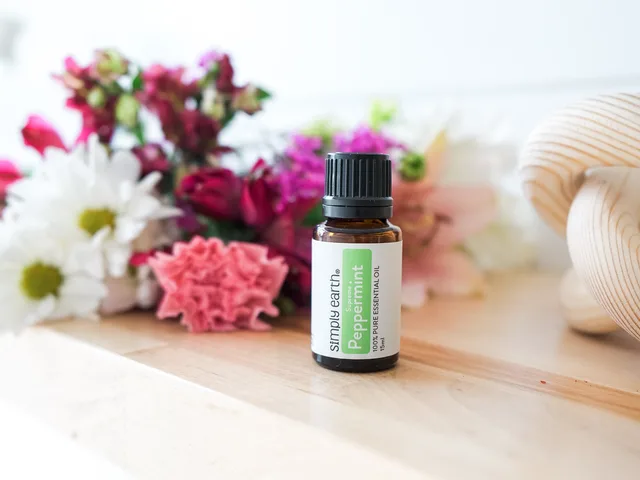
Peppermint is the one to reach for when you want to feel something change in the next minute. Its menthol activates the skin's cold-sensing receptors, which is why a diluted roll-on reads as cool rather than numb — that signal competes with the ache for your nervous system's attention. Research has also examined peppermint for tension-type head discomfort, and inhaled oils more broadly for exercise fatigue and alertness. Best on shoulders, necks and calves straight after a hard session.
AROMATHERAPIST TIP
Dilute to 2% — about 12 drops per ounce of carrier — and keep it well away from your eyes. The cooling hit is strong enough that most people over-apply on their first go.


BEST FOR: STIFF, SEIZED-UP MUSCLES
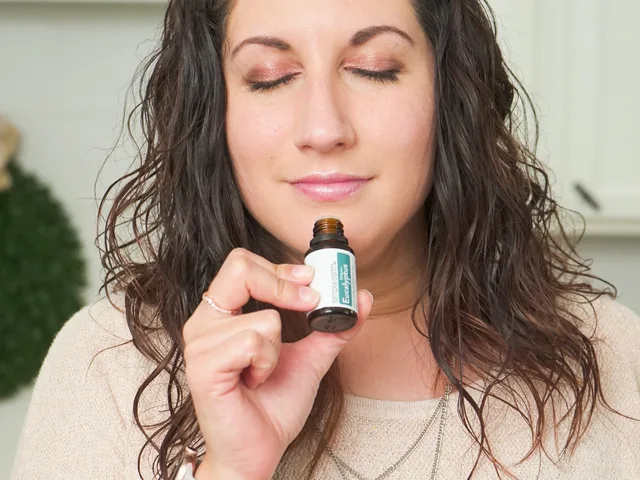
Eucalyptus earns its place here on three properties that show up together in the literature — anti-inflammatory, analgesic and spasmolytic. In practice that combination suits the stiff, seized-up ache more than the hot, freshly-torn kind. It is also the most bath-friendly oil on this list: the vapour does half the work while the diluted oil does the rest, which is why it turns up in almost every sore-muscle soak we publish.
AROMATHERAPIST TIP
Never tip eucalyptus straight into bathwater — oil and water do not mix, and undiluted droplets sit on the surface and irritate skin. Blend it into Epsom salts or a spoon of carrier oil first, then add that to the tub.


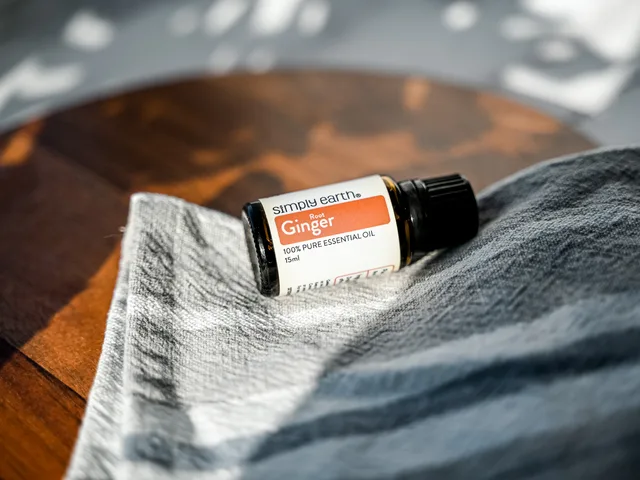
BEST FOR: ACHY JOINTS AND COLD-WEATHER STIFFNESS
Ginger is the warming counterpart to peppermint, and the two work well in the same blend. Where menthol cools, ginger's gingerol compounds produce a spreading warmth that suits joints and the deep, dull ache that gets worse in cold weather. It has been studied for its effect on chronic joint swelling, including in rheumatoid arthritis models. Massage it into knees, hips and lower backs rather than diffusing it.
AROMATHERAPIST TIP
Ginger and peppermint together are the closest thing to a homemade warming-and-cooling rub. Three drops of each in an ounce of carrier gives you both sensations without either one taking over.


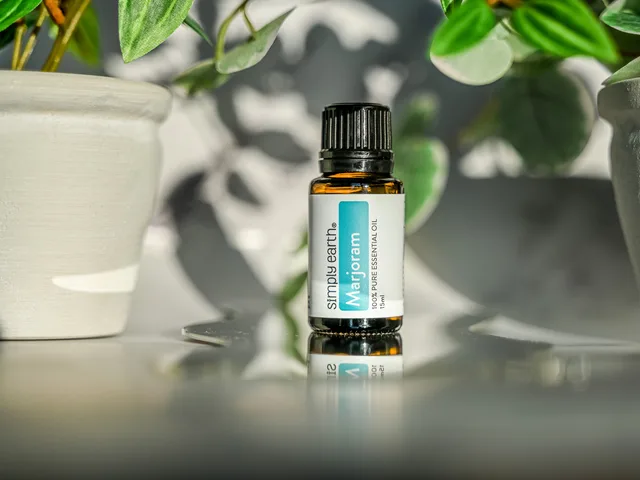
BEST FOR: CRAMPS, SPASMS AND MUSCLES THAT WILL NOT RELEASE
Marjoram is the specialist on this list. Reviews of antispasmodic essential oils single it out for its effect on involuntary muscle contraction, which makes it the oil for cramp, spasm and the knot that will not let go — a different problem from general soreness. Its aroma is soft and sweet rather than medicinal, so it also happens to be the easiest of these oils to wear on a work day.
AROMATHERAPIST TIP
This is the one to keep in a roll-on by the bed. Night cramp responds better to something already mixed and within reach than to the perfect blend you have to go and make at 2am.


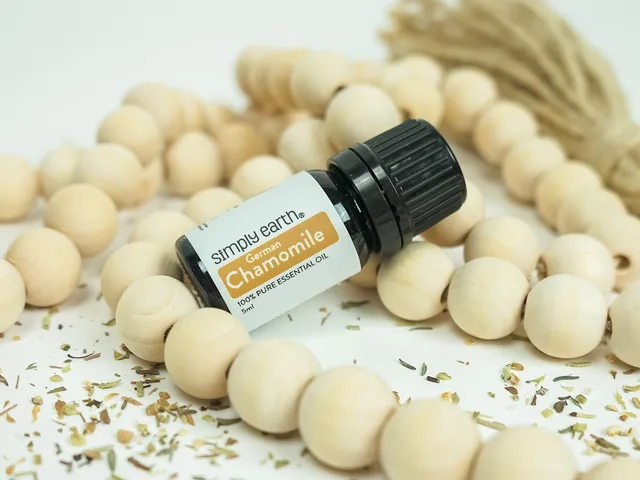
BEST FOR: THE BEST-EVIDENCED OPTION
If you want the oil with the strongest human evidence behind it, this is it. Topical German chamomile has been tested in randomised controlled trials for knee osteoarthritis and for mild-to-moderate carpal tunnel discomfort — actual clinical trials on people, not laboratory models. It is also the gentlest oil here, which matters if your ache is in a joint you use all day and you are applying something twice daily. It is the priciest for a reason: the deep blue chamazulene it is prized for only forms during distillation, and the yield is tiny.
AROMATHERAPIST TIP
Do not judge this one on smell — it is the least pretty oil in the collection. Blend it at 1% with lavender or sweet orange and you get the benefit without the barnyard note.
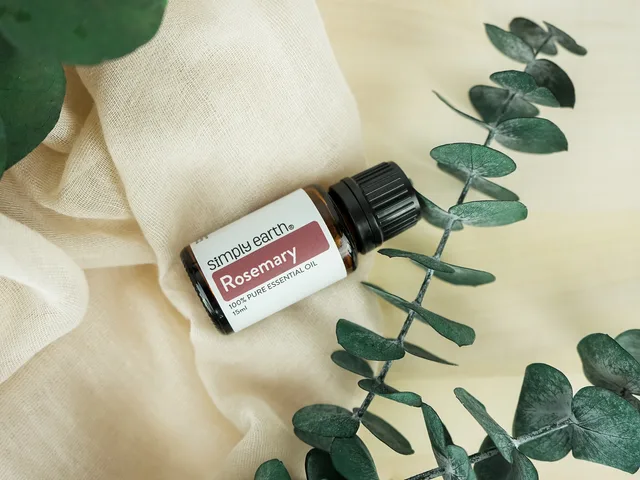
BEST FOR: EVERYDAY MUSCULOSKELETAL ACHE
Rosemary is the workhorse. In a clinical comparison of topical treatments for musculoskeletal pain, rosemary was measured directly against menthol and held its own on both the severity and the frequency of aches. That makes it a sensible daily driver: cheap enough to use generously, pleasant enough to wear, and effective on the ordinary background ache of a body that sits at a desk or lifts things for a living.
AROMATHERAPIST TIP
Rosemary is the best value on this page for a full-body massage oil, where you get through 15 to 20 drops in one go. Save the German chamomile for spot-treating a single joint.


BEST FOR: POST-WORKOUT LEGS
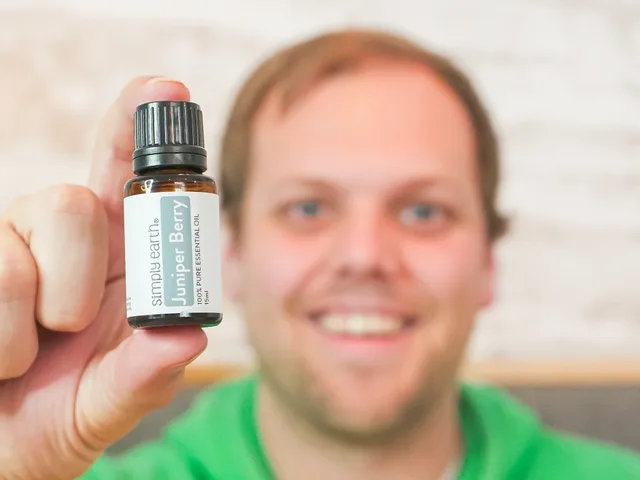
Juniper Berry has been reviewed for both analgesic and anti-inflammatory activity, and it is the one we put in balms aimed at legs — quads that have had enough, calves that keep tightening. Its clean evergreen aroma reads as sporty rather than spa-like, which is a real advantage in something you rub on before leaving the house. It blends particularly well with peppermint for a cooling leg rub.
AROMATHERAPIST TIP
Work from the ankle upward, toward the heart, rather than down the leg. With a diluted juniper blend that direction makes the massage itself do more for circulation than the oil does.


BEST FOR: ACHE THAT KEEPS YOU AWAKE
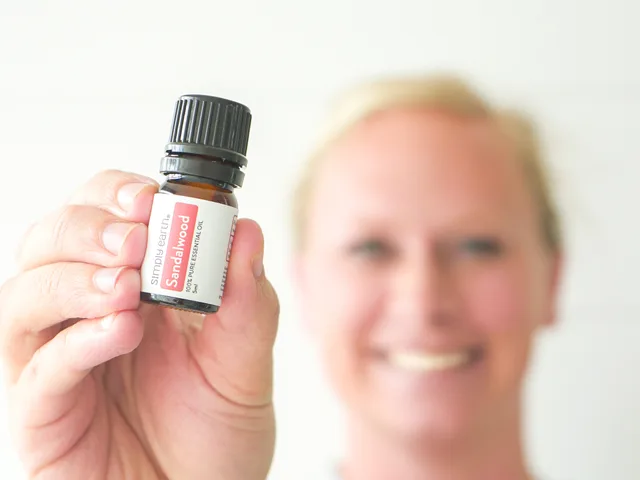
Sandalwood is the outlier here, and it is on the list for the overlap between soreness and sleep. Its anti-inflammatory activity has been reviewed alongside other oils used for arthritis, though that evidence is more preliminary than the chamomile and rosemary trials above. What it does unarguably well is settle a nervous system — so when the reason you are reading this at 11pm is an ache you cannot get comfortable around, this is the one to blend into a night-time balm.
AROMATHERAPIST TIP
Sandalwood is a base note, so it anchors a blend and makes the whole thing last longer on skin. Two drops is enough to change the character of an ounce of massage oil.


BEST FOR: STUBBORN, ARTHRITIC-TYPE ACHE
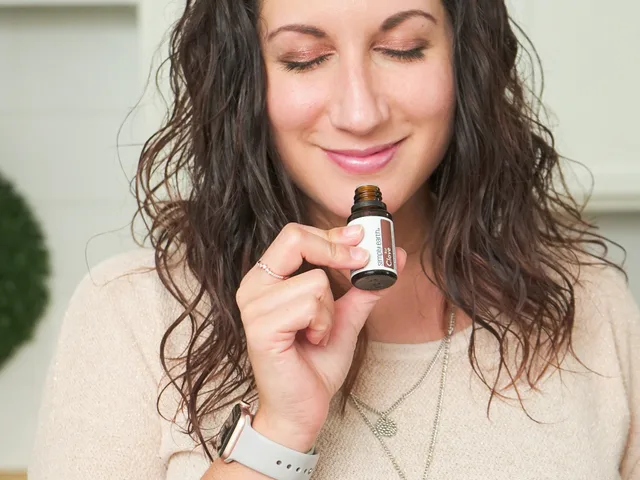
Clove is the strongest oil on this page and the one that needs the most care. Its eugenol content is why it has been investigated for antiarthritic activity and for improvements in leg function in animal models. It is also why clove is a hot oil: at anything above a very low dilution it will make skin sting. Use it when gentler oils have not been enough, on a small area, and never on broken skin.
AROMATHERAPIST TIP
Cap clove at 0.5% for skin — that is three drops in an ounce of carrier, not twelve. If you feel heat building past a warm glow, wipe it off with more carrier oil rather than water.


BEST FOR: NOT WANTING TO BLEND ANYTHING YOURSELF
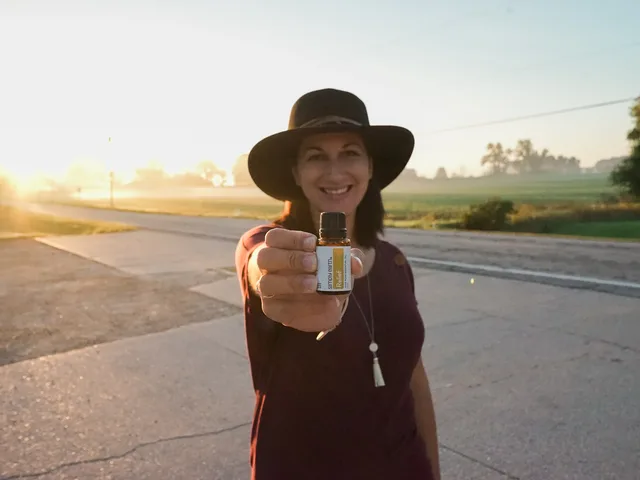
Relief is our aromatherapists' answer to this entire page. Rather than buying nine oils and learning which to combine, you get one bottle built for muscle and joint comfort, already balanced so no single note dominates and already proportioned for topical use. It is the shortcut we recommend to anyone who wants the result without the blending, and it is the oil in most of the sore-muscle recipes we publish. There is a pre-diluted Relief Roll-On too, at $9.99, if you would rather not mix at all.
AROMATHERAPIST TIP
If you only ever buy one thing off this page, buy this. Then add peppermint second — the two together cover both the cooling and the anti-inflammatory side of a sore muscle.


Which Oil for Which Ache
Ten oils, ten different jobs. Find your ache in the left column.
| If your ache is... | Reach for | Aroma and how to use it |
|---|---|---|
| Sore 24-48h after a workout | Peppermint | Cooling menthol - roll on shoulders, neck, calves |
| Stiff and seized up | Eucalyptus | Clean and herbaceous - best in an Epsom salt soak |
| Achy joints, worse in the cold | Ginger Root | Spreading warmth - massage into knees, hips, back |
| Cramp or spasm that will not let go | Marjoram | Soft and sweet - keep a roll-on by the bed |
| Ongoing joint discomfort | German Chamomile | Gentlest option, strongest human trials - 1% daily |
| General desk-and-lifting ache | Rosemary | Herbal and woody - the value pick for full-body oil |
| Heavy, tight legs after training | Juniper Berry | Fresh evergreen - massage ankle upward |
| Ache that stops you sleeping | Sandalwood | Warm and woody base note - night-time balm |
| Stubborn ache the gentle oils missed | Clove | Hot oil, cap at 0.5% - small areas only |
| You would rather not blend anything | Relief Blend | Pre-balanced for muscles - or the $9.99 roll-on |
Get 10% Off the Best Essential Oils for Achy Muscles
Every oil on this page, 100% pure and GC/MS tested — 10% off with code ACHY10 at checkout.
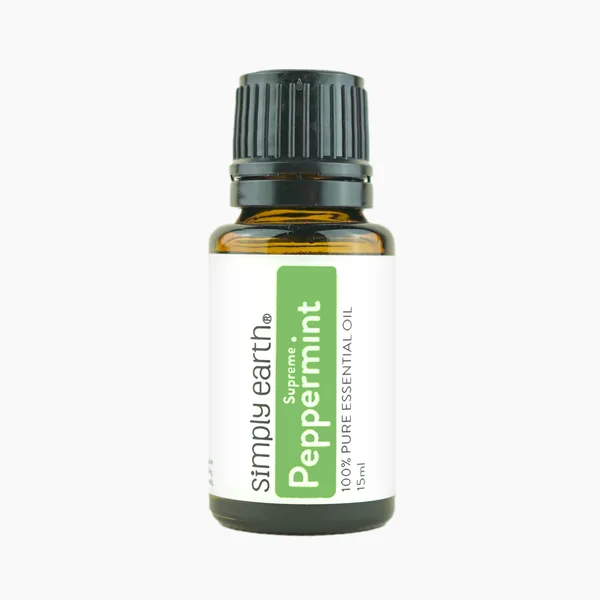
Peppermint Essential Oil
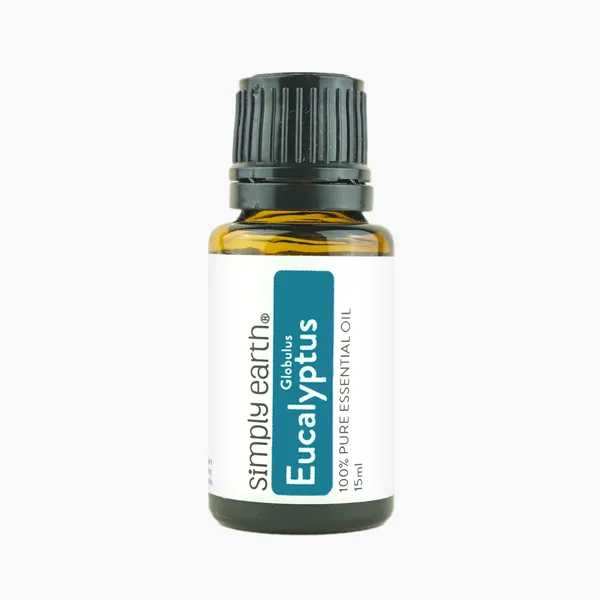
Eucalyptus (Globulus) Essential Oil
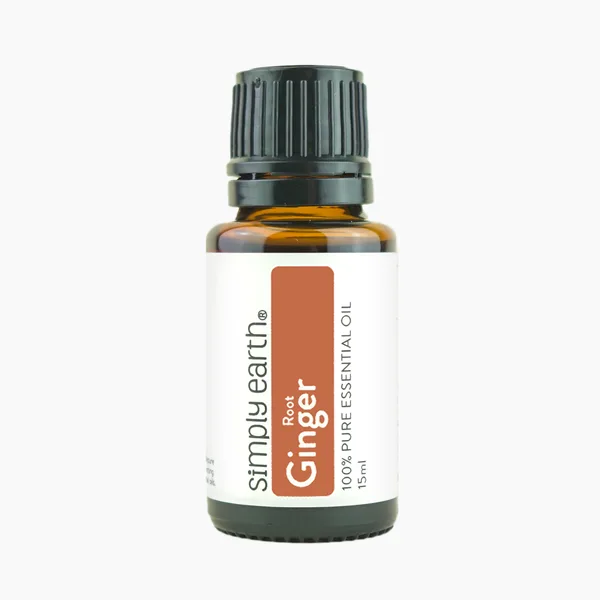
Ginger Root Essential Oil
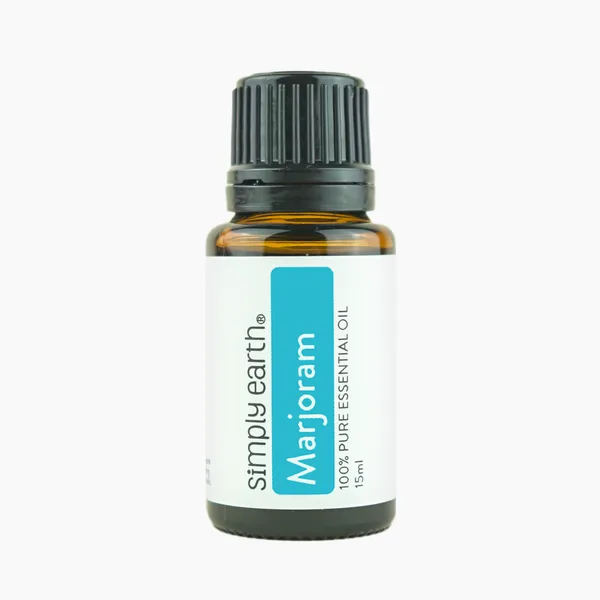
Marjoram Essential Oil
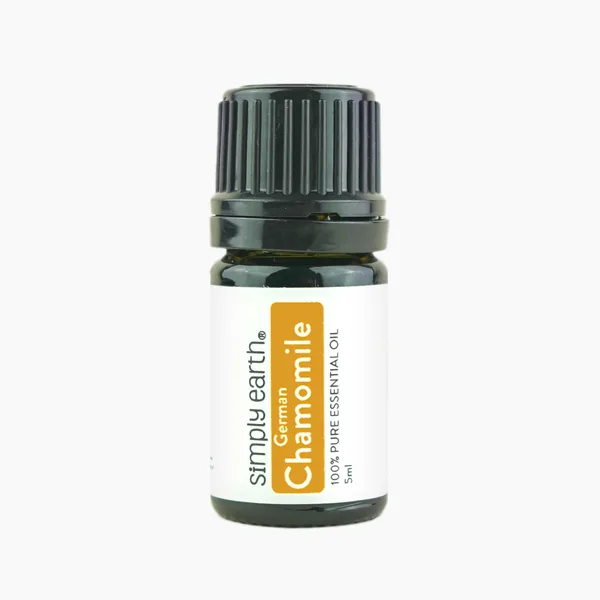
Chamomile (German) Essential Oil
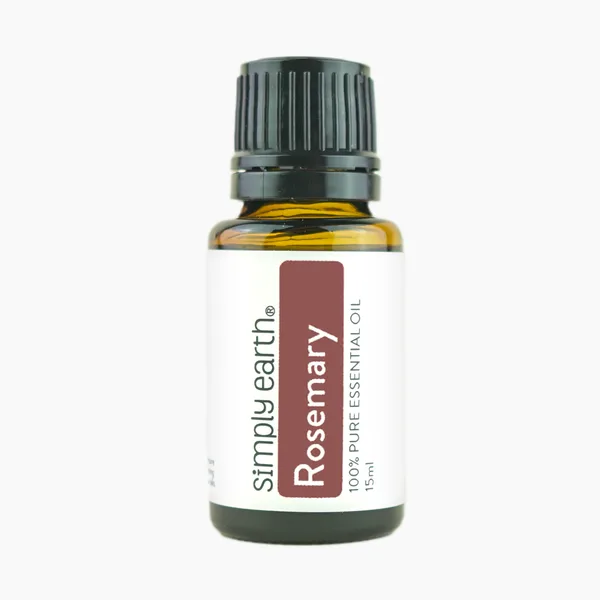
Rosemary Essential Oil
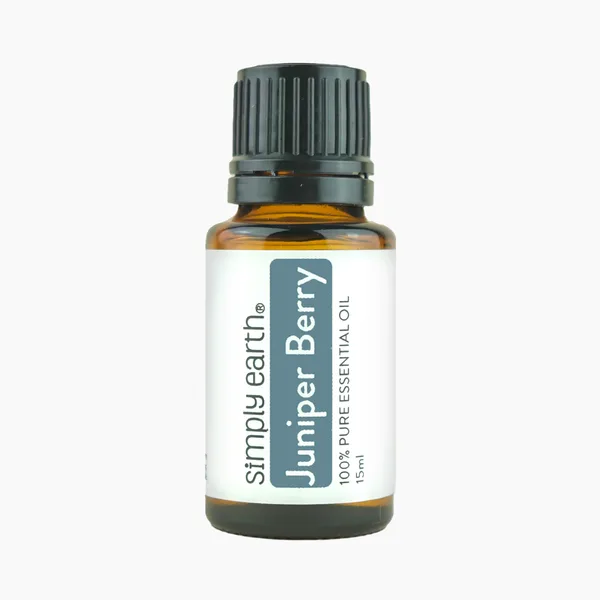
Juniper Berry Essential Oil
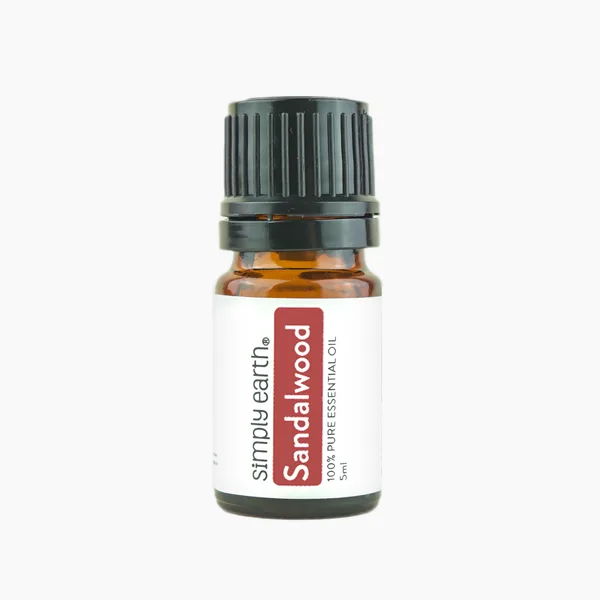
Sandalwood Essential Oil
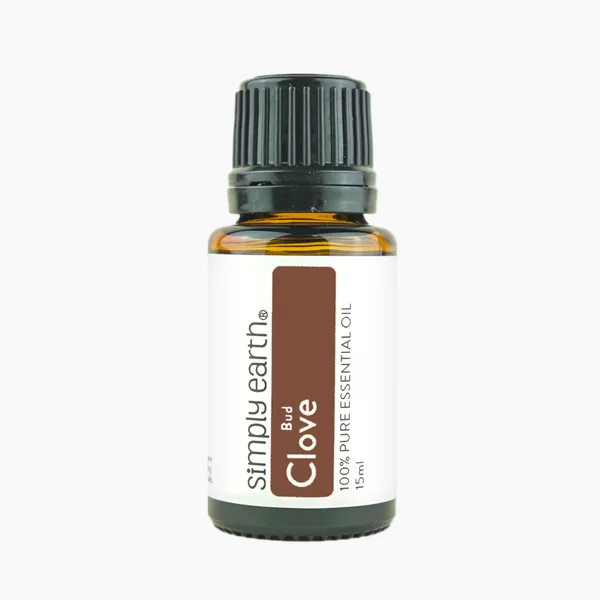
Clove Essential Oil
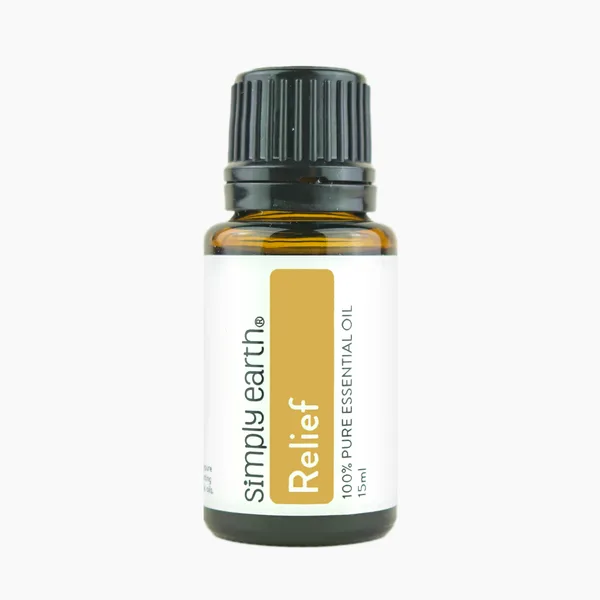
Relief Essential Oil Blend
OUR SIMPLY PURE PROMISE
What Goes Into Your Products Matters
Certified 100% Pure
No fillers, no synthetics. Just pure oil.
GC/MS Third-Party Tested
Every batch independently verified.
Ethically Sourced from Quality Farms
Responsibly harvested. People and planet first.
15mL
Bottle Size
MLM brands: 10mL
$10-16
Most Oils Here
MLM brands: $25-55+
Public
GC/MS Tests
MLM brands: Rarely
Your Order Changes Lives: 13% of profits fight human trafficking globally.

Key Takeaways
- Start with Relief and Peppermint — between them they cover the anti-inflammatory side and the cooling side of a sore muscle, for under $30 total.
- Match the oil to the kind of ache — cooling oils for fresh post-workout soreness, warming oils for cold-stiff joints, and Marjoram specifically for cramp and spasm.
- German Chamomile has the strongest human evidence — randomised controlled trials for knee osteoarthritis and carpal tunnel, not just laboratory models.
- Dilute everything to 2% — about 12 drops per ounce of carrier oil. Clove is the exception at 0.5%, because it is a hot oil and will sting.
- Oils are for comfort, not diagnosis — persistent, severe or unexplained pain needs a doctor, not a stronger blend.
Achy Muscles FAQ
The questions people actually ask about using essential oils for sore muscles and stiff joints.
What is the best essential oil for sore muscles? +
For most people it is Peppermint for the fast cooling effect, or our Relief blend if you would rather not mix oils yourself. If you want the option with the strongest human clinical evidence, that is German Chamomile, which has been tested in randomised controlled trials for knee osteoarthritis and carpal tunnel discomfort.
How do you use essential oils for muscle pain? +
Three ways work. Diluted massage is the most direct — 12 drops per ounce of carrier oil, worked into the sore area. A bath soak suits stiffness across a whole body, but blend the oil into Epsom salts or carrier oil first rather than dropping it into the water. And a pre-mixed roll-on is the one that actually gets used, because it is already made when you need it.
Can I put essential oils directly on my skin for pain? +
No. Every oil on this page needs diluting in a carrier oil first. Undiluted essential oil can sensitise skin, and once you are sensitised to an oil that reaction tends to be permanent. Clove is the most important one to respect here — cap it at 0.5%, which is three drops per ounce.
Which essential oil is best for muscle cramps specifically? +
Marjoram. Cramp is involuntary muscle contraction rather than soreness, and reviews of antispasmodic essential oils single Marjoram out for its effect on exactly that. It is a different problem from post-workout ache, which is why the same oil is not the answer for both.
Do essential oils actually reduce inflammation? +
Several of these oils have measurable anti-inflammatory activity in published research, and topical chamomile and rosemary have both been tested on people rather than only in the lab. That said, the effect is comfort-level rather than clinical — essential oils are a useful part of recovery, not a replacement for anti-inflammatory medication your doctor has prescribed.
Are these oils safe during pregnancy or around children? +
Take extra care with all of them. Clove and Rosemary are usually avoided in pregnancy, and peppermint is not recommended around young children because of the menthol. Check with your healthcare provider before using any essential oil while pregnant or breastfeeding, and keep oils well away from pets, who metabolise them differently.



About the Author: Katie Veldkamp
Katie Veldkamp
Certified Aromatherapist · Co-Founder, Simply Earth
Katie got hooked on oils — then got mad at the prices. So she got certified, flew to farms, and built Simply Earth so nobody has to wonder what's really in their bottle. Over 100,000 customers later, she still writes every guide herself.
The Free Essential Oil Guide
Simply Earth's free starter guide — what each oil is for, how to dilute it, and how to use it safely at home.
- What each essential oil is for
- Safe dilution and usage basics
Join 47,000+ subscribers making healthier choices naturally.
Free. No spam. Unsubscribe anytime.