
7 Rosemary Oil Benefits, From Scalp to Focus

Katie Veldkamp
Lead Certified Aromatherapist
Fact Checked & Approved
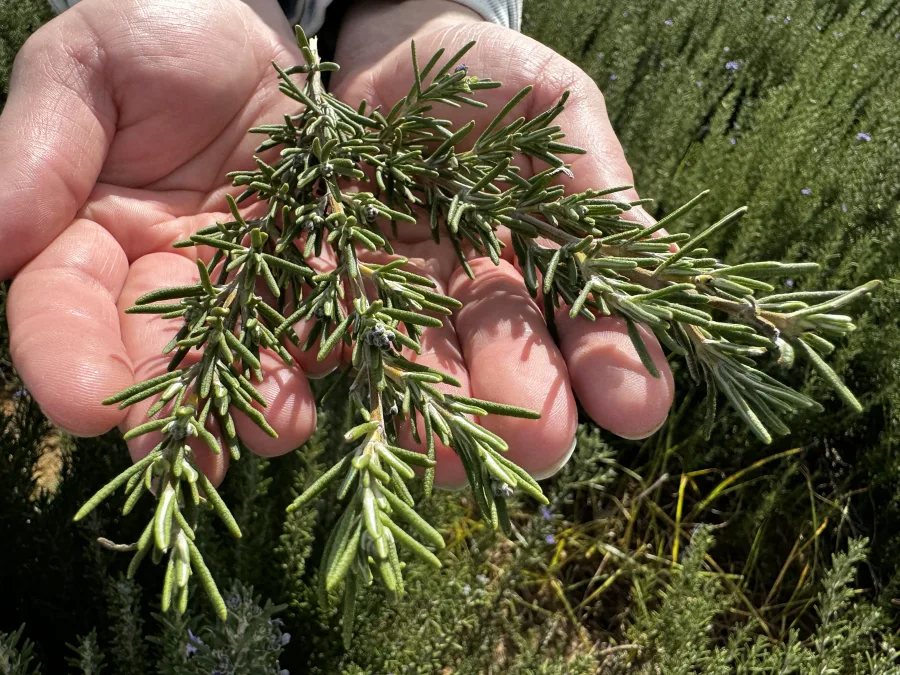
Rosemary sits in almost every kitchen in the world as a woody little sprig for roast potatoes, and somewhere in the last few years it became the most talked-about hair oil on the internet. Both of those things are true, and neither is the whole story. Simply Earth's own label lists seven uses for it, and four of them have nothing to do with hair — memory, detoxifying, calming and joints. It's steam-distilled from the leaves of Rosmarinus officinalis, an evergreen woody herb in the mint family with thin pointed leaves and small pink, blue or purple flowers. Ours is grown in South Africa. It is also, and this matters more than the hair talk, an oil with two firm medical cautions on it: not if you're epileptic, and not with high blood pressure.
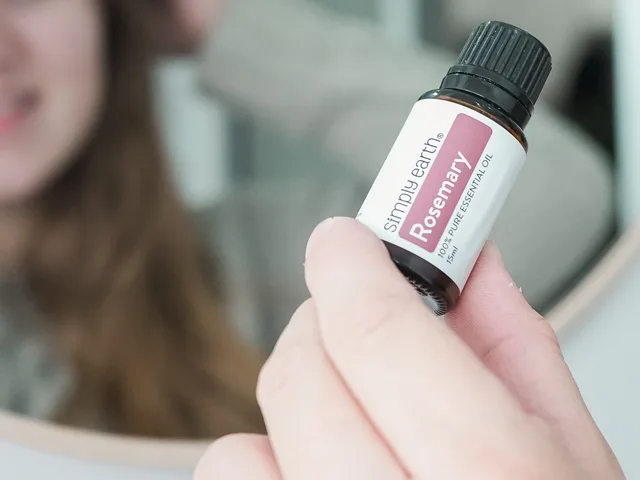
BEST FOR: SCALP OILS, HAIR MASKS & SHAMPOO BOOSTS
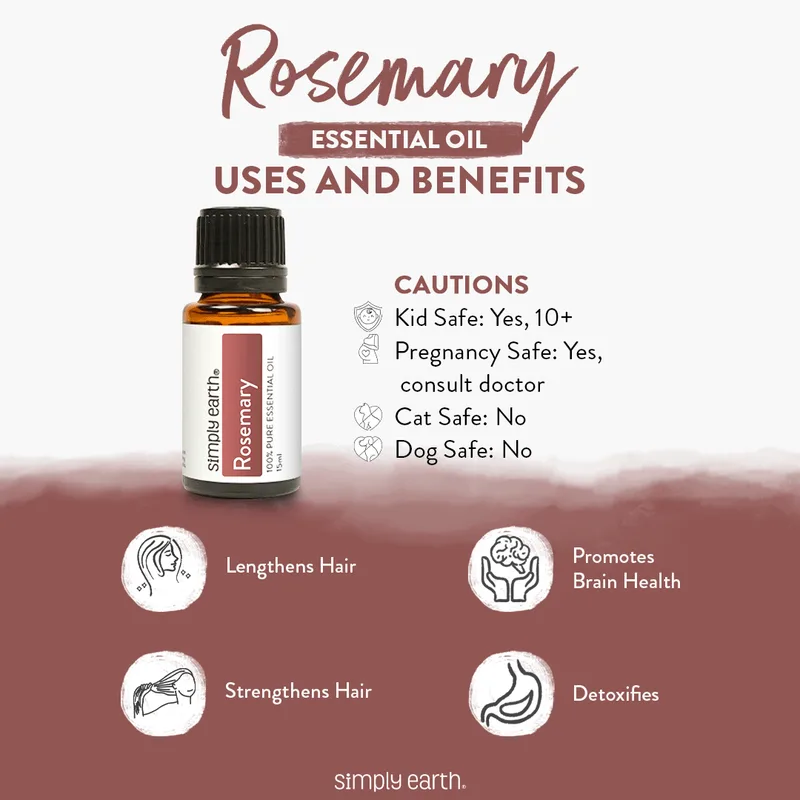
Lengthening hair is the first use on Simply Earth's rosemary label and the reason most people buy their first bottle. Our own blog puts it as boosting hair growth, and it is what our Earthies reach for it for — one reviewer adds a few drops to her shampoo to encourage growth, another built a scalp blend around it. The practical version is unglamorous — dilute it properly, get it on the scalp rather than the ends, and give it months rather than days.
KATIE'S TIP
6 drops in a tablespoon of jojoba, massaged into the scalp and left for 20 minutes before you wash. That's roughly 2% — comfortable for weekly use, and far kinder than the neat-oil advice going around.


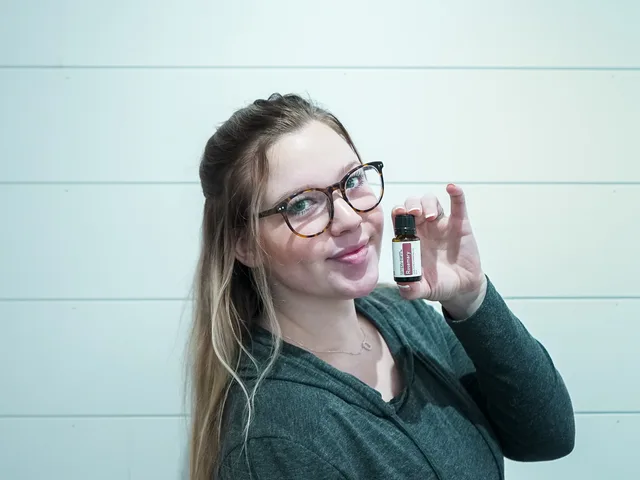
BEST FOR: SCALP MASSAGE & CONDITIONER BOOSTS
Second on Simply Earth's list, and the more interesting one. Our blog describes rosemary as soothing an itchy scalp, which is the part people skip past on the way to growth claims — a comfortable scalp is the groundwork. This is where rosemary earns its place in SE's own Rosemary & Mint Shampoo Bars, a recipe built around exactly this pairing.
KATIE'S TIP
If your scalp is already irritated, drop to 1% — 3 drops per tablespoon of carrier — and patch test behind the ear first. More is not faster here.
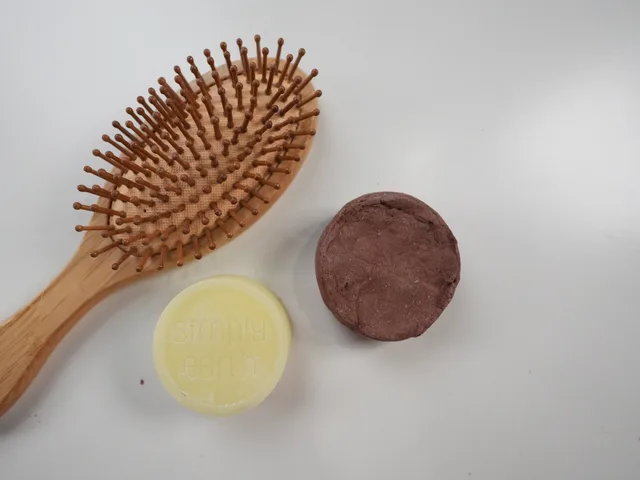
BEST FOR: DESK DIFFUSING & FOCUS BLENDS
Simply Earth lists promoting brain health among rosemary's uses, and our blog is more specific — inhaling the scent has been found to have a memory-enhancing effect. Rosemary has carried an association with memory for as long as anyone has written about herbs, which is a nice piece of folklore that happens to point at the way people actually use it now — on a desk, in a diffuser, while concentrating.
KATIE'S TIP
Rosemary with lemon and peppermint, 2 drops each, is my working blend. Run it 30 minutes and then stop — your nose stops registering it long before the diffuser does.
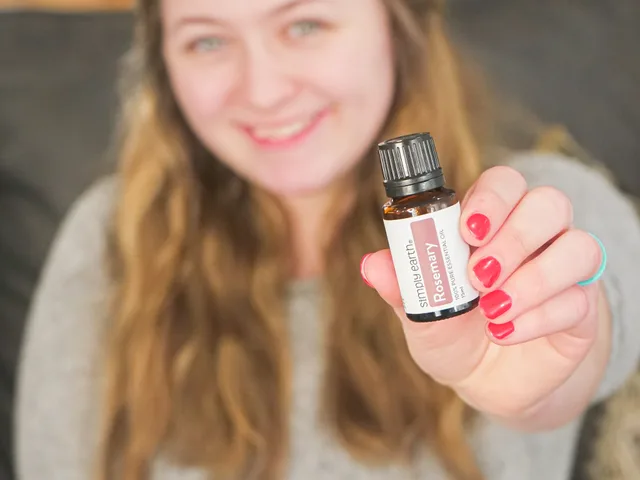
BEST FOR: MASSAGE BLENDS & BATH SOAKS
Detoxifying appears on Simply Earth's own product record for rosemary, and our blog attributes it to free radical scavenging activity — scooping up the free radicals that damage cells. In practice this is a massage-and-soak use rather than anything you drink, and it is a large part of why rosemary turns up in body oils and salt scrubs as often as in hair recipes.
KATIE'S TIP
For a soak, stir 4 drops into a tablespoon of carrier oil first, then add that to the water. Oils dripped straight into a bath float and sit on your skin neat.
USE IT IN →


BEST FOR: DIFFUSING & ROLL-ONS
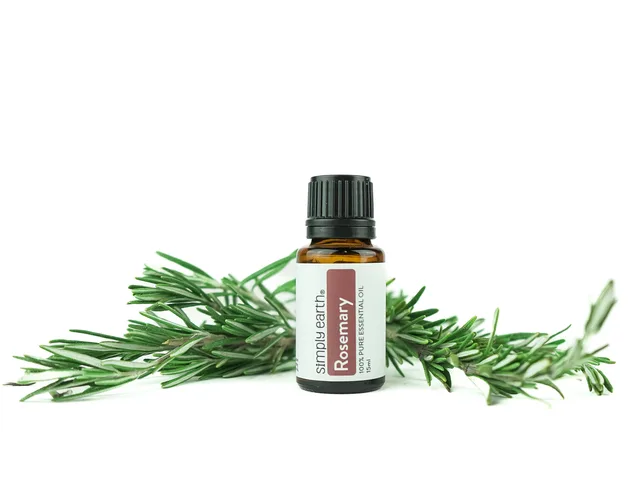
Rosemary reads as sharp and bracing, so calming feels like a contradiction until you use it — our blog describes it as reducing feelings of stress, and one of our Earthies diffuses it specifically for anxiety. It's a clearing sort of calm rather than a sedating one, which is why it sits better in a daytime blend than a bedtime one. For actual sleep, reach for lavender.
KATIE'S TIP
Rosemary and lavender in equal drops is the blend that surprises people most. The lavender rounds off rosemary's edge without smothering it.
BEST FOR: HAIR & BEARD OILS
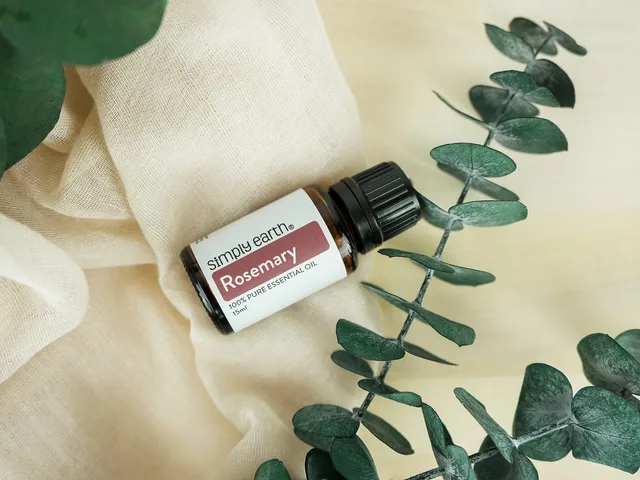
Simply Earth lists thickening hair separately from lengthening it, which is a fair distinction — one is about growth, the other about the feel and body of what's already there. This is the use SE's own Rosemary Mint Hair & Beard Oil is built around, and beards are genuinely where it shows fastest, because the skin underneath gets the oil directly.
KATIE'S TIP
For a beard, 4 drops in a tablespoon of jojoba worked in at night. On hair, the Rosemary Glass Hair Glaze is the shinier route.
BEST FOR: MASSAGE OILS & WARMING RUBS
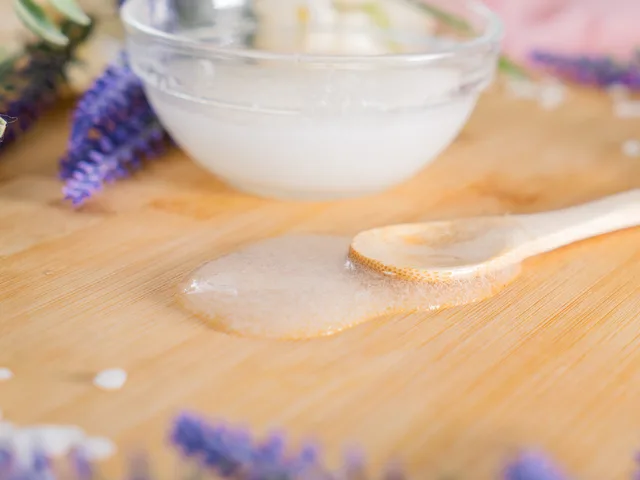
Last on Simply Earth's list and the one with the longest history of ordinary use. Our blog frames it as helping alleviate discomfort and stiffness, and rosemary's camphor content is doing much of the perceived work — it's the same warming, slightly medicinal quality that makes it a natural partner for peppermint and marjoram in a post-exercise rub.
KATIE'S TIP
2% in a carrier oil — 12 drops per fluid ounce — massaged into shoulders and knees. Keep the dilution honest here; rosemary's dermal maximum is 16.5% but there is no reason to go anywhere near it.
USE IT IN →
Put It to Work
How to Use Rosemary Oil
Diffuser
- • 3–5 drops in your diffuser of choice
- • Diffuse 30–60 minutes at a time rather than continuously
- • Blends well with peppermint, lemon, lavender and eucalyptus
- • Never diffuse in a closed room with cats or dogs present
Scalp & Hair Oil
- • 1 tbsp jojoba or fractionated coconut oil
- • 6 drops rosemary for a 2% scalp oil
- • Massage into the scalp, not the ends; leave 20 minutes, then wash
- • Weekly is plenty — this is a months-not-days routine
Topical (Roller)
- • 10ml roller bottle
- • 9ml fractionated coconut oil or jojoba
- • 3 drops for a 1% roller, 6 drops for 2%
- • Shoulders, neck and knees — keep it away from your face
Shampoo & Conditioner Boost
- • Add to an unscented shampoo or conditioner base, not a finished bottle
- • 10–12 drops per 8oz of base is a comfortable 1%
- • Or make SE's Rosemary & Mint Shampoo Bars from scratch
Bath & Muscle Soak
- • 1 tbsp carrier oil or unscented bath gel
- • 4 drops rosemary, stirred into the oil first
- • Then add the mixture to warm running water
- • Skip the bath entirely if you have high blood pressure
Know the Difference
Rosemary vs. Peppermint
These two get compared constantly because Simply Earth pairs them in its own hair recipes — the Rosemary & Mint Shampoo Bars and the Rosemary Mint Hair & Beard Oil both use the pair rather than either alone. They are not interchangeable. Rosemary is a middle note carrying cineole and camphor; peppermint is a top note carrying menthol, and with a blending factor of 1 against rosemary's 4 it will dominate a blend if you match them drop for drop. Both are 10+ only and neither is pet safe, but their extra cautions are completely different — check the last two rows before you assume one substitutes for the other.
Swipe to compare →
Rosemary The subject of this page | Peppermint (Supreme) The one SE pairs it with | |
|---|---|---|
| Botanical Name | Rosmarinus officinalis | Mentha piperita |
| Where Simply Earth Grows It | South Africa — Qobo Qobo farm | United States |
| Plant Part | Leaf | Herb |
| Aroma | Herbal and woody — fresh and strong, faintly camphorous | Sharp and minty, cooling and much brighter |
| Main Constituents | 1,8-Cineole, α-Pinene, Camphor | Menthol, Menthone, Menthyl acetate |
| Note & Blending Factor | Middle note, blending factor 4 | Top note, blending factor 1 — a little goes much further |
| Kid Safe | Children 10+ only | Children 10+ only |
| Cat & Dog Safe | No — keep pets out of the room while diffusing | No |
| Extra Cautions | Not if epileptic; not with high blood pressure | Not with cardiac fibrillation or G6PD deficiency |
| Shelf Life | 3 years | 4 years |
| Price at Simply Earth | $11.99 / 15mL | $12.99 / 15mL |
| Simply Earth | This page's oil | — |
Perfect Pairs
Rosemary Oil Blends Well With…
Simply Earth's own blending list for rosemary — one of the longest in the range, which tells you how easy-going it is. Lemon is the simplest place to start, peppermint is the one SE's own hair recipes use, and lavender is what to reach for when you want rosemary to feel calming rather than bracing.
Kitchen Herb, Long Career
History of Rosemary Essential Oil
Rosemary is one of the few essential oils whose plant most people can recognise on sight, because it has been in the kitchen the entire time. Simply Earth's own plant notes describe it as a very aromatic evergreen woody herb of the Lamiaceae family — the mint family — with thin pointed leaves and flowers varying from pink to blue to purple. That family membership is worth holding onto: rosemary is a botanical cousin of peppermint, lavender and basil, which is part of why it blends so comfortably with all three.
The association everyone half-remembers is with memory. Rosemary for remembrance is old enough to be folklore rather than history, and it has attached itself to the herb across centuries of European writing about gardens and funerals alike. What's notable is that the association survived into the modern record for a reason people can now describe: Simply Earth's own blog notes that inhaling rosemary's scent has been found to have a memory-enhancing effect, which is a fair distance from folklore and much closer to why the bottle ends up next to a laptop.
The most recent chapter is the one that brought most readers here. Rosemary oil went from a steady, unglamorous herb oil to the most discussed hair-care ingredient on the internet in the space of a couple of years — and while the internet version tends to skip the dilution, the underlying uses were already on Simply Earth's label: lengthening, strengthening and thickening hair, all three listed long before the trend arrived.
The Chemistry
The Science Behind Rosemary Oil
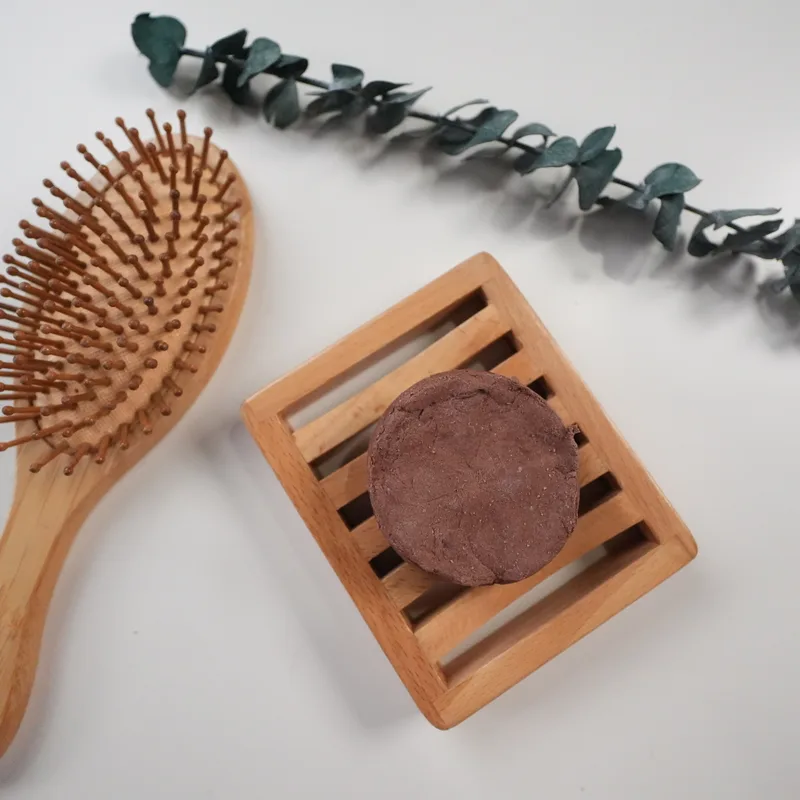
Three naturally occurring compounds account for rosemary's fresh, woody, faintly camphorous character:
1,8-Cineole
The lead constituent
The first compound Simply Earth lists for its rosemary, and the one responsible for that clean, faintly medicinal lift you get the moment the cap comes off. It is the same headline constituent as eucalyptus, which is why the two smell related and why both belong to the group of oils held back to children 10 and up.
α-Pinene
Fresh · Resinous · Green
A monoterpene found throughout conifers and woody herbs, and second on Simply Earth's list. It carries the pine-like, resinous edge underneath the cineole — and it is a large part of why rosemary sits so naturally beside fir needle, pine and juniper rather than fighting them.
Camphor
Warm · Penetrating · Familiar
Third on the list, and the one doing the work in every warming muscle rub rosemary appears in. Camphor is also why the oil reads as bracing rather than sweet, and why the epilepsy and blood-pressure cautions on this page are worth taking literally rather than generally.
Simply Earth's Rosemary Essential Oil is steam-distilled from the leaves of Rosmarinus officinalis, grown in South Africa. We third-party test our oils and publish the results, and we never blend them with synthetic fragrance, fillers or extenders. See Our Testing →
Support The Source
Where Our Rosemary Comes From
Simply Earth's rosemary grows at the foothills of the Amathole Mountains in South Africa, at a farm called Qobo Qobo. It is a nonprofit social enterprise rather than a conventional supplier, and its rosemary sits inside an Indigenous Oils Programme that has been running since 2006 across roughly 60 hectares.
What that buys, practically, is control over the two things that decide whether a herb oil is any good. The rosemary is harvested by hand, so only plants in good condition go to the still — a difference you can taste in a herb and smell in its oil. And the farm runs a traceable batch system, tracking each lot back to the field it came from, which is what makes a GC/MS report worth reading in the first place: a test result only means something if you know which oil it belongs to.
One correction worth making, because it is easy to find the wrong answer: some of Simply Earth's older product data still lists rosemary's origin as Morocco. That is a leftover from a discontinued Moroccan rosemary, and it is being cleaned up. The oil on sale today is the South African one.
South Africa
Where It's Grown
Leaf
Plant Part
Public
GC/MS Results
Use It Right
Things to Remember When Using Rosemary Oil
Do not use this oil if you are epileptic or if you have high blood pressure. Simply Earth publishes both cautions specifically for rosemary. If either applies to you, choose a different oil.
Always dilute before applying to skin. 1–2% is right for everyday use — 1–2 drops per teaspoon of carrier oil. Simply Earth lists a 5% special rate and a 16.5% dermal maximum. See our dilution chart.
Children 10 and up only. Rosemary is a high-cineole, camphor-carrying oil and not for young children. For a younger child, choose a gentler oil rather than fewer drops.
Pregnancy and breastfeeding — consult your doctor. Simply Earth lists rosemary as safe for both with medical guidance, so get that guidance first.
Not cat safe, and not dog safe. Never apply it to an animal, and give pets a way out of the room before you diffuse.
Keep away from eyes and mucous membranes. If contact happens, flush with a carrier oil rather than water.
Patch test before any scalp routine. Test behind the ear or on the inner arm first, especially if your scalp is already irritated — and never use it neat.
Never ingest it. Rosemary is a food herb, but rosemary essential oil is not a food ingredient. Topical and aromatic use only.
These statements have not been evaluated by the Food and Drug Administration. Essential oils are not intended to diagnose, treat, cure, or prevent any disease.
Real Results
What Earthies Are Saying
"I love rosemary essential oil! It has so many benefits and my personal use of this is part of my hair routine. With Simply Earth I can use my oils with confidence knowing they are 100% pure and no fillers."
Nikki
Website Review • Rosemary Essential Oil
"Using rosemary essential oil from Simply Earth has been a game changer. I've been diffusing it for anxiety, adding it to DIY cleaners, and even putting a few drops in my shampoo to encourage hair growth."
Christa O.
Website Review • Rosemary Essential Oil
"I bought this oil for so many reasons and uses. First I used it to make my own shampoo and conditioner blend and I also added the Simply Earth spearmint essential oil that I already have. It does wonders for your hair."
Brenda D.
Website Review • Rosemary Essential Oil
OUR SIMPLY PURE PROMISE
What Goes Into Your Products Matters
Certified 100% Pure
No fillers, no synthetics. Just pure oil.
GC/MS Third-Party Tested
Every batch independently verified.
Ethically Sourced from Quality Farms
Responsibly harvested. People and planet first.
15mL
Bottle Size
MLM brands: 10mL
South Africa
Where It's Grown
Qobo Qobo farm, Eastern Cape
Public
GC/MS Tests
MLM brands: Rarely
Your Order Changes Lives: 13% of profits fight human trafficking globally.
Rosemary Essential Oil FAQ
The questions people actually ask about rosemary — starting with who shouldn't use it.
What is rosemary essential oil good for? +
Simply Earth lists seven uses — lengthening, strengthening and thickening hair, promoting brain health, detoxifying, calming, and supporting joint function. In practice it does its best work in scalp and hair oils, desk diffuser blends, and warming massage rubs.
Who should not use rosemary oil? +
Anyone who is epileptic, and anyone with high blood pressure. Simply Earth publishes both cautions specifically for rosemary. It is also for children 10 and up only, and it is neither cat safe nor dog safe.
Does rosemary oil actually help hair growth? +
Lengthening hair is the first use on Simply Earth's own label, and our blog describes rosemary as boosting hair growth and soothing an itchy scalp. It is not an overnight change — the honest version is a diluted scalp oil used weekly over months, not neat oil used daily.
How do you dilute rosemary oil for your scalp? +
6 drops in a tablespoon of jojoba or fractionated coconut oil gives you roughly 2%, which is comfortable for a weekly scalp massage. Drop to 1% — about 3 drops — if your scalp is already irritated. Simply Earth lists a 5% special dilution rate as the upper end, and a 16.5% dermal maximum you have no reason to approach.
What's the difference between rosemary and peppermint oil? +
Rosemary is a middle note carrying 1,8-cineole and camphor; peppermint is a top note carrying menthol. Peppermint's blending factor is 1 against rosemary's 4, so it will dominate a blend if you match them drop for drop. Their extra cautions differ too — see the comparison table above.
Where does Simply Earth's rosemary come from? +
South Africa, from a farm called Qobo Qobo at the foothills of the Amathole Mountains, where it is hand-harvested and tracked by batch. Some older product data still says Morocco — that is a leftover from a discontinued Moroccan rosemary and is being corrected.
Is rosemary oil safe around cats and dogs? +
No. Simply Earth lists rosemary as neither cat safe nor dog safe. Give pets a way out of the room before you diffuse, and never apply essential oils directly to an animal.
How long does rosemary oil last? +
Simply Earth lists a 3-year shelf life. Keep it capped, cool and out of direct light. If the smell has turned sharp or flat, use it for cleaning and open a fresh bottle for anything you plan to put on your scalp.


About the Author: Katie Veldkamp
Katie Veldkamp
Certified Aromatherapist · Co-Founder, Simply Earth
Katie Veldkamp is a Certified Aromatherapist and co-founder of Simply Earth. She personally formulates and reviews SE's essential oil blends and verifies all benefit claims on Simply Earth content before it goes live.
Join 20,000+ Earthies Making Their Homes Natural
New recipes, usage guides, and DIY tips — delivered free.
No spam. Unsubscribe any time.

Learn by doing
Make your own natural products every month.
The Simply Earth Recipe Box ships 6 essential oils, 4 DIY recipes, and all the supplies — $39/month. Cancel anytime.
Start My Recipe Box