8 Essential Oils for Congestion

Katie Veldkamp
Lead Certified Aromatherapist
Fact Checked & Approved
You're stuffed up, it's late, and you want to know which bottle to open. This is the short list: eight oils, four ways to use them, and the one to reach for first depending on where the stuffiness actually is.
First, the honest part: essential oils for congestion don't clear anything. Nothing in a bottle physically shifts what's making you feel stuffed up. If you feel genuinely unwell, or anything about your breathing worries you, the useful people are your doctor and your pharmacist, and nothing on this list should delay either.
What oils are very good at is how it feels. A cool, fresh scent creates an open-air feeling that makes breathing feel easy, so a hot shower with peppermint in it feels like relief even though nothing has physically changed. That feeling is worth having at 10pm when you can't get comfortable, and it's the whole reason this list exists.
There are four ways to use these oils, and they aren't interchangeable. Steam bowl is the most concentrated: a bowl of hot water, two drops, a towel over your head, eyes shut. Shower is the gentlest and the one most people actually keep doing: a few drops on the shower floor, out of the direct stream. Diffuser is for the room and for sleeping, not for a quick lift. Chest rub is a diluted salve on the chest and upper back, never under the nose. Pick the method first, then the oil.
Looking for the longer version? Best Essential Oils for Congestion and Easier Breathing covers more oils, blends included. This list is the short one.
These statements have not been evaluated by the Food and Drug Administration. These products are not intended to diagnose, treat, cure or prevent any disease.
THE CONGESTION SERIES
STEP 01 · COMING SOON
Natural Remedies
STEP 02
Best Oils
STEP 03 · COMING SOON
DIY Recipes
STEP 04 · COMING SOON
Master Guide
In this Guide
Free Guide
Get the free Essential Oil Guide
Dilution rates, safety basics, and the oils worth buying first.
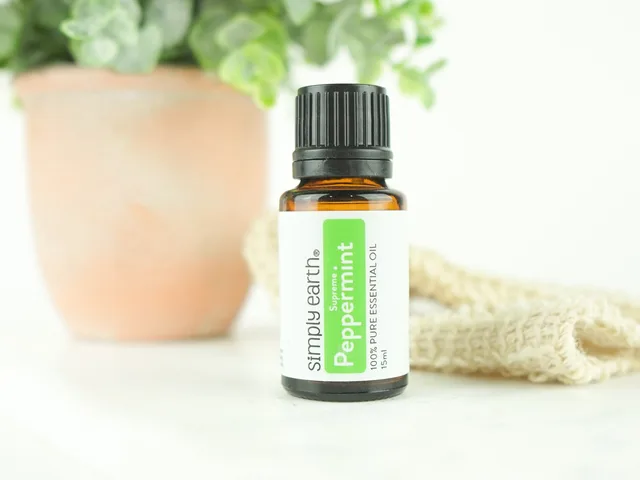
BEST FOR: STEAM BOWL + CHEST RUB
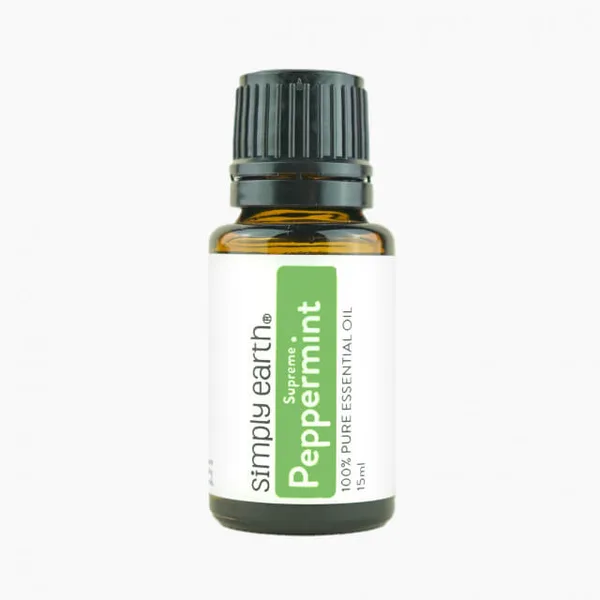
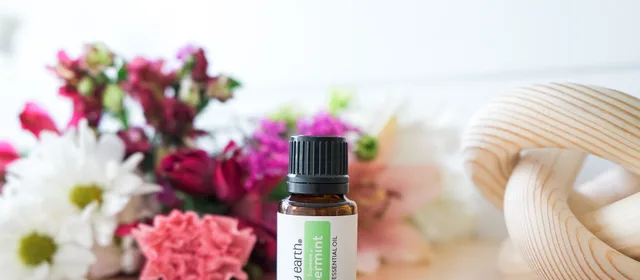
Peppermint creates a fresh, open-air feeling that makes breathing feel easy, and it's the sharpest, coolest scent on this list. That cool, open feeling is why this is the bottle that empties fastest. Use it when the stuffiness sits high up, behind the face and forehead. Read the Safety First note before you use it.
Safety First
This is a 10+ oil, and it isn't one to use around a baby's face at all. If you have cardiac fibrillation or a G6PD deficiency, skip peppermint entirely and use Fir Needle instead. Keep it away from cats and dogs.
AROMATHERAPIST TIP
Two drops in a bowl of steaming water, a towel over your head, and your eyes closed. Keep them closed, because the minty vapor stings.


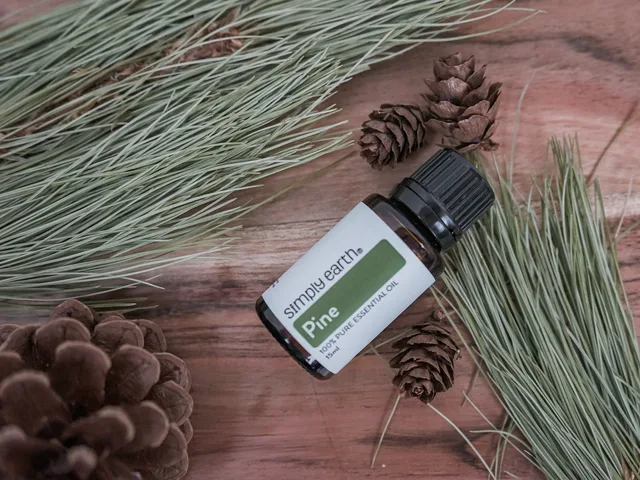
BEST FOR: DIFFUSER + CHEST RUB
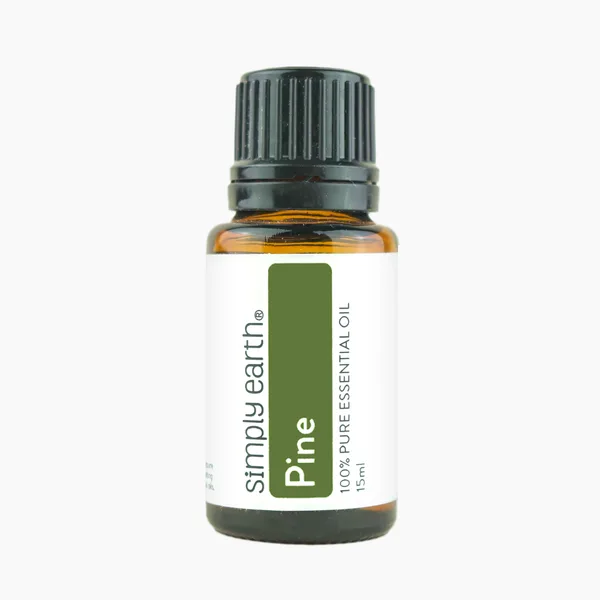
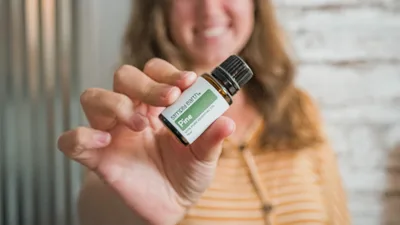
Pine is the quiet workhorse of this list. It helps you feel more comfortable when the seasons change, and it's softer than peppermint and eucalyptus, evergreen and woody rather than icy. If there's a younger child in the house, read the Safety First note, because this is the oil you build the room around. It's also the partner oil in the salve in the video at the top of this page, which is the single most useful thing you can make from this list.
Safety First
Pine is safe from age two, where peppermint and eucalyptus are not until ten. Keep it away from cats and dogs. Keep a chest rub at or under a 5% dilution, on the chest and upper back only, never under the nose.
AROMATHERAPIST TIP
Pine and peppermint together in a beeswax-and-coconut-oil salve is the classic chest rub, and the ratio matters more than the oils do. Simply Earth's Pine was previously sold as Pine Scotch; it's the same oil, renamed.


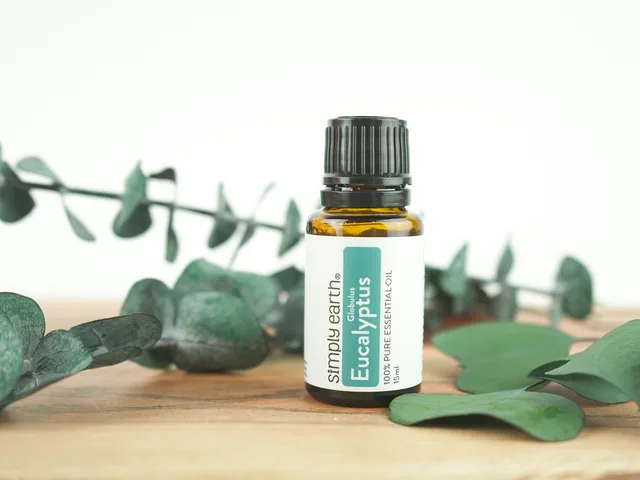
BEST FOR: SHOWER + STEAM BOWL
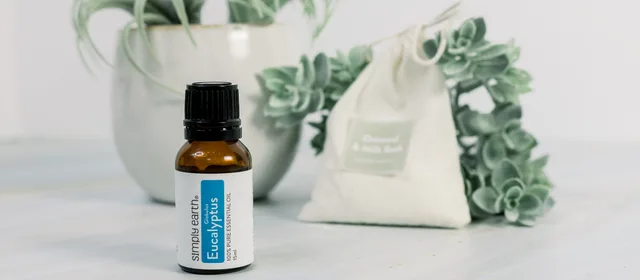
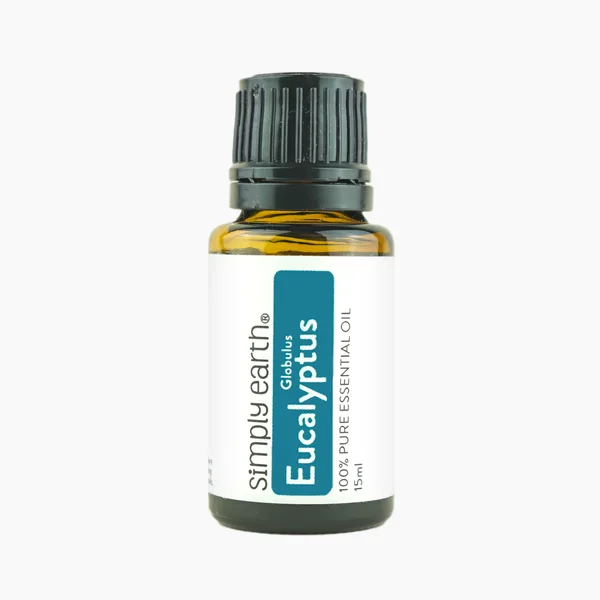
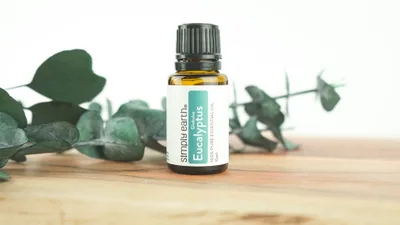
If one smell says "stuffed up" to you, it's this one. Eucalyptus creates a fresh, open-air feeling that makes breathing feel easy, with the same cool hit as peppermint but broader and less sharp. In a hot shower the steam carries Eucalyptus globulus everywhere at once, which is why this is the easiest oil on this list to keep using. You're already in there.
Safety First
Like peppermint, this is a 10+ oil, and the 1,8-cineole content is exactly why that caution exists. Take it seriously with small children. Keep it away from cats and dogs.
AROMATHERAPIST TIP
Two or three drops on the floor of the shower, deliberately out of the direct stream. If the water lands on it, it washes away before you've finished washing your hair.


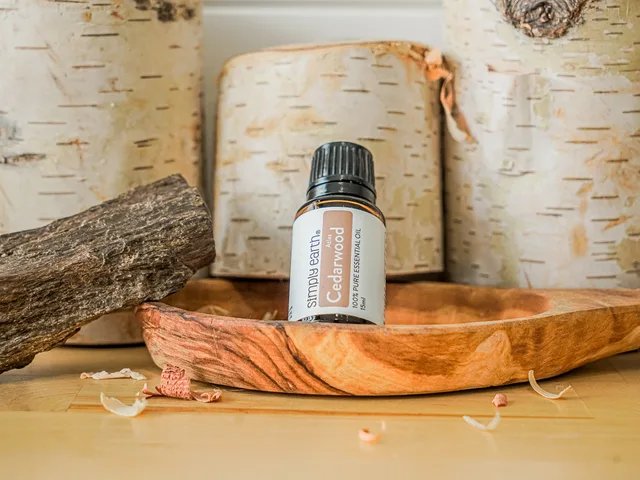
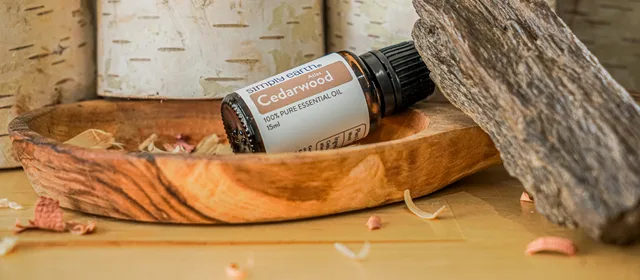
BEST FOR: DIFFUSER OVERNIGHT
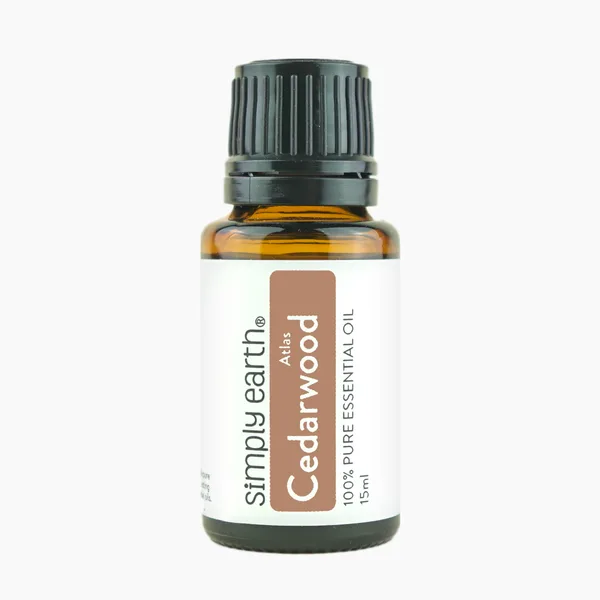
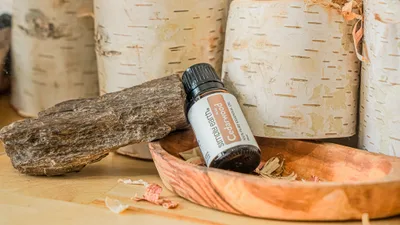
Cedarwood supports easy breathing in its own quiet way. It isn't cooling and won't give you that rush of space; it's dry, woody and heavy, a base note. What it's good for is the second half of the problem. Being stuffed up is exhausting, and you still have to sleep. Cedarwood in a diffuser makes a shut-up room smell settled rather than stale.
Safety First
Safe from age two, and listed as safe around both cats and dogs. It can irritate sensitive skin, so patch test before it goes into anything you rub on.
AROMATHERAPIST TIP
Run it in the diffuser for thirty minutes before bed rather than all night. You want the room to smell looked after, not saturated.


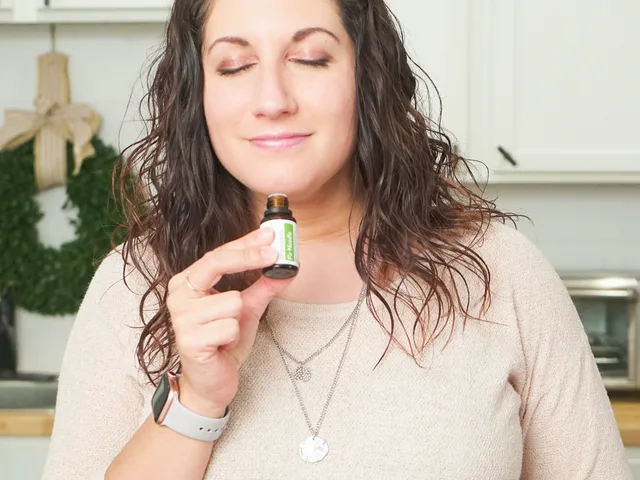
BEST FOR: DIFFUSER + STEAM BOWL
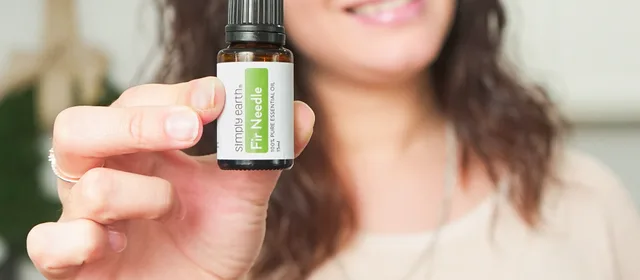
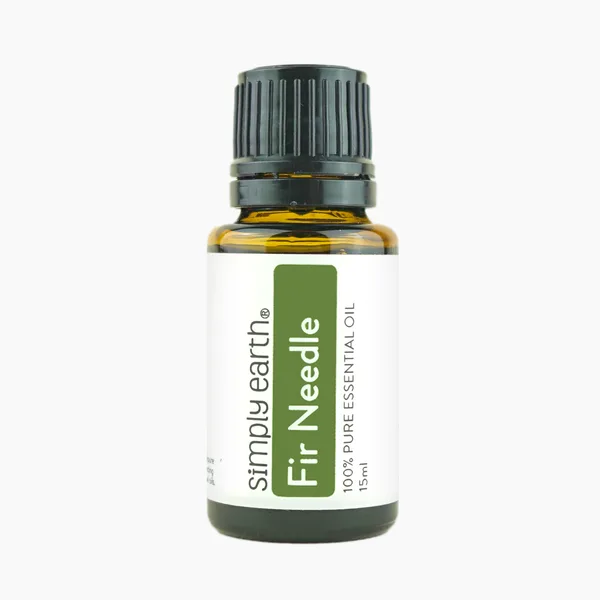
Fir Needle supports easy breathing with a clean evergreen aroma and none of the icy hit. It's the one to know about if peppermint and eucalyptus are off the table, whether that's because of a younger child in the house, a note in its Safety First box, or simply because the minty oils are too much for you. It's also the best oil on this list at making a room that's been shut up for three days smell like somebody opened a window.
Safety First
Safe from age two. Keep it away from cats and dogs.
AROMATHERAPIST TIP
Fir Needle and Pine together in the diffuser is a better blend than either alone. They're both evergreen but from different trees, and the combination reads as a forest rather than a cleaning product. Four drops of each is plenty for an average room.


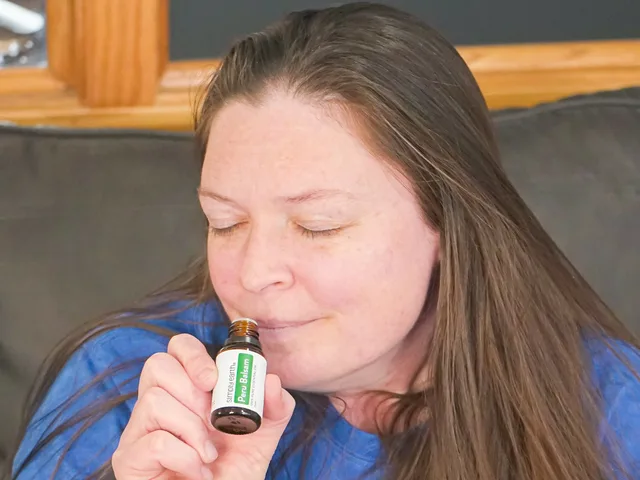
BEST FOR: CHEST BALM + DIFFUSER
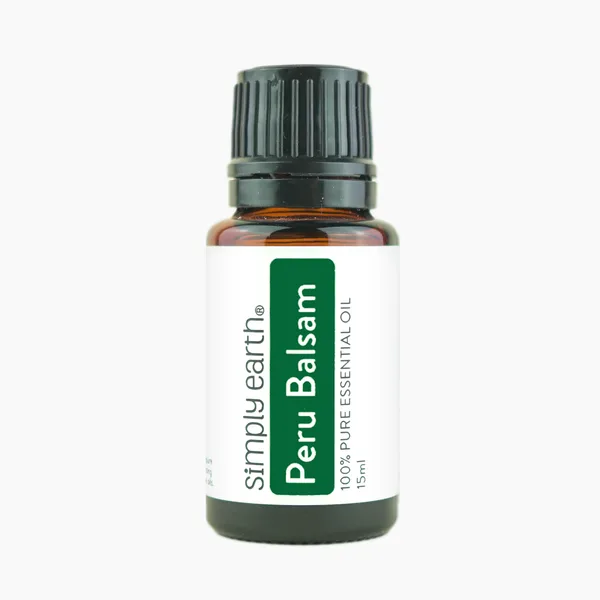
Peru Balsam supports easy breathing and creates a soothing, comforting feel for the throat and chest, which is why I like it in a balm when I'm stuffed up and can't settle. Its warm, vanilla-like scent also helps me relax and unwind. It comes from Myroxylon pereirae, a tropical tree native to South America, and it's thick, so a little goes a long way. Read the Safety First note before it goes on your skin.
Safety First
For ages 10 and up. If you're pregnant or breastfeeding, check with your doctor first, and skip it in the first trimester. It can irritate skin, so always dilute it with a carrier oil, keep it to a 0.5% dilution or less, use small amounts, and avoid using it for long stretches of time.
AROMATHERAPIST TIP
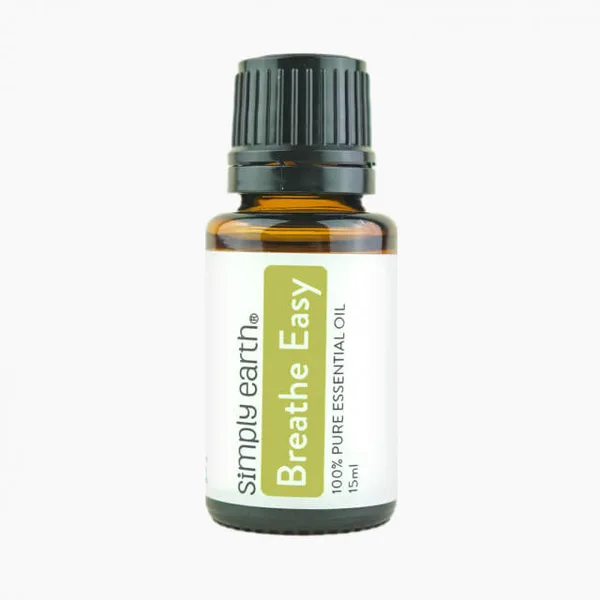
Peru Balsam is sticky, so warm the bottle in your hands before you pour. In the diffuser, pair it with Breathe Easy, the way my Spa Serenity blend does.


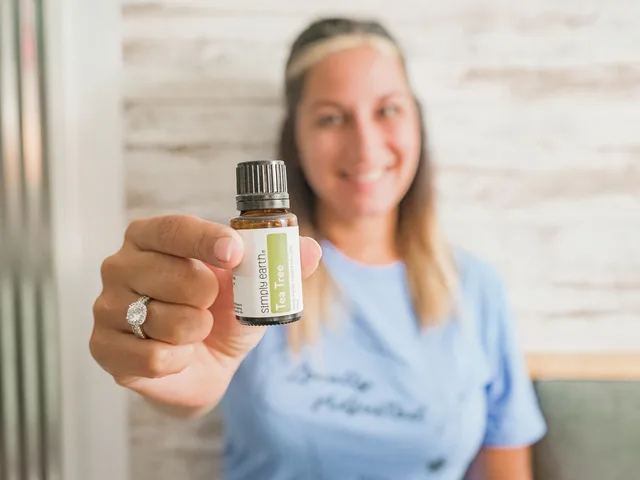
BEST FOR: DIFFUSER IN A STUFFY ROOM
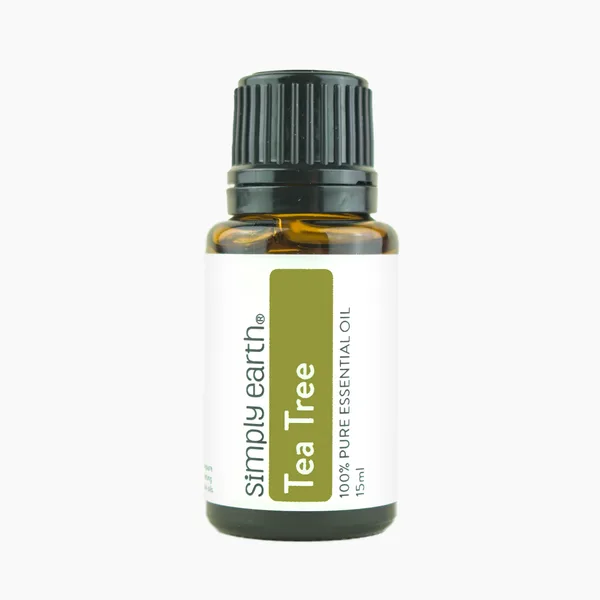
Tea Tree supports easy breathing with its fresh, slightly medicinal scent, and it fills a room with a clean, fresh-smelling aroma. That's why I run it in the diffuser while I tidy up a room I've been stuck in all week. It's steam distilled from the leaves of Melaleuca alternifolia, and it's one of the most budget-friendly oils on this list.
Safety First
For ages 2 and up. If you're pregnant or breastfeeding, check with your doctor first, and skip it in the first trimester. Keep it away from cats and dogs. Always dilute it before it touches skin.
AROMATHERAPIST TIP
Tea Tree can smell sharp on its own. Pair it with a citrus in the diffuser and the room smells clean and bright instead of medicinal.


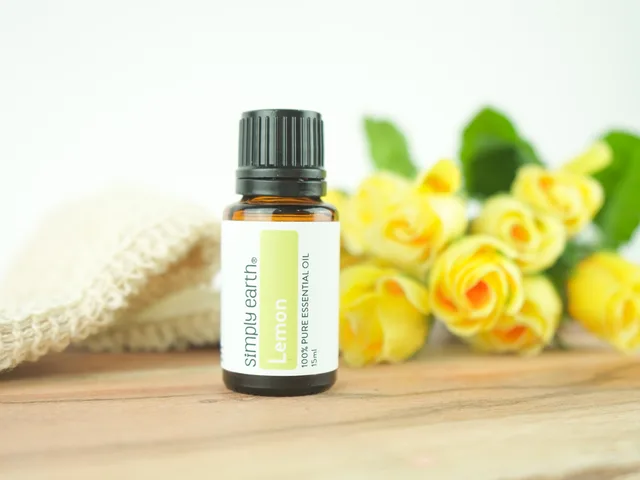
BEST FOR: DIFFUSER + SEASONAL CHANGES
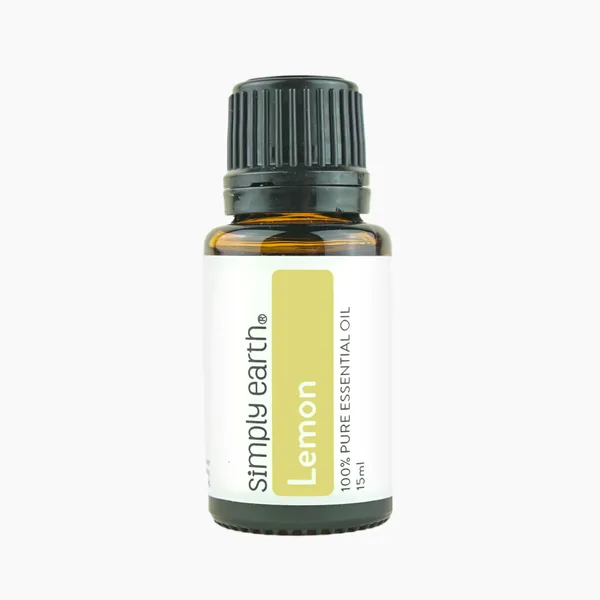
Lemon helps me feel more comfortable when the seasons change, and its bright, clean scent leaves me feeling refreshed after a long, stuffy day. It's cold pressed from the peel of Citrus limon, and it's the most budget-friendly oil on this list. I pair it with peppermint in my Invigorating Diffuser Blend for a crisp, wide-awake room in the morning.
Safety First
For ages 2 and up. If you're pregnant or breastfeeding, check with your doctor first, and skip it in the first trimester. Not sun safe on skin at dilutions above 2.5% (12 drops per ounce of carrier oil). Keep it away from cats.
AROMATHERAPIST TIP
Keep lemon in the diffuser rather than in a chest rub. You get all of the bright scent and none of the sun worries.


Safety: Ages, Pets and the Menthol Rule
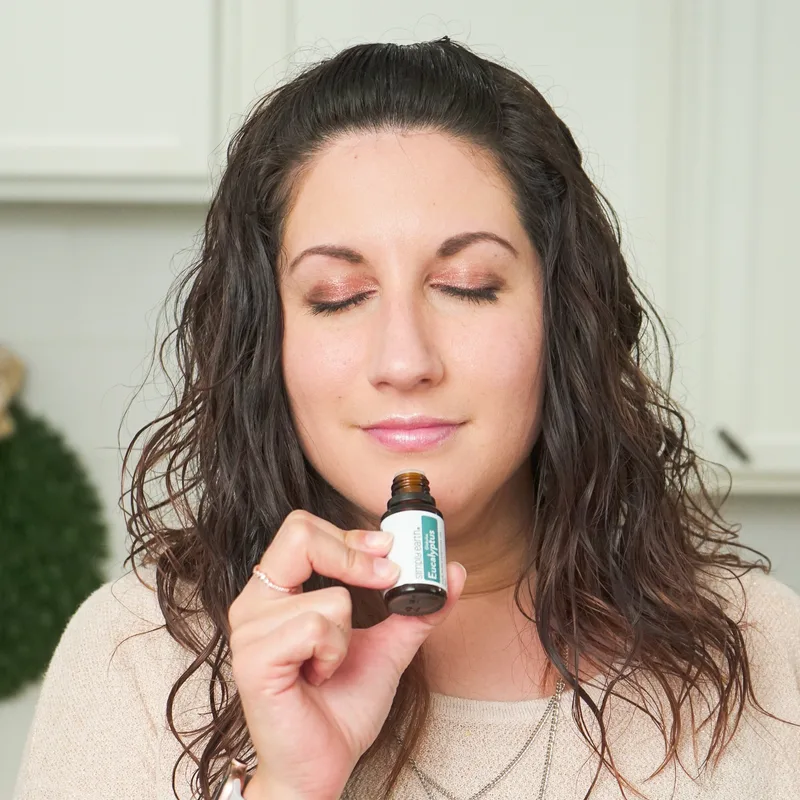
Peppermint, Eucalyptus and Peru Balsam are 10+ oils. Peppermint and Eucalyptus are the sharp, cooling oils on this list and carry the same age line for the same reason, menthol in one and 1,8-cineole in the other. Pine, Cedarwood (Atlas), Fir Needle, Tea Tree and Lemon are all safe from age two, so build a younger child's room around those instead.
Never under the nose, and never on a baby's face. A chest rub goes on the chest and upper back. Applied near the nostrils or mouth, menthol and cineole are irritating to mucous membranes, and that's true for adults as well as children.
Keep the dilution at or under 5%. That's the rate on the product records of the first five oils on this list. Peppermint specifically can cause a burning sensation above it, and more has never made a chest rub work better. Peru Balsam is much lower, at 0.5% or less.
Skip Peppermint if you have cardiac fibrillation or a G6PD deficiency. This comes straight off the product record rather than from general advice. Fir Needle is the gentle stand-in.
Only Cedarwood (Atlas) and Peru Balsam are cat and dog safe. Lemon is listed as dog safe but not cat safe. Peppermint, Pine, Eucalyptus, Fir Needle and Tea Tree are all listed as unsafe for cats and dogs, so think about where the diffuser is running.
Oils are for comfort, not for treatment. They don't shorten anything. If you feel genuinely unwell, or anything about your breathing worries you, call your doctor rather than adding a drop.
Which Oil For Which Kind of Stuffy
| The Oil | Reach For It When | Youngest Age |
|---|---|---|
| Peppermint | Stuffiness is high up behind the face and you want the coolest, quickest feeling of space, in a steam bowl or a diluted chest rub | 10+ |
| Pine | There's a younger child in the house, or you're making the classic peppermint-and-pine chest salve | 2+ |
| Eucalyptus (Globulus) | You want the easiest habit to keep, a few drops on the shower floor every shower | 10+ |
| Cedarwood (Atlas) | It's bedtime, the room has been shut up all day, and you want it to smell settled | 2+ |
| Fir Needle | The sharp oils are ruled out by age or a safety note, and you still want fresher air | 2+ |
| Peru Balsam | You want a warm, soothing balm for the throat and chest at night | 10+ |
| Tea Tree | A room feels stale and you want it to smell clean and fresh | 2+ |
| Lemon | The seasons are changing and you want a bright, refreshing diffuser blend | 2+ |
Get 10% Off the Best Essential Oils for Congestion
Enter code CONGEST10 at checkout for 10% off your whole order.
OUR SIMPLY PURE PROMISE
What Goes Into Your Products Matters
Certified 100% Pure
No fillers, no synthetics. Just pure oil.
GC/MS Third-Party Tested
Every batch independently verified.
Ethically Sourced from Quality Farms
Responsibly harvested. People and planet first.
15mL
Bottle Size
MLM brands: 10mL
Fair
Prices on Every Oil
MLM brands: Premium markups
Public
GC/MS Tests
MLM brands: Rarely
Your Order Changes Lives: 13% of profits fight human trafficking globally.

Key Takeaways
- Pick the method before the oil. Steam bowl for the most concentrated scent, shower for the habit you'll actually keep, diffuser for sleeping, chest rub for lying down.
- Peppermint feels coolest because of its minty scent, but nothing is physically clearing, and that's fine. Comfort is the goal.
- Peppermint, Eucalyptus and Peru Balsam are 10+. Pine, Cedarwood (Atlas), Fir Needle, Tea Tree and Lemon are safe from two, so those are the ones for a younger household.
- Keep every chest blend at or under 5% dilution (0.5% or less for Peru Balsam), on the chest and upper back only, never under the nose.
- If you only buy one, buy Eucalyptus for the shower. If you only make one thing, make the peppermint-and-pine chest salve in the video.
Questions People Actually Ask
What is the fastest way to use essential oils for congestion? +
A steam bowl. Two drops of peppermint or eucalyptus in a bowl of just-boiled water, a towel over your head and your eyes closed. It's the most concentrated of the four methods, so the open-air feeling is at its strongest. It's also the one to be most careful with, so keep your eyes shut and don't do it with a child under ten.
Which essential oil is safe for a congested toddler? +
Of the eight on this list, Pine, Cedarwood (Atlas), Fir Needle, Tea Tree and Lemon are all listed as safe from age two. Peppermint and Eucalyptus (Globulus) are 10+ because of their menthol and 1,8-cineole content, and Peru Balsam is 10+ too. For a toddler, a diffuser running Pine or Fir Needle for half an hour before bed is the sensible approach, not a chest rub, and never anything near the face.
Can I put eucalyptus oil directly on my chest? +
Not undiluted. Each of the first five oils on this list carries a 5% dilution rate on its product record, which means blending into a carrier such as coconut oil, almond oil or a beeswax salve before it touches skin. Peru Balsam's is much lower, at 0.5% or less. Apply to the chest and upper back, and keep it away from the nose and mouth, where the vapor is irritating to mucous membranes.
Do essential oils actually clear congestion? +
No, and it's worth being straight about it. They don't physically clear anything or fix whatever is making you feel stuffed up. What they do is create a fresh, open-air feeling that makes breathing feel easy. That's genuinely useful at the end of a miserable day, but it's a comfort measure, not a treatment.
What is the difference between Pine and Fir Needle? +
They're different trees. Pine is Pinus sylvestris and Fir Needle is Abies sibirica, both distilled from the needles. Pine is slightly warmer and woodier, Fir Needle cleaner and more obviously evergreen. Both are safe from age two, both are budget-friendly, and they blend well together. If you're choosing one, Pine for a chest salve and Fir Needle for a diffuser.
Is peppermint oil safe for everyone? +
No. Don't use it if you have cardiac fibrillation or a G6PD deficiency, and keep in mind that above a 5% dilution it can cause a burning sensation on skin. It's also unsafe around cats and dogs. Fir Needle is the closest gentle substitute for the air-freshening job.
Which of these oils is safe around pets? +
Cedarwood (Atlas) and Peru Balsam are listed as both cat safe and dog safe, and Lemon is listed as dog safe but not cat safe. Peppermint, Pine, Eucalyptus (Globulus), Fir Needle and Tea Tree are all listed as unsafe for cats and dogs, so think about where the diffuser is running and give an animal the option to leave the room.
About the Author: Katie Veldkamp
Katie Veldkamp
Certified Aromatherapist · Co-Founder, Simply Earth
Katie got hooked on oils, then got mad at the prices. So she got certified, flew to farms, and built Simply Earth so nobody has to wonder what's really in their bottle. Over 100,000 customers later, she still writes every guide herself.
The Free Essential Oil Guide
Simply Earth's free starter guide: what each oil is for, how to dilute it, and how to use it safely at home.
- What each essential oil is for
- Safe dilution and usage basics
Join 47,000+ subscribers making healthier choices naturally.
Free. No spam. Unsubscribe anytime.