5 Best Essential Oils for Bath

Katie Veldkamp
Lead Certified Aromatherapist
Fact Checked & Approved
The Best Ingredients for Your DIY Bath & Spa
A hot bath is the cheapest spa treatment there is, and essential oils are what turn it from a wash into a wind-down. Steam carries the aroma straight to your nose, warm water relaxes the muscles you have been clenching all day, and twenty minutes later you are a different person.
There is one thing worth knowing before you start, because it is the difference between a lovely soak and a red, itchy one: essential oils do not dissolve in water. Drop them straight into a full tub and they do not disperse — they float on the surface in concentrated beads, and the first thing they touch is skin. That is the cause of almost every "essential oils irritated me in the bath" story.
The fix takes ten seconds. Stir your drops into something that will carry them first — a spoonful of carrier oil, a handful of bath salts, or a scoop of a dispersant like Natrasorb Bath Powder — and then add that to the water. Simply Earth recommends a 3% dilution for general, everyday use. Do that, and every oil below is a genuine pleasure.
"The finished salts create a luxurious, spa-like bath experience — the perfect way to unwind after a long day."
— Patricia Beierle, Verified Buyer · DIY Bath Salt Kit
Below are the 5 oils we recommend most for the bath, what each one is actually good for, and the recipes our Recipe Box members already use them in.
THE BATH & SOAK SERIES
STEP 01 · COMING SOON
Natural Remedies

STEP 02
Best Oils

STEP 03 · COMING SOON
DIY Recipes

STEP 04 · COMING SOON
Master Guide

Free Guide
Get the free Essential Oil Guide
One page. Fridge-ready. Free.
BEST FOR: SLEEP, STRESS + DRY SKIN
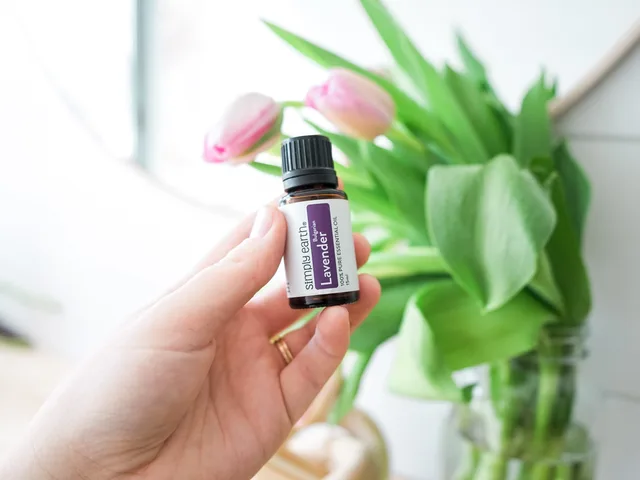
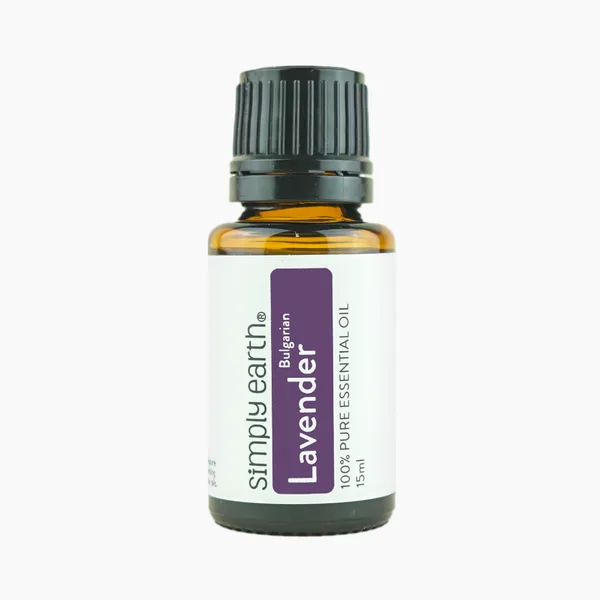
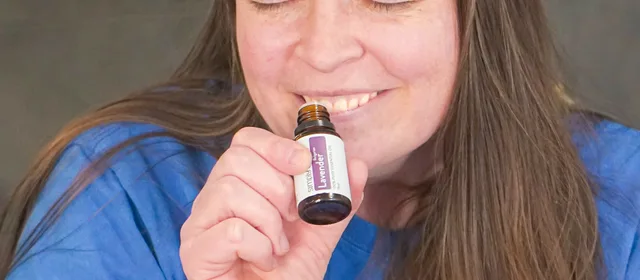
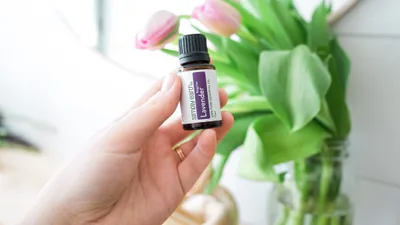
If you only ever put one oil in a bath, this is it. Lavender is the oil people reach for to sleep better and to take the edge off a stressful day, and it earns that reputation in warm water — the steam does the work for you. It is also the kindest of the five to skin, which matters when you are about to sit in it for twenty minutes: lavender is known for soothing and rejuvenating skin that is dry or irritated. The aroma is fresh and floral, unmistakable, and never sharp. Kid safe from age 2 and up.
AROMATHERAPIST TIP
Stir 5 or 6 drops into a half cup of Epsom or bath salts and let it sit for a minute so the salt absorbs the oil, then tip that into an already-full tub. The salt carries the lavender through the water instead of letting it pool on top, and it dissolves as you get in.


BEST FOR: SETTLED MOOD + CALM SKIN
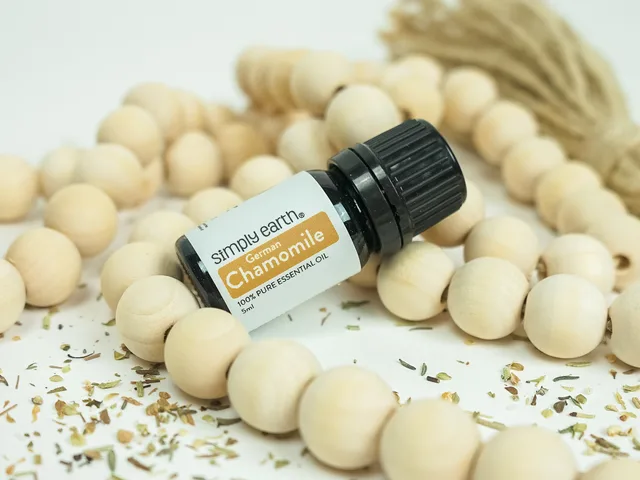
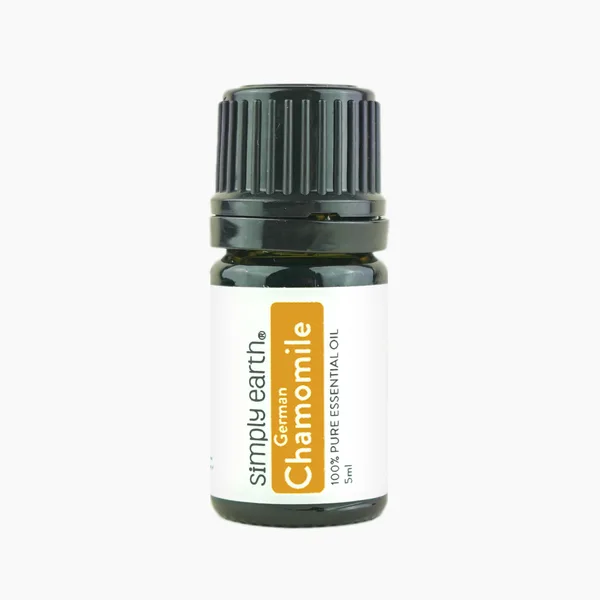
German Chamomile is the one to pick when the bath is about your skin as much as your head. It is known for uplifting and centring your mood and for promoting skin rejuvenation, and it has a reputation for helping with achy joints and congested breathing too — a lot of value in one small bottle. The aroma is sweet and warm rather than the tea-like scent people expect, and it is deep enough that a couple of drops is plenty. Note the size: this one comes as a 5mL, because true German Chamomile is expensive to distill. Kid safe from age 2 and up.
AROMATHERAPIST TIP
This is the priciest oil on the list, so do not waste it on the surface of the water. Blend 2 drops into a tablespoon of carrier oil and add that instead — you get the whole dose on your skin, and one 5mL bottle stretches across a long run of baths.
TRY IT IN →

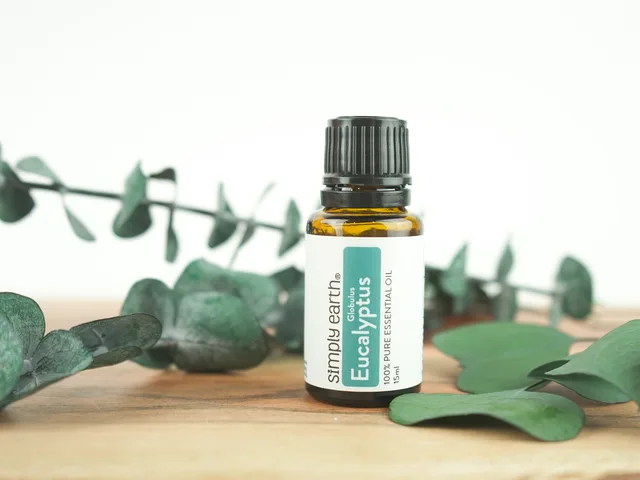
BEST FOR: CLEAR BREATHING + TIRED MUSCLES
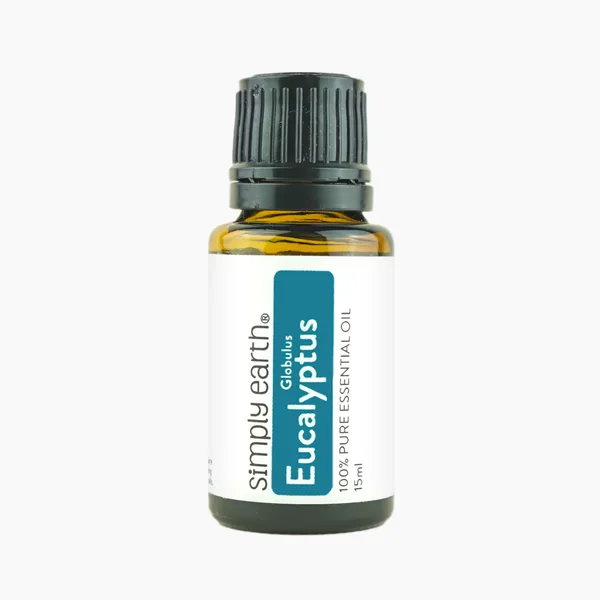
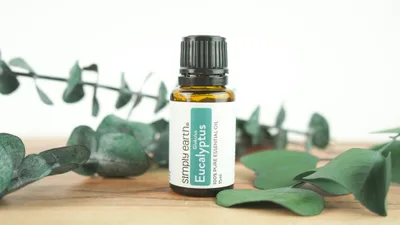
Eucalyptus is the reason a hot bath feels so good when you are stuffy. It is a favourite for supporting respiratory health and immunity, it helps with seasonal discomfort, and it cleanses and soothes muscles that have had a hard day — which makes it the pick after a workout or a long walk. It has also been known to soothe pesky itching. The clean, herbaceous aroma is genuinely energising, so save this one for a morning or mid-afternoon soak rather than the last thing before bed. Kid safe from age 10 and up, not younger.
AROMATHERAPIST TIP
If your nose is blocked, run the bath hot and add the eucalyptus once you are already in — the first two minutes of steam are the ones that clear your head. Keep it to 3 or 4 drops in a carrier. Eucalyptus is strong, and more is not better here.


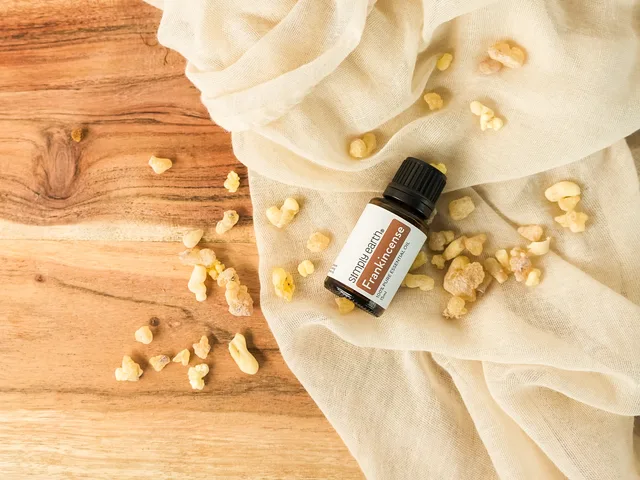
BEST FOR: JOINTS, SKIN + CENTERING
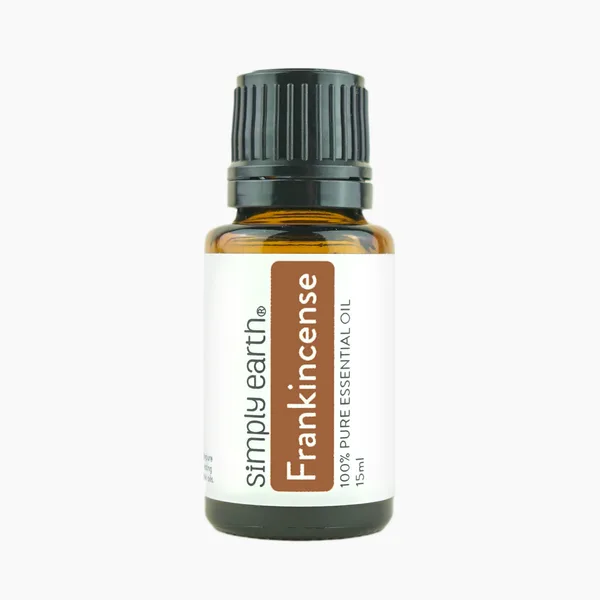
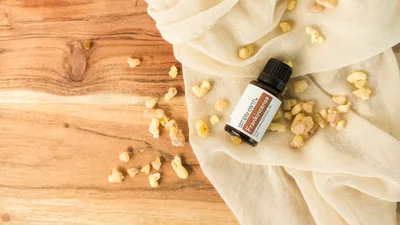
Frankincense turns a bath into something closer to a ritual. It brings a properly luxurious spicy, woody aroma to the water, and the list of reasons people use it is long: it supports joint function, boosts immunity, promotes youthful skin, and is known for promoting hormone balance. Where it stands apart from the other four is the head — frankincense helps you centre and settle, which is why it turns up in so many evening and quiet-time blends. If your bath is the twenty minutes you get to yourself, this is the oil for it. Kid safe from age 2 and up.
AROMATHERAPIST TIP
Pair 3 drops of frankincense with 3 of lavender in a spoonful of carrier oil. It is the most reliable evening bath blend we know — the lavender loosens the body and the frankincense quiets the running commentary in your head.


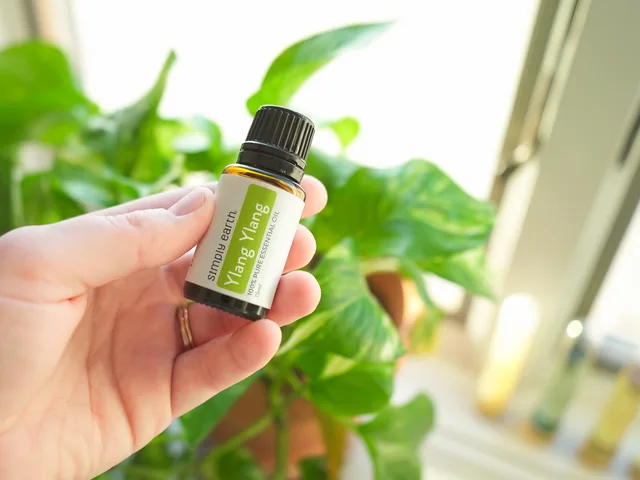
BEST FOR: MOOD + SKIN GLOW
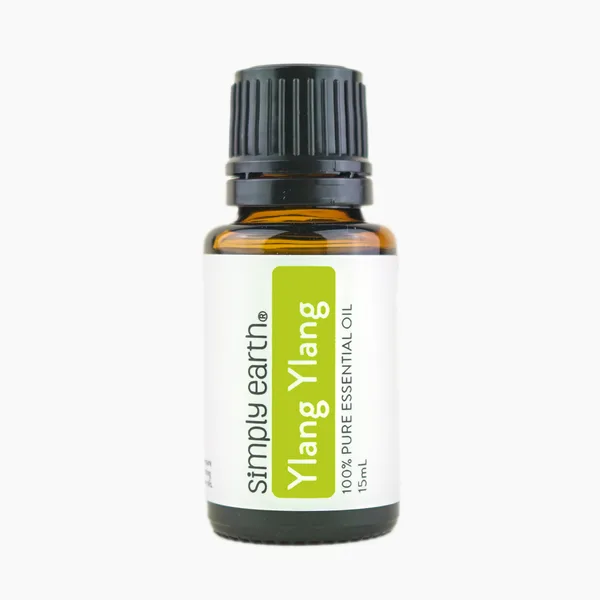
Ylang Ylang is the indulgent one. It is the choice when you want a bath to lift and energise your mood rather than send you straight to sleep, and it helps you centre at the same time — a combination none of the others quite manage. It is also known for promoting youthful skin, and for soothing the scalp while thickening hair, which makes it worth reaching for on a wash night. The aroma is sweet and heavily floral, and it is potent: one drop is usually enough. Kid safe from age 10 and up.
AROMATHERAPIST TIP
Start with a single drop. Ylang Ylang is the easiest oil here to overdo, and a bath that smelled beautiful at one drop is overwhelming at four. On a hair-wash night, mix it into a carrier oil and work it through your scalp before you get in, then rinse off in the bath.


Which Oil for Which Bath
Match the soak you actually want to the oil that delivers it
| The Bath You Want | The Oil | Aroma + Kid Safety |
|---|---|---|
| Wind down and sleep better | Lavender | Fresh & Floral · Kid safe 2+ |
| Calm skin and a settled mood | Chamomile (German) | Sweet & Warm · Kid safe 2+ |
| Clear breathing and tired muscles | Eucalyptus (Globulus) | Clean & Herbaceous · Kid safe 10+ |
| A grounding, unhurried soak | Frankincense | Spicy & Woody · Kid safe 2+ |
| Mood lift and a skin glow | Ylang Ylang | Sweet & Floral · Kid safe 10+ |
Get 10% Off the Best Essential Oils for Bath
All five oils from this page, ready for your next soak — 10% off with code BATH10 at checkout.
OUR SIMPLY PURE PROMISE
What Goes Into Your Bath Matters
Certified 100% Pure
No fillers, no synthetics. Just pure oil.
GC/MS Third-Party Tested
Every batch independently verified.
Ethically Sourced from Quality Farms
Responsibly harvested. People and planet first.
15mL
Bottle Size
MLM brands: 10mL
$11.99+
Per 15mL Oil
MLM brands: $25–55+
Public
GC/MS Tests
MLM brands: Rarely
Your Order Changes Lives: 13% of profits fight human trafficking globally.

Key Takeaways
- Never drop neat oil into the tub — essential oils do not dissolve in water. They float in concentrated beads, and the first thing they touch is skin. That is what causes almost every irritation story.
- Dilute or disperse first, then add it — stir your drops into a carrier oil, bath salts, or a dispersant like Natrasorb Bath Powder. Simply Earth recommends a 3% dilution for general, everyday use.
- Fill the tub before you add anything — hot running water flashes the aroma off before you get in, and leaves the oil sitting in one concentrated spot instead of spread through the water.
- Match the oil to the soak — lavender to wind down, eucalyptus for blocked breathing and tired muscles, frankincense to feel grounded, ylang ylang for a mood lift, chamomile for skin.
- Check the age rating before a kid gets in — lavender, chamomile and frankincense are kid safe from 2+. Eucalyptus and ylang ylang are 10+ only.
Essential Oils for Bath FAQ
The questions people actually ask before they run the water — dilution, drop counts, kid safety and the slippery tub.
Can you put essential oils directly in bath water? +
Not neat, no. Essential oils do not dissolve in water, so undiluted drops float on the surface in concentrated beads and meet your skin at full strength — which is how people end up irritated. Always mix them into a carrier oil, bath salts, or a dispersant such as Natrasorb Bath Powder first, then add that to the tub.
How much essential oil should I use in a bath? +
Simply Earth recommends a 3% dilution for general wellness and daily use, which for a bath means a few drops carried in a spoonful of carrier oil or a scoop of salts rather than a big pour. Start low — 3 to 6 drops total is plenty for one tub, and potent oils like ylang ylang need only one.
Which essential oil is best for a relaxing bath? +
Lavender, by a wide margin. It is the oil people reach for to sleep better and to take the edge off stress, it is the gentlest of the five on skin, and it is kid safe from age 2 up. Frankincense is the next best pick if you want something warmer and more grounding.
Are essential oil baths safe when pregnant, breastfeeding, or for children? +
Take extra care. If you are pregnant or breastfeeding, consult your doctor before using essential oils in the bath. Children under two should not use them at all, and the age ratings matter above that — lavender, chamomile and frankincense are kid safe from 2+, while eucalyptus and ylang ylang are 10+.
Should I add essential oils before or after filling the tub? +
After. Fill the tub first, then add your diluted oils. If you add them to running hot water, the heat evaporates much of the aroma before you get in, and the oils are more likely to sit in one concentrated spot instead of spreading evenly through the water.
Can I use essential oils in the bath if I have cuts or scratches? +
Wait until you have healed. Essential oils can irritate broken skin and make an open cut or scratch considerably more uncomfortable, so skip the oils for that soak and come back to them once the skin has closed up.
Why is my bathtub slippery after an essential oil bath? +
Oils coat the tub surface, and that residue is genuinely slick. Use a non-slip mat or lay a towel down before you get in, and clean the tub after each soak — baking soda or ordinary soap lifts the oil residue and leaves it ready for next time.
About the Author: Katie Veldkamp
Katie Veldkamp
Certified Aromatherapist · Co-Founder, Simply Earth
Katie got hooked on oils — then got mad at the prices. So she got certified, flew to farms, and built Simply Earth so nobody has to wonder what's really in their bottle. Over 100,000 customers later, she still writes every guide herself.
The Free Essential Oil Guide
Simply Earth's free starter guide — what each oil is for, how to dilute it, and how to use it safely at home.
- What each essential oil is for
- Safe dilution and usage basics
Join 47,000+ subscribers making healthier choices naturally.
Free. No spam. Unsubscribe anytime.