9 Best Essential Oils for Fall

Katie Veldkamp
Lead Certified Aromatherapist
Fact Checked & Approved
Sweater weather is the easy part. The rest of fall is dry indoor air, a house that smells like a closed-up house, heavy meals, and daylight gone before dinner. These nine oils are the ones worth actually buying — with what each one is genuinely for, and the Simply Earth recipes that already use it.
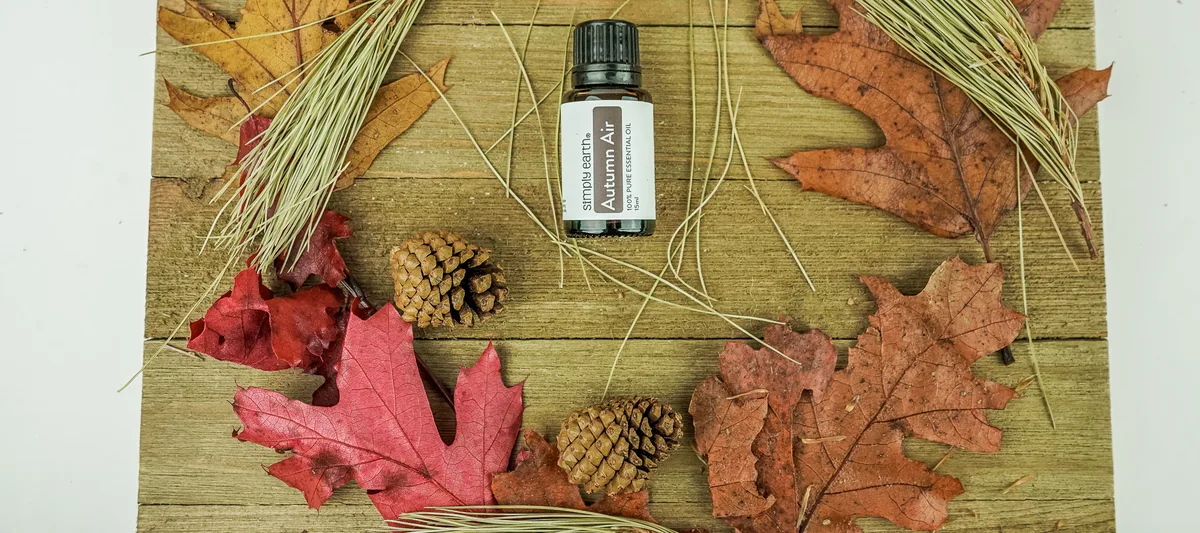
Falling Into Fall Essential Oil Diffuser Blend
Fall is the season people most want their house to smell like something. It is also the season the house gets sealed up, the windows stop opening, and every scent — good and bad — stays put. That is why autumn is when the diffuser comes back out of the cupboard.
The oils that work now are not the ones that worked in July. Summer wants bright and thin. Fall wants weight: warm spice, dry wood, an earthy base note that holds a room instead of burning off in twenty minutes. The nine below are picked for that, plus the practical jobs the season actually brings — heavy meals, dry air, and short grey afternoons.
One note on what these do. Each profile below sticks to what the oil is genuinely known for. Where other roundups turn every warm spice oil into a respiratory remedy, we have left that out. We publish what we can stand behind.
THE FALL ESSENTIAL OILS SERIES
STEP 01 · COMING SOON
Natural Remedies

STEP 02
Best Oils

STEP 03 · COMING SOON
Diffuser Recipes

STEP 04 · COMING SOON
Master Guide

In this Guide
Free Guide
Get the free Essential Oil Guide
One page. Fridge-ready. Free.
BEST FOR: CALM + WARMTH
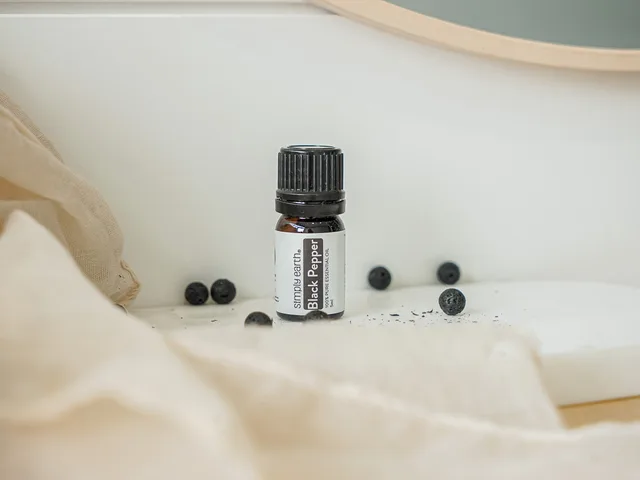
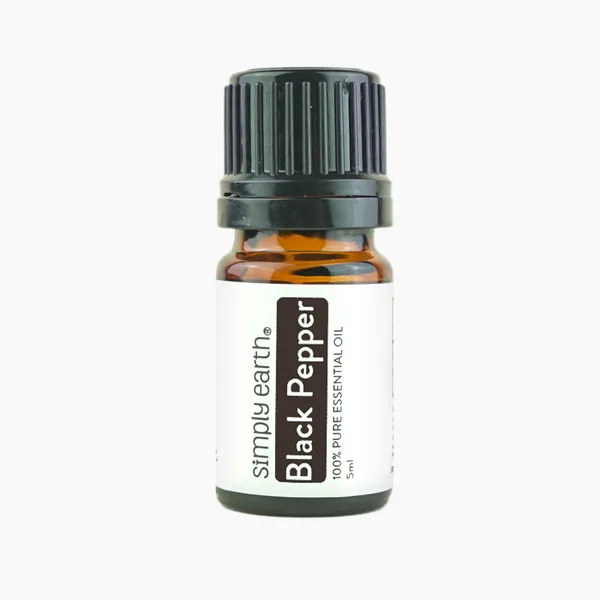
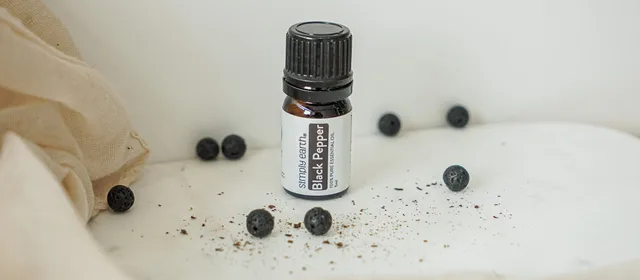
Black pepper is the oil people underestimate. It smells exactly like what it is, sharp and dry and peppery, but in a blend it does something no citrus can — it adds heat and body without the sugary edge cinnamon brings. Simply Earth lists it as calming, and that is the honest version of what it does. A drop or two grounds a diffuser blend that would otherwise float away by mid-afternoon.
AROMATHERAPIST HACK
Use black pepper at one drop to every four of something brighter. It is a supporting actor, not a lead. One drop in a citrus blend reads as warmth. Three drops reads as a spice rack.


BEST FOR: REST + COZY EVENINGS
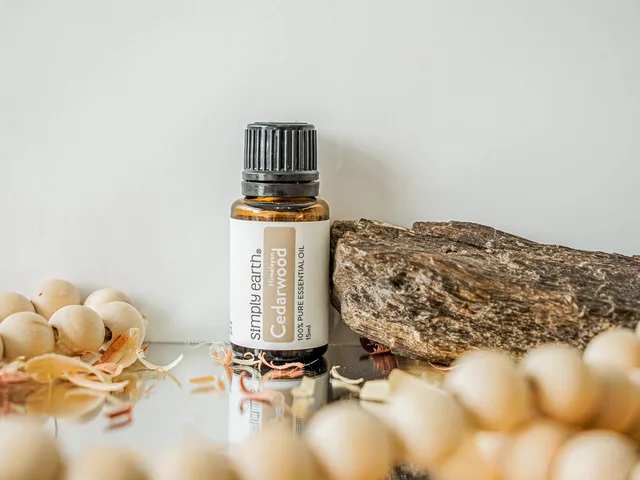
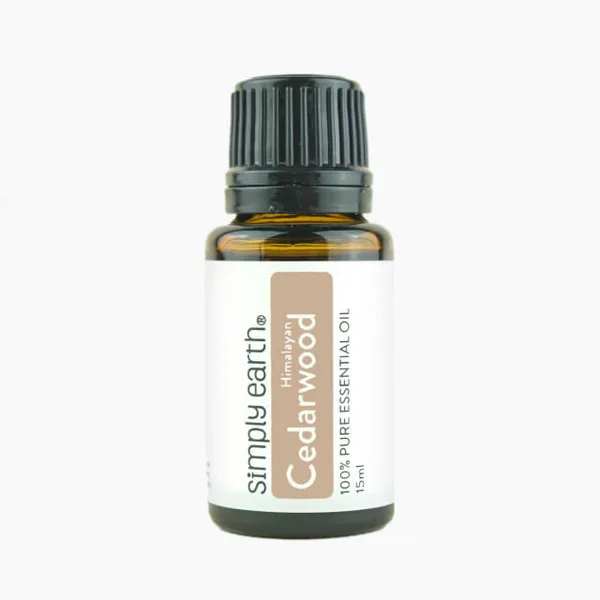
Dry, woody and faintly sweet, Himalayan cedarwood is the closest a bottle gets to the smell of a wood-panelled room. Simply Earth lists it for promoting rest and deterring insects, which makes it the evening oil of this list — the one you reach for after dinner rather than at 8am. It is also the cheapest oil here at $10.99, so it is a forgiving place to start experimenting with woody base notes.
AROMATHERAPIST HACK
Cedarwood is a base note, which means it evaporates slowly and keeps a diffuser blend going long after the citrus has burned off. Add it last and let it do the anchoring.


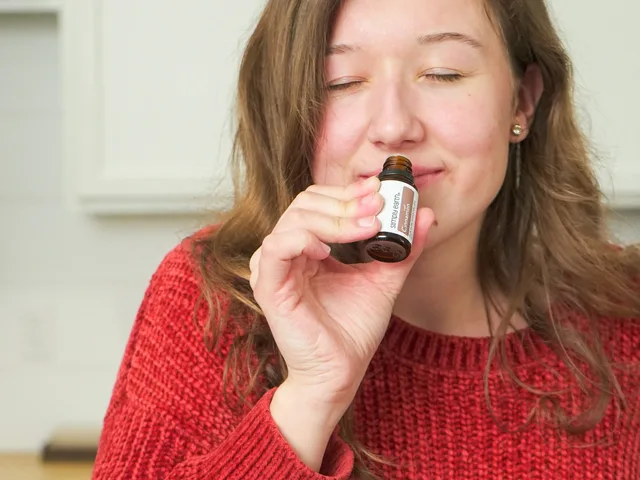
BEST FOR: THE CLASSIC AUTUMN AROMA
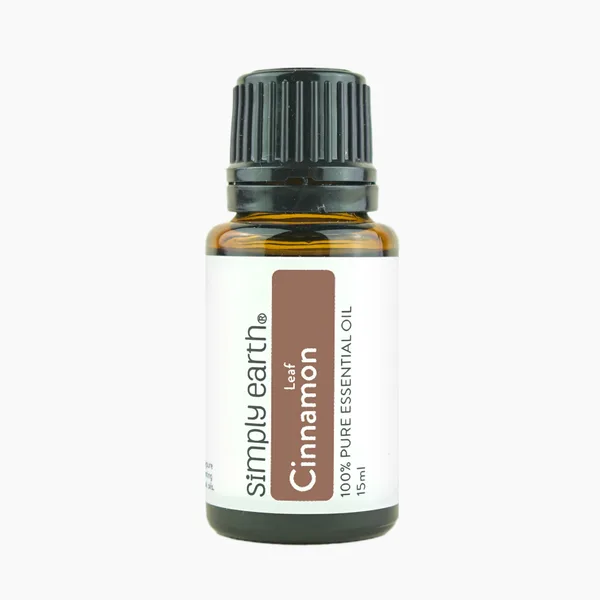
If you buy only one oil off this list, make it this one. Cinnamon leaf is the smell people are chasing when they say they want the house to smell like fall. Simply Earth's is USDA and MOSA Certified Organic, and this oil is known for supporting heart wellness and promoting circulation. Note that this is cinnamon leaf rather than cinnamon bark — leaf is the gentler of the two and the one better suited to home use.
SAFETY FIRST
Cinnamon is a hot oil. Keep it to 1% or less in anything that touches skin, roughly 6 drops per ounce of carrier, and never apply it neat. In a diffuser, one or two drops is plenty for a whole room.


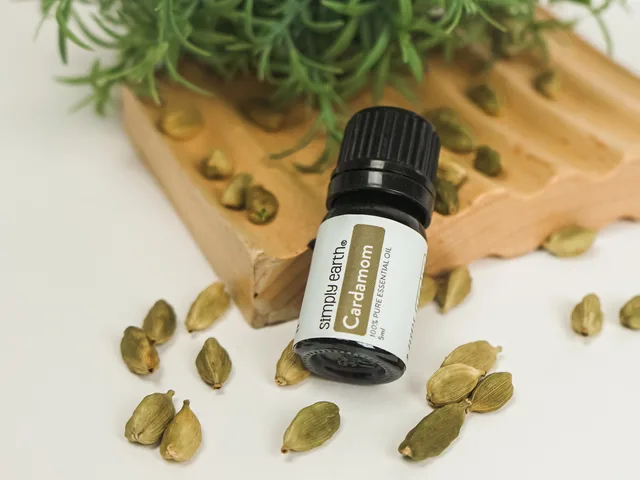
BEST FOR: SWEET, WOODY DEPTH
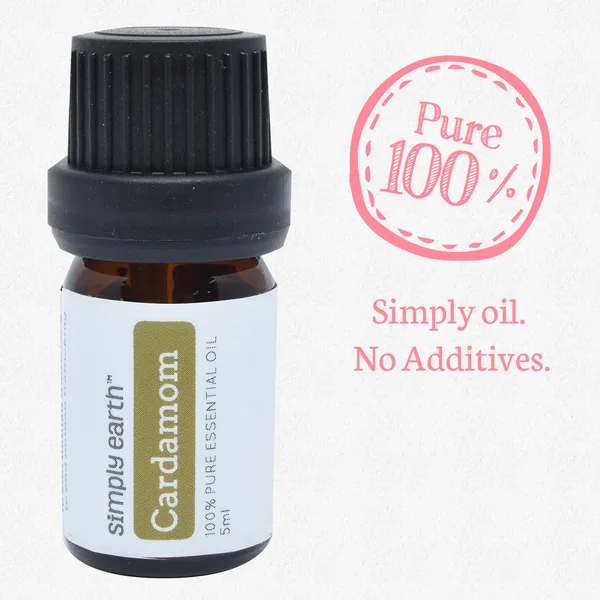
Cardamom is the most interesting oil on this list and the most expensive at $19.99 — sweet and woody at once, closer to chai than to a spice cabinet. Simply Earth lists it for supporting women's wellness and romantic feelings. Where cinnamon is the obvious fall note, cardamom is the one that makes a blend smell considered rather than seasonal-generic.
AROMATHERAPIST HACK
Cardamom and orange is the shortcut to a chai-adjacent diffuser blend. Three drops sweet orange, two drops cardamom, one drop cinnamon leaf. That is a whole autumn in six drops.


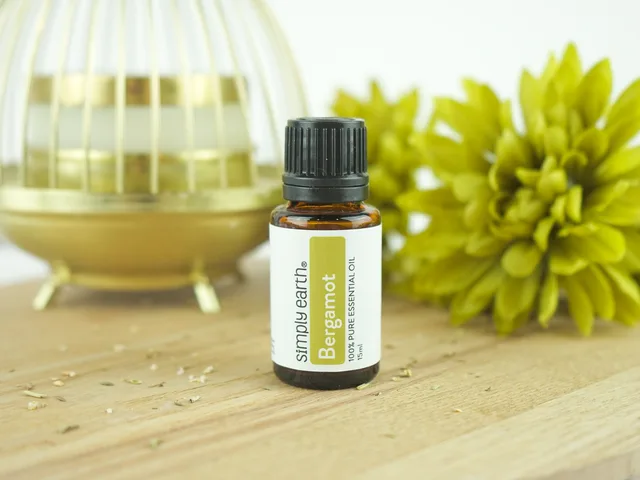
BEST FOR: UPLIFT WHEN THE LIGHT GOES
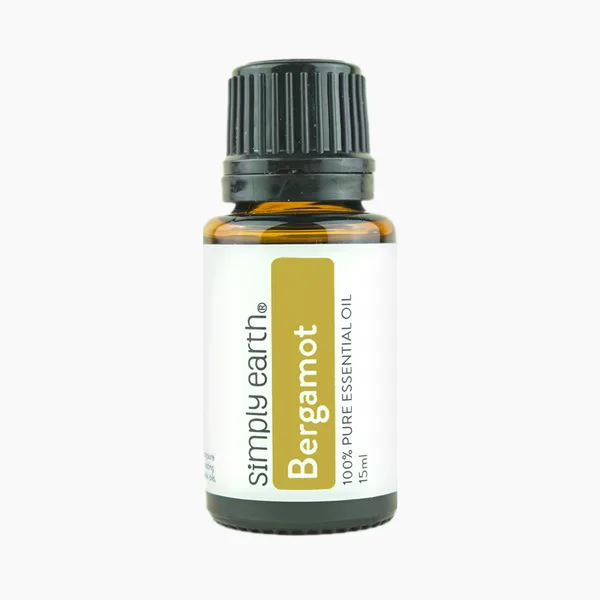
Every warm-spice list needs one bright oil or the whole thing turns heavy, and bergamot is the right one — citrusy and floral rather than straight orange. Simply Earth lists it as uplifting and calming, an unusual pair and exactly what a four-o-clock sunset calls for. It is the oil that keeps a fall blend from smelling like a candle shop.
SAFETY FIRST
Bergamot is a citrus oil and can leave skin more sensitive to sunlight. Keep it in the diffuser, or keep treated skin out of direct sun. The diffuser is the easier answer and where it shines anyway.


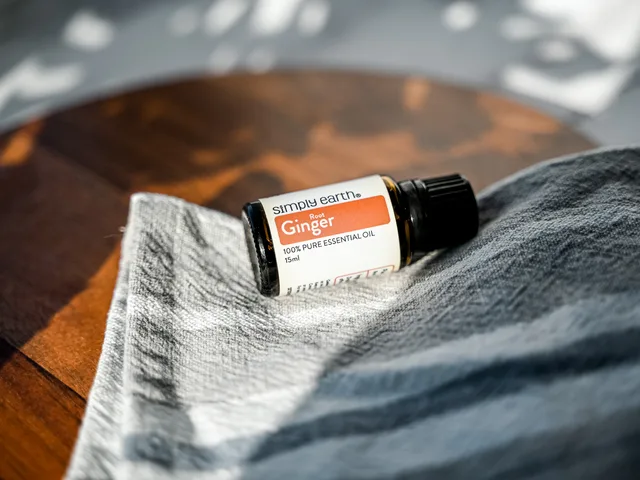
BEST FOR: DIGESTION + STOMACH WELLNESS
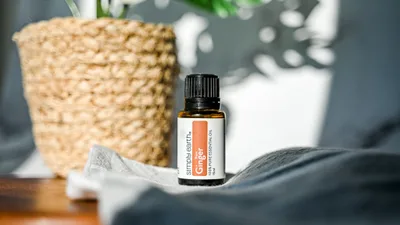
Fall is the start of the eating season, and ginger earns its place here on practical grounds rather than aromatic ones. Simply Earth lists it for aiding digestion and promoting stomach wellness. The aroma is warm and citrusy, less sharp than fresh ginger and closer to the dried root, and it sits comfortably between the spice oils and the citrus ones in a blend.
AROMATHERAPIST HACK
Diluted in a carrier and massaged over the stomach in a slow clockwise circle is the traditional way to use ginger after a big meal. Keep it at 2% or under and give it ten minutes.
TRY IT IN →


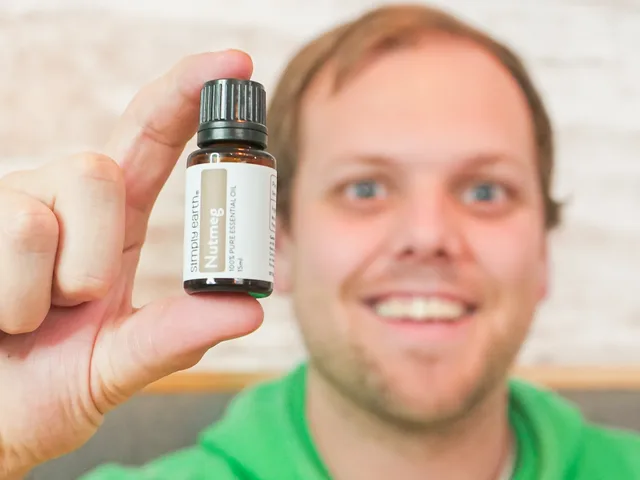
BEST FOR: DIGESTION + THE SMELL OF BAKING
Nutmeg is spicy and nutty, and it is the one oil here that genuinely smells like something coming out of an oven. Simply Earth lists it, like ginger, for aiding digestion and promoting stomach wellness. It is more potent than its mild reputation suggests, so it belongs firmly in the one-or-two-drop category rather than the free-pour one.
AROMATHERAPIST HACK
Nutmeg plus a citrus is the trick for a kitchen that should smell like baking without anything actually baking. Two drops nutmeg, four drops sweet orange, running while guests arrive.


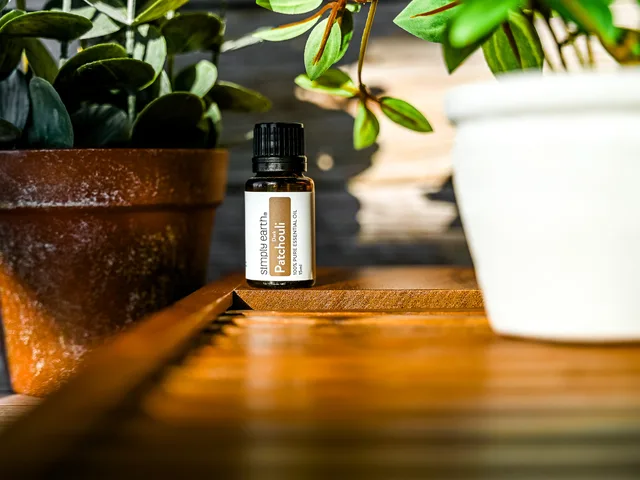
BEST FOR: DEODORIZING + GROUNDING SCENT
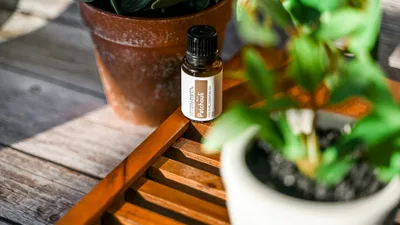
Patchouli has a reputation problem and it is undeserved. Dark patchouli is earthy and musky, and in small amounts it does for a fall blend what a bass line does for a song — you notice its absence more than its presence. Simply Earth lists it for deodorizing and detoxifying, which makes it genuinely useful in a house that has stopped opening its windows.
AROMATHERAPIST HACK
Patchouli improves with age, unlike nearly every citrus oil in your cupboard. If a bottle has been sitting for a couple of years, that is the better one to open.


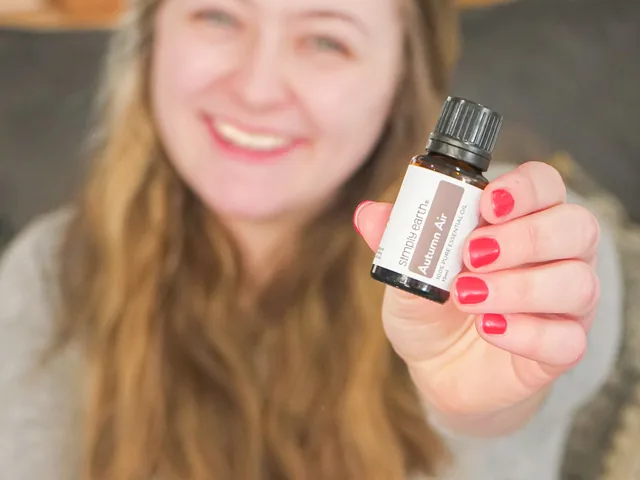
BEST FOR: THE WHOLE SEASON IN ONE BOTTLE
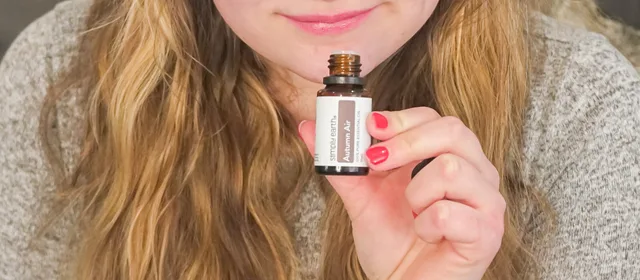
If blending sounds like work, this is the shortcut. Autumn Air is five oils already balanced for the season — Cassia, Orange, Lemon, Balsam Fir and Ho Wood — spice, citrus and evergreen in one bottle. Simply Earth lists the blend under cleaning, and at $12.99 it costs less than most of the single oils it stands in for. There is a full oil-by-oil breakdown of this blend in the series links below.
AROMATHERAPIST HACK
Autumn Air is the bottle to hand someone who has never used oils before. No blending decisions, no ratios, and it smells like the season on the first try — which is what keeps a new diffuser in use past week two.

Fall Oil Matrix
Nine oils, matched to the thing you are actually trying to fix
| The Fall Problem | The Oil | What It Is Actually For |
|---|---|---|
| A room that smells shut-in | Patchouli (Dark) | Deodorizes and detoxifies — earthy base note that holds |
| You want the obvious fall smell | Organic Cinnamon Leaf | Warm and spicy — the scent people mean by autumn |
| Winding down after dinner | Cedarwood (Himalayan) | Promotes rest — dry, woody, slow to fade |
| A blend that feels flat | Black Pepper | Calming — adds heat and body without sweetness |
| Grey afternoons, early sunsets | Bergamot | Uplifts and calms — the bright note in a heavy blend |
| A very large meal | Ginger Root | Aids digestion and promotes stomach wellness |
| You want the house to smell like baking | Nutmeg | Spicy and nutty — oven aroma without the oven |
| Something more interesting than cinnamon | Cardamom | Sweet and woody — chai-adjacent, not spice-rack |
| You do not want to blend anything | Autumn Air Blend | Five oils pre-balanced for the season, $12.99 |
Get 10% Off the Best Essential Oils for Fall
Use code FALL10 for 10% off any of the nine oils on this page. Real prices, real bottles, no blending required.
Black Pepper Essential Oil
Cedarwood Himalayan Essential Oil
Organic Cinnamon Leaf Essential Oil
Cardamom Essential Oil
Bergamot Essential Oil
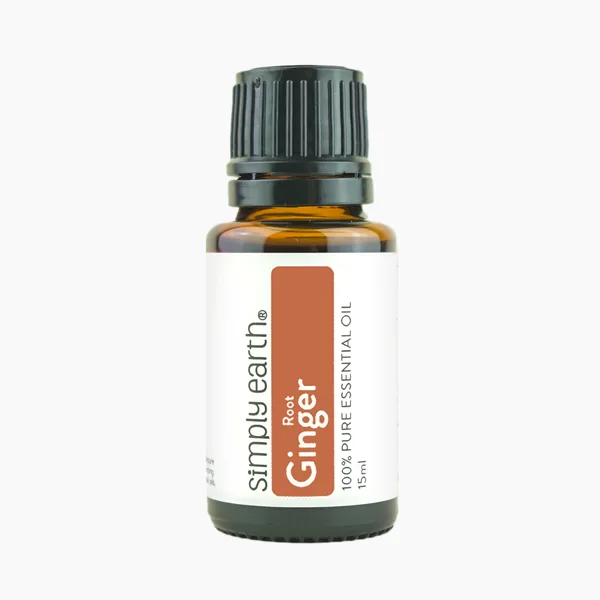
Ginger Root Essential Oil
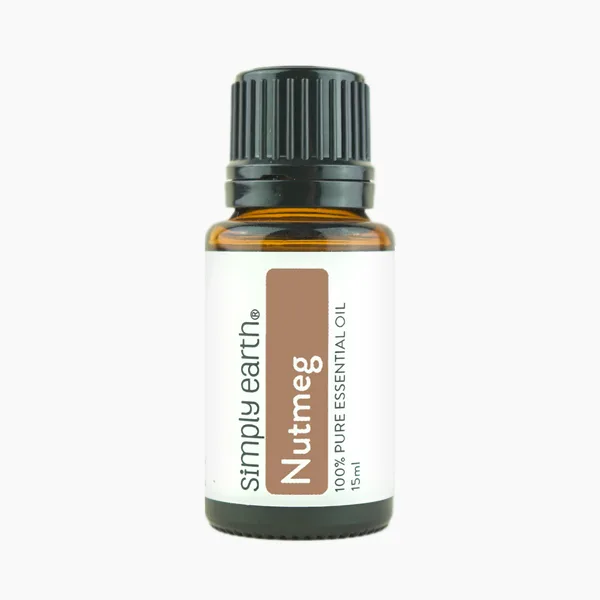
Nutmeg Essential Oil
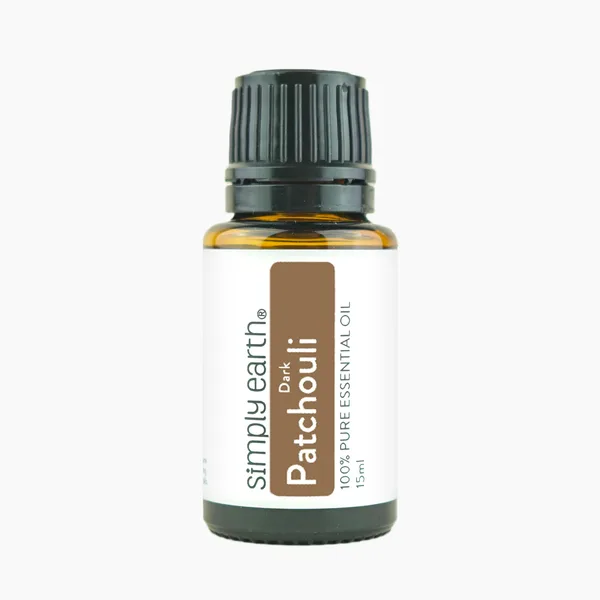
Patchouli (Dark) Essential Oil
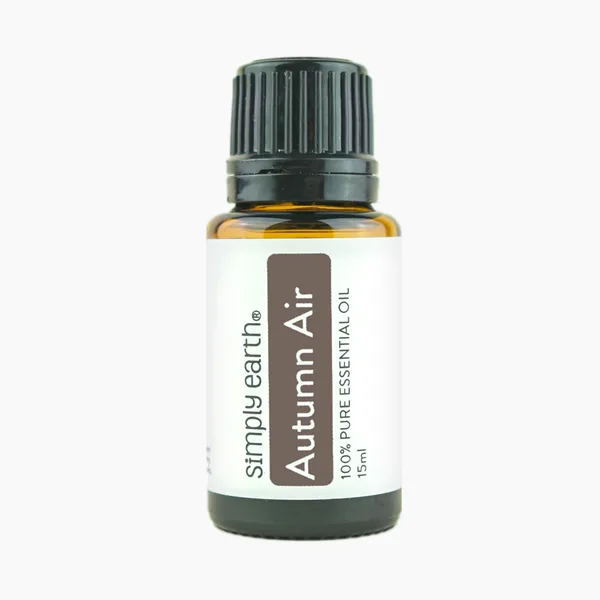
Autumn Air Essential Oil Blend
OUR SIMPLY PURE PROMISE
What Goes Into Your Products Matters
Certified 100% Pure
No fillers, no synthetics. Just pure oil.
GC/MS Third-Party Tested
Batch-specific reports available with every bottle.
Ethically Sourced from Quality Farms
Responsibly harvested. People and planet first.
15mL
Bottle Size
MLM brands: 10mL
$10–20
Per Oil
MLM brands: $25–55+
Public
GC/MS Tests
MLM brands: Rarely
Your Order Changes Lives: 13% of profits fight human trafficking globally.

Key Takeaways
- Cinnamon leaf is the one to buy first — it is the scent people mean when they say they want the house to smell like fall, and it is the only oil here that is USDA and MOSA Certified Organic.
- Fall blends need a base note or they vanish — cedarwood or patchouli will still be in the room an hour after the citrus has gone.
- One bright oil stops the whole thing turning heavy — bergamot is the counterweight to four warm spice oils, not a contradiction of them.
- Start spice oils low and build — one drop of black pepper or nutmeg reads as warmth, three reads as a spice rack. Cinnamon stays at 1% or less on skin.
- Autumn Air skips the decisions entirely — five oils already balanced for the season, at $12.99 less than most single oils on this list.
Frequently Asked Questions
The questions people actually ask about using essential oils in fall — scent, safety and how much to use.
What essential oils smell like fall? +
The warm spice oils are the core of it — cinnamon leaf, nutmeg, black pepper, cardamom and ginger — plus a woody base like cedarwood or patchouli to give it depth. Most people also want one citrus in there, which is where bergamot or sweet orange comes in. Autumn Air combines the same idea in one bottle using Cassia, Orange, Lemon, Balsam Fir and Ho Wood.
What is the best essential oil blend for fall? +
If you want a ready-made one, Autumn Air is Simply Earth's seasonal blend at $12.99. If you would rather mix your own, a reliable starting ratio is four drops sweet orange, two drops cardamom and one drop cinnamon leaf — citrus for lift, cardamom for depth, cinnamon for the unmistakable autumn note.
How do you make your house smell like fall with essential oils? +
A diffuser is the simplest route and needs only five to eight drops total for an average room. Beyond that, a simmer pot with a few drops added to the water works well in a kitchen, and DIY candles or room sprays hold a scent longer in rooms you are not standing in. Start with fewer drops than you think, since spice oils build up in a closed-up house.
How many drops of essential oil should I use in a fall diffuser blend? +
Five to eight drops total is right for most rooms and most diffusers. With spice oils, keep them to one or two of that total and let citrus or wood make up the rest — cinnamon and nutmeg in particular will dominate a blend quickly.
Is cinnamon essential oil safe to use around pets? +
Cinnamon is a strong oil and several warm spice oils are not recommended around cats and dogs. Diffuse in a well-ventilated room, never in a closed space an animal cannot leave, and check with your vet before diffusing around pets — particularly cats, who metabolize essential oils differently.
Which fall essential oils are safest for kids? +
Cedarwood is generally the gentlest option on this list. The hot spice oils — cinnamon especially, along with nutmeg and black pepper — are the ones to be most careful with around young children. Dilute well, diffuse rather than apply, and speak to your pediatrician about your child's age before starting.
Can I put fall essential oils directly on my skin? +
Not undiluted. Every oil on this list should be diluted in a carrier oil before skin contact, and cinnamon leaf in particular needs to stay at 1% or under, which is about 6 drops per ounce. Bergamot can also leave skin more sensitive to sunlight, so keep treated skin covered or use it in a diffuser instead.
Go Deeper on These Oils
Two of These Oils Have Full Profiles
About the Author: Katie Veldkamp
Katie Veldkamp
Certified Aromatherapist · Co-Founder, Simply Earth
Katie got hooked on oils — then got mad at the prices. So she got certified, flew to farms, and built Simply Earth so nobody has to wonder what is really in their bottle. Over 100,000 customers later, she still writes every guide herself.
The Free Essential Oil Guide
Simply Earth's free starter guide — what each oil is for, how to dilute it, and how to use it safely at home.
- What each essential oil is for
- Safe dilution and usage basics
Join 47,000+ subscribers making healthier choices naturally.
Free. No spam. Unsubscribe anytime.