8 Best Essential Oils for Deodorant

Katie Veldkamp
Lead Certified Aromatherapist
Fact Checked & Approved
Everything You Need to Know About Making Natural Deodorant
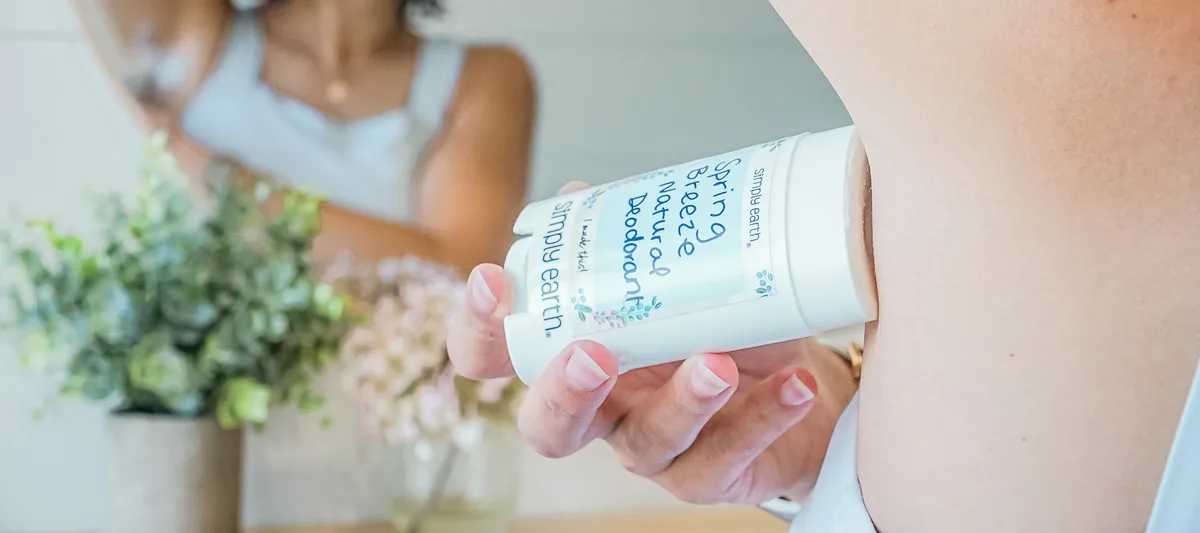
Store-bought deodorant usually leans on aluminum or a wall of synthetic fragrance. Homemade deodorant works a different way: the base absorbs moisture, and the essential oils help clear away stale, lingering smells.
That's why this list isn't just "eight pleasant scents." Every oil here is one Simply Earth lists for neutralizing odors, and each one brings something else to the stick too, whether that's a fresh, clean feel, a lift for your mood, or a scent that lasts past lunch.
Below are the 8 best essential oils for deodorant that I reach for when I make my own, with the dilution rate for each one, the two that aren't sun safe on skin, and a Simply Earth recipe to make with every oil.
THE NATURAL DEODORANT SERIES
STEP 01 · COMING SOON
Natural Remedies

STEP 02
Best Oils

STEP 03 · COMING SOON
DIY Recipes

STEP 04 · COMING SOON
Making the Switch

Free Guide
Get the free Essential Oil Guide
One page. Fridge-ready. Free.
BEST FOR: EVERYDAY FRESHNESS
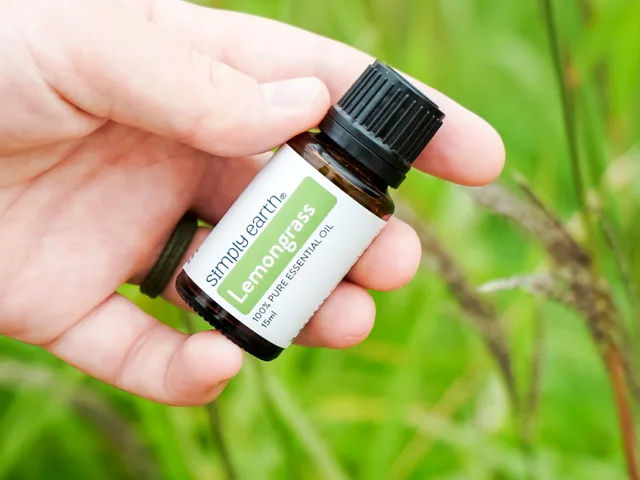
If you only add one oil to a homemade deodorant, I'd make it this one. Lemongrass leaves you feeling refreshed and renewed, which is exactly what you want from something you put on first thing in the morning, and it neutralizes odors. It's one of the two oils in my Stay Fresh Mineral Deodorant. Bright, grassy and citrusy, it reads as clean rather than perfumed.
Safety First
May be used on children 10+. Not recommended during pregnancy or breastfeeding. Use at 0.7% or less on skin (about 4 drops per ounce), and avoid it if you have eczema or very reactive skin. Avoid eyes. If you take antidepressant medication, talk to your doctor before using this oil.
AROMATHERAPIST HACK
Stick to the dilution. Going heavier with lemongrass is the most common reason a homemade stick starts to sting by day three.


BEST FOR: MAKING THE SCENT HOLD
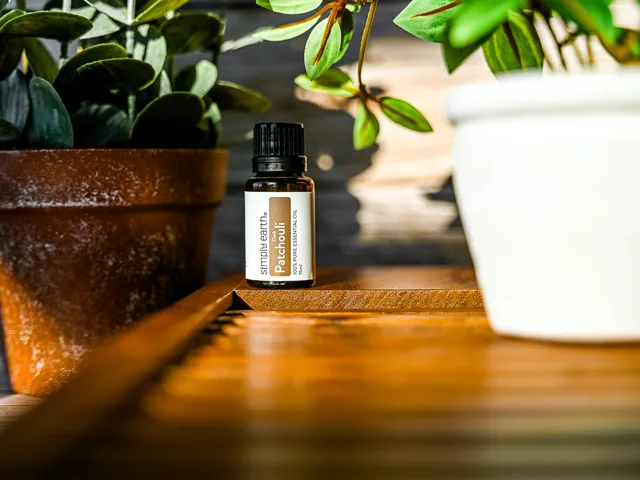
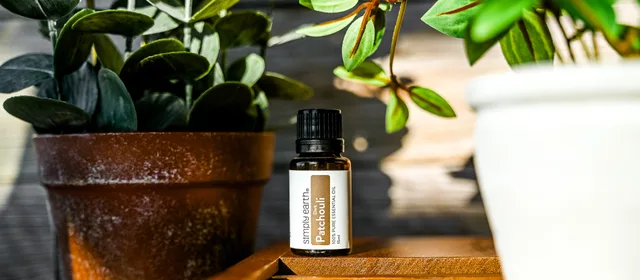
Patchouli (Pogostemon cablin) does two jobs at once. It neutralizes odors, and it's a classic perfumery fixative: a heavy base note that slows down how fast the lighter oils fade. That's the difference between a deodorant that smells great for twenty minutes and one you can still catch at lunchtime. It also promotes a positive outlook, and it's the oil in my Pioneer Deodorant.
Safety First
Kid safe 2+. If you're pregnant or breastfeeding, check with your doctor first, and skip it in the first trimester. Follow dilution instructions.
AROMATHERAPIST HACK
Use patchouli as 10 to 15% of your oil blend, never the whole thing. At that ratio it stops reading as patchouli and just quietly holds the rest of the blend in place all day.


BEST FOR: A CRISP, OUTDOORSY SCENT
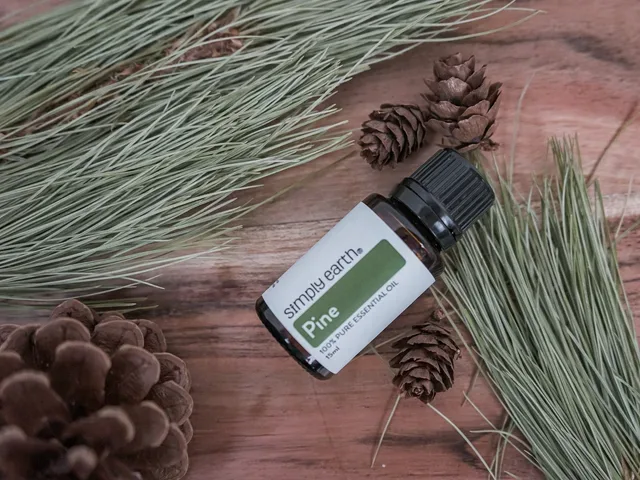
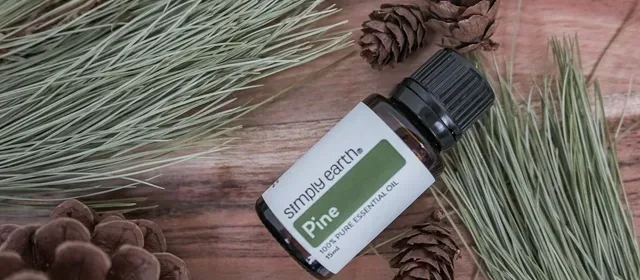
Pine (Pinus sylvestris) helps you feel awake, alert and refreshed, and it neutralizes odors, which makes it a great oil for a morning or post-workout stick. It smells like a walk in the woods, crisp and green without being sharp. It's in two of my deodorant recipes, Spring Breeze and Fresh Natural, so it's well tested in exactly this job.
Safety First
Kid safe 2+. If you're pregnant or breastfeeding, check with your doctor first, and skip it in the first trimester. Follow dilution instructions.
AROMATHERAPIST HACK
Pine and lemongrass make a fresh, unisex pair. Try three drops of pine to one of lemongrass per ounce if you want something that smells clean without smelling floral.


BEST FOR: A HOT, STICKY DAY
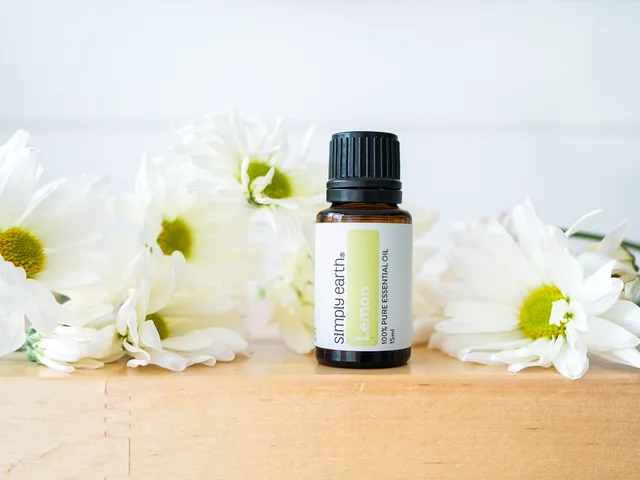
Lemon Eucalyptus (Eucalyptus citriodora) leaves you feeling refreshed and renewed, and it neutralizes odors. It smells like lemon with a fresh, herbal edge, so it brings the bright citrus feel people love without the sun caution that comes with some citrus oils. I like it for summer, when a deodorant needs to feel as fresh at 4pm as it did at 8am.
Safety First
Kid safe 2+. If you're pregnant or breastfeeding, check with your doctor first, and skip it in the first trimester. Avoid this oil if you have high blood pressure or epilepsy. Follow dilution instructions.
AROMATHERAPIST HACK
If you want citrus in a deodorant you'll wear in the sun, use lemon eucalyptus. Pair it with patchouli so the bright top note lasts longer.


BEST FOR: A WARMER, SOFTER WOODY SCENT
Balsam Fir (Abies balsamea) promotes a positive outlook, and it neutralizes odors too. It's the sweeter, softer cousin of pine: still evergreen, but cozy rather than crisp. If you like a woody deodorant but find pine a bit bracing, try this instead. It also encourages a grounded, steady feeling, which is nice on a busy morning.
Safety First
Kid safe 2+. If you're pregnant or breastfeeding, check with your doctor first, and skip it in the first trimester. Follow dilution instructions. Keep the cap on: oil that has been left open for long periods is more likely to irritate skin.
AROMATHERAPIST HACK
Balsam fir and patchouli make a warm, woodsy stick that still smells good at the end of the day. Try two drops of fir to one of patchouli per ounce.


BEST FOR: A BRIGHT TOP NOTE (LOW DILUTION ONLY)
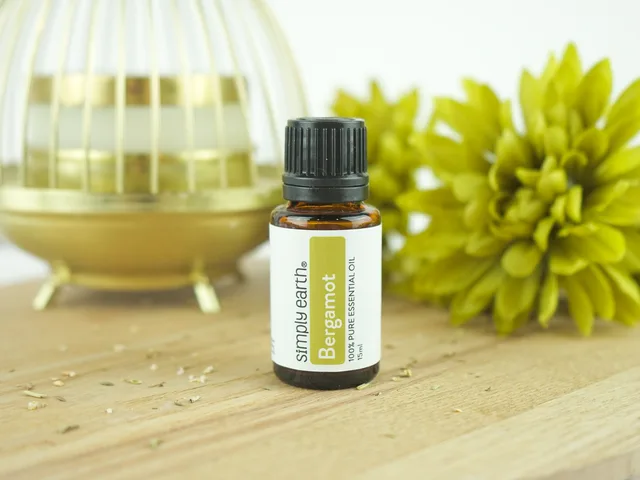
Bergamot (Citrus bergamia) supports feelings of joy and neutralizes odors, and it's the most sophisticated scent on this list: citrusy and slightly floral. It's the top note that makes a homemade deodorant smell genuinely nice. It does come with one real restriction for an underarm product, so read the Safety First note before you make a batch.
Safety First
Kid safe 2+. If you're pregnant or breastfeeding, check with your doctor first, and skip it in the first trimester. Not sun safe: it may be used at 1 to 2 drops per ounce of carrier (0.4%) without being phototoxic; above that, avoid sun and tanning beds after applying. If you have diabetes, monitor your blood sugar regularly while using it.
AROMATHERAPIST HACK
Two drops per ounce is the whole allowance, so bergamot is your accent. Lemongrass or pine still has to carry the recipe.


BEST FOR: A LIFT, IF YOU STAY COVERED
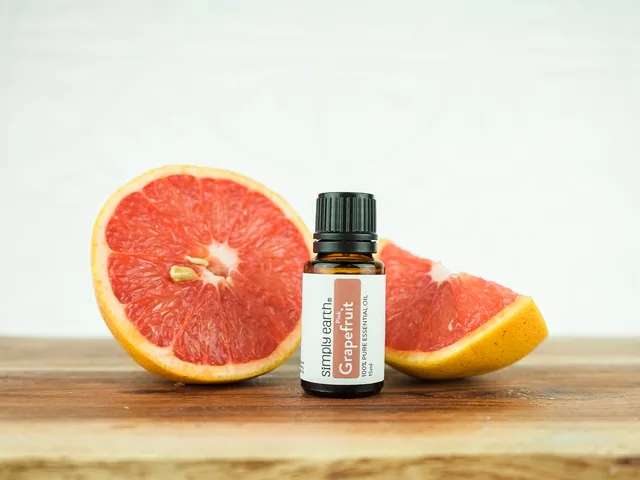
Grapefruit (Citrus paradisi) leaves you feeling refreshed and renewed, and it neutralizes odors. It makes a deodorant that smells like a good morning: bright, sweet and juicy. Like bergamot, it isn't sun safe on skin, so for an underarm product that's a real constraint, not a footnote.
Safety First
Kid safe 2+. If you're pregnant or breastfeeding, check with your doctor first, and skip it in the first trimester. Not sun safe: avoid direct sunlight after using it on skin. Use at 1% or less for children and 4% or less for adults.
AROMATHERAPIST HACK
For a summer deodorant, swap grapefruit for lemon eucalyptus. You keep the bright, clean impression and lose the sun caution.


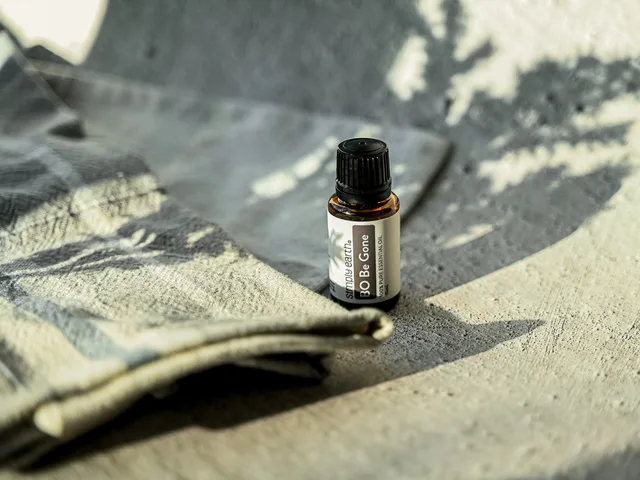
BEST FOR: NEUTRALIZING ODORS WITHOUT BLENDING
Everything above is a single oil you balance yourself. BO Be Gone is the Simply Earth blend made to help clear away stale, lingering smells, already balanced for you. It also promotes a positive outlook, with a fresh, floral scent. It's in three of my deodorant recipes: Stay Fresh, Woodland Spice and Spring Breeze.
Made with
Patchouli, Ylang Ylang, Sandalwood, Lavender and Sweet Orange.
Safety First
May be used on children 10+. Not recommended during pregnancy or breastfeeding. May inhibit blood clotting, so talk to your doctor first if you take blood-thinning medication or have a bleeding disorder.
AROMATHERAPIST HACK
If you want the result without making anything, the BO Be Gone Roll-On is the same blend pre-diluted to 3% and ready to use.

Oil vs. Deodorant Job Matrix
Pick by the scent and the job you actually want
| What You Need | The Oil | Why It Works (and the Watch-Out) |
|---|---|---|
| One oil that just works | Lemongrass | Fresh and clean. Keep it to 0.7% |
| Scent that lasts past lunch | Patchouli (Dark) | Earthy fixative. Use as 10 to 15% of the blend |
| A crisp, unisex scent | Pine | Woodsy and refreshing. In two of my deodorant recipes |
| Citrus you can wear in the sun | Lemon Eucalyptus | Lemony and bright, and sun safe |
| Woody, but softer than pine | Balsam Fir | Sweet evergreen that lifts your mood |
| The nicest top note | Bergamot | Not sun safe above 0.4% (1 to 2 drops per oz) |
| A cheerful citrus lift | Grapefruit (Pink) | Also not sun safe. Stay covered after applying |
| No blending at all | BO Be Gone Blend | Made to neutralize odors. Ages 10+, not for pregnancy |
Get 10% Off the Best Essential Oils for Deodorant
Enter code DEODORANT10 at checkout for 10% off your whole order.
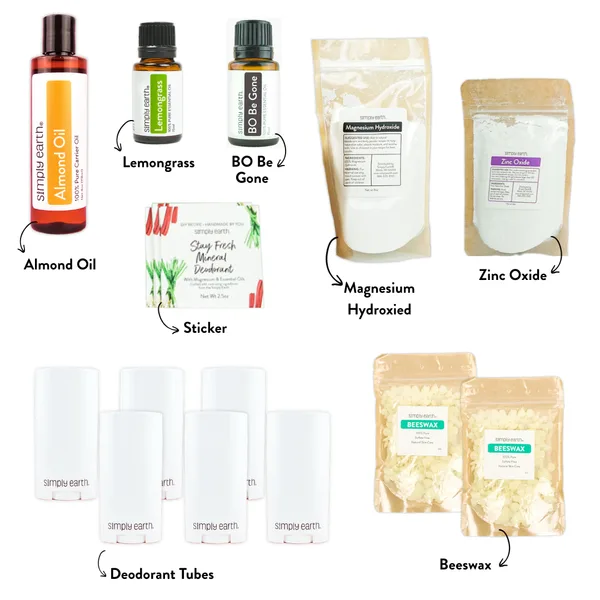
DIY Natural Deodorant Kit
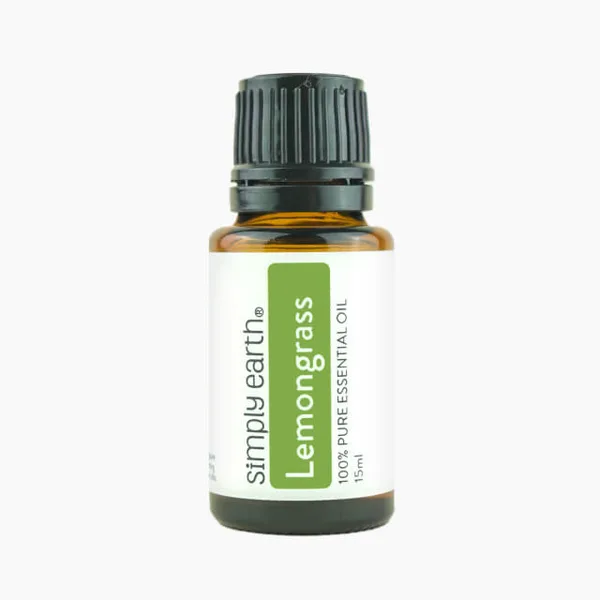
Lemongrass Essential Oil
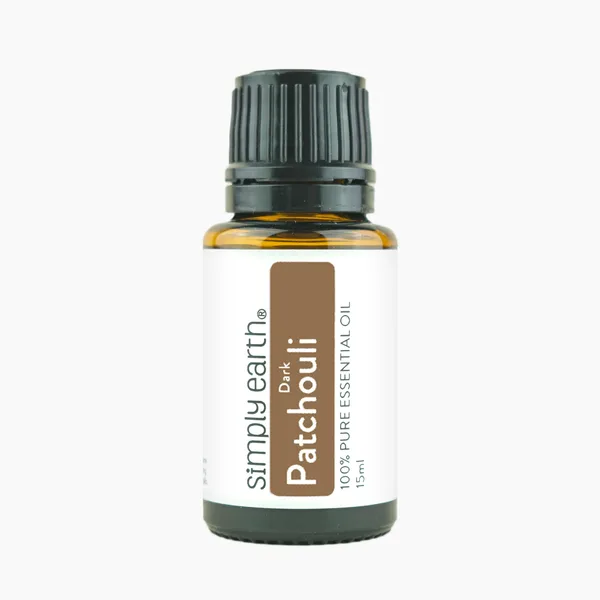
Patchouli (Dark) Essential Oil
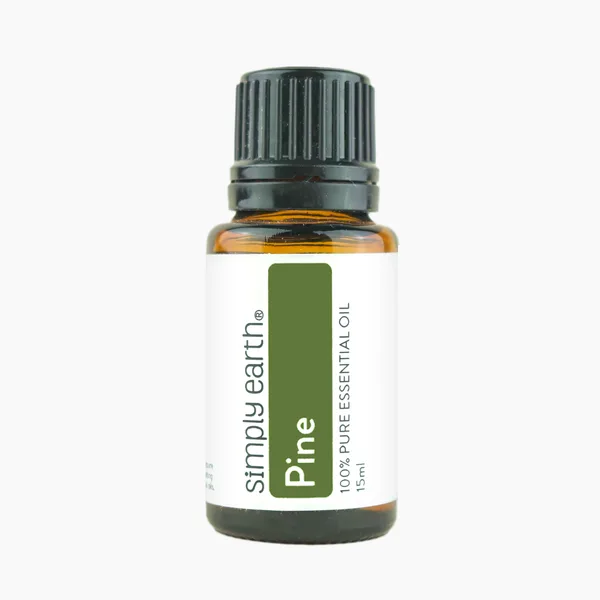
Pine Essential Oil
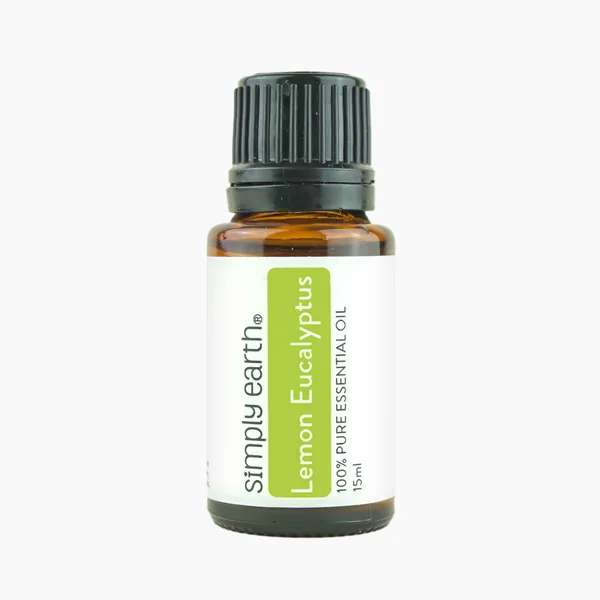
Lemon Eucalyptus Essential Oil
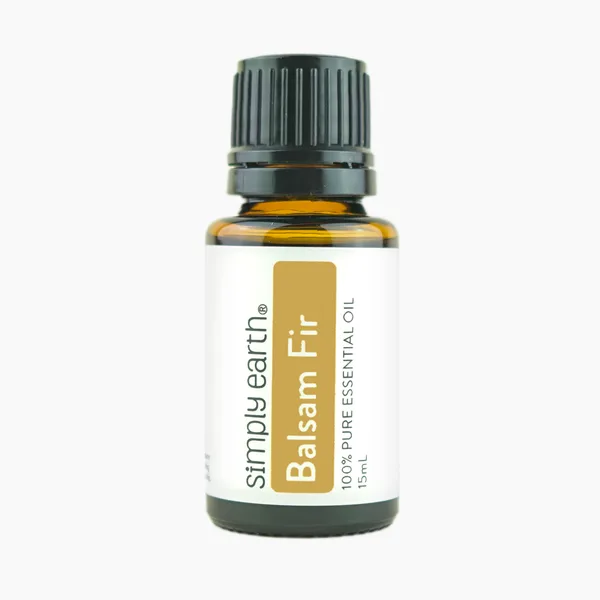
Balsam Fir Essential Oil
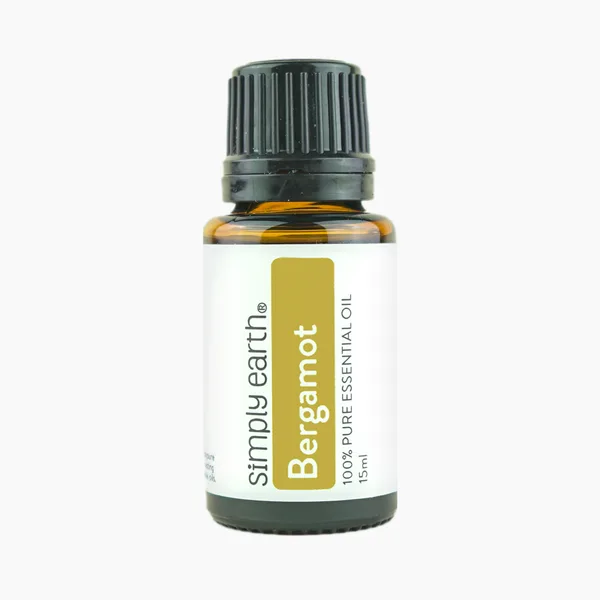
Bergamot Essential Oil
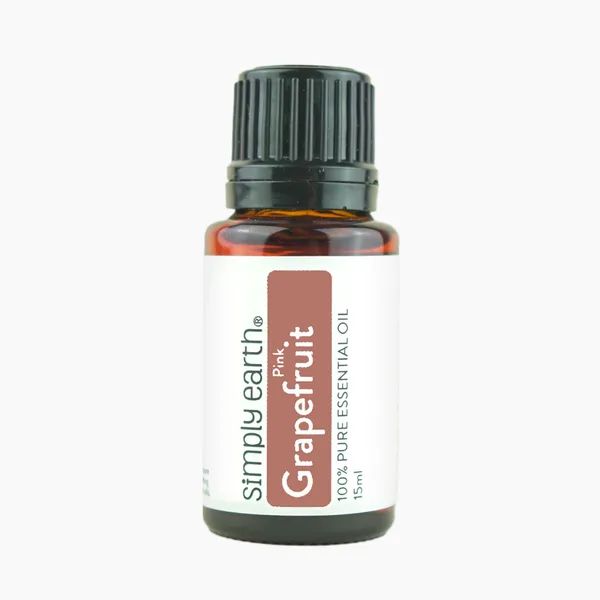
Grapefruit (Pink) Essential Oil
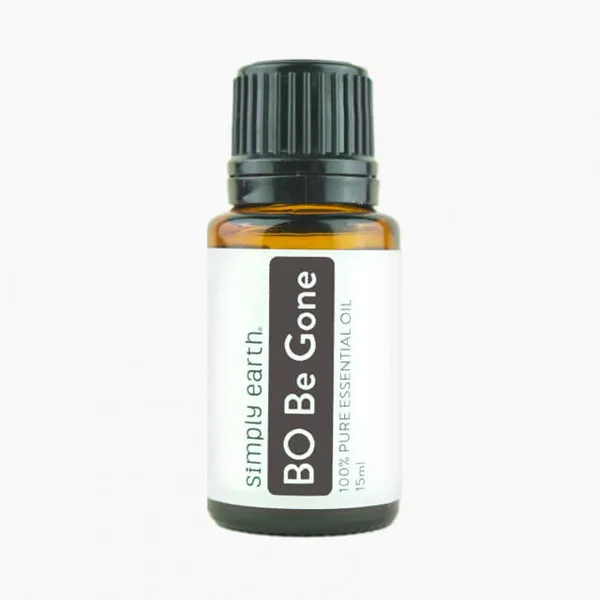
BO Be Gone Essential Oil Blend
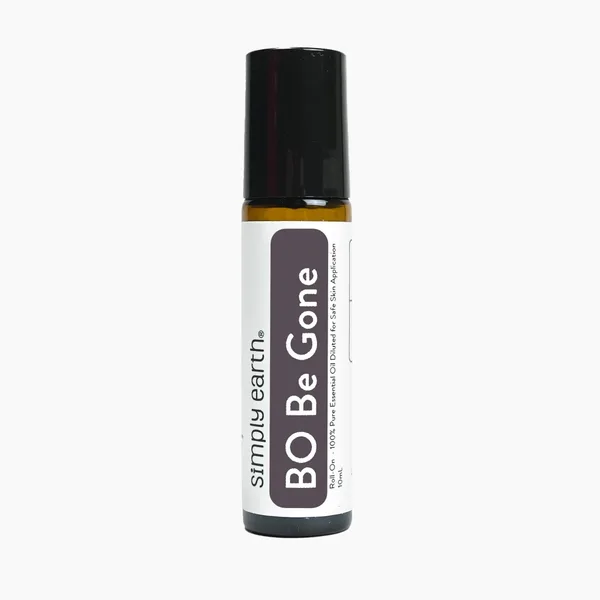
BO Be Gone Roll-On
OUR SIMPLY PURE PROMISE
What Goes Under Your Arms Matters
Certified 100% Pure
No fillers, no synthetics. Just pure oil.
GC/MS Third-Party Tested
Batch-specific reports with every bottle.
Ethically Sourced from Quality Farms
Responsibly harvested. People and planet first.
15mL
Bottle Size
MLM brands: 10mL
Budget-friendly
Most Oils on This List
MLM brands: Pricier
Public
GC/MS Tests
MLM brands: Rarely
Your Order Changes Lives: 13% of profits fight human trafficking globally.

Key Takeaways
- Lemongrass is the one to start with. It neutralizes odors, it's in my Stay Fresh Mineral Deodorant, and it smells clean rather than perfumed. Keep it at 0.7% or less.
- Patchouli is what makes it last. As a fixative at 10 to 15% of your blend, it stops the lighter oils fading by mid-morning.
- Bergamot and grapefruit aren't sun safe on skin. That's a real constraint for something you put on before going out. Bergamot is fine at 1 to 2 drops per ounce; above that, stay covered.
- Check the age before gifting. Patchouli, pine, lemon eucalyptus, balsam fir, bergamot and grapefruit are listed for ages 2 and up, but lemongrass and the BO Be Gone blend are 10+.
Frequently Asked Questions
The questions people actually ask before making their first batch of natural deodorant.
Which essential oils are best for deodorant? +
The ones that neutralize odors. Lemongrass, patchouli, pine, lemon eucalyptus, balsam fir, bergamot, grapefruit and the BO Be Gone blend all help clear away stale, lingering smells. Essential oils don't stop you sweating; that's the job of the clay, arrowroot or magnesium base in a homemade recipe.
How much essential oil do I put in homemade deodorant? +
It depends on the oil, which is the part most recipes gloss over. Keep lemongrass at 0.7% or less, about 4 drops per ounce. Keep bergamot at about 0.4%, 1 to 2 drops per ounce, if you'll be in the sun. Patchouli, pine, lemon eucalyptus and balsam fir follow the standard dilution instructions; check the Safety First note on each card.
Which essential oils should I be careful with in deodorant? +
Bergamot and grapefruit aren't sun safe on skin, which matters for a product you apply before going out. Skip lemongrass during pregnancy and breastfeeding, and keep lemongrass and the BO Be Gone blend for ages 10 and up.
Why does my homemade deodorant irritate my underarms? +
Usually one of two things. Either the recipe is heavy on baking soda, a common cause of the redness people hit when they switch, or the essential oil is over-concentrated. My Stay Fresh Mineral Deodorant is built on magnesium hydroxide and zinc oxide rather than baking soda for exactly this reason.
What happens when I switch to natural deodorant? +
Many people notice an adjustment period after they stop using an aluminum antiperspirant, and it usually settles on its own. A gentle, low-dilution deodorant is the most comfortable thing to use while your skin gets used to the change.
Which oils does Simply Earth use in its own deodorant recipes? +
BO Be Gone and Lemongrass are the two essential oils in my Stay Fresh Mineral Deodorant. Pioneer Deodorant uses Patchouli, Spring Breeze uses BO Be Gone and Pine, Fresh Natural uses Pine, and Woodland Spice uses BO Be Gone again.
How long does homemade deodorant last? +
A batch keeps for months at room temperature. The fixative oils keep it smelling right: patchouli slows the lighter oils from fading, so a blend built with it holds its scent noticeably longer than one built on citrus alone.
Go Deeper on the Key Oils
Read Up on the Two That Matter Most
About the Author: Katie Veldkamp
Katie Veldkamp
Certified Aromatherapist · Co-Founder, Simply Earth
Katie got hooked on oils, then got mad at the prices. So she got certified, flew to farms, and built Simply Earth so nobody has to wonder what's really in their bottle. Over 100,000 customers later, she still writes every guide herself.
The Free Essential Oil Guide
Simply Earth's free starter guide: what each oil is for, how to dilute it, and how to use it safely at home.
- What each essential oil is for
- Safe dilution and usage basics
Join 47,000+ subscribers making healthier choices naturally.
Free. No spam. Unsubscribe anytime.