
What Are Hydrosols? Benefits, Uses & How to Make Your Own

Katie Veldkamp
Lead Certified Aromatherapist
Fact Checked & Approved
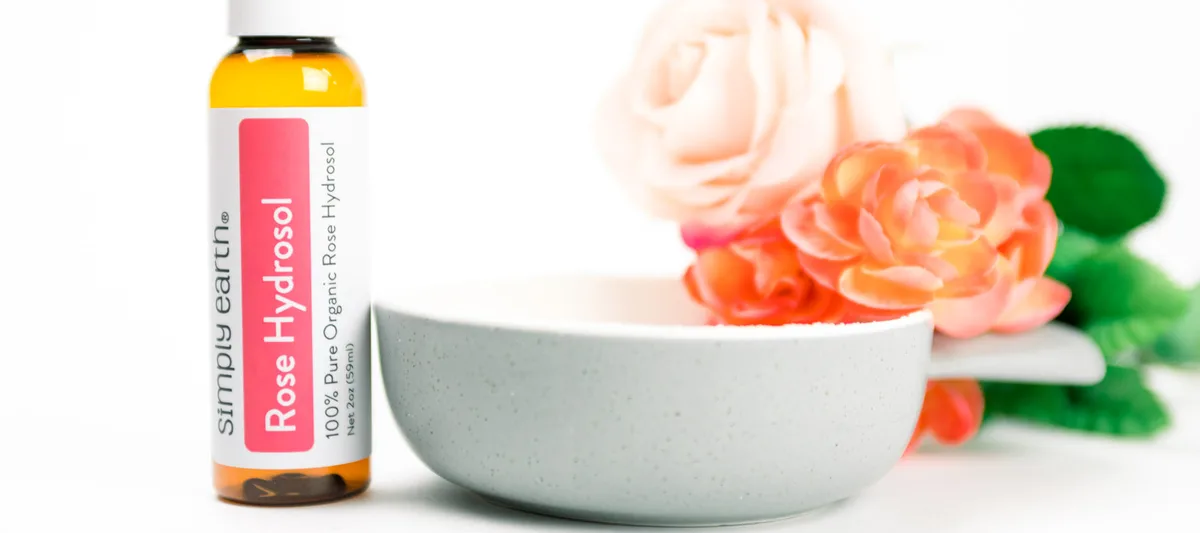
Every time a plant is steam-distilled for essential oil, two things come out of the still. One is the oil. The other is the water it travelled through — and that water is not waste. It carries the plant's water-soluble compounds at a far gentler concentration, and it has its own name: a hydrosol, sometimes called a floral water. The useful way to think about it is on a scale. A hydrosol is stronger than a tea and weaker than an essential oil. That middle position is the whole point: it is gentle enough for babies, cats and skin that cannot tolerate neat oils, and it still does something.
Free Cheat Sheet
New to Essential Oils? Start Here.
Get the free Essential Oil Cheat Sheet — which oils to reach for, how much to dilute, and what to make first.
Start Here
What Hydrosols Actually Are
A hydrosol — also called a floral water or a hydrolat — is the aromatic water that comes out of a steam distillation. Steam is pushed through plant material, it picks up the plant's volatile compounds, and the whole lot is condensed back into liquid. What collects is two things at once: a thin layer of essential oil, and a much larger volume of water that travelled through the plant with it.
That water is the hydrosol. It is not diluted essential oil, and it is not a leftover. It carries the plant's water-soluble compounds — the ones that never make it into the oil at all, because they stay behind in the water fraction — plus a trace of the same aromatics the oil is made of.
The most useful way to place a hydrosol is on a scale of strength. A tea or infusion sits at the weak end. An essential oil sits at the strong end, concentrated enough that it always needs diluting before it touches skin. A hydrosol sits in between: strong enough to do something, gentle enough to spray straight onto your face with no carrier oil and no dilution maths. That middle position is the entire reason hydrosols are worth knowing about.
Gentle Enough for Babies, Cats and Small Pets
The reason hydrosols exist in a house with a cat
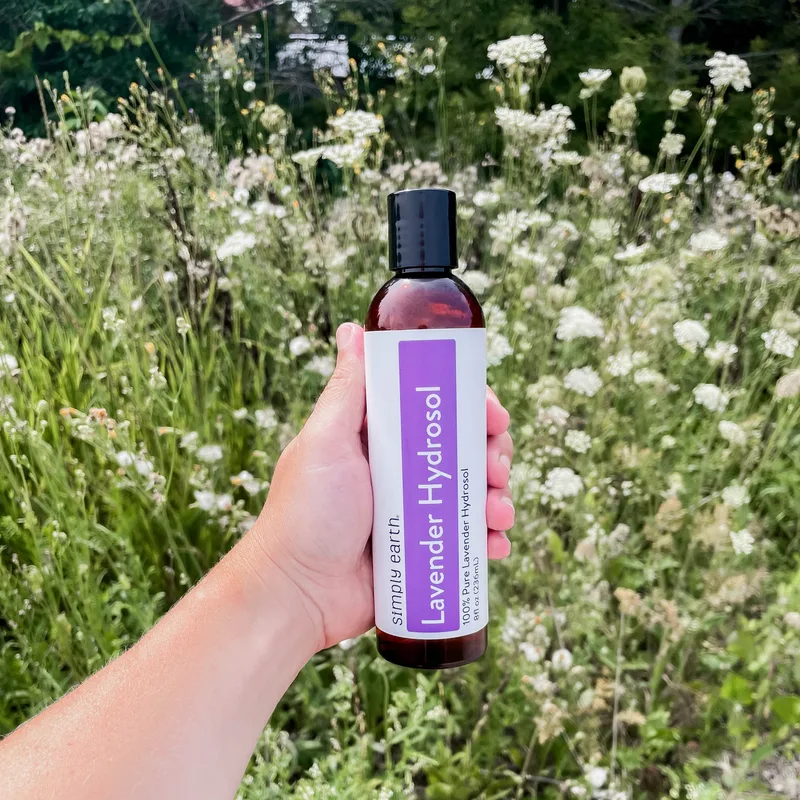
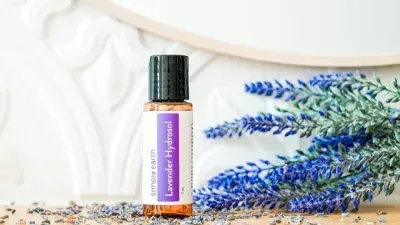
 SHOP LAVENDER HYDROSOL
BEST FOR: HOMES WHERE NEAT ESSENTIAL OILS ARE NOT AN OPTION
This is the headline benefit, and it is the one that brings most people to hydrosols in the first place. Simply Earth's own product guidance says hydrosols can be used with children under two, with small pets and with cats — a sentence you will never see on an essential oil bottle. Many essential oils are simply not cat-safe. A properly diluted hydrosol is a different proposition entirely. The condition is dilution, and the real figures are further down this page.
KATIE'S TIP
If you have a cat, this is where to start. It is the one aromatic product I recommend without a list of caveats attached — as long as you dilute it and let the animal leave the room if it wants to.


BEST FOR: SENSITIVE OR IRRITATED SKIN
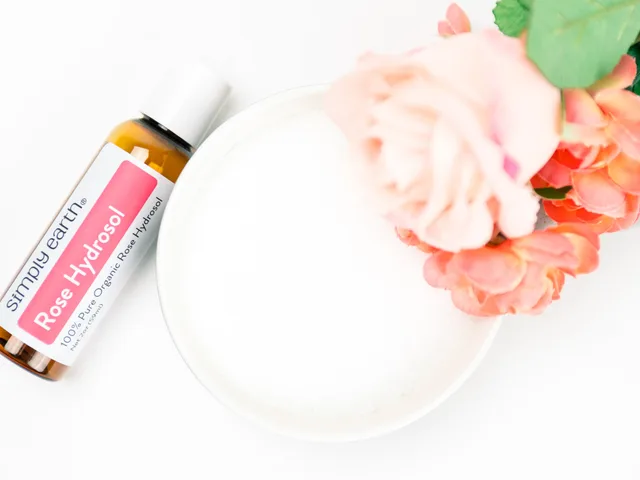
Both Simply Earth hydrosols are described as soothing to skin on their product records. Because they are water-based they go on as a spritz or a compress — no carrier oil, no dilution, nothing to mix. That makes them one of the few aromatic options you can reach for when skin is already unhappy and you do not want to add anything heavy to it.
KATIE'S TIP
Keep a bottle in the fridge in summer. A cold rose hydrosol spritz after a day in the sun is, honestly, the single best use of the stuff.
USE IT IN →


BEST FOR: OILY OR COMBINATION SKIN
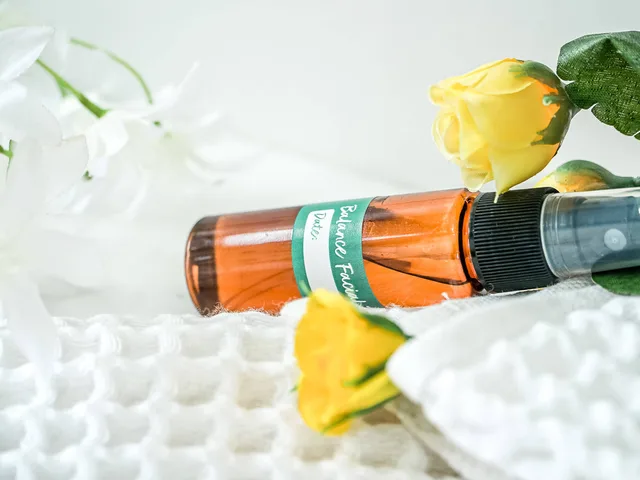
Both SE hydrosols list this on their product records. A hydrosol on a cotton pad is a complete toner in one step — nothing to blend, nothing to preserve, no alcohol to dry the skin out on the way. If you have been buying toner, this is the swap that tends to stick.
KATIE'S TIP
Use it straight after cleansing while your skin is still damp. Damp skin first, everything else second — that order matters more than the products do.
USE IT IN →

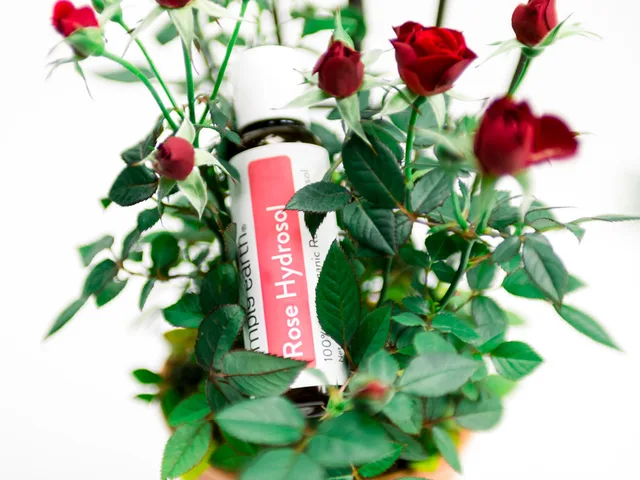
BEST FOR: DRY SKIN AND LAYERED ROUTINES
Listed on Simply Earth's Rose Hydrosol record. Spritz first, then apply your oil or cream on top — the hydrosol gives whatever comes next something to hold onto, instead of it sitting on dry skin. It is the cheapest upgrade there is to a routine you already have.
KATIE'S TIP
This is the step people skip and then wonder why their face oil feels greasy. Oil on damp skin behaves completely differently from oil on dry skin.
USE IT IN →
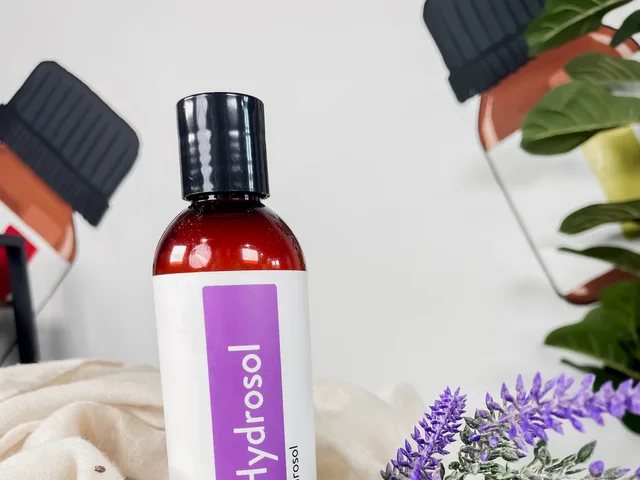
BEST FOR: WIND-DOWN ROUTINES
Simply Earth's Lavender Hydrosol record lists calming and relaxation-promoting properties; the Rose Hydrosol record lists emotional balance. A pillow spritz or a room spray is the simplest way in, and a bath is the most indulgent. Neither asks you to make anything.
KATIE'S TIP
For a bath, Simply Earth's own guidance is 1 tablespoon of hydrosol to 1 cup of water. Add it once the tub is full so the aroma does not boil off before you get in.
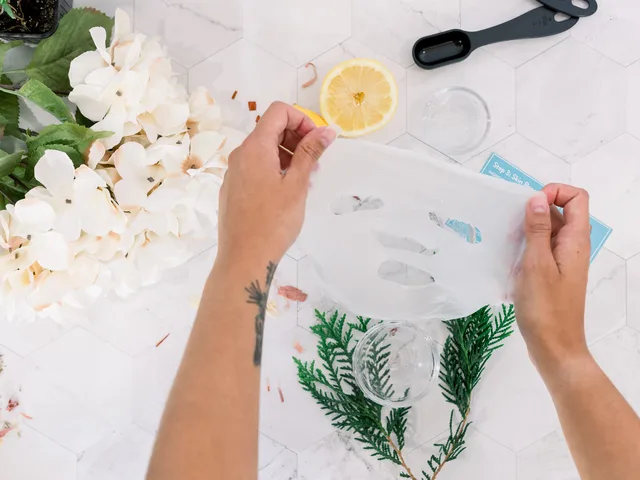
BEST FOR: ANYONE MAKING LOTIONS, CREAMS OR MICELLAR WATER
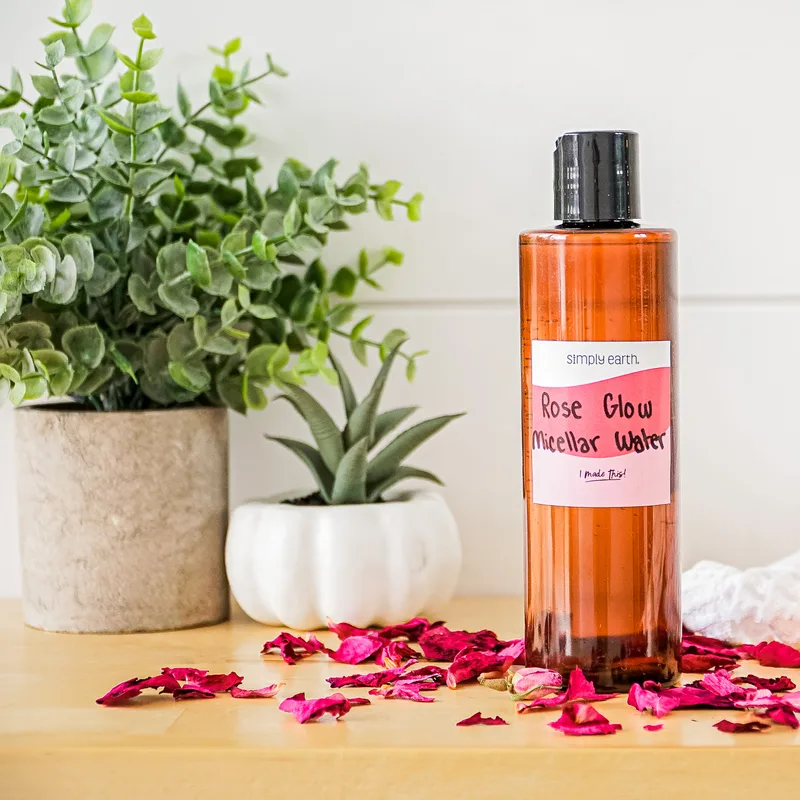
This is the use experienced makers care about most, and it is the one our customers bring up unprompted. Anywhere a recipe says "distilled water", a hydrosol can go instead — same function, more skincare benefit, considerably better scent. It costs you nothing in technique and changes the finished product noticeably.
KATIE'S TIP
Start with a recipe you have already made with water, so you can feel the difference. Micellar water and hand soap are the two where it is most obvious.

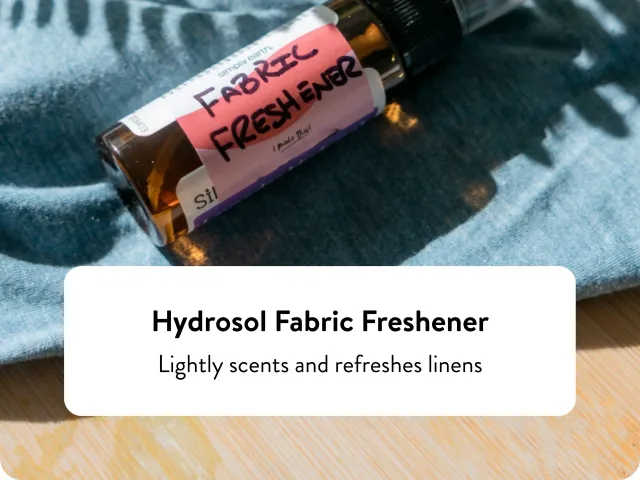
BEST FOR: FLOORS, SURFACES AND FRESHENING
Simply Earth's Lavender Hydrosol record recommends it for cleaning floors and other surfaces, and for freshening fabric. It is a pleasant, genuinely mild surface spray — and it is safe around the pets and small children who are usually the whole reason people are avoiding stronger cleaners in the first place.
KATIE'S TIP
Decant some into a small spray bottle and keep it where you actually clean. A cleaner in the cupboard under the stairs does not get used.

Put It to Work
How to Use Hydrosols
Skin & Face
- • Toner on a cotton pad, straight after cleansing
- • Facial spritz any time of day — no dilution needed
- • Makeup remover, or a gentle face wash with 1–2 tsp in a bowl of water
Body & Bath
- • Body spray and hair refresher, straight from the bottle
- • 1 tablespoon of hydrosol to 1 cup of water in a bath
- • A cool compress for tired or sun-exposed skin
In Your Recipes
- • Replace the distilled water in lotions, creams and micellar water
- • Use it as the liquid base in foaming hand soap
- • Anywhere a recipe says "water", a hydrosol can go instead
Home & Family
- • Wet wipes and gentle cleaning cloths
- • Surface and floor cleaning, and freshening linens
- • Room spray, or added to the laundry
Know the Difference
Hydrosol vs Essential Oil vs Tea
This is the single most useful thing on this page. Almost every question people ask about hydrosols — can I put it on my face, is it safe for the baby, why does it not smell as strong as the oil — answers itself once you see where a hydrosol sits between a cup of tea and a bottle of essential oil. Simply Earth sells the hydrosols and the oils, so this is not a case of steering you towards one. It is about picking the right strength for the job.
Swipe to compare →
Tea / Infusion The weakest of the three | Hydrosol The middle ground | Essential Oil The most concentrated | |
|---|---|---|---|
| How it is made | Steep the plant in hot water | The condensed steam collected during distillation | The oil fraction separated off during that same distillation |
| Strength | Weakest | In between — the whole point of it | Strongest |
| Water or oil based | Water | Water | Oil |
| Needs dilution? | No | Usually not for adults — yes for children and pets | Always, before any skin contact |
| Safe for cats & babies? | Varies by plant | Yes, diluted | Often not |
| Shelf life | Days | About 2 years from opening | 1–5 years |
| We Carry | Not sold by Simply Earth | Rose Hydrosol & Lavender Hydrosol | The full range |
| Simply Earth | — | We carry this | — |
What We Make
Which Hydrosols Simply Earth Makes
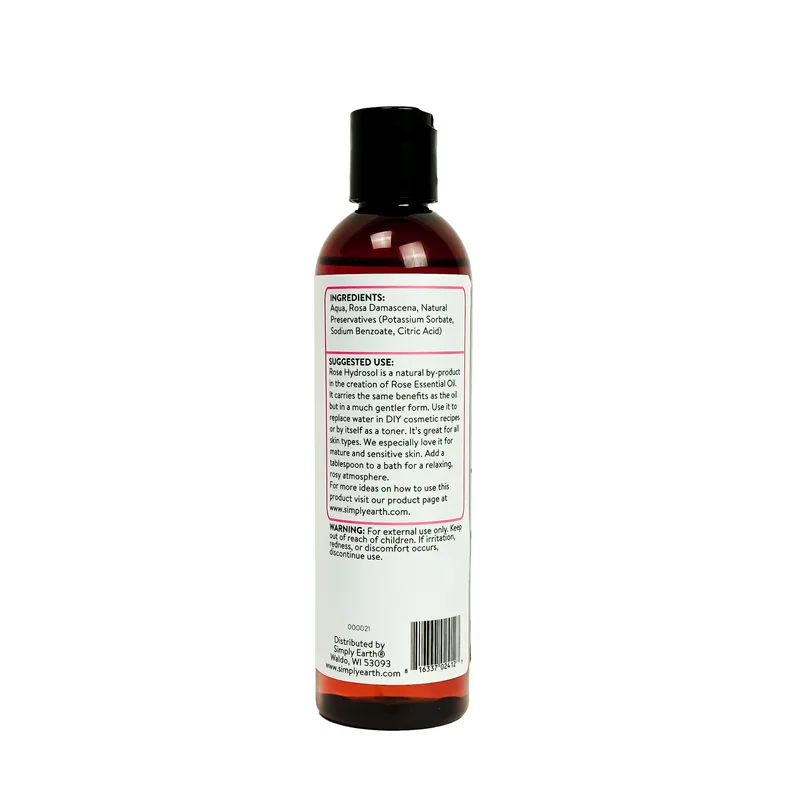
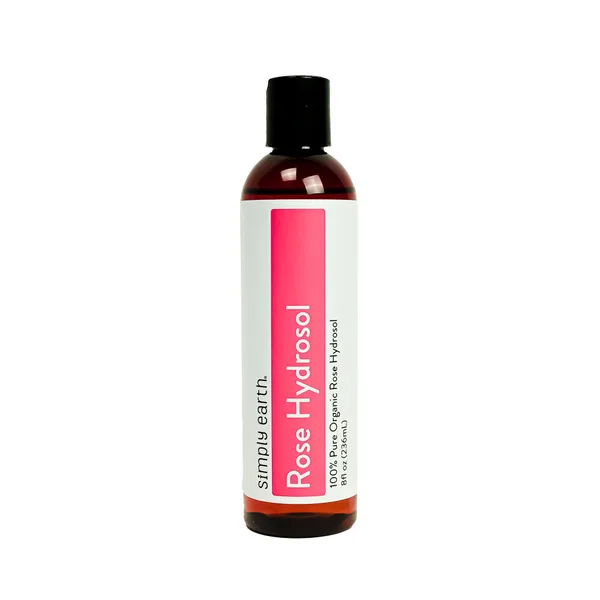
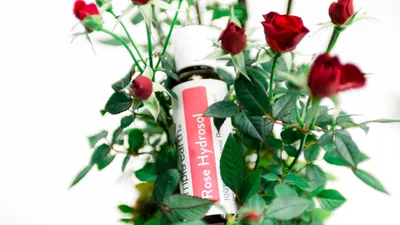
We bottle two, and this page is the overview of both. Rose Hydrosol is delicately floral, fresh and lightly sweet — its ingredients are rose floral water, potassium sorbate and lactic acid. Lavender Hydrosol is lighter and more herbaceous, softly floral rather than sweet, and comes in both a 1oz spray and an 8oz bottle. Each has its own full guide if you want to go deeper on one. The rest of the list below is what they pair with in recipes — oil and water do not mix on their own, so stir essential oils into a dispersant like witch hazel before combining them with a hydrosol.
Where They Come From
The Half of Distillation Nobody Used to Sell
Steam distillation is an old process and a simple one. Steam is pushed through plant material, it carries the volatile aromatic compounds with it, and the whole lot is condensed back into liquid. Oil and water separate. The oil gets bottled and sold.
For a long time the water was the part that got poured away. It should not have been. It holds the plant's water-soluble compounds — which the oil does not — and it carries a trace of the aromatics too. In traditional perfumery and skincare, particularly around rose, the floral water was always understood to be valuable in its own right. Hydrosols were among the earliest distilled aromatic products anyone made, produced and used long before anybody was isolating essential oils for their own sake.
Simply Earth bottles that water rather than discarding it, which is why our hydrosols come from the same distillations as our oils. Same plant, same still — a different, much gentler half of the result.
Make It Yourself
How to Make Your Own Hydrosol at Home
This is the recipe from our original hydrosol post, and it is a genuinely lovely thing to make — with one honest caveat first:
What You Will Need
Four things, all of them already in your kitchen
One cup of boiling water, a heatproof bowl you can cover, a coffee filter, and the essential oil of whichever plant you want to smell. That is the entire equipment list.
Step One — Boil and Take It Off the Heat
Heat does the work, then gets out of the way
Bring the water to a boil in a heatproof bowl or pan, then take it straight off the heat. You are not trying to keep it boiling — you want hot water that is about to start cooling.
Step Two — Add Oil and Cover
8 drops, then put a lid on it
Add 8 drops of essential oil and cover the bowl. The cover is the important part — it traps the evaporating water so it cools, condenses on the underside and falls back into the bowl, carrying aroma with it.
Step Three — Strain
A coffee filter is all it takes
Pour the mixture through a coffee filter into a clean jar to catch any undispersed oil droplets. Store it in the fridge and use it within a week or two — there is nothing in it to preserve it.
This is an approximation, not a true hydrosol. What you are making here is an essential-oil-in-water preparation. A real hydrosol is what condenses out of a steam distillation of the plant itself, which is why it carries water-soluble compounds that no amount of essential oil added to water will reproduce. The homemade version smells wonderful and works nicely as a room or linen spray. It is not equivalent to the bottled product, and it will not keep like one.
The Gentle End of Aromatherapy
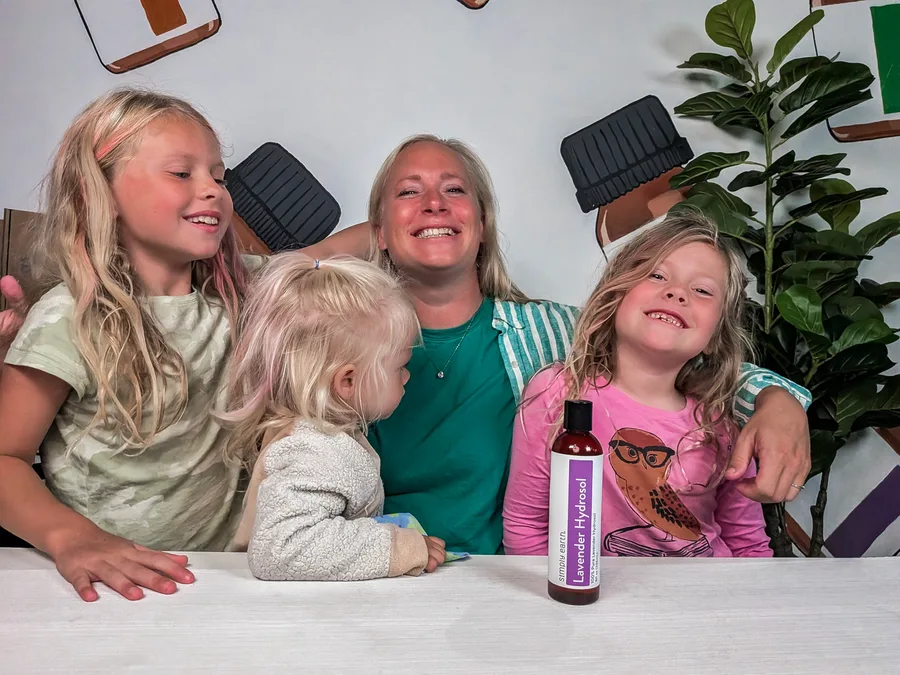
Safe for the Family the Oils Are Not For
This is where hydrosols earn their place. Simply Earth's own product guidance is explicit: hydrosols can be used with children under two, with cats, and with small pets — all cases where neat essential oils are often unsuitable or outright unsafe. Cats in particular lack an enzyme pathway that would let them process many of the compounds in essential oils, which is why so much aromatherapy advice comes with a "not around cats" warning attached.
The condition on all of it is dilution, and the figures above are Simply Earth's own, taken straight from the product record rather than estimated. For children, that is one teaspoon of hydrosol per year of the child's age, per cup of water. For small pets, a quarter teaspoon per pound of body weight in one cup of water.
Once it is diluted, use it the way you would use anything else gentle — as a light mist on bedding, a compress, a wet wipe, or stirred into a lotion. Mist the room or the bedding rather than the animal itself, always leave a pet able to walk away from the smell, and check with your vet or your paediatrician if there is any health condition in the picture.
1 tsp
Per year of a child's age, per cup of water
¼ tsp
Per pound of pet body weight, in 1 cup of water
Under 2
Hydrosols can be used with children this young, diluted
Use It Right
Things to Remember When Using Hydrosols
Do not ingest hydrosols. Simply Earth's Rose and Lavender Hydrosol product records both say so plainly. You will find older articles — including our own — suggesting hydrosols as a mouthwash or in cooking. Follow the product record instead.
Shelf life is about 2 years from opening, stored properly. Hydrosols are water-based, so keep yours away from heat and light. Refrigeration extends freshness and doubles as a cooling mist.
Dilute for children: 1 teaspoon of hydrosol per year of the child's age, per cup of water.
Dilute for small pets: ¼ teaspoon per pound of body weight in 1 cup of water. Mist bedding or the room, not the animal, and always let a pet leave.
Safe for use with children under two, cats and small pets when diluted — the thing that genuinely sets hydrosols apart from essential oils.
Patch test first anyway. Hydrosols are gentle, but skin is individual. Try a small area before you commit to a routine, and keep it away from eyes.
Rose Hydrosol contains potassium sorbate and lactic acid as preservatives. Worth knowing if you are formulating with it or avoiding a specific ingredient.
Pregnant or nursing? Ask your doctor. Check with your healthcare provider or a certified aromatherapist before adding anything new to your routine.
These statements have not been evaluated by the Food and Drug Administration. This product is not intended to diagnose, treat, cure, or prevent any disease.
Real Results
What Earthies Are Saying About Hydrosols
"The real magic starts when you can take hydrosols and other liquids and combine them with butters and oils to create a perfectly creamy, lightweight and luscious lotion. Using hydrosols instead of only distilled water adds so much skincare benefit."
Rivky Bergstein
Verified Buyer • Body Care Hero Kit
"I also use it in my micellar water — I don't use EOs and sub Lavender Hydrosol for water — and whatever else presents itself."
Valerie Pilgreen
Verified Buyer • Aloe Vera Gel
"I love, love, LOVE Simply Earth's Rose Hydrosol! It's wonderful as a replacement for distilled water in nearly any recipe that calls for it. Every lotion, mask, hand soap — you name it — is levelled up by using this product. And it smells so good! 10/10."
Michael Redman
Verified Buyer • Rose Hydrosol (8oz)
OUR SIMPLY PURE PROMISE
What Goes Into Your Products Matters
Pure & Additive-Free
No synthetic fragrance, no extenders, nothing added for effect.
Third-Party Tested
We test our products and publish the results.
Ethically Sourced from Quality Farms
Responsibly harvested. People and planet first.
2
Hydrosols We Bottle
Rose and Lavender
Neat
Dilution Needed for Adults
Essential oils: always dilute
Public
Test Results
MLM brands: rarely
Your Order Changes Lives: 13% of profits fight human trafficking globally.
Hydrosol FAQ
The questions Earthies ask most — from what a hydrosol actually is to whether you can use one around the cat.
What is a hydrosol? +
A hydrosol is the aromatic water produced during the steam distillation of a plant. Steam carries the plant's volatile compounds, then condenses back into liquid — the small oil layer becomes essential oil, and the much larger water portion is the hydrosol. It carries the plant's water-soluble compounds plus a trace of the aromatics, which makes it far gentler than the oil.
What is the difference between a hydrosol and an essential oil? +
Strength and dilution. They come out of the same distillation, but an essential oil is highly concentrated and must always be diluted in a carrier oil before it touches skin. A hydrosol is water-based, much gentler, and can be sprayed on directly. Think of a hydrosol as sitting between a tea and an essential oil on a scale of strength.
Are hydrosols safe for cats, babies and pets? +
Yes, when diluted — and this is the main reason people use them. Simply Earth's guidance is 1 teaspoon per year of a child's age per cup of water, and ¼ teaspoon per pound of body weight for small pets in 1 cup of water. Mist bedding or the room rather than the animal, and always let a pet leave the room. Check with your vet or paediatrician if there is a health condition involved.
Can you drink hydrosols or use them in cooking? +
No. Simply Earth's Rose and Lavender Hydrosol product records both say "do not ingest". You will find articles online — and older posts of ours — suggesting hydrosols as a mouthwash or a cooking ingredient. Follow the product record instead.
How long do hydrosols last? +
About two years from the date you open the bottle, stored properly. They are water-based, so keep them out of heat and direct light. Refrigerating yours extends its freshness and gives you a cold mist, which is lovely in summer.
Can I make my own hydrosol at home? +
You can make a good approximation with boiling water, essential oil and a coffee filter — the method is on this page. Be clear about what it is, though. A true hydrosol comes from distilling the plant itself, so the homemade version will not carry the water-soluble plant compounds that make a real hydrosol distinct. It is lovely as a room or linen spray.
Which hydrosols does Simply Earth make? +
Two — Rose Hydrosol, sold in an 8oz bottle, and Lavender Hydrosol, sold in both 1oz and 8oz. Rose is delicately floral and lightly sweet; lavender is lighter and more herbaceous.
About the Author: Katie Veldkamp
Katie Veldkamp
Certified Aromatherapist · Co-Founder, Simply Earth
Katie Veldkamp is Simply Earth's Lead Certified Aromatherapist and the heart behind every product recommendation, recipe, and safety guide on this blog. With years of hands-on aromatherapy practice and a deep love for plant-based wellness, Katie fact-checks every health claim to make sure what you read is safe, science-informed, and actually useful.
Join 20,000+ Earthies Making Their Homes Natural
New recipes, usage guides, and DIY tips—delivered free.
No spam. Unsubscribe any time.
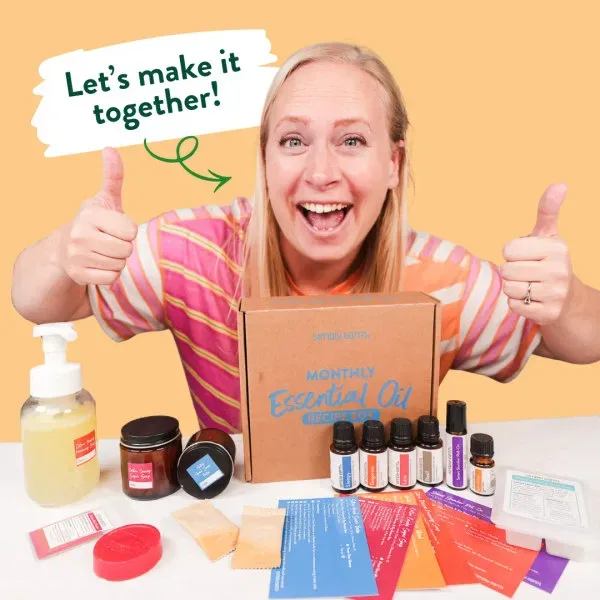
Learn by doing
Make your own natural products every month.
The Simply Earth Recipe Box ships four full-size essential oils, six natural recipes, and every container and ingredient those recipes call for — so you make the thing instead of reading about it.
Start My Recipe BoxPause, skip or cancel any time. 13% of profits fight human trafficking.