
Rose Hydrosol: Benefits, Uses & Why It Belongs in Your Routine

Katie Veldkamp
Lead Certified Aromatherapist
Fact Checked & Approved
Rose essential oil is one of the most expensive things in all of aromatherapy, because it takes an enormous quantity of petals to produce a very small amount of oil. Rose hydrosol is the other half of that same distillation — the steam, condensed back into water, carrying the plant's water-soluble compounds. It is gentler, it is water-based, and it costs a fraction of what the oil does. For skincare, that is not a compromise; more often than not it is the better format. You can spritz it straight onto your face with no dilution, swap it for the distilled water in any recipe you already make, and use it on skin that is far too sensitive for a neat essential oil.
Free Cheat Sheet
New to Essential Oils? Start Here.
Get the free Essential Oil Cheat Sheet — which oils to reach for, how much to dilute, and what to make first.
Start Here
What Is Rose Hydrosol?
When essential oils are steam-distilled, water is left over — and that water is not waste. It carries the plant's water-soluble compounds, the ones the oil leaves behind, at a far more diluted ratio than the essential oil itself. Simply Earth bottles that water rather than pouring it away, and the result is Rose Hydrosol. Our own shorthand for it is the most useful mental model there is: stronger than a tea, weaker than an essential oil.
That middle position is the whole point. Rose essential oil has to be diluted in a carrier before it touches skin, every single time. Rose hydrosol does not — it goes on neat, straight from the bottle, which makes it one of the lowest-effort things you can add to a routine.
Hydrosols as a category are worth understanding in their own right — how they are made, how they differ from floral waters, and which ones suit which job. This page is about rose specifically: what it does for skin, and why it is the version of rose most people should actually be buying.
BEST FOR: SENSITIVE, IRRITATED OR OVERWORKED SKIN
Soothing is the first benefit on Simply Earth's own product record, and it is the one people reach for the bottle to get. Rose hydrosol goes on as a spritz with no dilution and no carrier oil, which makes it the easiest thing to grab when skin has had too much sun, too much wind, or too much of a product that did not agree with it. Because it is water-based rather than concentrated, it lands as a comfort rather than as an active.
KATIE'S TIP
Keep the bottle in the fridge through summer. A cold rose spritz is a completely different experience from a room-temperature one, and it is the single easiest upgrade to the whole routine.
USE IT IN →


BEST FOR: OILY AND COMBINATION SKIN
Tightening and refining the appearance of pores is listed directly on SE's product record. Used on a cotton pad after cleansing, rose hydrosol is a complete toner on its own — nothing to mix, nothing to preserve, nothing on the label you cannot pronounce. Plenty of conventional toners lean on alcohol to get the same "tight" feeling and leave skin stripped instead; this is the gentler route to the same step.
KATIE'S TIP
Apply while your skin is still damp from cleansing, then layer your oil or moisturiser straight on top. Most people do this in the wrong order and wonder why the toner step feels pointless.
USE IT IN →

BEST FOR: DRY SKIN AND LAYERED ROUTINES
Water-based products give oils and butters something to hold onto. Spritz rose hydrosol first, moisturise second, and the moisturiser does more than it would on dry skin — you are giving it moisture to seal in rather than asking it to supply moisture on its own. This is why "locks in moisture" sits on the product record next to hydration rather than instead of it.
KATIE'S TIP
Damp skin first, always. If you take one sequencing habit away from this page, make it this one — it costs nothing and it changes how well everything else in your routine performs.
USE IT IN →
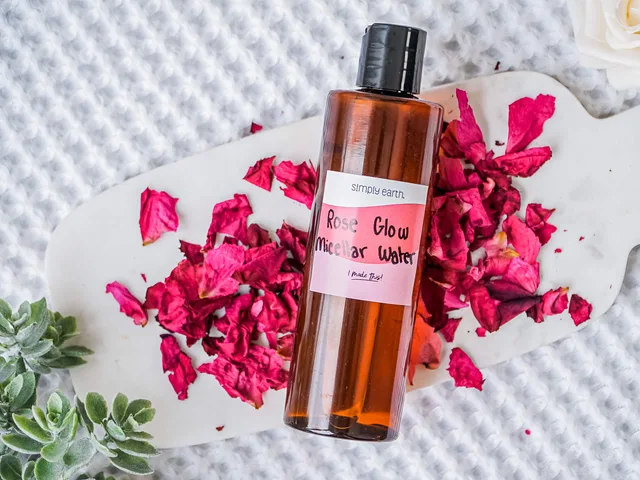
BEST FOR: ANYONE MAKING LOTIONS, CREAMS, SOAPS OR MICELLAR WATER
This is the use that turns a nice-to-have into a staple. Anywhere a recipe calls for distilled water, rose hydrosol can go instead — same function in the formula, with the skincare character and the scent of real rose added for free. SE's own guidance lists replacing the water in any aromatherapy recipe as the first way to use the bottle, and it is the single highest-value thing you can do with it.
KATIE'S TIP
Our most enthusiastic reviewer describes every lotion, mask and hand soap he makes as "levelled up" by this one swap. Start with whatever recipe you already make most often.

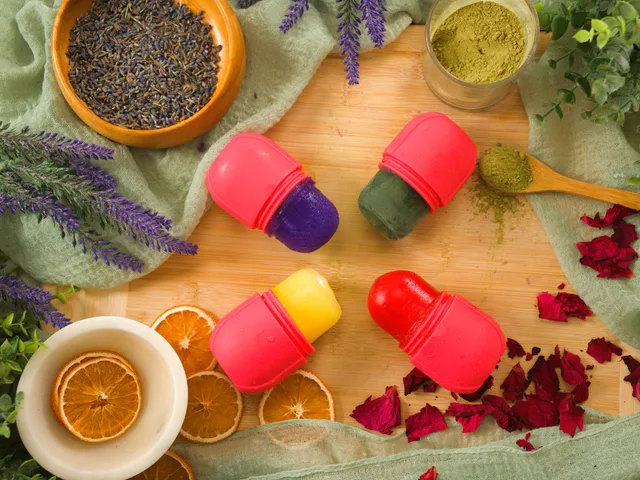
BEST FOR: RESET MOMENTS IN THE DAY
Emotional balance is listed among rose hydrosol's benefits on SE's product record, and the short description calls the aroma uplifting. What that means practically is aromatherapy with no equipment and no setup — a spritz over the face, the pillow or the room, whenever you want the moment to change. No diffuser to fill, no oil to dilute, no waiting.
KATIE'S TIP
Spritz your pillow rather than running a diffuser at bedtime. It is softer, it is quicker, and it does not scent the entire room for the next three hours.
USE IT IN →
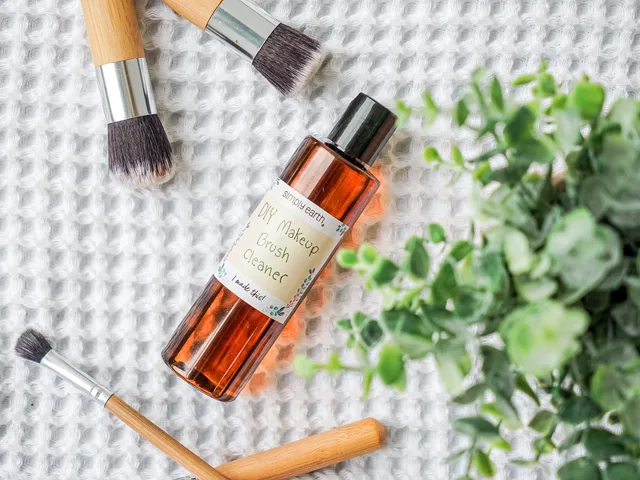
BEST FOR: ANYONE WHO FINDS ROSE PERFUME OVERWHELMING
Simply Earth describes the aroma as delicately floral, fresh and lightly sweet, and "amazing aroma" leads the benefit list on the product record. Because a hydrosol is far less concentrated than the essential oil, rose arrives here as fresh rather than heady. If rose has only ever reached you as a thick, old-fashioned perfume note, this is the version that changes your mind about the plant.
KATIE'S TIP
If rose essential oil has ever felt like too much — and for a lot of people it has — this is the format to try instead. Same plant, completely different experience.
USE IT IN →
It's Gentle Enough for the Whole Family
Where Hydrosols Beat Essential Oils Outright
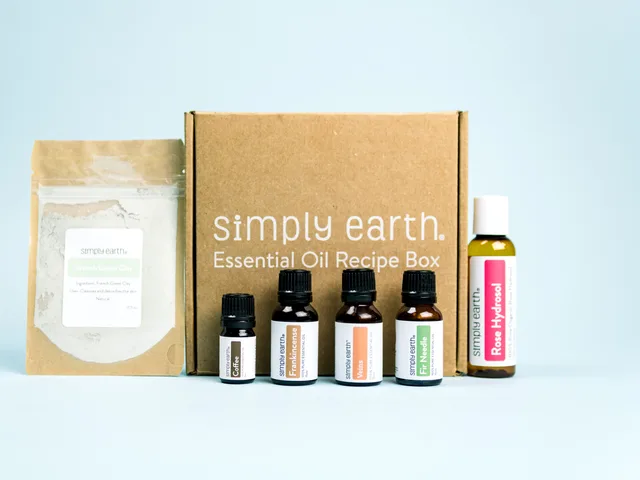 Shop Rose Hydrosol
BEST FOR: CHILDREN UNDER TWO, CATS AND SMALL PETS — DILUTED
This is the clearest advantage hydrosols have over essential oils. SE's guidance is that rose hydrosol can be used with children under two, with cats, and with small pets — **when it is diluted for them.** That is not something you can say about most essential oils, and it is why one bottle can cover uses that would otherwise need three different products. The dilution is not optional, and the ratios are in Things to Remember below.
KATIE'S TIP
The ratios matter more than the enthusiasm — 1 tsp per year of a child's age per cup of water, and 1/4 tsp per pound of body weight for small pets. Write it on the bottle if you are going to use it this way.
USE IT IN →
Put It to Work
How to Use Rose Hydrosol
On Your Face
- • Toner on a cotton pad straight after cleansing
- • Face mist through the day, over makeup or bare skin
- • Makeup remover, or the liquid base for micellar water
- • Facial compress — soak a cloth and lay it over the face
Body & Bath
- • Body spray anywhere skin feels dry or overheated
- • Add 1 tbsp to 1 cup to a warm bath
- • After-sun spritz on shoulders, arms and face
In Your Recipes
- • Swap it for the distilled water in lotions, creams and hand soap
- • Use it as the liquid base in micellar water and makeup brush cleaner
- • Reach for it anywhere a recipe says "water" and you want scent with it
Home & Family
- • Linen and pillow spray
- • Diluted baby wipes — soak rags or paper towels
- • Diluted pet coat spray to calm and freshen
Know the Difference
Rose Hydrosol vs Rose Water vs Rose Essential Oil
"Rose water" is sold in supermarkets, pharmacies and beauty aisles, and it means several genuinely different things depending on who bottled it. That is the confusion this section exists to clear up, because it is the difference between buying a real distillation product and buying water with a rose extract stirred in. One thing worth stating plainly: Simply Earth carries Rose Hydrosol, and we do not sell a rose essential oil at all. The column below is there so you can see where the hydrosol sits, not to steer you toward something else of ours.
Swipe to compare →
Rose Hydrosol The subject of this page | Rose Water (cosmetic) Sold everywhere, means several things | Rose Essential Oil The concentrated oil | |
|---|---|---|---|
| What It Actually Is | The condensed steam from distilling rose — a true hydrosol | Often water plus a rose extract or fragrance, blended after the fact | The oil fraction separated off during that same distillation |
| Where It Comes From | The same still as the essential oil, collected instead of discarded | Varies enormously, and the label rarely tells you | An enormous quantity of petals for a very small yield |
| Strength | Gentle and water-based — stronger than a tea, weaker than an oil | Usually weaker still, and inconsistent between brands | Extremely concentrated |
| Needs Diluting? | No, not for adult skin — spritz it on neat | No | Always, without exception |
| Typical Price | Moderate — $22.99 for 8oz | Low | Very high |
| Best For | Toner, face and body mist, swapping for water in recipes, kids and pets when diluted | Light fragrance, when you know the brand and trust the label | Formulating diluted blends, when budget is not the constraint |
| Simply Earth | This page | — | — |
The Full List
What's Actually in the Bottle
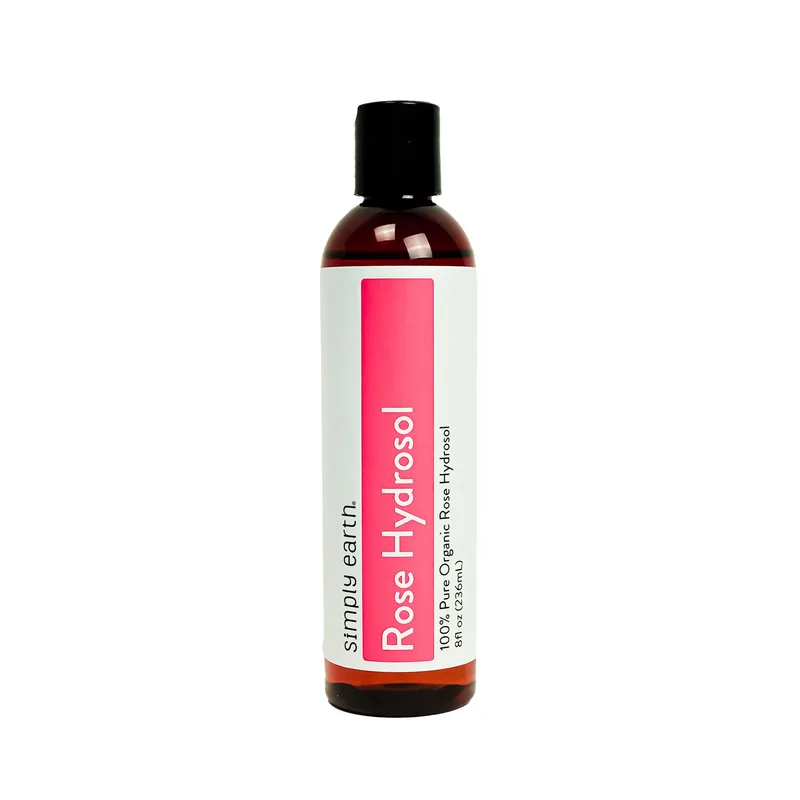
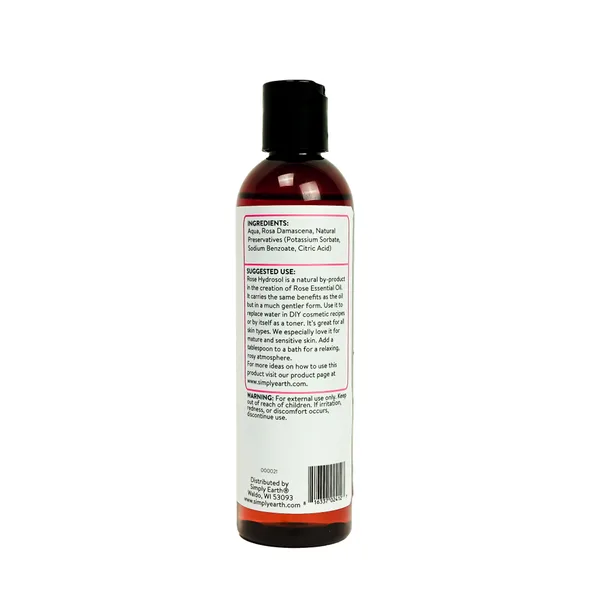
That is the entire ingredient list, and it is short enough to be worth printing in full. Potassium sorbate and lactic acid are preservatives — a water-based botanical product needs them, and the alternative is a bottle that spoils on your shelf. They are also why the shelf life here is about two years from opening rather than the few months an unpreserved hydrosol would give you.
Where It Comes From
The Oldest Beauty Ingredient That Was Nearly Thrown Away
Rose has been distilled for perfume and skincare for well over a thousand years, and for most of that history the water was prized every bit as much as the oil. Rose water runs through Persian, Ottoman and Mughal cosmetic and culinary traditions, and through European pharmacy, long before anyone could describe what was chemically in it.
Modern essential oil production changed the emphasis. Once the oil became the commercially valuable product, the water coming off the same still was often treated as a by-product — poured away, or sold cheaply and vaguely as "rose water" with no guarantee of how it had been made or what was in it.
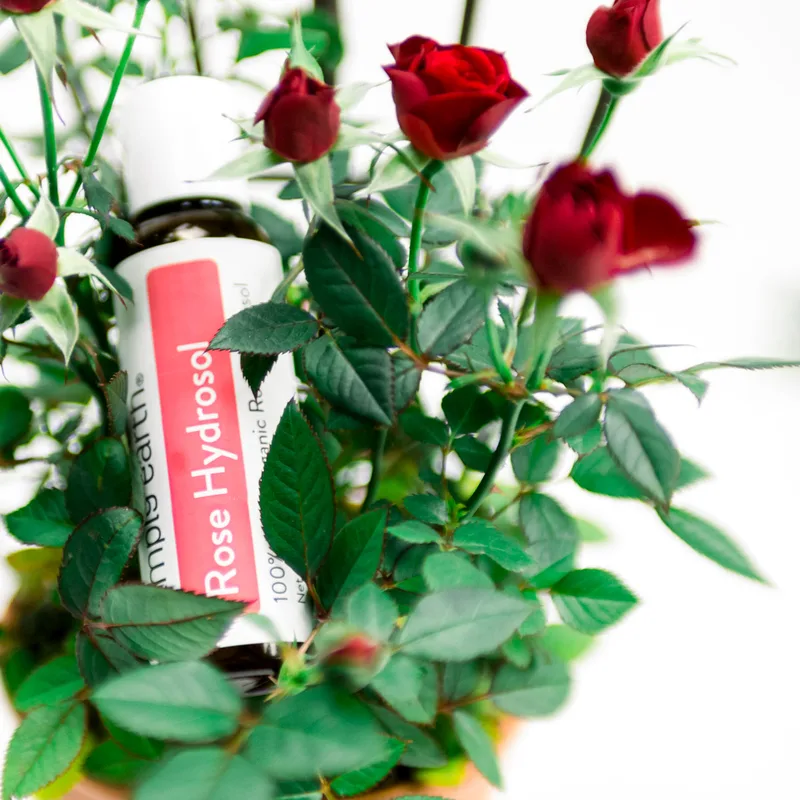
A true hydrosol is not that. It is the actual condensate of a real distillation, carrying the water-soluble compounds the oil leaves behind. Simply Earth bottles it rather than discarding it, which is why our rose hydrosol comes off the same process as our oils — and why it is a genuinely different product from most of what is labelled rose water.
The Chemistry
The Science Behind Rose Hydrosol
What is genuinely knowable about what is in the bottle — and what is not:
Water-Soluble, Not Oil-Soluble
A different fraction of the same plant
A hydrosol carries the compounds that dissolve in water — which is, by definition, the set the essential oil does not contain. This is the point people most often miss. Rose hydrosol is not rose essential oil watered down; it is the other half of the distillation, with its own composition and its own character.
Stronger Than a Tea, Weaker Than an Oil
Simply Earth's own framing
This is the most useful mental model on the page, and it comes straight from our product team. It explains why no dilution is needed for adult skin, why the aroma reads as fresh rather than heady, and why the same bottle can be diluted further for children and small pets rather than being off-limits to them entirely.
Preserved, Deliberately
Potassium sorbate · Lactic acid
Water-based botanical products are hospitable to microbial growth in a way that oils are not. The two preservatives in this bottle are what hold it stable for roughly two years from opening. It is a deliberate trade-off — a short, readable ingredient list and a genuinely usable shelf life, rather than a "preservative-free" label and a product that turns in a season.
There is no GC/MS constituent report for rose hydrosol, and that is not an oversight. Hydrosols are water-based and are not profiled the way essential oils are, so any constituent breakdown you see attached to a rose hydrosol is almost certainly borrowed from rose essential oil — a different product entirely. We would rather tell you that than publish a chart that looks authoritative and describes something else. We do third-party test our products and publish the results. See Our Testing →
Use It Right
Things to Remember When Using Rose Hydrosol
Do not ingest rose hydrosol. This one is unambiguous on our product record. It is for topical, aromatic and household use only.
No dilution needed on adult skin. Unlike rose essential oil, the hydrosol goes on neat — no carrier oil, no dilution maths. Our dilution chart covers the oils that do need it.
Children under two: 1 tsp per year of life, per cup of water. Rose hydrosol can be used with young children, but dilute it for them — that ratio comes directly from our product guidance.
Cats and small pets: 1/4 tsp per pound of body weight, in 1 cup of water. Hydrosols are usable around cats and small pets in a way most essential oils are not, but the dilution is not optional. Check with your vet if your pet has any health conditions.
Shelf life is about 2 years from opening under proper storage. It is water-based, so keep it away from heat and direct light — refrigerating it keeps it fresher and doubles as a cooling mist.
Contains potassium sorbate and lactic acid as preservatives. Worth knowing if you are formulating with it or checking it against a sensitivity.
Patch test before first use, as you would with any new skincare product — particularly on reactive or very sensitive skin.
These statements have not been evaluated by the Food and Drug Administration. This product is not intended to diagnose, treat, cure, or prevent any disease.
Real Results
What Earthies Are Saying About Rose Hydrosol
"I love, love, LOVE Simply Earth's Rose Hydrosol! It's wonderful as a replacement for distilled water in nearly any recipe that calls for it. Every lotion, mask, hand soap — you name it — is levelled up by using this product. And it smells so good! Pleasantly floral without being overwhelming. 10/10."
Michael Redman
Website Review • Rose Hydrosol (8oz)
"I am in love with this. I use it as a toner in the morning and at night. I just turned 60, and I get asked what I use on my face because it looks so good. My face is fabulous."
Pam Stockinger
Website Review • Rose Hydrosol
"Simply Earth's Rose Hydrosol has a beautiful sweet floral scent and is soothing and hydrating. I use it to make facial mist/toner, makeup setter and natural perfume."
Elizabeth Williams
Website Review • Rose Hydrosol
OUR SIMPLY PURE PROMISE
What Goes Into Your Products Matters
A Short, Honest Ingredient List
Rose floral water and two preservatives. Nothing else.
Third-Party Tested
We test our products and publish the results.
Ethically Sourced from Quality Farms
Responsibly harvested. People and planet first.
8oz
Bottle Size
$22.99
Neat
Dilution Needed
Essential oils: always dilute
2 Years
Shelf Life
From the date of opening
Your Order Changes Lives: 13% of profits fight human trafficking globally.
Rose Hydrosol FAQ
The questions Earthies ask most — from what a hydrosol actually is to whether we sell the oil.
What is rose hydrosol? +
Rose hydrosol is the aromatic water produced when rose is steam-distilled. It carries the plant's water-soluble compounds — the ones that do not end up in the essential oil — at a far more diluted concentration than the oil itself. Simply Earth's own shorthand for it is "stronger than a tea, weaker than an essential oil", which is the most useful way to think about what you are holding.
What is the difference between rose hydrosol and rose water? +
A hydrosol is the genuine condensate of a real distillation. "Rose water" is a much looser term — plenty of products sold under that name are water with a rose extract or a fragrance blended in afterwards, with no distillation involved at all. If the label does not tell you how it was made, it usually was not made this way.
Can I put rose hydrosol directly on my face? +
Yes. Unlike rose essential oil, which always has to be diluted in a carrier oil, rose hydrosol is designed to be used neat on adult skin — spritz it straight from the bottle onto your face, body or hair. A patch test first is still sensible if your skin is very reactive.
Is rose hydrosol safe for babies, children and pets? +
It can be used with children under two, with cats and with small pets, but it must be diluted for them. Our guidance is 1 teaspoon per year of a child's age per cup of water, and 1/4 teaspoon per pound of body weight for small pets in 1 cup of water. Check with your pediatrician or vet first, and keep it away from eyes.
Does Simply Earth sell rose essential oil? +
No. We carry Rose Hydrosol, and we carry Rose Geranium essential oil — which comes from a different plant entirely and is not a substitute for rose. We do not sell a true rose essential oil, and we would rather say so than let the comparison above imply otherwise.
How long does rose hydrosol last? +
About two years from the date you open it, stored properly. It contains potassium sorbate and lactic acid as preservatives, which is what gives it that shelf life — keep it away from heat and direct light, and refrigerate it if you want it fresher for longer.
Can I use rose hydrosol instead of water in a recipe? +
Yes, and it is the single most valuable thing you can do with the bottle. Anywhere a recipe calls for distilled water — lotions, creams, hand soap, micellar water, face masks — rose hydrosol can go in instead. It does the same job in the formula and brings the skincare character and the scent with it.
About the Author: Katie Veldkamp
Katie Veldkamp
Certified Aromatherapist · Co-Founder, Simply Earth
Katie Veldkamp is Simply Earth's Lead Certified Aromatherapist and the heart behind every product recommendation, recipe, and safety guide on this blog. With years of hands-on aromatherapy practice and a deep love for plant-based wellness, Katie fact-checks every health claim to make sure what you read is safe, science-informed, and actually useful.
Join 20,000+ Earthies Making Their Homes Natural
New recipes, usage guides, and DIY tips—delivered free.
No spam. Unsubscribe any time.
Learn by doing
Make your own natural products every month.
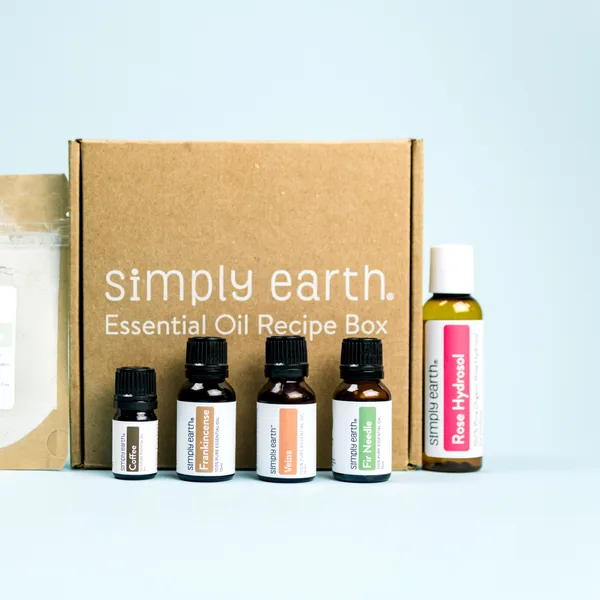
The Simply Earth Recipe Box ships 4 full-size essential oils, 6 natural recipes, and everything you need to make them. No guesswork.
Start My Recipe Box$39.99 for your first box, then $49.99/month. Skip, pause, or cancel anytime.