
Cocoa Butter: All You Need to Know

Katie Veldkamp
Certified Aromatherapist
Fact Checked & Approved
If your homemade balms come out too soft, your lotion bars slump in a warm bathroom, or your body butter never quite sets, the missing ingredient is usually a hard butter — and cocoa butter is the hardest one most DIY recipes reach for. It is one ingredient and nothing else: pressed fat from the cacao bean, solid and brittle at room temperature, melting somewhere around the warmth of your own skin. Simply Earth's is unrefined, which means it still smells faintly of chocolate. Here is what it does in a formula, how to measure and melt it without a fight, and the eight Simply Earth recipes that already call for it.
In this Guide
Free Cheat Sheet
New to adding essential oils to your DIY skincare?
Get the free Essential Oil Cheat Sheet and use every oil in your cabinet with confidence.
BEST FOR: ANYONE WHO READS THE BACK OF THE LABEL FIRST
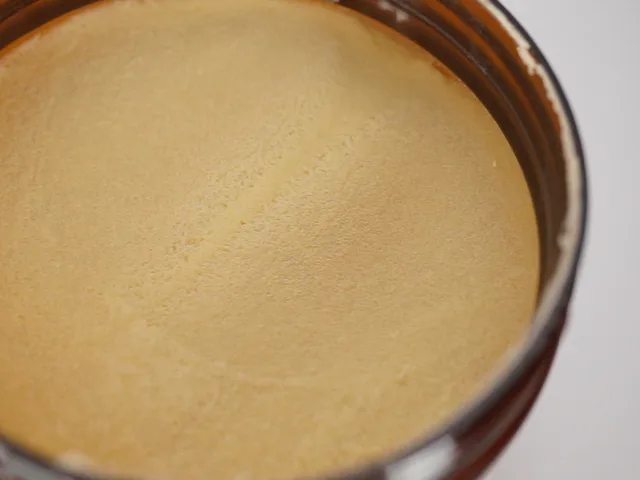
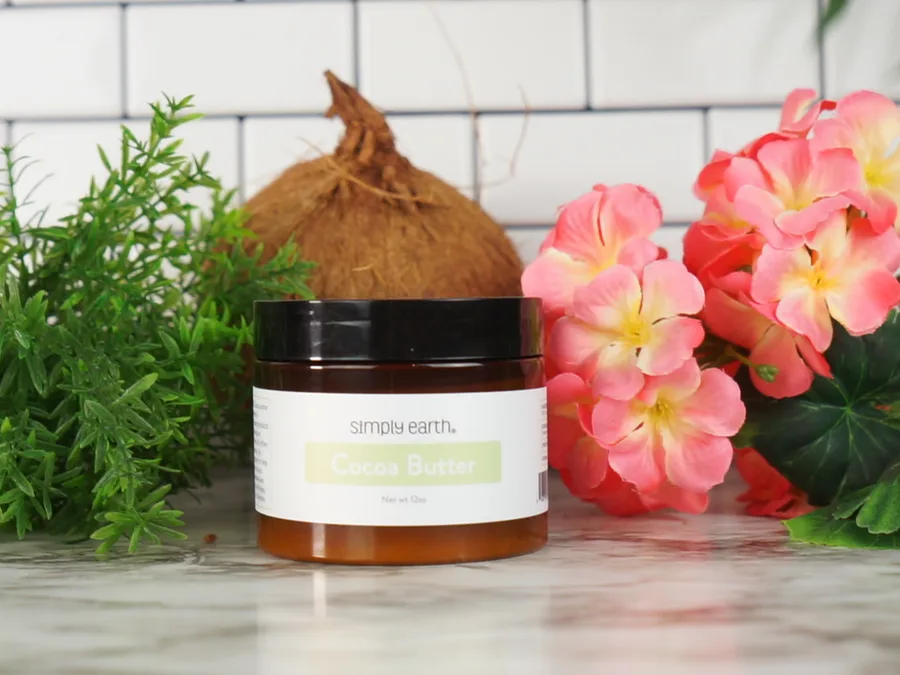
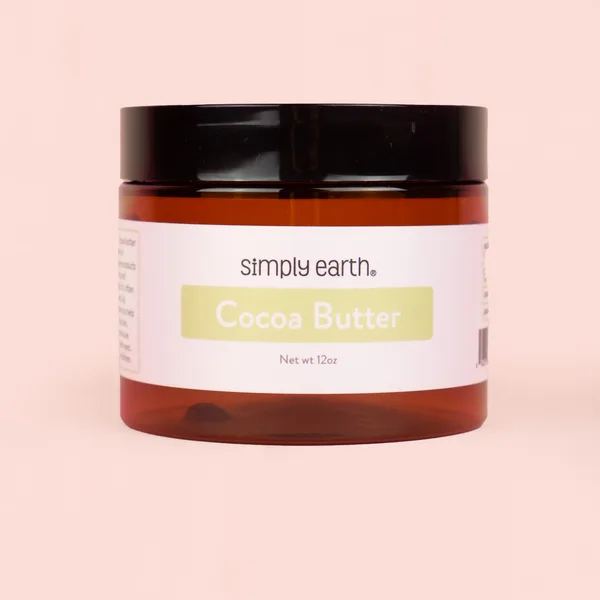
Most skincare ingredients are formulas. This one is not. The entire contents of the jar is Theobroma Cacao (Cocoa) Seed Butter — pressed fat from the cacao bean and nothing else. Simply Earth's own write-up calls it a pristine raw material, an ingredient in and of itself, and that is the practical appeal: there is no preservative system to question, no fragrance hiding under a catch-all word, and nothing on the label you have to look up. It carries an EWG score of 1, the lowest-hazard band, as Simply Earth publishes it.
KATIE'S TIP
When you are building a recipe from scratch, start from the single-ingredient components and add complexity deliberately. It is much easier to work out what went wrong in a four-ingredient balm than in a fourteen-ingredient one.


BEST FOR: BALMS AND BARS THAT COME OUT TOO SOFT
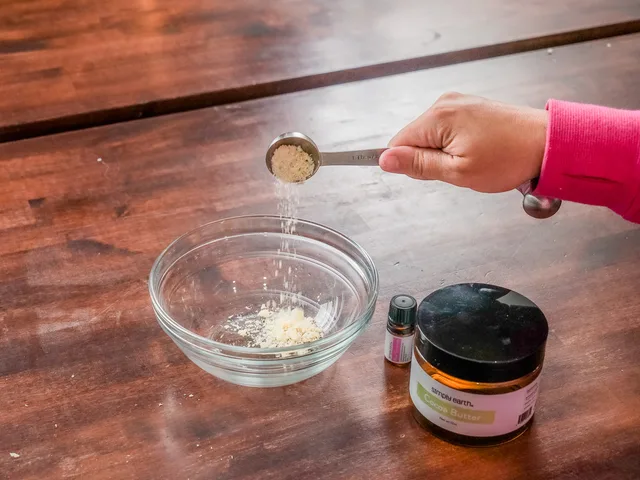
Cocoa butter is hard — brittle at room temperature, not spoonable like coconut oil. Put it into a recipe and it takes that hardness with it. Simply Earth's own description is that it adds a firm texture to DIY lotions, creams and balms so they hold their shape. That is why our Bug Off Lotion Bar leans on a full 6 tablespoons of it: a lotion bar has to stay a bar in a warm bag. If a recipe of yours is slumping, cocoa butter is the first lever to pull, and it is a far more reliable one than adding more beeswax.
KATIE'S TIP
Hardness is a dial, not a switch. Push the cocoa butter up for a firmer set and pull it back toward liquid oils like jojoba or almond for a softer one — that is Simply Earth's own guidance on customising consistency.


Deep, Long-Lasting Moisturisation
A rich fat that stays put rather than sinking in and vanishing.
 Shop Cocoa Butter
BEST FOR: DRY SKIN, ELBOWS, HEELS AND WINTER
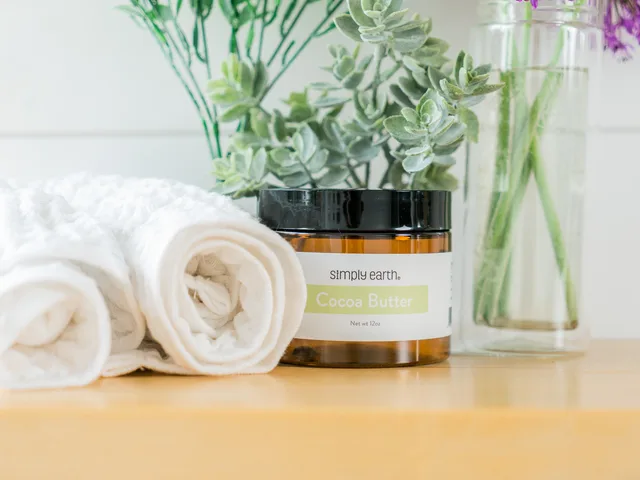
This is the benefit cocoa butter is famous for, and Simply Earth's own description is that it is packed with fatty acids and antioxidants and provides long-lasting hydration well suited to combating dry skin. What makes it feel different from a light oil is how slowly it goes: it is solid until your skin warms it, so it sits and softens rather than absorbing in seconds. That is exactly what you want on a heel or an elbow, and it is also why a little of it in a whipped body butter changes the whole texture.
KATIE'S TIP
Apply it to skin that is still slightly damp from the shower. A rich butter works best sealing water in rather than being rubbed onto skin that has already dried out completely.
Use it in


It Actually Smells Like Chocolate
Because ours is unrefined — this benefit does not survive deodorising.
 Shop Cocoa Butter
BEST FOR: RECIPES WHERE THE BASE SHOULD BE PART OF THE SCENT
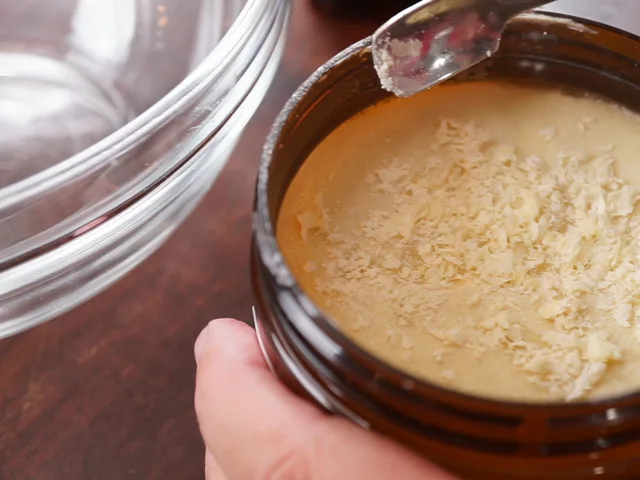
Unrefined cocoa butter carries a mild, natural cocoa scent, and Simply Earth's product record confirms ours is unrefined (Theobroma cacao, unrefined). This matters more than it sounds, because refined or deodorised cocoa butter has had that scent stripped out — so this is a benefit you only get from one side of the shelf. It is also why so many of our cocoa butter recipes lean into it rather than fighting it: Chocolate Rose, Chocolate Orange and Bergamot Cocoa are all built on the assumption that the base smells of chocolate.
KATIE'S TIP
Treat the cocoa note as a blending partner rather than a background. It sits beautifully under orange, bergamot, rose and mint, and it will quietly muddy a delicate floral you were hoping would lead.
BEST FOR: LIPS, WIND, COLD AND ROUGH WEATHER
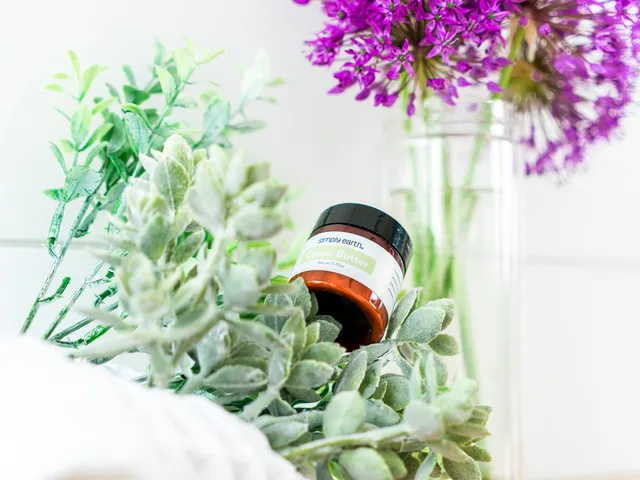
Simply Earth describes cocoa butter as forming a protective barrier over the skin, shielding it from environmental pollutants and harsh weather and keeping it soft and smooth. This is the occlusive side of a hard fat, and it is why cocoa butter turns up in lip balm again and again — lips have no oil glands of their own and lose moisture fast in cold air. The same property is what makes a lotion bar work: you are leaving a thin film behind rather than something that soaks straight in.
KATIE'S TIP
This is the benefit that argues for a balm over a lotion in winter. A balm's job is to stay on the surface, so reach for the harder butter when the weather is the problem.
Use it in
It Softens and Smooths Skin
One of the three things Simply Earth lists on the product itself.
 Shop Cocoa Butter
BEST FOR: SKIN THAT FEELS ROUGH RATHER THAN DRY
Simply Earth's product record lists three things for this ingredient, and this is the first of them: softens, smoothes, and protects the skin. It is worth separating from the moisturising claim above, because it is a different complaint — rough skin and dry skin are not the same problem, and a rich fat addresses texture as much as it addresses water loss. This is also the benefit that tends to show up over a fortnight of use rather than the first night, which is the honest way to describe any emollient.
KATIE'S TIP
Give a new butter two weeks before you judge it, and change one thing at a time. If you swap the butter and the essential oil in the same batch, you will never know which one did the work.

BEST FOR: PEOPLE WHO WOULD RATHER MAKE IT THAN BUY IT
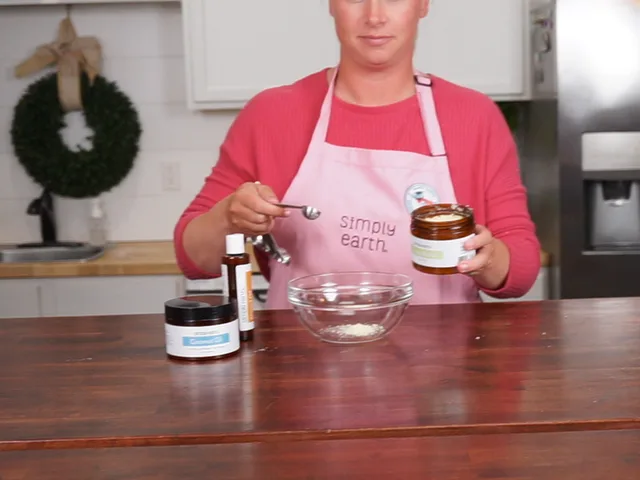
Simply Earth's product record says it plainly — used in DIY skincare recipes — and this is the benefit with the most evidence behind it. Eight published Simply Earth recipes list cocoa butter in their ingredients, in quantities from half a teaspoon in a lip balm to six tablespoons in a lotion bar, across bath melts, bath bombs, scrubs, creams, balms, bars and body butter. That range is the point: this is not a product with one use, it is a base that behaves predictably enough to design around. It also comes in a 0.75oz size, which is the sane way to try a new ingredient before committing to a 12oz tub.
KATIE'S TIP
Keep a small notebook of ratios that worked. Cocoa butter recipes are unusually easy to scale up once you know the proportion you like, and unusually annoying to reverse-engineer once you have forgotten it.
Put It to Work
How to Use Cocoa Butter
Measuring It
- • Cocoa butter is hard and brittle, so measuring by volume is genuinely awkward
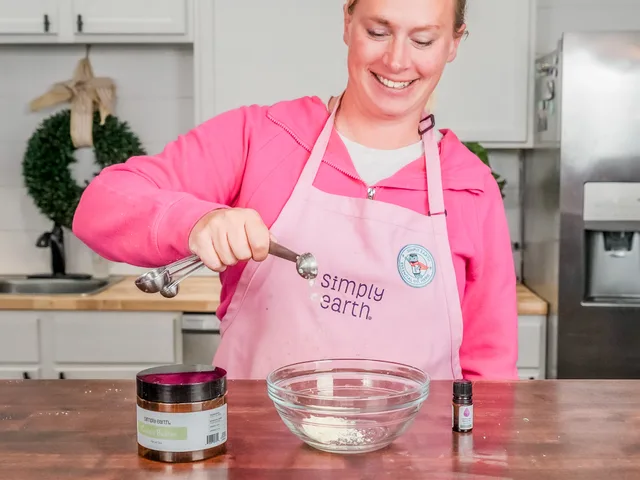
- • Loosen it with a spoon, or microwave it in short bursts and measure it melted
- • Measuring melted is more accurate and much less frustrating
- • Weigh it instead if you have a scale and the recipe gives you weights
Melting and Mixing
- • Use a double boiler rather than direct heat — this is Simply Earth's own guidance
- • Direct heat scorches it and you will smell it immediately
- • Melt the hard butters first, then stir in liquid oils off the heat
- • Add essential oils last, once the mixture has cooled slightly
Getting the Consistency Right
- • More cocoa butter makes a firmer product, less makes a softer one
- • Soften a too-hard batch with jojoba or almond oil
- • Test a teaspoon on a saucer in the fridge before you pour the whole batch
- • Remember it will be firmer at room temperature than it was in the pan
Storing It
- • Cool, dry place, away from direct sunlight, in an airtight container
- • Airtight matters — it will pick up odours from whatever is next to it
- • Stored properly it keeps its quality for up to two years
- • Avoid a cupboard next to the oven, where it will soften and re-set
If It Goes Grainy
- • A pale, speckled or gritty surface is a texture change, not spoilage
- • It usually follows slow cooling or a warm-then-cool swing in storage
- • Melt it fully and cool it quickly to bring the smooth texture back
- • The fridge or a cold water bath is the easiest way to cool a batch fast
Know the Difference
Unrefined, Refined, Shea or Mango?
The question people actually ask about cocoa butter is raw versus refined, and it has a real answer here: Simply Earth's product record lists ours as Theobroma cacao, unrefined. That single word settles several things at once. It is why our cocoa butter smells faintly of chocolate, why it is cream-coloured rather than bright white, and why the recipes we publish with it — Chocolate Rose, Chocolate Orange, Bergamot Cocoa — treat that scent as an ingredient rather than something to cover. Refined cocoa butter is the same fat with the colour and aroma taken out; it is the better choice only when you want a hard butter that contributes nothing to the smell. The second question is which butter to reach for at all, and the short version is that cocoa is the hard one. If a recipe needs to hold a shape, that is a job for cocoa butter. If it needs to feel creamy and spread easily, shea butter is the softer, more forgiving choice — and plenty of recipes, including our own whipped body butter, use both.
Swipe to compare →
Unrefined Cocoa Butter What Simply Earth sells | Refined Cocoa Butter Deodorised and decolourised | Shea or Mango Butter The other butters on the shelf | |
|---|---|---|---|
| Scent | A mild natural cocoa scent | Little to none — it has been stripped out | Shea is nutty and distinct; mango is close to neutral |
| Colour | Pale cream to soft yellow | Whiter and more uniform | Shea is ivory to yellow; mango is off-white |
| Hardness | Hard and brittle — snaps rather than scoops | Hard and brittle, essentially the same | Softer and more scoopable than cocoa butter |
| What It Does in a Recipe | Hardens and thickens, and adds its own scent | Hardens and thickens without adding scent | Adds creaminess and slip more than hardness |
| Best For | Balms, bars and anything meant to smell of chocolate | Firm recipes where you want your own fragrance to lead | Softer whipped butters and creams |
| Goes Grainy? | Yes, if cooled slowly or stored through temperature swings | Yes — this is a property of the fat, not of the processing | Shea is especially prone to it; mango less so |
| Sold by Simply Earth | Yes — unrefined, in 0.75oz and 12oz | No | Yes — Shea Butter |
| This article | The subject of this page | — | — |
Perfect Pairs
Cocoa Butter Blends Well With…
A butter's useful partners are not only essential oils, so this list is the carriers, waxes and butters that appear alongside cocoa butter in our own published recipes — shea butter, beeswax, solid coconut oil, almond oil and jojoba — plus the essential oils our cocoa butter recipes actually call for: Bergamot, Blood Orange, Tranquility, Fir Needle, Camphor and Ylang Ylang. Waxes and hard butters give you structure; liquid oils give it back some give.
The Bean
Where Cocoa Butter Comes From
Cocoa butter is the fat of the cacao bean, and the plant's botanical name gives away how it has been regarded for most of its history: Theobroma cacao, from the Greek for food of the gods. Cacao was cultivated in Mesoamerica long before it reached Europe, where the beans were valuable enough to be used as currency and the drink made from them was reserved for people who mattered.
What we call cocoa butter is what comes out when those beans are pressed. The bean is roughly half fat, and separating that fat from the solids is the step that makes both chocolate and cocoa powder possible — the butter goes one way, the dry solids go the other. So cocoa butter is not a by-product of making chocolate so much as one of the two halves the bean is divided into.
The skincare use follows from the material rather than the tradition. A fat that is solid at room temperature, melts near skin temperature and keeps for a long time is exactly what you want in a balm, and people worked that out long before there was an ingredients list to print it on. Ours is unrefined, which means it arrives with the colour and the scent still in it — closer to what comes out of the press than to the white, odourless version that goes into confectionery.
The Material
What Cocoa Butter Is Actually Made Of
One ingredient, so the interesting chemistry is not what is in it but how it behaves. These are descriptions of the material, not claims about what it will do for a person.
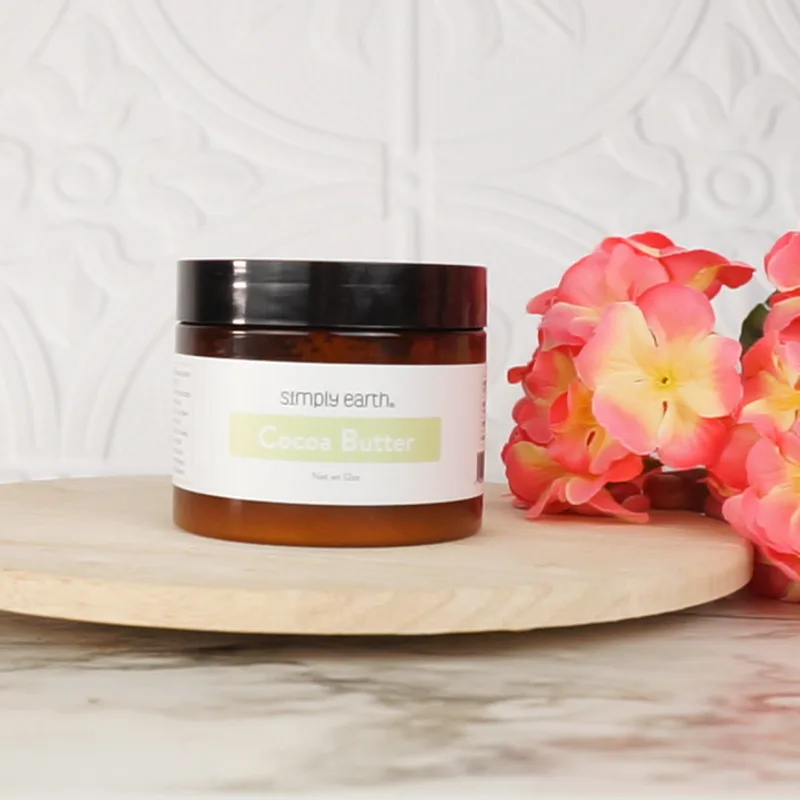
Theobroma Cacao (Cocoa) Seed Butter
EWG 1 · The entire ingredients list
This is not the first item on a list, it is the whole list. Simply Earth's cocoa butter is a single pressed fat with nothing added, which is why the INCI name and the product name describe the same thing. Simply Earth publishes an EWG score of 1 for it, the lowest-hazard band on that scale. That score is quoted here as Simply Earth publishes it rather than as something we have independently re-verified.
Why There Is No GC/MS Report
A pressed fat, not a distilled oil
An essential oil is a distillate made of dozens of volatile aromatic compounds, and a GC/MS report exists to tell you their proportions. Cocoa butter is not that. It is a pressed fat, so the meaningful chemistry is its fatty-acid makeup and how it behaves as it warms and cools, not a constituent breakdown. If you are looking for the equivalent document, it is a certificate of analysis rather than a GC/MS trace.
The Fatty Acids
Saturated and monounsaturated, in that order
Cocoa butter's character comes from its fatty acids, which are dominated by stearic and palmitic acid — both saturated, both solid at room temperature — alongside oleic acid, the monounsaturated one that also makes up most of olive oil. That combination is why the butter is hard and stable rather than soft and quick to go off. Simply Earth's own description of the butter as rich in fatty acids and antioxidants is pointing at the same thing.
The Melting Point
Solid in the jar, liquid on skin
The single most useful physical fact about cocoa butter is that its melting range sits just below body temperature. That is why it is brittle in the jar and why it turns slick the moment it meets warm skin, and it is the whole reason a lotion bar or a bath melt works at all. It is also why a product with a lot of cocoa butter in it will behave differently in a July bathroom than in a January one.
Why It Sometimes Turns Grainy
Crystal structure, not spoilage
Cocoa butter's fats can settle into more than one crystal form, and which one you get depends on how fast it cooled. Cool it slowly, or let it warm and re-set in a hot cupboard, and you get the coarse form — a pale, speckled, slightly gritty surface. Nothing has gone wrong with it. Melting it fully and cooling it quickly resets the structure and the smooth texture comes back.
Shelf Life
Up to two years, stored properly
Saturated fats keep well, and Simply Earth's guidance is that cocoa butter stored in a cool, dry place in an airtight container maintains its quality and effectiveness for up to two years. Airtight is doing real work in that sentence — a fat will take on the smell of whatever it is stored beside, and an unrefined butter you bought for its own scent is worth protecting from that.
The whole ingredients list, exactly as it appears: Theobroma Cacao (Cocoa) Seed Butter. That is it — unrefined, nothing added, nothing removed, and an EWG score of 1 as Simply Earth publishes it. Shop Cocoa Butter →
Where It Comes From
The Farm Behind Our Cocoa Butter
Simply Earth sources this cocoa butter from Shea Tree Ghana, in the northern region of Ghana. As the name suggests they are better known for shea, but they trade in both butters, and the reason we work with them goes beyond the material.
Women do the work and are paid for it. Shea Tree Ghana exists to provide working opportunities for women in a part of the country where those opportunities are scarce, and that is the first thing our own notes on them record. The processing is done locally, by hand — not as a marketing flourish but as how the operation is actually set up.
On sustainability, two things are worth naming because they are specific rather than general. They harvest without over-harvesting or damaging the trees, and they are working with local communities on the case against cutting trees down for charcoal — a genuine pressure in the region — while burning leftover shea material for fuel instead. On quality, they run standard testing for moisture content and peroxide level, along with any additional testing a customer asks for, and all products are lot traced.
We are going to stop there rather than round the story up. We do not publish how large the farm is, how many people it employs, or what share of our butters are farm-direct, and we would rather leave those blank than fill them with plausible figures. Cacao supply chains carry real ethical questions, and a page like this one is not the place to imply we have answered more of them than we have.
Use It Right
Things to Remember When Using It
External use only. Simply Earth's cocoa butter is intended for use on skin, not for eating. This is a cosmetic ingredient, and it is not sold or labelled as food.
Check for a cocoa allergy first. If you react to cocoa or cocoa-derived products, this is the same plant. Simply Earth's own guidance is to check before using it and to stop immediately if you get irritation, redness or itching.
Patch test before the first use, especially on sensitive skin or if this is new to you. Put a small amount somewhere discreet and leave it 24 hours. An inner forearm is a much better place than a face to find out you do not get on with something.
Melt it in a double boiler, not over direct heat. This is a handling instruction rather than a safety one, but scorched cocoa butter is unpleasant and unrecoverable, and the pan gets hotter than you expect.
Check that everything in your recipe is compatible. Simply Earth's own note on combining cocoa butter with other ingredients is to make sure the components work together, rather than assuming anything natural mixes with anything else natural.
Store it cool, dry, dark and airtight. Away from direct sunlight, and not next to anything strongly scented — a fat will take on the smell of its neighbours, and an unrefined butter is worth protecting.
A grainy surface is not spoilage. It is the fat re-crystallising after slow or uneven cooling. Melt it fully and cool it quickly and the texture comes back.
If you are adding essential oils to a cocoa butter recipe, dilute them properly. Simply Earth publishes a free dilution chart you can keep next to your oils.
We do not recommend ingesting essential oils unless you are under the direction of a doctor certified in aromatherapy.
These statements have not been evaluated by the Food and Drug Administration. This product is not intended to diagnose, treat, cure, or prevent any disease.
Real Results
What Earthies Are Saying About It
"I LOVED making these! I have been using the bars for a few days and they leave my hair feeling so nice and hydrated. I love the nourishing ingredients that are included to make them (argan oil, cocoa butter, etc). I am excited to continue using these and plan to make more when these run out."
Chelsea M
Verified Buyer • DIY Shampoo Bar Kit
"With this kit you need a double boiler to melt the emulsifier conditioning wax, Shea butter, Cocoa butter, argan oil all together. I used both the shampoo bar and the conditioning bar tonight and my hair came out so soft and manageable. It even feels so much thicker and it's less frizzy than before."
Brenda DePari
Verified Buyer • DIY Shampoo Bar Kit
OUR SIMPLY PURE PROMISE
What Goes Into Your Products Matters
One Ingredient, Unrefined
Theobroma Cacao Seed Butter. Nothing added, nothing removed.
EWG Score of 1
The lowest-hazard band, as Simply Earth publishes it.
Hand-Processed in Ghana
Sourced from Shea Tree Ghana, and lot traced.
1
Ingredient
The whole list, start to finish
EWG 1
Hazard Score
The lowest band on the scale
8
Recipes That Use It
Published Simply Earth recipes, 7 of them shoppable
Your Order Changes Lives: 13% of profits fight human trafficking globally.
Cocoa Butter FAQ
The questions Earthies ask most — starting with the two that decide whether a batch works.
Is Simply Earth's cocoa butter raw or refined? +
Unrefined. The product record lists it as Theobroma cacao, unrefined, and that is why it still has a mild cocoa scent and a cream rather than white colour. Refined cocoa butter has been deodorised and decolourised, which makes it the better pick only if you want a hard butter that adds nothing to the smell of your recipe. If you were hoping your balm would smell faintly of chocolate, unrefined is the one you want.
How do I melt cocoa butter without ruining it? +
Use a double boiler rather than putting it straight on the heat — that is Simply Earth's own guidance, and the reason is that direct heat scorches it and you cannot undo that. Melt the hard butters first, stir in your liquid oils off the heat, and add essential oils last once it has cooled a little. If you are only melting a small amount to measure it, short bursts in the microwave are fine.
Why has my cocoa butter gone pale and grainy? +
It has re-crystallised, which is a texture change rather than spoilage. The fats in cocoa butter can set into more than one crystal form, and the coarse, speckled one is what you get when it cools slowly or sits somewhere that warms up and cools down again. It has not gone off and it is still perfectly usable. Melt it fully and cool it quickly — the fridge or a cold water bath — and the smooth texture comes back.
How much cocoa butter should I use in a recipe? +
What is the difference between cocoa butter and shea butter? +
Hardness, mostly. Cocoa butter is hard and brittle and snaps rather than scoops, so it is what you reach for when a recipe has to hold its shape. Shea is softer and creamier and brings more slip than structure. They also smell different — cocoa of chocolate, shea distinctly nutty. Plenty of recipes use both, including our own whipped body butter, and our [shea butter guide](/learn/essential-oils/shea-butter-soap-base-benefits) covers that side in more depth.
How long does cocoa butter last? +
Up to two years, provided you store it in a cool, dry place in an airtight container and out of direct sunlight. That is Simply Earth's own figure. Airtight matters more than people expect, because a fat will take on the smell of whatever sits next to it, and an unrefined butter you chose for its own scent is worth keeping sealed.
Can I use cocoa butter if I am allergic to chocolate? +
Check first, and be careful. It comes from the same plant, so Simply Earth's guidance is to check for allergies to cocoa or cocoa-derived products before using it and to stop immediately if you notice irritation, redness or itching. A patch test on your inner forearm, left for 24 hours, is the sensible way to find out. If you have a diagnosed allergy, ask your doctor rather than relying on a patch test alone.
Can I eat it or use it on my lips? +

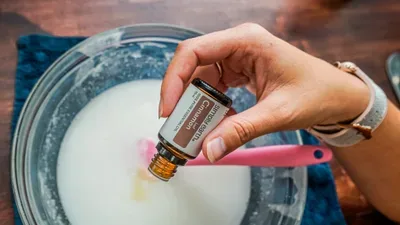
About the Author: Katie Veldkamp
Katie Veldkamp
Certified Aromatherapist · Co-Founder, Simply Earth
Katie Veldkamp is a Certified Aromatherapist and co-founder of Simply Earth. Her mission is to cut through the noise around essential oils so you can use them with confidence. Everything in this article has been reviewed and approved by Katie.
Learn essential oils the easy way
Every month we ship four pure essential oils, six natural recipes, and everything you need to make them. No guesswork.
No spam. Unsubscribe any time.
Learn by doing
Make your own natural products every month.
The Simply Earth Recipe Box ships 4 full-size essential oils, 6 natural recipes, and everything you need to make them. No guesswork.
Start My Recipe Box$39.99 for your first box, then $49.99/month. Skip, pause, or cancel anytime.