Start Your DIY Journey – 20% Off + FREE Shipping

Simply Earth

DIY Moisturizing Face Cream: Whipped, Nourishing and Made by You

Katie Veldkamp

Katie Veldkamp

Lead Certified Aromatherapist

Fact Checked & Approved

Oct 13, 2026 9 min read
Article video
Watch Now

Watch How to Make a Moisturizing Face Cream

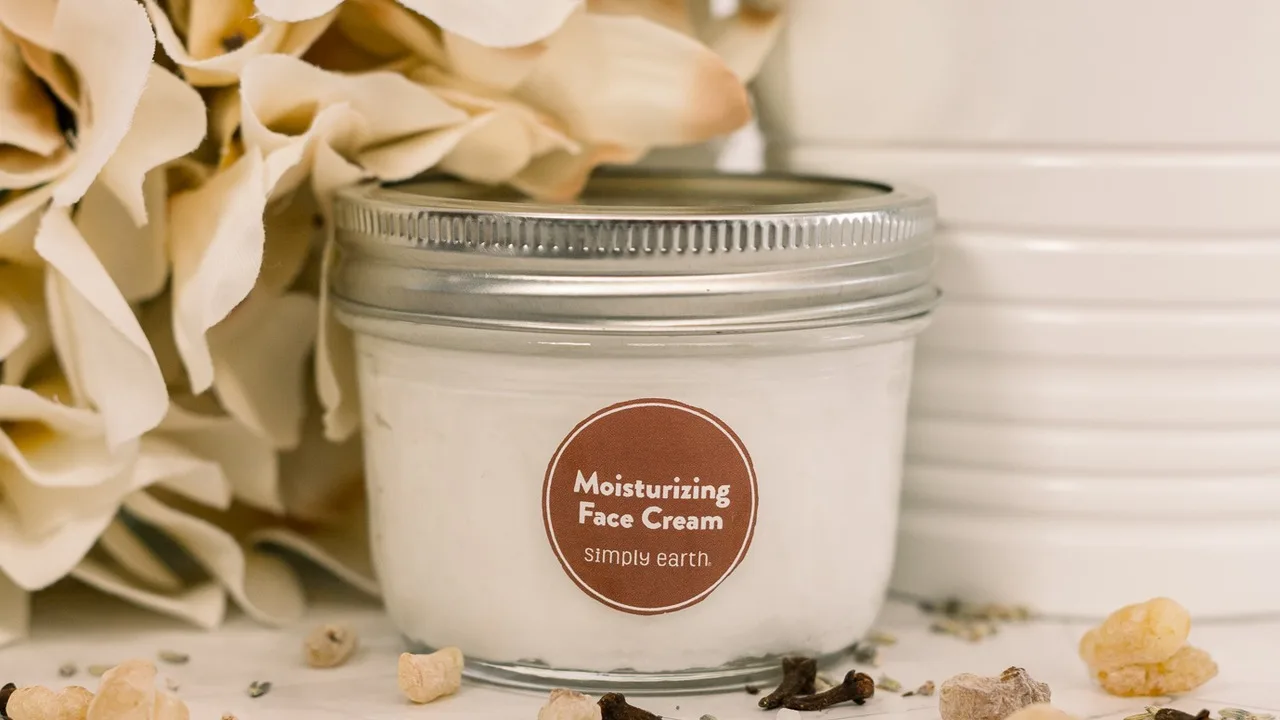
This DIY moisturizing face cream has become my go-to gift for friends and family, and honestly, it's one of my favorite things I've ever put on my face. It's rich and nourishing without feeling heavy. Aloe vera gel and Lavender Hydrosol give it a cool, soft base, almond and coconut oil bring the moisture, and beeswax holds it all together. A few drops of Frankincense and Clove finish it off with a warm, grounding scent. The secret is the blender. Whipping the water side and the oil side together turns them into a light, creamy lotion you'll want to make again and again.

Free Cheat Sheet

New to essential oils? Start with the free cheat sheet

Which oil for what, and how much to use. One printable page.

Get It Free

What Does This DIY Face Cream Do for Your Skin?

A good face cream does two things: it adds moisture and helps hold it in. This recipe blends a water-based side (aloe, hydrosol, water) with an oil-and-wax side (almond, coconut, beeswax) into one creamy lotion, so your skin gets both in a single step.

Rich Moisture

Almond oil, coconut oil and beeswax are known for nourishing skin and helping it hold on to moisture, so your face feels soft rather than tight.

A Cool, Soothing Base

Aloe vera gel and Lavender Hydrosol give the cream a cooling, calming feel that many people love on dry skin.

A Healthy-Looking Glow

Frankincense is a skincare classic, known for helping skin look smooth and radiant.

Whipped, Not Greasy

Blending the water and oil sides together at the same temperature creates a light lotion that sinks in instead of sitting on top.

01

Aloe Vera Gel

The cool, creamy base

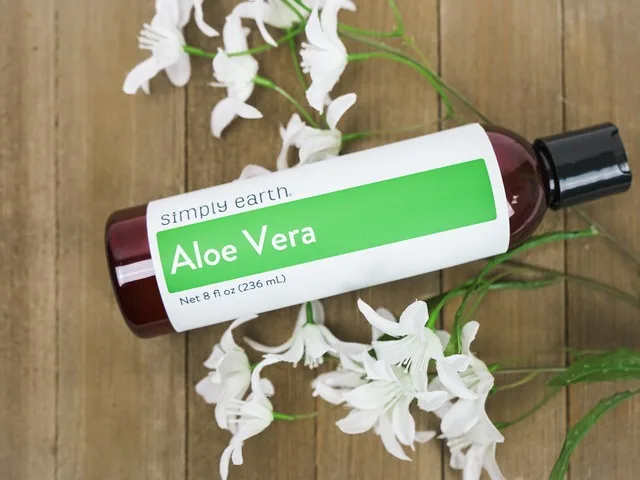
Bottle of Simply Earth Aloe Vera lying on a wooden table with white flowersShop Aloe Vera

BEST FOR: SOOTHING & HOLDING THE CREAM TOGETHER

Aloe vera gel makes up the biggest part of this cream, and it does more than add moisture. It's known for its cooling, soothing feel on skin. In this recipe its thickeners act as the emulsifier that lets the water and oils blend into one creamy lotion. The original recipe is clear on this, so use a thick aloe vera gel, because a thin, watery liquid aloe won't hold the cream together. Simply Earth's Aloe Vera is made from aloe vera gel with carrageenan, a natural thickener.

KATIE'S TIP

Make sure the aloe is at room temperature before you blend it with the cooled oils. If one side is warm and the other is cold, they won't come together.

02

Lavender Hydrosol

Lavender, the gentle way

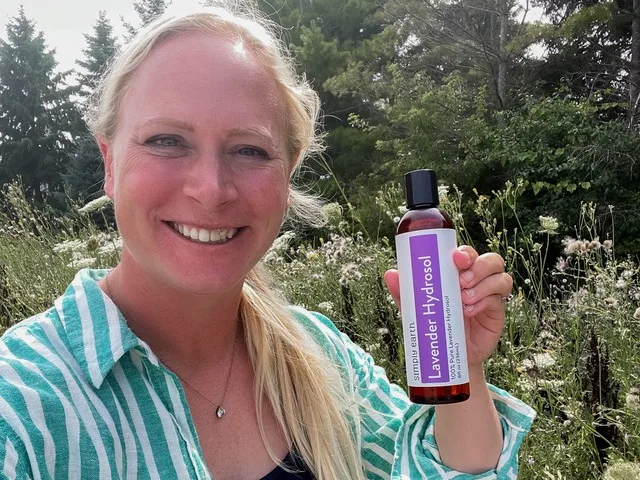
Smiling woman holding a bottle of Simply Earth Lavender Hydrosol outdoorsShop Lavender Hydrosol

BEST FOR: CALMING, SOOTHED-FEELING SKIN

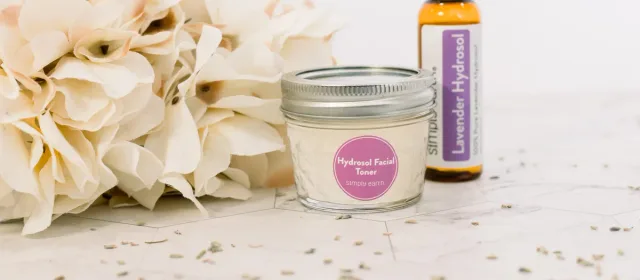
Lavender Hydrosol is the water collected when lavender is steam-distilled. It's a gentle way to bring lavender's calming qualities into your cream. This hydrosol is known for its soothing, calming feel on skin and its soft, herbal scent. In this recipe it's part of the water side, blended with the aloe and distilled water before the oils go in.

KATIE'S TIP

Lavender Hydrosol is lovely on its own too. Keep a bottle in the fridge and spritz it on your face as a cool toner between cream applications.

03

Distilled Water

The light touch

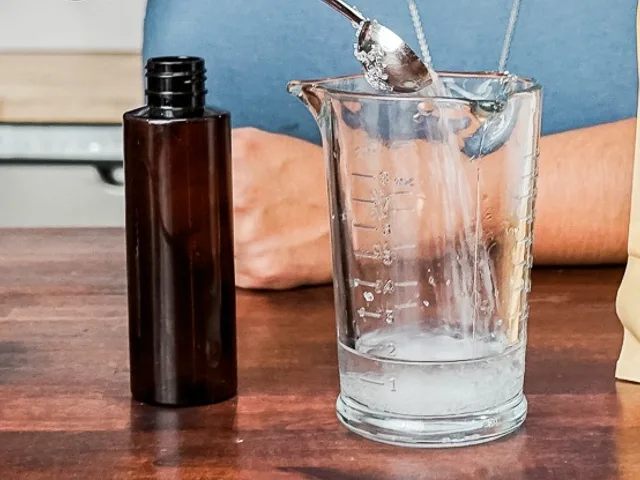
Glass measuring cup of distilled water next to an amber bottle on a wooden counter

BEST FOR: A LIGHTER, LOTION-LIKE TEXTURE

Two tablespoons of distilled water lighten the cream so it feels like a lotion, not a balm. Distilled water is free of minerals and impurities, which matters in a cream with no added preservative. It goes into the blender with the aloe and hydrosol first, so the water side is fully combined before the oils join.

KATIE'S TIP

Use distilled water, not tap water. Tap water carries minerals and microbes that shorten the life of a homemade cream. Pour from a freshly opened jug if you can.

04

Beeswax

The texture-maker

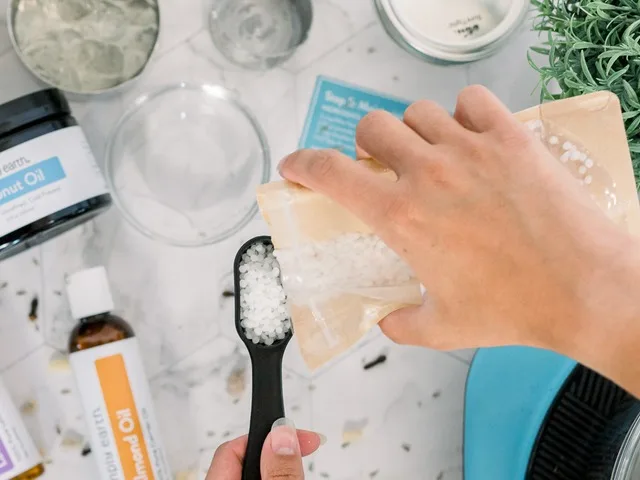
Hand pouring beeswax pastilles from a pouch onto a measuring spoonShop Beeswax

BEST FOR: BODY & A PROTECTIVE FEEL

Beeswax gives this face cream its body. It's melted with the coconut oil first, and it helps the cream hold a thick, spoonable texture once it's blended. Beeswax also forms a light protective layer on skin and helps seal in the moisture from the aloe and oils. It's a small amount, but it shapes the whole recipe.

KATIE'S TIP

Melt the beeswax and coconut oil slowly in a double boiler, not over direct heat. Then be patient. The oil side needs to cool all the way to room temperature before it goes in the blender.

05

Almond Oil

Nourishing, never greasy

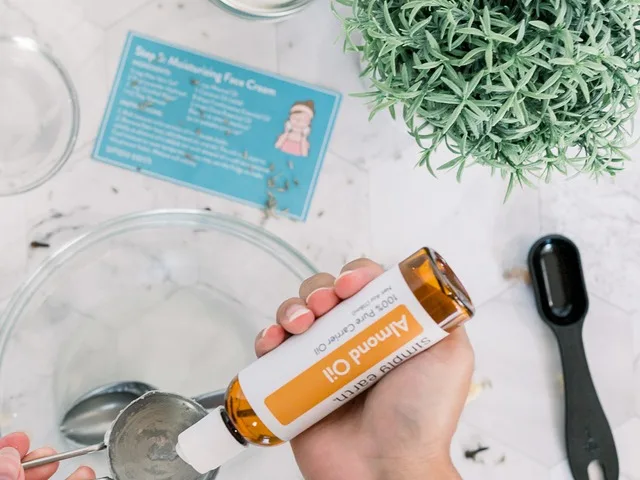
Hand pouring Simply Earth Almond Oil into a measuring spoon over a glass bowlShop Almond Oil

BEST FOR: SOFT, NOURISHED SKIN

Almond oil is a lightweight carrier oil that is known for nourishing skin without leaving a greasy feel, which is exactly what you want on your face. It balances the richer coconut oil and helps the cream spread easily. It's stirred into the melted wax and coconut oil off the heat. Don't worry if the mixture starts to firm up as you add it. Just keep stirring.

KATIE'S TIP

Almond oil comes from a tree nut. If you or anyone who will use the cream has a tree nut allergy, don't make this recipe as written.

06

Coconut Oil (Solid)

Rich, deep moisture

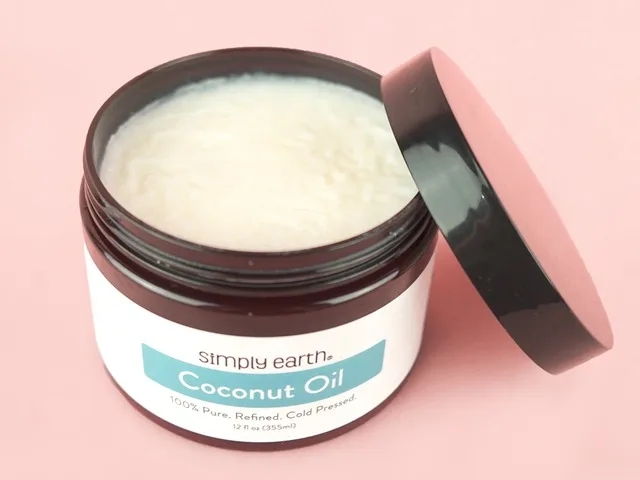
Open jar of Simply Earth solid coconut oil on a pink backgroundShop Coconut Oil

BEST FOR: MOISTURE & CREAMY TEXTURE

Solid coconut oil is the richest part of the oil side, and it gives the cream its creamy, whipped texture once blended. It's known for nourishing and moisturizing skin. Melted with the beeswax, it carries the oils that make your face feel soft and comfortable. The card calls for solid coconut oil, not fractionated, because the solid kind helps the cream set.

KATIE'S TIP

Coconut oil can feel heavy on oily or breakout-prone skin. Try the cream on a small area first, and use a thin layer at night if your skin runs oily.

07

Frankincense Essential Oil

The skincare classic

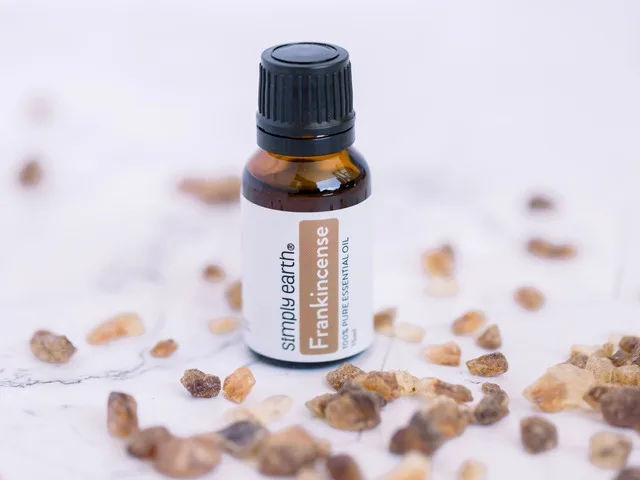
Bottle of Simply Earth Frankincense Essential Oil surrounded by frankincense resinShop Frankincense Oil

BEST FOR: SMOOTH, RADIANT-LOOKING SKIN

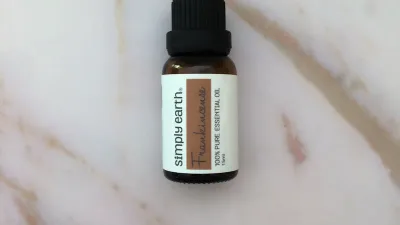
Frankincense has been a skincare favorite for a very long time. This oil is known for helping skin look smooth, even and radiant, and its warm, resinous scent makes the cream feel like a little luxury. Eight drops go in at the very end, stirred in after the cream comes out of the blender. It's the main scent of the finished cream.

KATIE'S TIP

Stir the essential oils in after blending, as the card says. That way they're spread evenly through the finished cream and don't get whipped into the air.

08

Clove Essential Oil

Warm and spicy

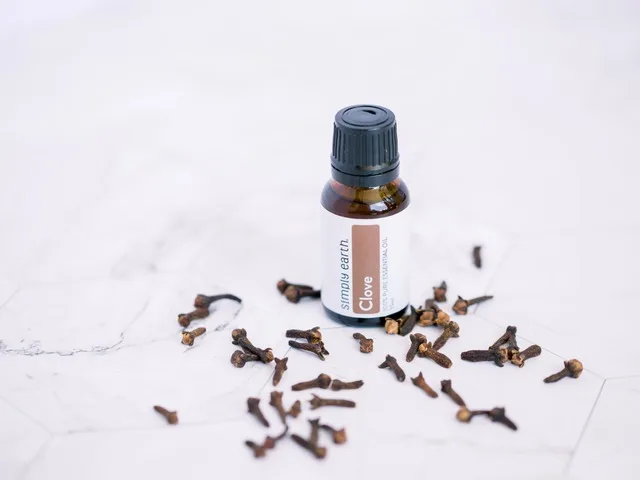
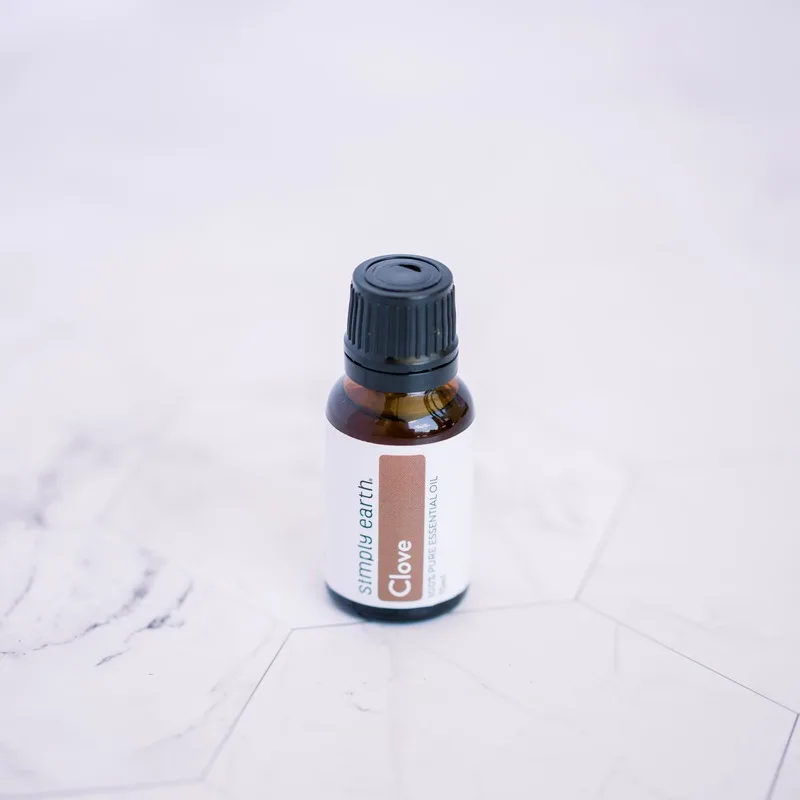
Bottle of Simply Earth Clove Essential Oil with whole cloves on white marbleShop Clove Oil

BEST FOR: A WARM, GROUNDING SCENT

Clove adds a warm, spicy note that pairs beautifully with Frankincense. This oil is known for its high antioxidant activity. It's also a strong oil, and its product record lists it as skin irritating with a 0.5% dilution ceiling. That's why the recipe uses just 2 drops across the whole batch, which keeps it well under 0.5%.

KATIE'S TIP

Always do a skin test before using a cream with Clove on your face. Dab a little on your inner arm and wait a day. Don't use it on sensitive or broken skin.

09

16 oz Amber Glass Jar

Where your cream lives

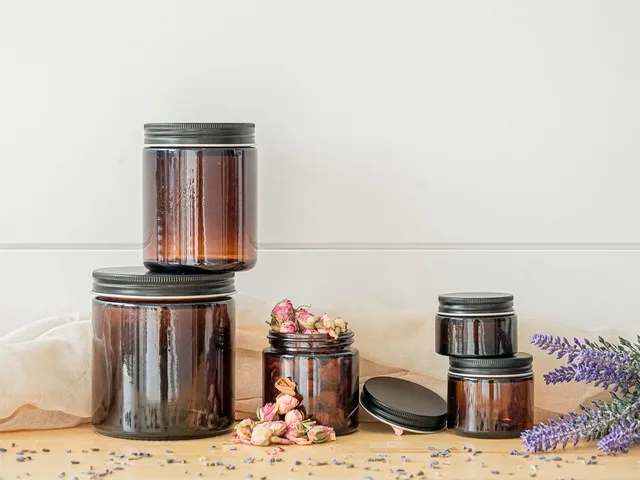
Simply Earth amber glass jars in several sizes with dried rosebuds and lavenderShop Amber Glass Jars

BEST FOR: STORING YOUR FINISHED CREAM

Once the cream is blended and the essential oils are stirred in, it goes straight into a jar or sealable container. This recipe makes a generous batch, about 12¾ fl oz before whipping (¾ cup aloe, ½ cup of oils, ¼ cup of water and hydrosol, plus the beeswax). So pick a jar that holds it all. A 16 oz amber glass jar fits the whole batch, and an 8 oz jar does not. Amber glass helps protect the essential oils from light, and a tight lid keeps the cream fresh.

KATIE'S TIP

Wash and fully dry the jar first, and scoop the cream out with a clean spoon or spatula rather than your fingers. Or split the batch into a few smaller jars and keep the extras in the fridge.

Moisturizing Face Cream Recipe

About 1½ cups

Makes

Approximately

About 1 hour

Ready in

Mostly cooling time

10

Ingredients

Including tools

Kids over 2: 10+ onlyPregnancy & nursing: Not recommendedCats & dogs: Not recommended
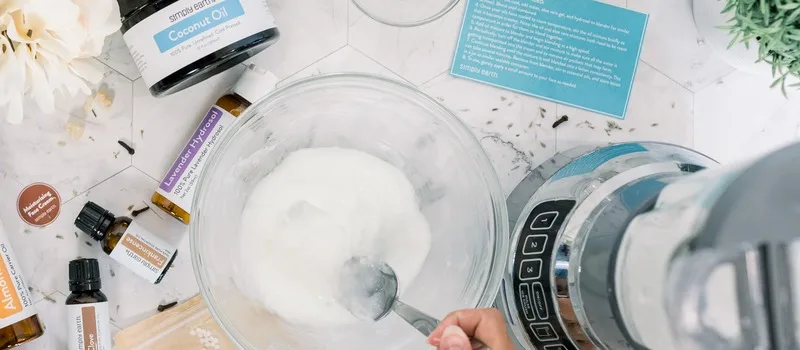
Whipped homemade face cream in a glass bowl beside a blender and the recipe ingredients
Pin

DIY Moisturizing Face Cream

Ingredients

Get Ingredients in the Recipe Box

Directions

  1. 1Melt the beeswax and coconut oil in a double boiler.
  2. 2Remove from heat, add the almond oil and stir. The oils may start to solidify as the almond oil is added; stir until it's well incorporated. Cool the mixture to room temperature (you can use the fridge to speed this up). The mixture will solidify.
  3. 3While your oils cool, add the water, aloe vera gel and hydrosol to the blender (or similar machine). Blend until combined.
  4. 4Once your oils have cooled to room temperature, stir them briefly so they become creamy. Note: the oils and the aloe vera mixture both need to be at room temperature to blend together.
  5. 5Add the oil mixture to the blender and begin blending at high speed.
  6. 6Periodically turn off the blender and stir the mixture, to make sure all the water is getting incorporated into the cream and to remove any air pockets.
  7. 7Continue blending until the mixture is well blended into a lotion consistency. This can take several minutes. Remove from the blender, stir in the essential oils, and store the lotion in a jar or similar sealable container.
  8. 8To use, gently apply a small amount to your face as needed.
How to Store Your DIY Face Cream

Keep the cream in a clean, tightly sealed jar, out of direct sunlight and heat. Scoop it out with a clean spoon or spatula instead of your fingers, so you don't carry anything from your hands into the jar.

Shelf life: This cream is made with water, aloe and hydrosol, and the card adds no preservative of its own, so it won't keep like a store-bought cream. Refrigerate it and use it within 1–2 weeks. If the smell, color or texture changes, toss it and make a fresh batch.

Pro tip: Make the full batch, keep one small jar in the bathroom, and store the rest in the fridge. Cold cream on a warm morning is a treat.

Bottle of Simply Earth Clove Essential Oil on white marble

Use It Right

Safety Tips Before You Use This Face Cream

  • Always dilute essential oils before using them on skin. Undiluted spicy oils like Clove can cause irritation. Clove's product record sets its dilution ceiling at 0.5%, and this recipe stays well under it. Don't use Clove on sensitive or broken skin.

  • A skin test is always recommended before using a new cream on your face.

  • Safe to use with children 10 and older.

  • Clove Essential Oil's product record says it is not recommended during pregnancy or breastfeeding. Talk to your doctor before using this cream if you are pregnant or nursing.

  • Clove Essential Oil's product record says it is not safe for cats or dogs. Keep the cream and the oils out of reach of pets.

  • Consult your doctor before using this cream if you have a bleeding disorder. Frankincense's product record notes it has blood-thinning effects.

  • Never ingest essential oils unless under the supervision of a doctor certified in aromatherapy. Clove Essential Oil could interfere with blood-thinning or antidepressant medication, most likely if it is ingested.

  • These statements have not been evaluated by the Food and Drug Administration. This product is not intended to diagnose, treat, cure, or prevent any disease.

Real Results

What Earthies Are Saying

"I love this Aloe Vera! The ingredient list is exactly what I was looking for in a natural product. The aloe is cooling to my skin and is perfect for my favorite face cream recipe."

June C.

Website Review • Aloe Vera (8oz)

"This lavender hydrosol is the best! I use it as a toner every night and my skin is just so happy."

Latricia

Website Review • Lavender Hydrosol (8oz)

"I love the face cream, if you have very dry skin this cream is for you. I use it on my legs, arms, neck & hands in addition to my face. Super hydrating & doesn’t irritate my face! I store it in the fridge and find it nice & cooling that way."

Carol

Website Review • Monthly Recipe Box

Go Deeper — More Face Cream Recipes

Three more moisturizing recipes for your face, once this cream is in your fridge.

OUR SIMPLY PURE PROMISE

What Goes Into Your Products Matters

Certified 100% Pure

No fillers, no synthetics. Just pure oil.

GC/MS Third-Party Tested

Every batch independently verified.

Ethically Sourced from Quality Farms

Responsibly harvested. People and planet first.

Your Order Changes Lives: 13% of profits fight human trafficking globally.

Simply Earth farm partners harvesting

Key Takeaways

  • Two sides, one cream. Blend the water side (aloe, hydrosol, water) with the oil side (beeswax, coconut, almond).
  • Room temperature is everything. Both sides must be at room temperature, or they won't blend.
  • Use a thick aloe vera gel. Its thickeners help the cream hold together; a thin, watery aloe won't.
  • Essential oils go in last. Stir in Frankincense and Clove after blending, and always skin test first.
  • No added preservative. Keep it in the fridge and use it within 1–2 weeks.

Frequently Asked Questions About DIY Moisturizing Face Cream

Why won't my homemade face cream blend? +

Usually the temperatures don't match. The oil mixture and the aloe mixture both need to be at room temperature. Stop the blender now and then to stir, so all the water gets worked in and air pockets come out.

Can I use liquid aloe vera instead of gel? +

The original recipe calls for aloe vera gel and says liquid won't work, because the gel's thickeners help the water and oils blend into a cream. Simply Earth's Aloe Vera is made from aloe vera gel with carrageenan, a natural thickener. If your aloe is thin and watery, the cream may separate.

Is Clove essential oil safe to use on your face? +

Clove can irritate skin, so it's only used heavily diluted. This recipe uses just 2 drops in the whole batch, well under the 0.5% ceiling on Clove's product record. Always skin test first, and skip it on sensitive or broken skin.

How long does homemade face cream last? +

This cream contains water and no added preservative, so it doesn't keep like a store-bought cream. Refrigerate it and use it within 1–2 weeks. Toss it if the smell, color or texture changes.

Can I make this without a blender? +

The card calls for a blender or similar machine. You need something that whips at high speed, so the water and oils turn into a lotion.

Can kids use this face cream? +

This recipe is safe to use with children 10 and older.

Can I use this face cream while pregnant or breastfeeding? +

Clove Essential Oil's product record says it is not recommended during pregnancy or breastfeeding, so we don't recommend this recipe as written. Talk to your doctor before using it.

About the Author: Katie Veldkamp

Katie Veldkamp

Katie Veldkamp

Certified Aromatherapist · Co-Founder, Simply Earth

✓ NAHA Certified⭐ 50K+ Recipe Box Members📺 125K YouTube Subscribers

Katie Veldkamp is a Certified Aromatherapist and co-founder of Simply Earth. She personally formulates and reviews SE's essential oil blends and verifies all benefit claims on Simply Earth content before it goes live.

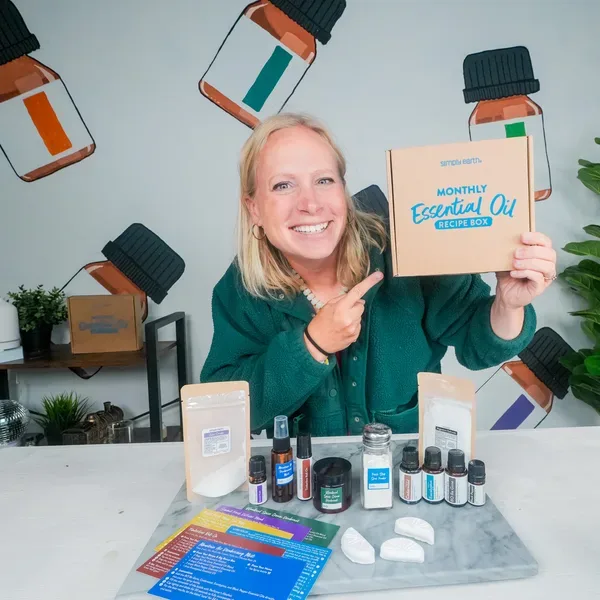
Katie Veldkamp holding the Simply Earth Recipe Box

Learn by doing

Make your own natural products every month.

The Simply Earth Recipe Box ships 4 full-size essential oils, 6 natural recipes, and everything you need to make them. No guesswork.

Start My Recipe Box

$39.99 for your first box, then $49.99/month. Skip, pause, or cancel anytime.